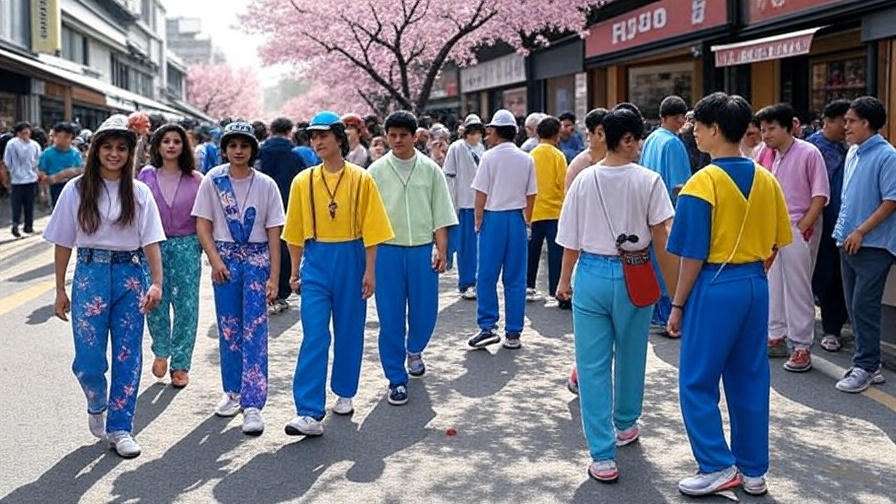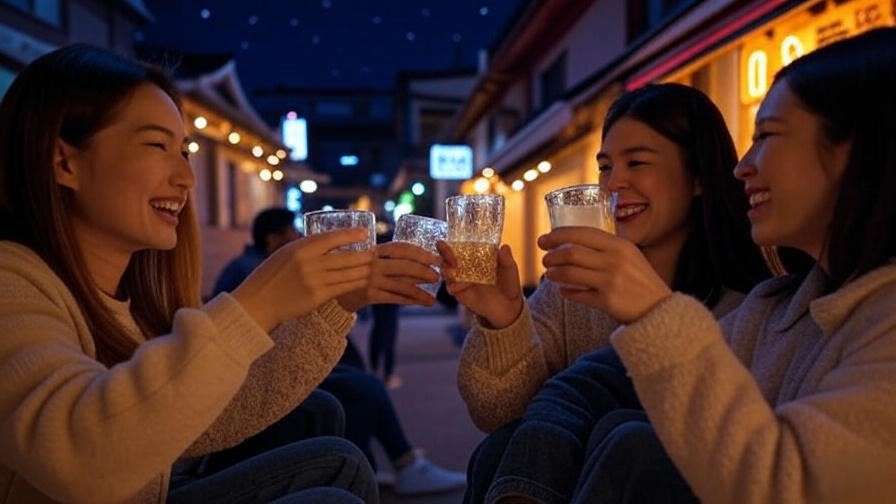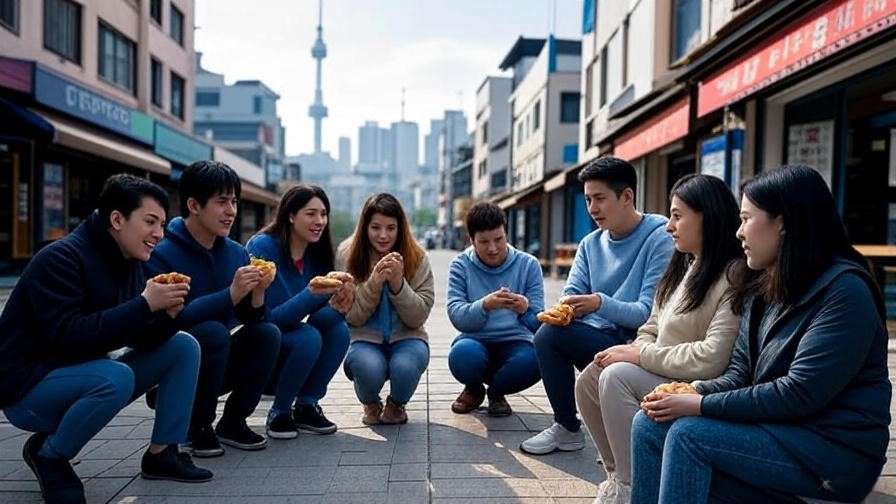

Picture yourself strolling along the golden sands of Haeundae Beach, the same spot where your favorite K-drama characters shared a heartfelt moment under the stars. Busan ROK, South Korea’s vibrant coastal city, is more than just a backdrop—it’s a cultural powerhouse that pulses with cinematic charm and rich heritage. Whether you’re a K-drama enthusiast chasing iconic filming locations or a cultural explorer seeking authentic Korean experiences, Busan delivers. This ultimate guide to Busan ROK unlocks the city’s secrets, offering practical tips, insider insights, and a roadmap to plan your dream trip. Dive in to discover why Busan is the heart of Hallyu and your next must-visit destination.
Why Busan ROK is a Cultural and K-Drama Powerhouse
Busan’s Unique Place in Korean Culture
Busan, South Korea’s second-largest city, thrives as a dynamic blend of maritime tradition and modern vibrancy. Nestled along the southeastern coast, it’s a city where ancient fishing villages coexist with sleek skyscrapers. Its cultural significance stems from its role as a port city, historically connecting Korea to the world. Today, Busan’s identity shines through its bustling markets, serene temples, and global events like the Busan International Film Festival (BIFF).
“Busan is the soul of Korea’s coastal heritage, blending tradition with a modern creative spirit,” says Dr. Min-Ji Park, a cultural historian at Pusan National University. This unique fusion makes Busan a magnet for travelers seeking authentic Korean culture.
Busan in K-Dramas: A Cinematic Love Affair
Busan’s scenic beauty—think sweeping beaches, colorful villages, and dramatic bridges—makes it a favorite for K-drama directors. Shows like Hometown Cha-Cha-Cha and Reply 1997 showcase Busan’s charm, from the romantic shores of Gwangalli Beach to the nostalgic streets of Gamcheon Culture Village. Directors choose Busan for its visual diversity: one scene might capture the bustling energy of Jagalchi Fish Market, while another highlights the serene cliffs of Dongbaek Island.
For example, in Hometown Cha-Cha-Cha, the fictional Gongjin village draws heavily from Busan’s coastal aesthetic, with scenes filmed at Cheongsapo Daritdol Skywalk. These locations don’t just set the stage—they evoke emotions that resonate with global audiences.
The Global Appeal of Busan ROK
Busan’s allure extends far beyond Korea, fueled by the global Hallyu wave. According to the Busan Tourism Organization, international visitor numbers surged by 15% in 2024, largely driven by K-drama fans. Social media platforms like X buzz with posts about Busan’s filming locations, with hashtags like #BusanKDrama trending among fans. This global fascination makes Busan a bucket-list destination for anyone captivated by Korean culture.
Must-Visit Busan ROK Filming Locations for K-Drama Fans
Gamcheon Culture Village: The Colorful Backdrop
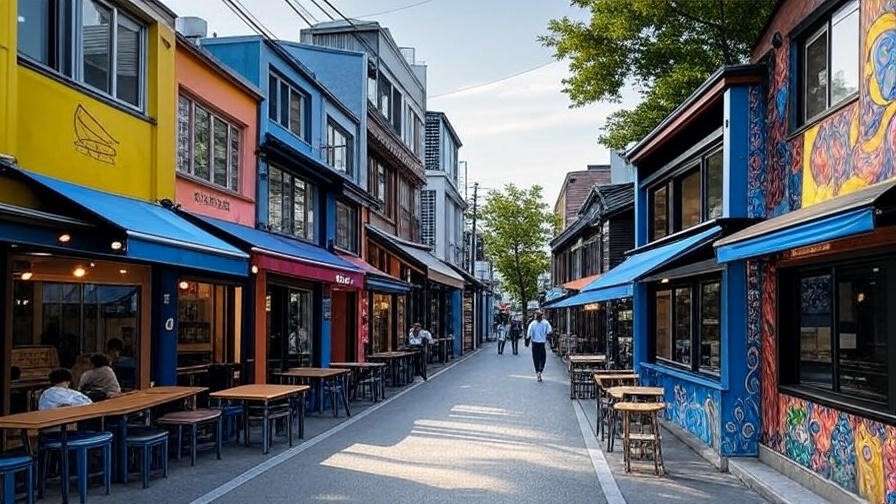
 Gamcheon Culture Village, often called Korea’s “Santorini,” is a kaleidoscope of pastel-colored houses cascading down a hillside. Featured in dramas like Fight for My Way, its narrow alleys and vibrant murals create a whimsical backdrop. Visitors can explore art installations, quirky cafes, and hidden photo spots.
Visitor Tips:
- Best Time to Visit: Early mornings to avoid crowds and capture soft lighting for photos.
- Photography Spots: The “Little Prince” statue and panoramic viewpoints are must-shots.
- Cultural Workshops: Try a painting class or pottery session to immerse yourself in Gamcheon’s creative spirit.
- Etiquette: Respect residents by keeping noise levels low and sticking to marked paths.
Haeundae Beach: Romance by the Sea
 Haeundae Beach, with its golden sands and sparkling waves, is a K-drama staple for romantic scenes. Its iconic skyline appeared in Hometown Cha-Cha-Cha, where characters strolled along the shore. Beyond its cinematic fame, Haeundae offers beachside cafes, water sports, and seasonal festivals like the Busan Sea Festival.
Activities:
- Take a sunset walk along the boardwalk for K-drama-worthy moments.
- Visit nearby Dalmaji Hill for panoramic views featured in multiple dramas.
- Enjoy fresh seafood at beachfront restaurants like Haeundae Somac.
Expert Tip: “For a quieter experience, explore the eastern end of Haeundae Beach,” suggests local tour guide Ji-Hoon Kim. “It’s less crowded and perfect for reflective moments.”
Gwangalli Beach and Gwangan Bridge
 Gwangalli Beach is synonymous with the dazzling Gwangan Bridge, a K-drama icon in shows like The King: Eternal Monarch. At night, the bridge’s lights create a mesmerizing backdrop, perfect for romantic or dramatic scenes. Gwangalli’s trendy vibe, with its array of cafes and bars, adds to its appeal.
Best Viewing Spots:
- Gwangalli Beach promenade for unobstructed bridge views.
- Millak Waterside Park for a serene picnic spot.
- Rooftop bars like The Bay 101 for upscale dining with a view.
Insider Insight: Local photographer Soo-Min Lee recommends shooting the bridge at twilight: “The soft glow enhances the cinematic feel, perfect for Instagram.”
Other Hidden Gems
Beyond the big names, Busan boasts lesser-known K-drama locations:
- Dongbaek Island: A lush oasis featured in Descendants of the Sun for its romantic trails.
- Cheongsapo Daritdol Skywalk: A glass-bottomed walkway over the sea, seen in Hometown Cha-Cha-Cha.
- Songdo Cloud Trails: A scenic walkway with cable car views, ideal for quiet reflection.
These spots offer a chance to step into your favorite dramas while discovering Busan’s quieter side.
Exploring Busan’s Cultural Heritage Beyond K-Dramas
Jagalchi Fish Market: A Taste of Busan’s Soul
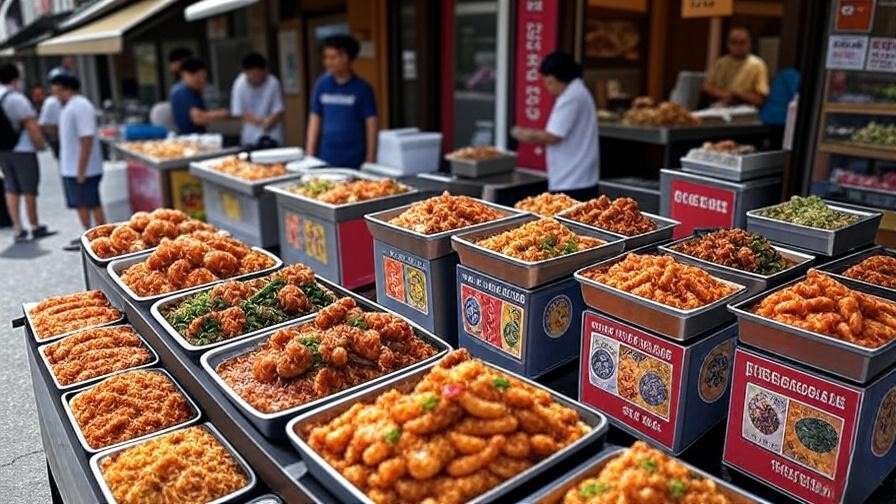
Jagalchi Fish Market, Korea’s largest seafood market, is a sensory explosion of sights, sounds, and smells. Vendors hawk fresh octopus, crab, and sashimi, while restaurants upstairs serve dishes straight from the stalls. This market embodies Busan’s maritime soul, offering a glimpse into its fishing heritage.
Tips for Visitors:
- Try: Hwe (raw fish) or grilled eel for an authentic experience.
- Etiquette: Bargain respectfully and ask vendors for preparation tips.
- Itinerary: Spend a morning exploring stalls, then dine at a second-floor restaurant like Jagalchi Sikdang.
Busan International Film Festival (BIFF)
 The Busan International Film Festival (BIFF) cements Busan’s status as a global cinematic hub. Held annually in October, BIFF showcases Asian and international films, drawing filmmakers and fans alike. Its open-air screenings at BIFF Square create a festive atmosphere.
How to Attend:
- Book tickets early through the official BIFF website.
- Explore BIFF Square for film-themed cafes and street food.
- Attend Q&A sessions with directors for insider insights.
“BIFF has put Busan on the global cinema map,” says festival organizer Kim Soo-Jung. “It’s a celebration of creativity that resonates with K-drama fans.”
Traditional and Modern Cultural Experiences
 Busan balances tradition and modernity effortlessly. Beomeosa Temple, nestled in the mountains, offers a serene escape with its ancient architecture and temple stay programs. Meanwhile, Shinsegae Centum City, the world’s largest department store, showcases Busan’s modern side with luxury shopping and cultural exhibits.
Cultural Experiences:
- Beomeosa Temple Stay: Participate in meditation and tea ceremonies for a deeper connection to Korean Buddhism.
- Busan Museum: Learn about the city’s history through interactive exhibits.
- Workshops: Try hanbok-making or Korean calligraphy at cultural centers like Busan Citizens’ Hall.
Practical Travel Guide to Busan ROK
Best Time to Visit Busan
Busan shines year-round, but each season offers unique draws:
- Spring (March–May): Cherry blossoms at Dalmaji Hill and mild weather.
- Summer (June–August): Beach season at Haeundae and Gwangalli, plus festivals.
- Fall (September–November): BIFF and vibrant foliage at Beomeosa.
- Winter (December–February): Quieter crowds and festive lights at Gwangan Bridge.
Tip: Visit in early fall to enjoy BIFF and pleasant weather while avoiding peak summer crowds.
Getting to and Around Busan
Busan is easily accessible:
- By Train: The KTX from Seoul takes about 2.5 hours.
- By Air: Gimhae International Airport connects to major Asian cities.
- Local Transport: Use the Busan Metro or T-Money cards for buses and taxis.
Navigation Tip: Download the Naver Map app for English-friendly directions and real-time transit updates.
Where to Stay in Busan
Accommodations cater to all budgets:
- K-Drama-Themed: Haeundae Grand Hotel, near filming locations.
- Budget: Hostels like Blue Backpackers in Seomyeon.
- Luxury: Paradise Hotel Busan, with Gwangan Bridge views.
Example: Stay at Shilla Stay Haeundae for proximity to the beach and modern amenities.
Dining in Busan: From Street Food to Fine Dining
Busan’s culinary scene is a delight:
- Milmyeon: Cold wheat noodles, perfect for summer, at Gukje Milmyeon.
- Dwaeji Gukbap: Pork rice soup, a local staple, at Songjeong Gukbap.
- Seafood: Fresh sashimi at Jagalchi or upscale dining at La Bella Citta.
Expert Tip: “Try street food at Bujeon Market for authentic flavors,” says food blogger Hye-Rin Cho. “The ssiat hotteok (seed pancakes) are a must.”
Planning Your K-Drama-Inspired Busan Itinerary
3-Day Itinerary for K-Drama Fans
To make the most of Busan ROK’s cinematic and cultural offerings, here’s a carefully crafted 3-day itinerary tailored for K-drama enthusiasts:
Day 1: Coastal Charm and K-Drama Romance
- Morning: Start at Haeundae Beach, recreating iconic K-drama moments with a sunrise walk. Grab coffee at a beachfront café like The Coffee Cup, featured in Hometown Cha-Cha-Cha.
- Afternoon: Head to Dongbaek Island for its lush trails and views, seen in Descendants of the Sun. Lunch at a nearby seafood restaurant, such as Haeundae Haesong.
- Evening: Visit Gwangalli Beach to see Gwangan Bridge’s dazzling lights, a staple in The King: Eternal Monarch. Dine at Millak Raw Fish Town for fresh sashimi with bridge views.
- Tip: Pack a light jacket for evening beach strolls, as coastal breezes can be cool.
Day 2: Cultural Immersion in Busan’s Heart
- Morning: Explore Gamcheon Culture Village, a colorful K-drama backdrop from Fight for My Way. Join a mural-painting workshop or snap photos at the “Little Prince” statue.
- Afternoon: Head to Jagalchi Fish Market for a lively lunch of grilled eel or hwe. Wander the stalls to experience Busan’s maritime culture.
- Evening: Visit Beomeosa Temple for a serene sunset experience. If time allows, join a tea ceremony to connect with Korean Buddhist traditions.
- Tip: Wear comfortable shoes for Gamcheon’s hilly streets and bring cash for market purchases.
Day 3: Cinematic and Modern Busan
- Morning: Stroll through BIFF Square, the heart of Busan’s film culture. Try street food like hotteok and visit the Busan Cinema Center.
- Afternoon: Explore Shinsegae Centum City for shopping and cultural exhibits. Lunch at its food court, which offers K-drama-inspired dishes.
- Evening: End at Cheongsapo Daritdol Skywalk, featured in Hometown Cha-Cha-Cha. Watch the sunset from the glass walkway and dine at a nearby seaside café.
- Tip: Book a spot at the skywalk in advance during peak seasons to avoid long waits.
Tips for an Authentic Experience
To fully immerse yourself in Busan’s K-drama and cultural scene:
- Engage with Locals: Learn basic Korean phrases like “annyeonghaseyo” (hello) to connect with residents. Busanites are known for their warmth and hospitality.
- Respect Cultural Norms: Dress modestly at temples like Beomeosa and avoid loud behavior in residential areas like Gamcheon.
- K-Drama Photo Ops: Pack outfits inspired by your favorite dramas for iconic shots, such as a flowy dress for beach scenes or a retro jacket for Gamcheon.
- Use Social Media: Check X for real-time tips from K-drama fans visiting Busan, using hashtags like #BusanTravel or #KDramaLocations.
Budget vs. Luxury Travel Options
Budget-Friendly Itinerary:
- Stay at hostels like Ekonomy Hotel Haeundae ($30–50/night).
- Use public transport (Busan Metro, ~$1/ride) and eat at markets like Bujeon or Jagalchi ($5–10/meal).
- Focus on free attractions like beaches, Gamcheon, and temple grounds.
- Sample Cost: ~$150 for 3 days (excluding flights).
Luxury Itinerary:
- Stay at Paradise Hotel Busan (~$200/night) with Gwangan Bridge views.
- Hire a private guide for K-drama tours (
$100/day) and dine at upscale spots like La Bella Citta ($50/meal). - Book premium experiences, like a BIFF VIP pass or temple stay with private meditation sessions.
- Sample Cost: ~$600 for 3 days (excluding flights).
Why Busan ROK Should Be Your Next Cultural Adventure
Emotional Connection Through K-Dramas
Visiting Busan’s K-drama locations offers more than just sightseeing—it’s a chance to step into the stories that moved you. Walking the same paths as characters in Hometown Cha-Cha-Cha or Reply 1997 creates an emotional bond, turning fictional moments into real memories. Psychologists note that such immersive travel can boost happiness and cultural appreciation, making Busan a transformative destination.
Busan’s Growing Global Influence
Busan’s role in the Hallyu wave continues to grow, with its K-drama locations and cultural events drawing millions. The city’s blend of tradition, modernity, and cinematic appeal positions it as a global tourism leader. “Busan isn’t just a city; it’s a cultural phenomenon,” says travel influencer Ji-Yeon Park, whose X posts about Busan’s K-drama spots have garnered thousands of likes.
FAQs About Visiting Busan ROK
What are the top K-drama filming locations in Busan?
- Gamcheon Culture Village, Haeundae Beach, Gwangalli Beach, Dongbaek Island, and Cheongsapo Daritdol Skywalk are must-visits for K-drama fans.
How can I plan a budget-friendly trip to Busan?
- Opt for hostels, use public transport, and eat at markets. Focus on free attractions like beaches and temples.
What cultural etiquette should I know before visiting Busan?
- Dress modestly at temples, respect residential areas, and learn basic Korean greetings to show appreciation.
When is the best time to visit Busan for K-drama fans?
- Early fall (September–October) offers pleasant weather, BIFF, and fewer crowds.
Are there guided K-drama tours in Busan?
- Yes, companies like KTOURBUSAN offer K-drama-themed tours, often covering Haeundae, Gwangalli, and Gamcheon.
Busan ROK is more than a destination—it’s a journey into the heart of Korean culture and K-drama magic. From the vibrant streets of Gamcheon to the romantic shores of Haeundae, this coastal gem offers endless opportunities to connect with the stories and traditions that define Hallyu. Whether you’re chasing iconic filming locations or savoring fresh seafood at Jagalchi, Busan delivers an unforgettable experience. Plan your trip today, share your favorite K-drama moments in the comments, and explore more Korean culture content on our site. Let Busan’s charm sweep you away.