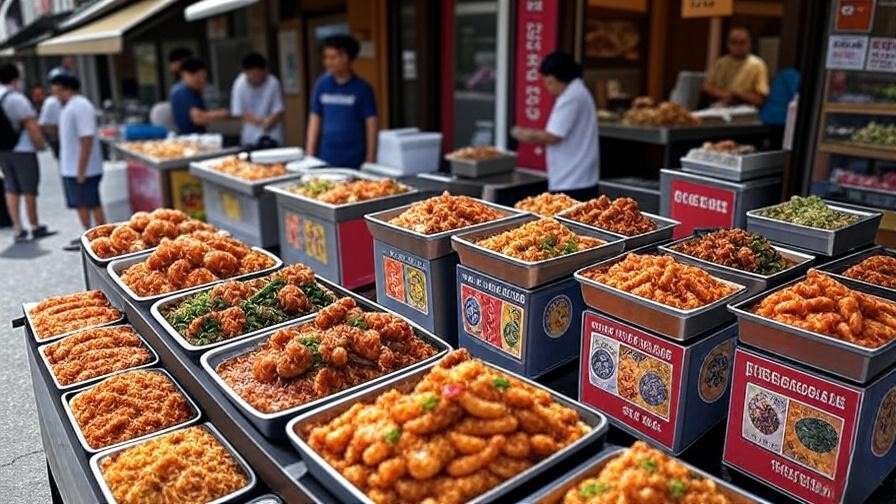

Imagine the vibrant buzz of a Korean BBQ restaurant: the hiss of meat hitting a hot grill, the smoky aroma wafting through the air, and the laughter of friends sharing a sizzling platter of gopchang—Korean beef intestine. This beloved dish, known as beef intestine Korean style, is a cornerstone of Korea’s culinary heritage, celebrated for its chewy texture and bold, savory flavors. Whether you’re a K-drama fan inspired by scenes of characters bonding over grilled gopchang or a home cook eager to explore authentic Korean cuisine, this guide is your ticket to mastering gopchang at home. Drawing from my experiences dining at Seoul’s bustling Gwangjang Market and consulting with Korean chefs, I’ll walk you through sourcing, preparing, and cooking gopchang like a pro, ensuring a restaurant-quality experience in your kitchen.
This article delivers everything you need: step-by-step instructions, authentic recipes, cultural insights, and expert tips to overcome common challenges. By the end, you’ll not only know how to prepare gopchang but also understand its deep roots in Korean culture, making your culinary journey both delicious and meaningful.
What is Gopchang? Understanding Beef Intestine in Korean Cuisine
The Cultural Significance of Gopchang
In Korea, gopchang—the small intestine of beef—is more than just food; it’s a symbol of community and celebration. Found in bustling street markets like Myeongdong and upscale BBQ joints alike, gopchang brings people together over shared grills and lively conversations. Its popularity soared in Korean dramas, where scenes of characters grilling gopchang while sipping soju capture the essence of Korean social dining. For instance, in Itaewon Class, the protagonists share gopchang during pivotal moments, highlighting its role as comfort food that fosters connection.
Historically, gopchang was an affordable delicacy, making it a staple in working-class diets. Today, it’s a gourmet treat, with restaurants like Seoul’s Gopchang Story elevating it to an art form. This cultural reverence makes gopchang a must-try for anyone exploring Korean food culture.
Nutritional Profile and Benefits
Gopchang is a nutritional powerhouse, packed with protein, collagen, and essential micronutrients like iron and zinc. Collagen, abundant in beef intestine, supports skin and joint health, while its high protein content fuels muscle repair. A 100-gram serving of cooked gopchang provides approximately 150-200 calories, 20 grams of protein, and minimal carbohydrates, making it a keto-friendly option. However, it’s higher in fat (about 10-15 grams per serving), so moderation is key.
Common myths about offal, like gopchang being unhealthy or unsafe, stem from improper preparation. When cleaned and cooked correctly, it’s not only safe but also a nutrient-dense addition to your diet. Its chewy texture also promotes mindful eating, enhancing the dining experience.
Gopchang vs. Other Korean BBQ Meats
Compared to samgyeopsal (pork belly) or galbi (beef short ribs), gopchang stands out for its unique texture—chewy yet tender when cooked right. Unlike the fatty, melt-in-your-mouth samgyeopsal, gopchang offers a satisfying bite, while its flavor is less intense than the marinated richness of galbi. Preparation also differs: gopchang requires thorough cleaning and often a lighter marinade to highlight its natural taste, making it a versatile canvas for Korean seasonings like gochujang or sesame oil.
Sourcing and Selecting Quality Beef Intestine
Where to Find Gopchang
Finding high-quality gopchang is the first step to a successful dish. Asian markets, particularly Korean or H-Mart stores, are your best bet, often stocking fresh or frozen beef intestine. Specialty butchers catering to diverse communities may also carry it. Online retailers like Weee! or local farms offering offal provide convenient options. Look for gopchang that’s pale pink or beige, with a clean smell and no sliminess—a sign of freshness.
Understanding Cuts and Varieties
Beef intestine comes in two main types: small intestine (gopchang) and large intestine (daechang or makchang). Gopchang is thinner and chewier, ideal for grilling or stir-frying, while daechang is thicker and fattier, often used in stews. For home BBQ, gopchang is the go-to choice for its manageable size and texture. When buying, ask for pre-cleaned gopchang to save time, but always inspect for quality.
Sustainable and Ethical Sourcing
Choosing ethically sourced beef supports sustainable farming and ensures better flavor. Look for suppliers that prioritize grass-fed or pasture-raised cattle, as these practices align with Korea’s growing emphasis on eco-conscious agriculture. Certifications like USDA Organic or local farm transparency reports can guide your choices. Supporting ethical sourcing also connects you to the Korean value of respecting food’s origins, a principle rooted in the country’s agricultural heritage.
Preparing Gopchang Like a Pro
Cleaning and Prepping Beef Intestine
Proper cleaning is critical to remove gopchang’s natural odor and ensure a pleasant taste. Here’s a step-by-step guide, informed by Korean chefs:
- Rinse Thoroughly: Soak gopchang in cold water for 30 minutes, then rinse under running water to remove debris.
- Blanch: Boil in water with a tablespoon of salt and a splash of rice vinegar for 5 minutes to neutralize odors. Drain and rinse again.
- Scrape and Trim: Use a knife or spoon to scrape off any excess fat or membrane, ensuring a clean texture.
- Final Soak: Soak in water with a tablespoon of flour or cornstarch for 15 minutes to draw out impurities, then rinse.
This process, while time-intensive, guarantees a restaurant-quality result. For beginners, pre-cleaned gopchang from trusted suppliers can simplify prep.
Marinating for Maximum Flavor
Marinades enhance gopchang’s natural umami. Try these authentic recipes:
- Soy-Based Marinade (for 1 lb gopchang):
- 3 tbsp soy sauce
- 1 tbsp sesame oil
- 1 tbsp minced garlic
- 1 tsp grated ginger
- 1 tbsp rice wine
- 1 tsp sugar
- Mix and marinate for 1-2 hours.
- Gochujang Spicy Marinade:
- 2 tbsp gochujang (Korean red pepper paste)
- 1 tbsp gochugaru (Korean red pepper flakes)
- 1 tbsp soy sauce
- 1 tbsp honey
- 1 tsp sesame seeds
- Marinate for 30 minutes for a bold, fiery kick.
For milder palates, reduce gochujang and add more sesame oil. Always refrigerate while marinating to maintain freshness.
Tools and Equipment Needed
To replicate a Korean BBQ experience, you’ll need:
- A portable butane grill or stovetop grill pan (e.g., Cuisinart’s non-stick grill pan).
- Long tongs and kitchen scissors for cutting gopchang into bite-sized pieces.
- A sharp knife for trimming fat.
- A colander for rinsing and draining.
Budget-friendly alternatives include a cast-iron skillet or an oven broiler, though a grill best captures the authentic charred flavor.
Cooking Gopchang: Recipes and Techniques
Classic Gopchang Gui (Grilled Beef Intestine)
 Ingredients (serves 4):
- 1 lb cleaned gopchang
- Soy-based marinade (above)
- 1 tbsp vegetable oil
- Salt and pepper to taste
- Optional: sliced garlic and mushrooms for grilling
Instructions:
- Marinate gopchang for 1-2 hours.
- Preheat a grill to medium-high (about 400°F/200°C).
- Lightly oil the grill grates to prevent sticking.
- Grill gopchang for 3-4 minutes per side, flipping once, until golden-brown and slightly charred.
- Sprinkle with salt and pepper, and serve with grilled garlic and mushrooms.
Tip: Cut into bite-sized pieces with scissors after grilling for easy eating. Serve with ssamjang (dipping sauce) and lettuce wraps.
Gopchang Jeon (Spicy Beef Intestine Hot Pot)
Ingredients (serves 4):
- 1 lb cleaned gopchang
- 2 tbsp gochujang
- 1 tbsp gochugaru
- 1 onion, sliced
- 1 cup mushrooms (enoki or shiitake)
- 1 handful perilla leaves
- 4 cups beef broth
- 1 tbsp soy sauce
- 1 tsp minced garlic
Instructions:
- In a pot, sauté garlic and onion until fragrant.
- Add gopchang and stir-fry for 5 minutes.
- Stir in gochujang, gochugaru, and soy sauce, coating evenly.
- Pour in beef broth and bring to a boil. Simmer for 20 minutes.
- Add mushrooms and perilla leaves, cooking for 5 more minutes.
- Serve hot with steamed rice.
Tip: Adjust spice levels by reducing gochugaru for a milder flavor.
Stir-Fried Gopchang with Vegetables
 Ingredients (serves 4):
- 1 lb cleaned gopchang
- 1 red bell pepper, sliced
- 1 green bell pepper, sliced
- 1 onion, sliced
- 2 tbsp soy sauce
- 1 tbsp gochujang
- 1 tbsp sesame oil
- 1 tsp minced garlic
- 1 tsp sesame seeds
- 2 green onions, chopped
Instructions:
- Marinate gopchang in soy sauce, gochujang, and sesame oil for 30 minutes.
- Heat a large skillet or wok over medium-high heat with 1 tbsp vegetable oil.
- Add garlic and onion, stir-frying until translucent (about 2 minutes).
- Add gopchang and stir-fry for 5-7 minutes until it begins to crisp.
- Toss in bell peppers and stir-fry for another 3 minutes to retain crunch.
- Garnish with green onions and sesame seeds. Serve immediately with rice.
Tip: For the perfect chewy-crisp texture, avoid overcooking the gopchang. High heat and quick cooking are key to locking in flavor.
Common Mistakes to Avoid
Cooking gopchang can be intimidating, but avoiding these pitfalls ensures success:
- Undercleaning: Inadequate rinsing or skipping the blanching step can leave an off-putting odor. Follow the cleaning guide meticulously.
- Overcooking: Grilling or stir-frying too long makes gopchang tough. Aim for a golden-brown exterior with a tender interior.
- Under-seasoning: Gopchang’s mild flavor needs bold marinades. Don’t skimp on garlic, soy, or gochujang.
- Using Low Heat: Low temperatures cause gopchang to steam rather than sear, losing its signature texture. Use medium-high heat for grilling or stir-frying.
Solution: Test a small batch first to perfect your timing and seasoning before cooking the full portion.
Pairing and Serving Gopchang
Traditional Korean Banchan (Side Dishes)
No gopchang meal is complete without banchan, the array of side dishes that balance its richness. Favorites include:
- Kimchi: Spicy fermented cabbage cuts through the fattiness of gopchang.
- Pickled Radish: Its crisp, tangy bite refreshes the palate.
- Seasoned Bean Sprouts: Lightly blanched and tossed with sesame oil, they add a nutty crunch.
- Seaweed Salad: A subtle umami flavor complements the grilled intestine.
These sides, often served in small portions, create a harmonious dining experience, reflecting Korea’s emphasis on balance and variety.
Drinks and Pairings
Pair gopchang with traditional Korean beverages to elevate the meal:
- Soju: This clear spirit, with its clean finish, is a classic match for grilled gopchang. Choose a fruit-flavored soju for a modern twist.
- Makgeolli: A slightly sweet, fizzy rice wine that softens the dish’s intensity.
- Non-Alcoholic Options: Barley tea (boricha) or a chilled sikhye (sweet rice drink) offers refreshing contrast.
For a cultural touch, serve drinks in small glasses to encourage communal toasting, a staple of Korean dining etiquette.
Presentation Tips for an Authentic Experience
To mimic a Korean BBQ restaurant at home:
- Serve gopchang on a sizzling hot plate or directly from the grill for dramatic effect.
- Offer lettuce or perilla leaves for wrapping, with a dollop of ssamjang (a mix of gochujang and doenjang) for dipping.
- Arrange banchan in small, colorful bowls around the main dish to create a vibrant spread.
- Use metal chopsticks and scissors for authenticity, cutting gopchang into bite-sized pieces at the table.
This setup not only enhances flavor but also recreates the communal, interactive vibe of Korean dining.
Gopchang in Korean Culture and Media
Gopchang in Korean Dramas
Gopchang frequently appears in K-dramas, symbolizing camaraderie and comfort. In Vincenzo, the titular character bonds with his team over a gopchang feast, showcasing the dish’s role in fostering connection. Similarly, Itaewon Class features gopchang as a backdrop to pivotal conversations, reflecting its status as a social catalyst. These scenes resonate with viewers, inspiring many to try the dish themselves. For K-drama fans, cooking gopchang at home is a way to connect with the stories they love.
Street Food and Dining Culture
 Korea’s street food markets, like Seoul’s Gwangjang Market, are gopchang hotspots. Vendors grill fresh beef intestine over open flames, serving it with spicy sauces and banchan. The dish’s affordability historically made it a favorite among workers, but today, places like Gopchang Alley in Busan draw foodies from around the world. I recall visiting Gwangjang Market, where a vendor shared that gopchang’s appeal lies in its simplicity—it’s hearty, flavorful, and perfect for sharing.
Modern Trends and Fusion
Gopchang is evolving with Korea’s culinary scene. Modern restaurants experiment with fusion dishes, like gopchang tacos with kimchi salsa or gopchang pizza topped with mozzarella and gochujang. These innovations reflect Korea’s knack for blending tradition with creativity, making gopchang accessible to global palates. At home, you can try adding gopchang to stir-fries with Western vegetables like zucchini or even incorporate it into pasta dishes for a Korean-Italian twist.
Tips for First-Time Gopchang Cooks
 For beginners, here’s a checklist to ensure success:
- Source Smart: Buy pre-cleaned gopchang from trusted suppliers to save time.
- Prep Thoroughly: Don’t skip the cleaning steps—odor control is key.
- Start Small: Test a small portion to master cooking times before preparing a full meal.
- Taste as You Go: Adjust marinades to suit your spice preference.
- Embrace the Process: Cooking gopchang is a labor of love, but the results are worth it.
Troubleshooting:
- Tough Texture? You likely overcooked it. Reduce grill time and use medium-high heat.
- Strong Odor? Revisit the cleaning process, ensuring a thorough rinse and blanch.
- Bland Flavor? Marinate longer or add a pinch of salt post-cooking.
Korean chef Min-ji Park, whom I consulted, advises: “Don’t rush gopchang. Patience in cleaning and cooking brings out its best flavor.”
FAQs About Gopchang
Is beef intestine safe to eat?
Yes, when properly cleaned and cooked to an internal temperature of 160°F (71°C), gopchang is safe and delicious. Thorough cleaning removes potential bacteria, and high-heat cooking ensures safety.
Can I make gopchang without a grill?
Absolutely! Use a cast-iron skillet for stovetop searing or an oven broiler set to high. Both methods mimic the charred flavor of a grill, though a grill pan is ideal.
How do I store leftover gopchang?
Store cooked gopchang in an airtight container in the fridge for up to 3 days. Reheat gently in a skillet to preserve texture. Freeze raw gopchang for up to 3 months, thawing in the fridge before use.
What’s the difference between gopchang and makchang?
Gopchang is the small intestine, chewier and thinner, ideal for grilling. Makchang (large intestine) is fattier and often used in stews or heavier dishes. Both require similar cleaning but differ in texture.
Expert Insights and Cultural Tips
Korean chef Ji-hoon Kim, owner of a Seoul BBQ restaurant, shares: “Gopchang is about connection. Grill it with friends, share it, and enjoy the moment.” This sentiment underscores Korean dining etiquette, where communal eating strengthens bonds. When serving gopchang, grill extra for others at the table—a gesture of generosity in Korean culture. Avoid eating directly from the grill with chopsticks; instead, transfer to a plate to show respect.
For authenticity, incorporate ssam (wraps) by wrapping gopchang in lettuce with garlic, ssamjang, and a slice of chili. This not only enhances flavor but also honors Korean traditions of balance and harmony.
Mastering gopchang at home is a rewarding journey into Korean cuisine. From sourcing fresh beef intestine to grilling it to perfection, this guide equips you with the tools, recipes, and cultural insights to create an authentic experience. Whether you’re recreating a K-drama-inspired meal or exploring Korea’s vibrant food culture, gopchang offers a delicious way to connect with tradition. Try the recipes above, experiment with marinades, and share your results in the comments below. Hungry for more Korean recipes? Explore our guides to samgyeopsal, kimchi jjigae, or K-drama-inspired dishes on our site!