
Picture yourself curled up on the couch, engrossed in the latest K-drama romance, a glass of vibrant Korean wine in hand, its fruity notes perfectly complementing the heartfelt confessions on screen. Sounds like the ultimate evening, right? Korean wines, with their unique flavors and deep cultural roots, are quickly becoming a must-try for K-drama enthusiasts and culture lovers alike. As the Hallyu wave sweeps the globe, these wines offer a delicious way to dive deeper into Korean culture, bridging tradition with modern sophistication. In this guide, we’ll explore the world of Korean wines, from their fascinating varieties to perfect pairings for your next K-drama marathon, ensuring you elevate your viewing experience with every sip.
Whether you’re new to Korean beverages or a seasoned soju sipper, this article will uncover the history, varieties, and cultural significance of Korean wines, alongside practical tips for selecting and enjoying them. By the end, you’ll be ready to host an unforgettable K-drama watch party, complete with expertly paired wines and snacks that capture the essence of Korea’s vibrant culture.
The Rise of Korean Wines in Global Culture

A Brief History of Winemaking in Korea
Korean winemaking may surprise those who associate the country with soju or makgeolli, but its roots stretch back centuries, blending ancient fermentation techniques with modern viticulture. Traditionally, Koreans crafted fruit-based alcohols like bokbunja (black raspberry wine) using local ingredients, a practice tied to medicinal and ceremonial uses. Grape-based winemaking, however, emerged in the 20th century, spurred by Western influences and agricultural innovation. By the 1970s, commercial wineries like those in Yeongdong began cultivating grapes such as Campbell Early and Muscat Bailey A, laying the foundation for today’s thriving industry.
Today, wineries like Halla Mountain Winery on Jeju Island showcase Korea’s commitment to quality, producing wines that rival global counterparts. This evolution reflects Korea’s knack for blending tradition with modernity, a theme fans of K-dramas will recognize in stories of heritage and progress.
Why Korean Wines Are Gaining Popularity
The global Hallyu wave, fueled by K-dramas like Crash Landing on You and Itaewon Class, has spotlighted Korean culture, including its cuisine and beverages. Korean wines are riding this wave, captivating audiences with their approachable flavors and cultural storytelling. Unlike heavier Western wines, Korean varieties often lean lighter and fruitier, appealing to younger drinkers and those new to wine. Data from the Korea Wine Association shows a 15% annual increase in wine exports from 2018 to 2024, reflecting growing demand in markets like the U.S. and Europe.
Their affordability also makes them a hit—many quality Korean wines retail for under $20, compared to pricier European labels. For K-drama fans, sipping a glass of bokbunja while watching a romantic scene feels like stepping into the story, making these wines a cultural bridge for global audiences.
Understanding Korean Wine Varieties
Grape-Based Korean Wines
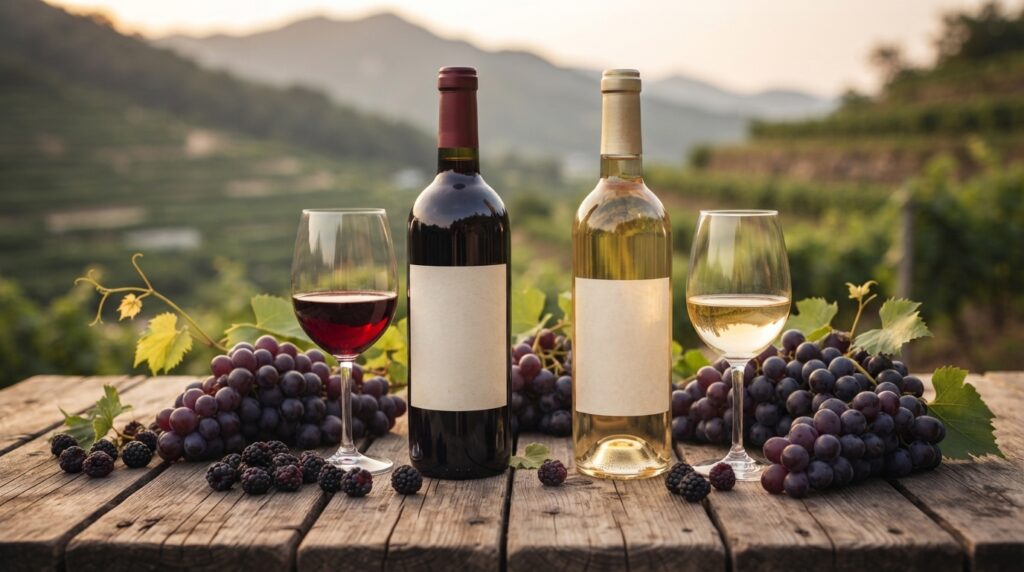
Korea’s grape wines are crafted from unique varieties suited to its climate. Campbell Early, a red grape, produces wines with bright, jammy flavors, while Muscat Bailey A offers floral, sweet notes perfect for casual sipping. For example, Cheongsu wine from Gyeongsangbuk-do boasts crisp, apple-like qualities, making it an ideal companion for a light K-drama evening. These wines tend to be less tannic than Western reds, offering a smooth entry point for beginners.
Winemakers in regions like Yeongdong have honed their craft, using cool-climate viticulture to create balanced, refreshing wines. Their approachable profiles make them a favorite for K-drama fans seeking a drink that complements emotional storytelling without overpowering the palate.
Fruit and Hybrid Wines
Korea’s fruit wines are a cultural treasure, often stealing the spotlight in K-drama scenes of celebration or romance. Bokbunja, made from black raspberries, is a star player, with its rich, sweet-tart profile that pairs beautifully with desserts or spicy Korean dishes. Plum wine (maesil-ju) offers a lighter, floral alternative, often featured in dramas as a symbol of hospitality.
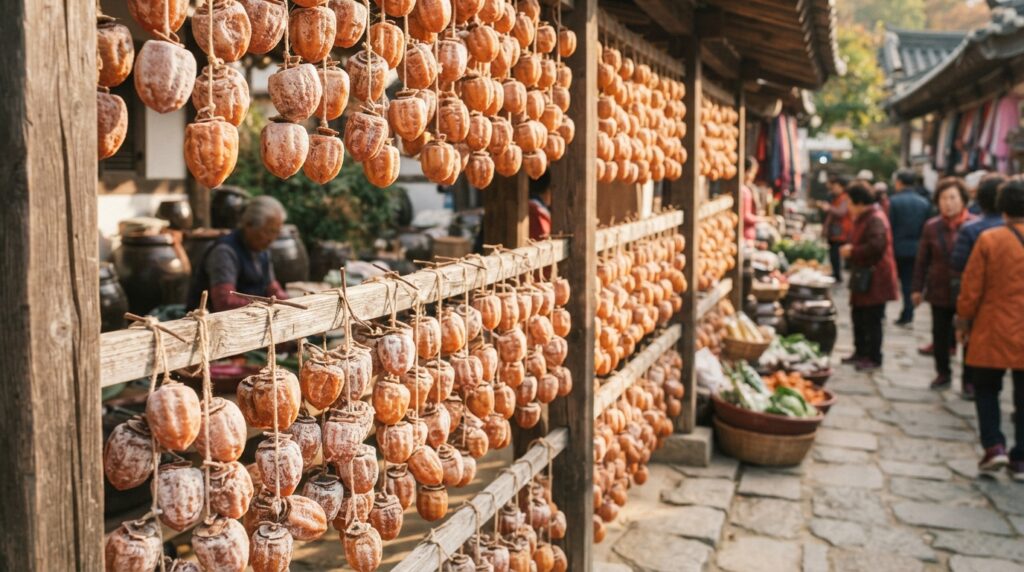
These wines reflect Korea’s agricultural heritage, using local fruits to create bold yet balanced flavors. For instance, persimmon wine, less common but equally delightful, brings earthy sweetness that evokes autumnal K-drama settings. Below is a quick comparison of grape and fruit wines to guide your selection:
| Type | Flavor Profile | Best For |
|---|---|---|
| Grape-Based | Crisp, light, fruity | Casual sipping, light dramas |
| Fruit-Based | Sweet-tart, bold, aromatic | Romantic scenes, bold snacks |
Regional Differences in Korean Wines
Korea’s diverse terroir shapes its wines, with key regions like Yeongdong and Jeju Island leading the charge. Yeongdong, often called the “Napa Valley of Korea,” benefits from cool climates and mineral-rich soils, producing elegant grape wines. Jeju Island, home to Halla Mountain Winery, leverages volcanic soil for distinctive fruit wines like those made from hallabong (a citrus hybrid).
These regional differences mirror the varied settings of K-dramas, from bustling Seoul to serene countryside estates. According to sommelier Park Ji-hoon of Seoul’s VinKultur, “Yeongdong’s Campbell Early wines capture the crisp freshness of Korea’s mountains, while Jeju’s fruit wines embody the island’s vibrant spirit.” Exploring these regions through their wines adds depth to your K-drama experience.
Perfect Pairings: Korean Wines and K-Drama Vibes
Pairing Wines with K-Drama Genres
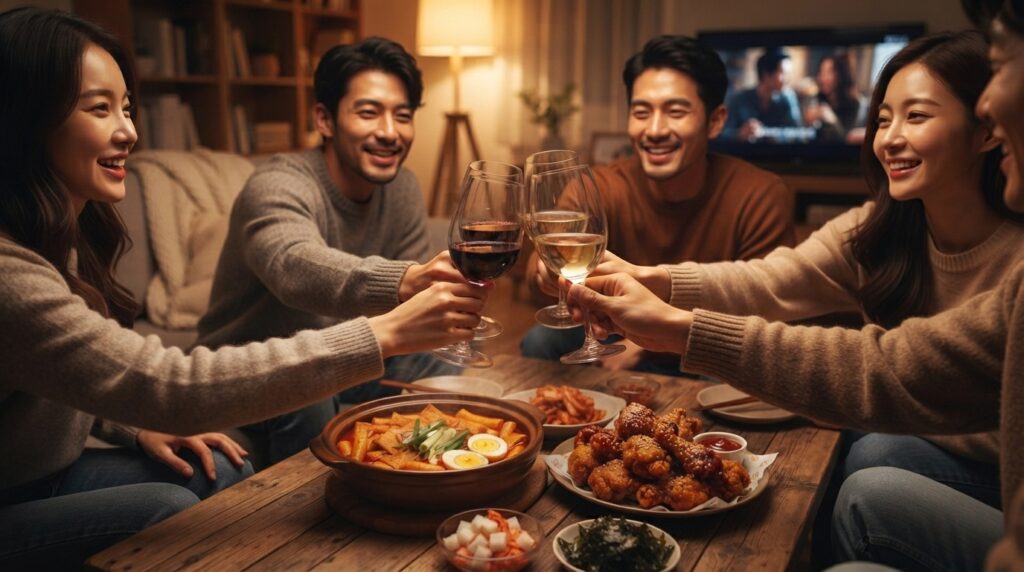
Every K-drama genre deserves a wine to match its mood. For romantic dramas like What’s Wrong with Secretary Kim, bokbunja’s sweet-tart richness enhances heartfelt confessions. Historical epics like Mr. Sunshine call for a dry Muscat Bailey A, its subtle complexity complementing intricate plots. For action-packed thrillers like Vincenzo, try a crisp Cheongsu white to balance the intensity.
These pairings aren’t just about taste—they create an immersive experience. Imagine sipping a floral plum wine during a tender scene in Goblin, its delicate notes echoing the drama’s ethereal romance. Experimenting with these combinations elevates your watch party to a cultural event.
Korean Wines with Classic Korean Snacks
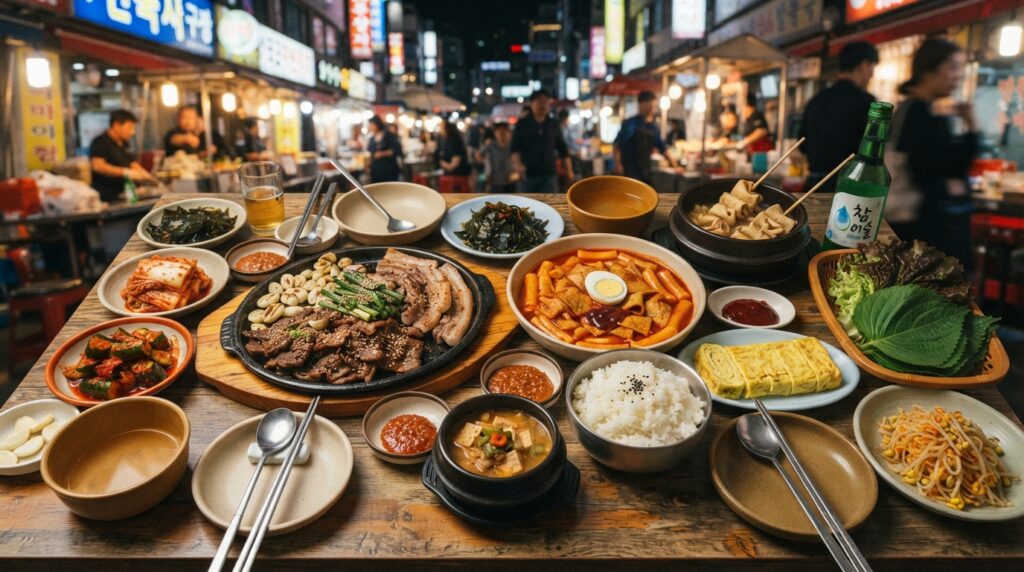
K-drama marathons aren’t complete without iconic snacks like tteokbokki, ramyeon, or fried chicken. Korean wines shine here, cutting through bold flavors with ease. Bokbunja pairs beautifully with spicy tteokbokki, its sweetness tempering the heat. For savory ramyeon, a light Campbell Early red adds a fruity counterpoint. Fried chicken, a K-drama staple, loves the crisp acidity of Jeju’s hallabong wine.
Quick Recipe: K-Drama Tteokbokki
- Ingredients: Rice cakes (tteok), red pepper paste, fish cakes, sesame seeds.
- Steps: Boil rice cakes, mix with a sauce of red pepper paste, soy sauce, and sugar, then garnish with sesame seeds. Pair with bokbunja for a perfect bite.
Hosting a K-Drama Watch Party with Korean Wines
Transform your next K-drama night into a cultural celebration with these steps:
- Select Wines: Choose a mix of grape (Cheongsu) and fruit (bokbunja) wines for variety.
- Curate Snacks: Include tteokbokki, seaweed snacks, and banchan for authenticity.
- Set the Mood: Play a K-drama OST playlist (e.g., Crash Landing on You soundtrack) and use wine glasses to elevate the vibe.
- Theme It: For a Vincenzo watch party, pair a bold Campbell Early red with spicy fried chicken and dim lighting for mafia-drama flair.
This setup not only enhances your viewing but also immerses guests in Korean culture, making your watch party unforgettable.
Where to Find and Buy Korean Wines

Top Korean Wineries to Explore
Korea boasts several standout wineries. Oknamju Winery in Yeongdong crafts award-winning Campbell Early reds, while Halla Mountain Winery on Jeju specializes in hallabong and plum wines. Granmonte Korea, a newer player, offers premium grape wines with international appeal. Many wineries offer virtual tours, letting fans explore Korea’s wine culture from home.
Online Retailers and Global Availability
Finding Korean wines abroad is easier than ever. Retailers like H-Mart and online platforms like Koryo Liquor stock authentic options. For U.S. buyers, Wine.com occasionally carries bokbunja and Cheongsu. Check labels for authenticity—look for Korean script and winery names. Import restrictions can complicate availability, so plan ahead for international shipping.
Checklist for Authentic Korean Wines:
- Verify the winery name (e.g., Halla Mountain, Oknamju).
- Look for Korean-language labeling.
- Avoid overly cheap generics, which may lack quality.
Budget-Friendly Options for K-Drama Fans
For those on a budget, Korean wines like Majuang Red (around $15) or Jeju’s hallabong wine ($12-$18) offer great value. Compared to soju, which averages $10 per bottle, wines provide a sophisticated yet affordable alternative. Stock up during sales at Asian markets for the best deals.
Cultural Significance of Korean Wines in K-Dramas
Wines as Symbols in K-Drama Storytelling
Korean wines often play a subtle yet powerful role in K-dramas, enhancing emotional moments and cultural narratives. In Goblin, a glass of bokbunja shared between the immortal goblin and his love interest underscores a moment of vulnerability, its deep red hue mirroring the scene’s emotional weight. Similarly, in Itaewon Class, wine appears during pivotal business dinners, symbolizing ambition and sophistication in modern Korea. These moments resonate with fans, as wines elevate everyday scenes into cultural touchstones, reflecting Korea’s blend of tradition and modernity.
For K-drama viewers, recognizing these wines adds depth to the storytelling. A bottle of plum wine on a family table might signal warmth and togetherness, while a sleek grape wine in a corporate setting hints at global aspirations. This symbolism makes Korean wines more than just a beverage—they’re a narrative device that K-drama fans can connect with in their own lives.
Bridging Tradition and Modernity
Korean wines embody the balance of old and new that defines much of Korean culture. Fruit wines like bokbunja draw on centuries-old fermentation techniques, often tied to medicinal practices in Joseon-era Korea. Meanwhile, grape wines reflect modern innovation, with wineries adopting global standards while using local grapes like Campbell Early. This duality mirrors K-drama themes, where characters often navigate traditional values and contemporary ambitions, as seen in dramas like Mr. Sunshine or My Liberation Notes.
Dr. Kim Soo-hyun, a cultural historian at Seoul National University, notes, “Korean wines are a microcosm of Korea’s cultural evolution, blending ancestral knowledge with global influences.” For fans, sipping these wines while watching K-dramas feels like participating in this cultural dialogue, making the experience both immersive and authentic.
Tips for Enjoying Korean Wines
Choosing the Right Korean Wine for You
Selecting a Korean wine can feel daunting, but it’s all about matching your taste to the occasion. If you love sweet, vibrant flavors, bokbunja or plum wine is a great start, offering bold fruitiness perfect for casual K-drama nights. For a more refined sip, try a Campbell Early red or Cheongsu white, which balance fruit and acidity for a smoother experience. Pay attention to sweetness levels—fruit wines often lean sweeter, while grape wines vary from dry to semi-sweet.
Beginner’s Tasting Guide:
- Bokbunja: Look for rich berry and slight tartness, ideal for romantic dramas.
- Cheongsu White: Expect crisp apple and citrus notes, great for lighter genres.
- Campbell Early Red: Seek jammy, soft flavors for historical or action dramas.
Tasting notes like these help beginners feel confident, ensuring they pick a wine that enhances their K-drama experience without overwhelming their palate.
Storing and Serving Korean Wines
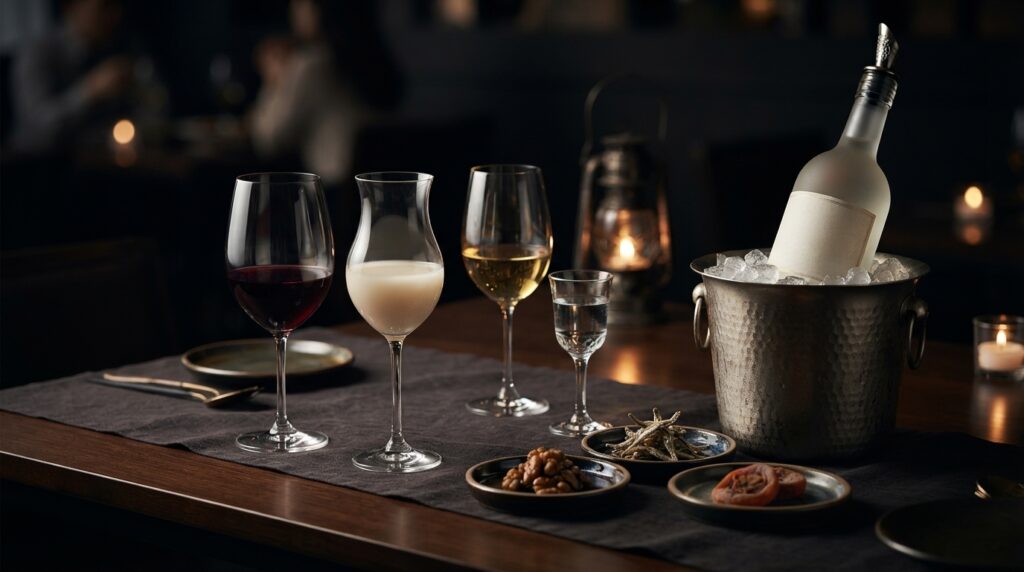
Proper storage and serving elevate your wine experience. Store Korean wines in a cool, dark place (50-60°F) to preserve their flavors, especially for fruit wines, which can degrade if exposed to heat. Grape wines like Muscat Bailey A benefit from slight chilling (45-50°F), while bokbunja shines at room temperature to highlight its bold fruitiness.
Use tulip-shaped glasses for fruit wines to concentrate their aromas, and standard wine glasses for grape varieties. Serve whites chilled (40-45°F) and reds slightly cooler than room temperature (55-60°F). Below is a quick reference for serving temperatures:
| Wine Type | Ideal Serving Temp | Glassware |
|---|---|---|
| Bokbunja | 60-65°F | Tulip glass |
| Cheongsu White | 40-45°F | Standard white glass |
| Campbell Early Red | 55-60°F | Standard red glass |
These tips ensure your Korean wines taste their best, making your K-drama nights feel like a cultural celebration.
Frequently Asked Questions (FAQs)
What makes Korean wines different from Western wines?
Korean wines stand out for their lighter, fruit-forward profiles and unique ingredients like black raspberries or hallabong. Unlike the often o
aky, tannic Western wines, Korean grape wines are fresher, while fruit wines offer bold, sweet-tart flavors rooted in local traditions.
Are Korean wines expensive?
Not at all! Many quality Korean wines, like Majuang Red or Jeju’s hallabong wine, retail for $12-$20, making them more affordable than many European labels. Prices vary by region, but Asian markets often offer budget-friendly options.
Can I find Korean wines outside Korea?
Yes, retailers like H-Mart, Koryo Liquor, and Wine.com stock Korean wines in the U.S. and Europe. Check for authentic labels with Korean script and reputable winery names to avoid imitations.
What foods pair best with Korean wines?
Bokbunja pairs wonderfully with spicy tteokbokki or desserts, while Campbell Early reds complement savory ramyeon or fried chicken. Plum wine enhances lighter banchan or seafood dishes, perfect for K-drama snacks.
How do I host a K-drama wine night?
Curate a mix of grape and fruit wines, pair them with K-drama snacks like tteokbokki, and play an OST playlist. Theme the night around a specific drama (e.g., Vincenzo with bold reds) for an immersive experience.
Korean wines are more than just a beverage—they’re a gateway to the heart of Korean culture, blending tradition and modernity in every sip. For K-drama fans, these wines elevate watch parties, deepen cultural connections, and bring the romance and drama of Seoul’s streets or Jeju’s vineyards to life. From the sweet-tart allure of bokbunja to the crisp elegance of Cheongsu, there’s a Korean wine for every mood and moment. So, grab a bottle, queue up your favorite K-drama, and let the flavors transport you.
What’s your favorite Korean wine and K-drama pairing? Share in the comments below, and join our newsletter for more tips on exploring Korean culture through food, drink, and drama!