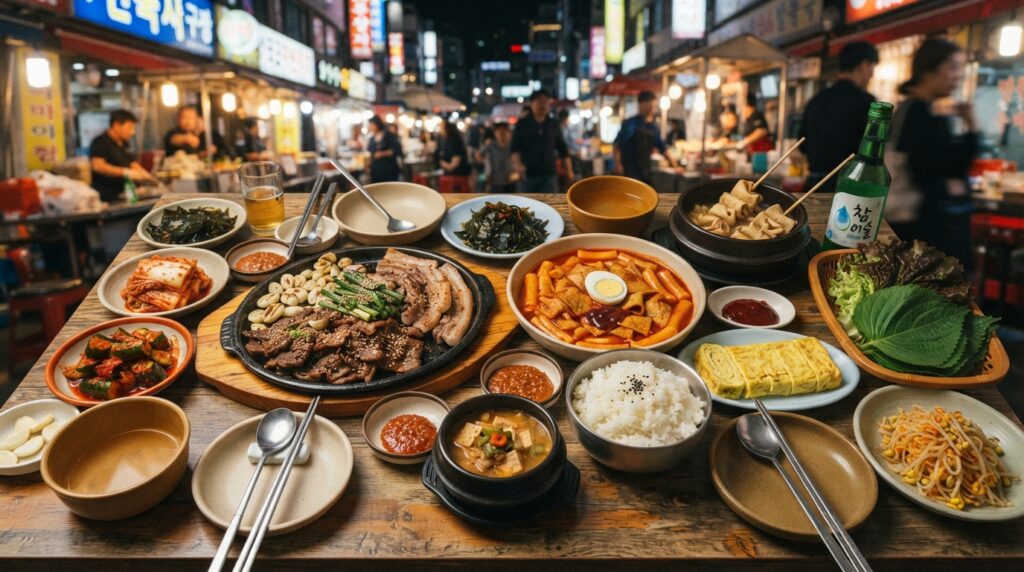
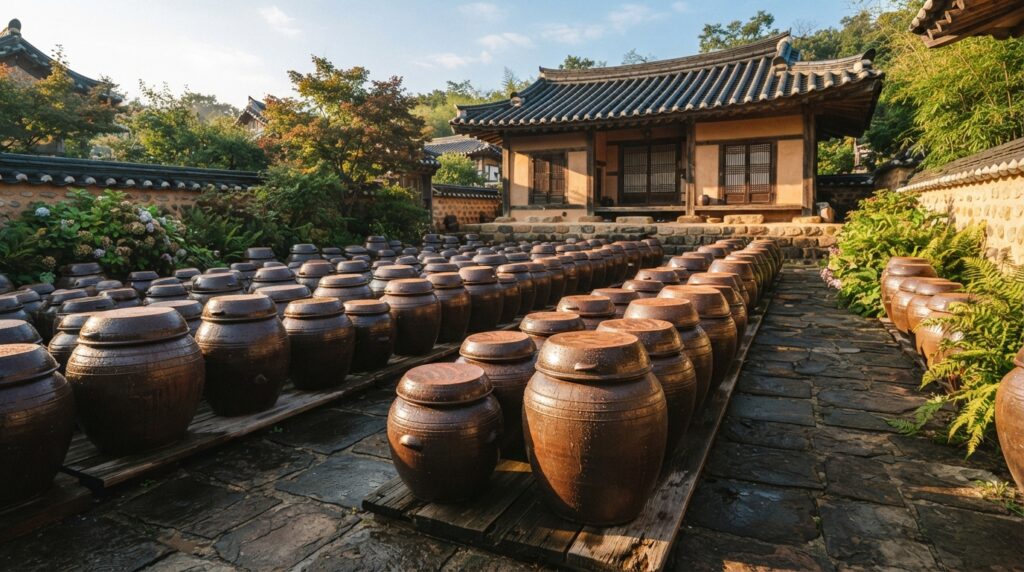
Imagine stepping into a sun-dappled Korean courtyard, where rows of onggi Korean pottery—earthenware vessels with earthy hues—stand proudly, their lids glistening with morning dew. Inside, kimchi ferments, its tangy aroma mingling with the air, a testament to centuries of tradition. These pots, known as onggi, are more than kitchen tools; they are the heartbeat of Korean culinary and cultural heritage. As a cultural historian who has explored Korea’s pottery villages and interviewed master artisans, I invite you to discover onggi Korean—its history, craftsmanship, and vibrant role in modern life. Whether you’re a K-drama fan, a foodie, or a cultural enthusiast, this guide will show you why onggi matters and how it can enrich your life.
In this article, we’ll uncover the origins of onggi, explore its craftsmanship, and reveal its significance in Korean cuisine and pop culture. You’ll learn how to incorporate onggi into your home, from fermenting authentic kimchi to using these pots as stunning decor. With practical tips, expert insights, and a deep dive into its global appeal, this skyscraper guide aims to be your ultimate resource on onggi Korean pottery.
What is Onggi? Understanding Korean Pottery
Definition and Origins
Onggi refers to traditional Korean earthenware, handcrafted from porous clay and fired at high temperatures to create durable, breathable vessels. These pots have been a cornerstone of Korean households for over a millennium, used primarily for storing and fermenting foods like kimchi, gochujang (red chili paste), and doenjang (soybean paste). Archaeological evidence, such as pottery shards from the Three Kingdoms period (57 BCE–668 CE), reveals onggi’s ancient roots. Unlike glazed ceramics, onggi’s unglazed or minimally glazed surface allows air circulation, making it ideal for fermentation—a process central to Korean cuisine.
The term onggi derives from the Korean word for “earthenware,” reflecting its humble yet essential role. Crafted from locally sourced clay, often from regions like Mungyeong or Yeoju, onggi embodies Korea’s connection to its land. Its significance extends beyond utility, representing resilience and resourcefulness in Korean culture.
Cultural Significance in Korean History
For centuries, onggi pots lined the courtyards of Korean homes, from rural farms to royal palaces. They were indispensable for preserving food through harsh winters, ensuring families had nourishing staples year-round. Historical texts, such as the Sejong Sillok (Chronicles of King Sejong), mention onggi in royal kitchens, underscoring its prestige. These pots were also symbols of community, as families gathered to prepare and share fermented foods.
Onggi’s cultural weight is evident in rituals and traditions. For example, during jangdokdae (a raised platform for onggi pots), families maintained their culinary legacy, passing down recipes through generations. Today, onggi remains a touchstone of Korean identity, celebrated in museums and cultural festivals.
The Craftsmanship Behind Onggi Korean Pottery
Traditional Materials and Techniques
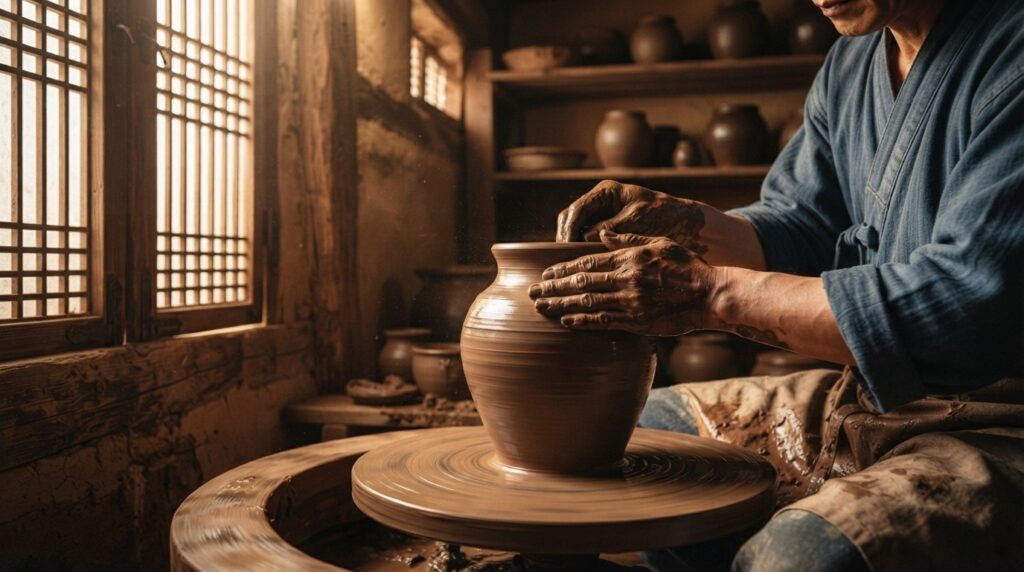
Creating onggi is an art steeped in tradition. Artisans source clay from Korea’s riverbeds, rich in minerals that give onggi its distinctive texture. The process begins with hand-throwing or coiling, where potters shape the clay on a wheel or by hand, a skill honed over decades. The pots are then fired in wood-burning kilns at temperatures exceeding 1,200°C, a process that can take days. Natural glazes, often derived from ash or clay slips, enhance durability while maintaining breathability.
Regions like Mungyeong, a hub for onggi production, are renowned for their master potters. I had the privilege of visiting a Mungyeong workshop, where artisan Kim Young-soo explained, “Onggi is alive—it breathes with the food it holds, connecting us to our ancestors.” This hands-on insight underscores the meticulous care behind each piece.
Modern Innovations in Onggi Making
While tradition remains at onggi’s core, modern artisans are adapting to contemporary needs. Some use electric kilns for consistency, while others experiment with eco-friendly glazes to reduce environmental impact. In Seoul, studios like those in Insadong blend traditional techniques with modern aesthetics, creating onggi that doubles as art. Sustainability is a key focus, with potters sourcing clay responsibly to preserve Korea’s natural resources.
These innovations ensure onggi remains relevant. For instance, some artisans craft smaller pots for urban households, catering to city dwellers eager to ferment their own kimchi. This balance of heritage and modernity keeps onggi thriving.
Expert Insight: Potter Park Ji-hoon, a Mungyeong-based artisan, notes, “Modern onggi respects tradition but adapts to today’s lifestyles, making it accessible to everyone, from rural cooks to global chefs.”
Onggi in Korean Cuisine and Daily Life
Fermentation and Food Preservation
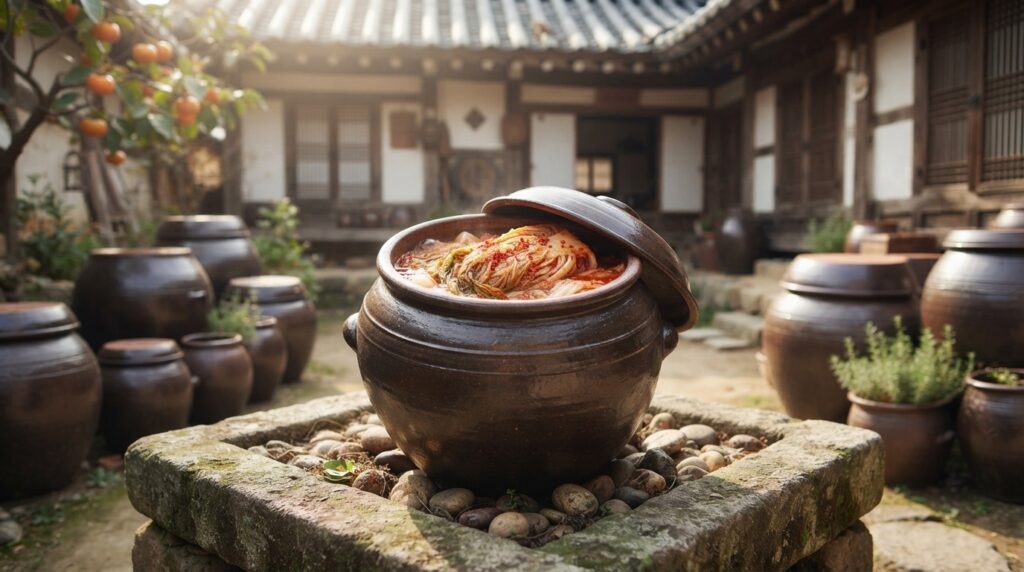
Onggi’s porous structure is a game-changer for fermentation. The clay allows just enough air to circulate, fostering the growth of beneficial bacteria while preventing spoilage. This makes onggi ideal for fermenting staples like kimchi, doenjang, and ganjang (soy sauce). The result? Deeper, richer flavors that plastic or metal containers can’t replicate. For example, kimchi fermented in onggi develops a complex, tangy profile prized by Korean chefs.
Tip: If you’re new to fermentation, start with a small onggi pot (1–2 liters) for kimchi. Ensure it’s seasoned by soaking in water for 24 hours before use to enhance breathability. A simple recipe: combine napa cabbage, gochugaru (Korean chili powder), garlic, and salt, then pack tightly in the pot and let it ferment for 1–2 weeks at room temperature.
Beyond the Kitchen: Onggi as Decor and Symbol
Beyond functionality, onggi is a design statement. Its rustic, earthy tones complement modern interiors, from minimalist Seoul apartments to cozy Western homes. Large onggi pots serve as vases or planters, while smaller ones hold utensils or candles. In Korean dramas like Crash Landing on You, onggi often appears in nostalgic village scenes, evoking warmth and tradition.
Case Study: In New York’s Koreatown, restaurant Hanjan uses onggi to store and serve house-made condiments, enhancing authenticity. Diners rave about the aesthetic, proving onggi’s universal appeal.
Onggi’s Role in Modern Korean Culture
Onggi in K-Dramas and Pop Culture
The global Hallyu wave has spotlighted onggi in K-dramas and media. In Kingdom, onggi pots dot rural settings, grounding the story in Korean heritage. Similarly, Mr. Sunshine showcases onggi in historical contexts, resonating with viewers worldwide. These depictions fuel curiosity among fans, who seek to recreate authentic Korean experiences.
SEO Note: Keywords like “onggi in K-dramas” or “Korean pottery in pop culture” can capture this audience, aligning with search intent.
Revival of Onggi in Urban Korea
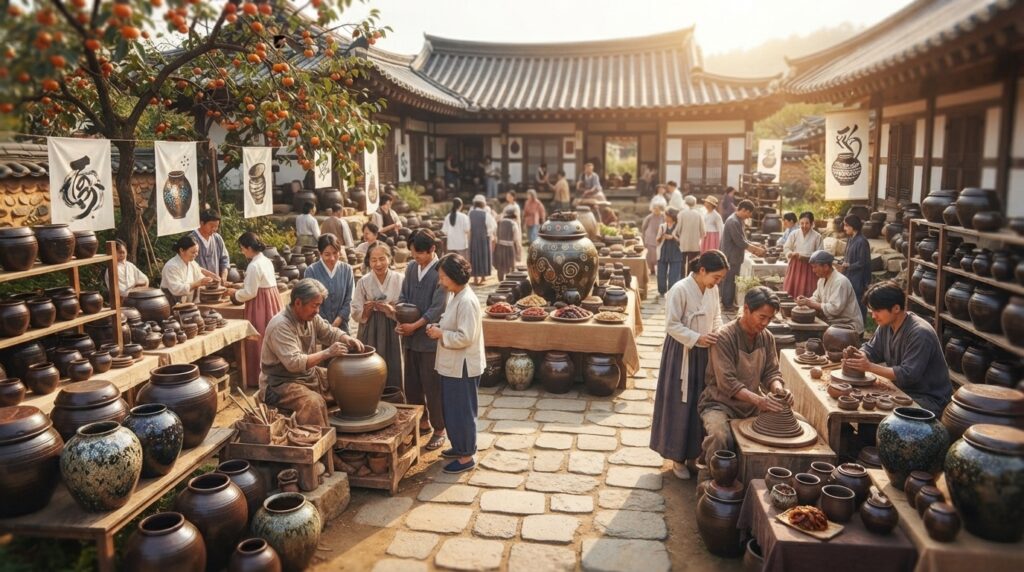
In urban centers like Seoul, onggi is experiencing a renaissance. Young Koreans, driven by cultural pride and sustainability, are rediscovering traditional crafts. Workshops in Bukchon Hanok Village teach onggi making, while the Mungyeong Ceramic Museum offers immersive exhibits. Annual events like the Mungyeong Chasabal Festival draw thousands, celebrating onggi alongside other ceramics.
Expert Tip: Visit Korea’s pottery villages, like Yeoju or Icheon, to see onggi crafting firsthand. Many offer hands-on classes, perfect for cultural enthusiasts.
How to Incorporate Onggi into Your Life
Practical Uses for Home Cooks and Enthusiasts
For those eager to bring onggi Korean pottery into their kitchens, the possibilities are exciting. Authentic onggi pots are ideal for fermenting foods, offering a hands-on way to connect with Korean culinary traditions. Start with a small to medium-sized onggi (1–5 liters) for beginners, perfect for kimchi or doenjang. Trusted vendors like Korea’s Yeoju Ceramic Village or online platforms such as Coupang and Etsy offer high-quality options. When purchasing, ensure the pot is labeled as food-safe and made using traditional methods to guarantee breathability.
Beginner’s Guide to Fermenting with Onggi:
- Choose Your Recipe: Start with classic kimchi. Mix napa cabbage, gochugaru, garlic, ginger, fish sauce (or soy sauce for vegetarians), and salt.
- Prepare the Onggi: Soak the pot in water for 24 hours to season it, enhancing its ability to regulate air and moisture.
- Pack and Ferment: Tightly pack the mixture into the onggi, leaving some headspace. Seal with the lid and store at room temperature (18–22°C) for 1–2 weeks, checking periodically.
- Safety Tip: Burp the pot daily to release gases and prevent pressure buildup. Refrigerate once the desired flavor is reached.
This process not only yields delicious results but also deepens your appreciation for Korean culinary heritage. For those hesitant to ferment, onggi can also store dry goods like grains or spices, maintaining freshness with its natural breathability.
Onggi as Home Decor

Beyond the kitchen, onggi elevates home aesthetics. Its rustic charm suits various interior styles, from Scandinavian minimalism to bohemian eclecticism. Large onggi pots make striking floor vases, filled with dried pampas grass or bamboo, while smaller ones serve as planters for succulents or herbs. In my visit to a Seoul design studio, I saw onggi repurposed as candle holders, their warm clay tones glowing under soft light.
Design Inspiration:
- Minimalist Look: Place a single, glossy onggi on a wooden console table for a clean, modern vibe.
- Rustic Charm: Cluster multiple onggi pots of varying sizes on a patio, filled with seasonal flowers.
- Cultural Statement: Use an oversized onggi as a centerpiece in a Korean-inspired dining room, paired with hanbok fabric napkins.
Example: Sarah, a Toronto-based K-drama fan, bought a medium onggi from an Etsy seller to ferment kimchi. Inspired by its beauty, she now uses it as a living room planter when not fermenting, blending functionality with style. Her story highlights onggi’s versatility, appealing to both foodies and design enthusiasts.
The Global Appeal of Onggi Korean Pottery
Onggi in International Markets
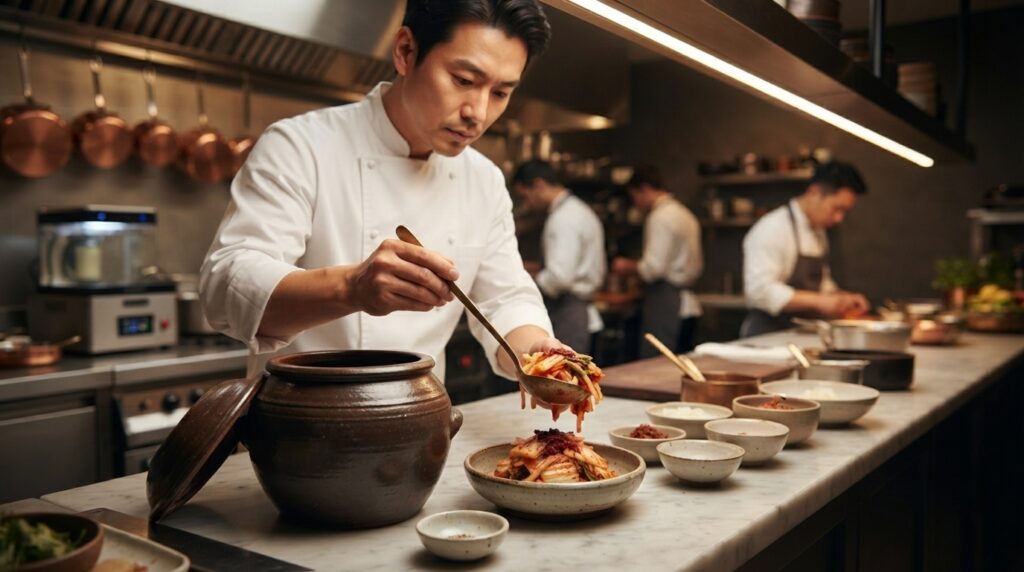
The global rise of Korean cuisine, fueled by the Hallyu wave, has propelled onggi into international spotlight. In cities like New York, London, and Sydney, Michelin-starred Korean restaurants like Atomix and Jungsik use onggi to store and serve house-made ferments, enhancing authenticity. The pots’ ability to elevate flavors has caught the attention of chefs worldwide, from Seoul to San Francisco. According to a 2024 report by the Korea Tourism Organization, exports of traditional Korean pottery, including onggi, grew by 15% in the past year, driven by demand from food enthusiasts and restaurateurs.
For home cooks abroad, onggi is increasingly accessible. Online marketplaces like Amazon and specialty retailers like The Mala Market now stock authentic onggi, often shipped directly from Korea. This accessibility allows global audiences to experiment with Korean fermentation techniques, bridging cultures through food.
Cultural Exchange and Education
Onggi is also a vehicle for cultural exchange. International workshops, such as those hosted by the Korean Cultural Center in Los Angeles, teach onggi-making techniques to diverse audiences. Online platforms like MasterClass and Coursera offer courses on Korean culinary arts, often highlighting onggi’s role. In 2023, the Mungyeong Ceramic Museum launched a virtual tour, showcasing onggi craftsmanship to a global audience, complete with interviews from master potters.
Expert Quote: Chef Hooni Kim of Danji in New York says, “Onggi isn’t just a tool—it’s a cultural bridge. Its unique fermentation process brings Korean flavors to life, inspiring chefs worldwide.” This perspective underscores onggi’s universal appeal, connecting food, art, and heritage.
SEO Note: Incorporate long-tail keywords like “buy authentic Korean onggi online” or “onggi pottery for Korean cooking” to capture search intent from global audiences seeking practical solutions.
Challenges and Future of Onggi Korean Pottery
Preserving Tradition in a Modern World
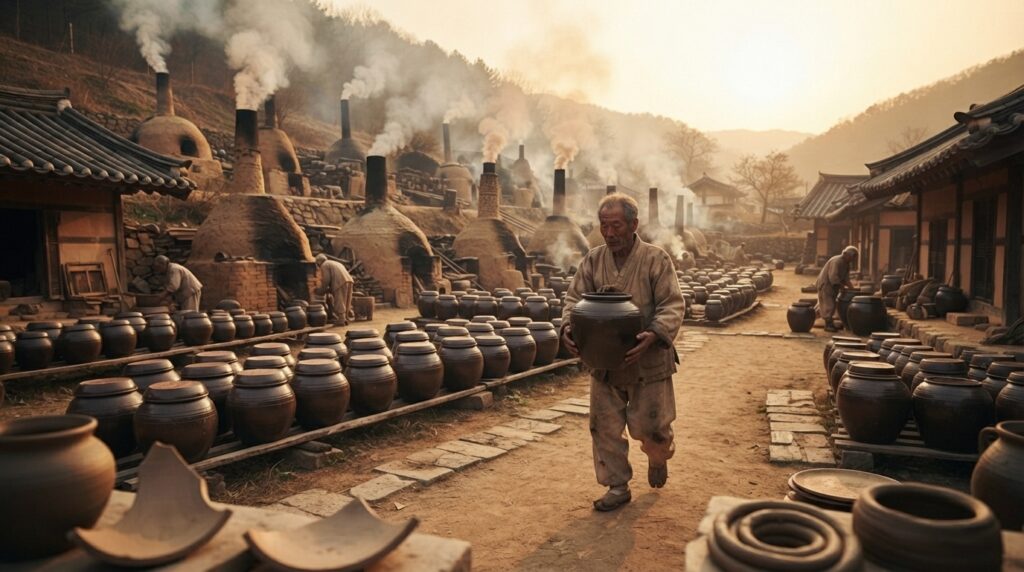
Despite its resurgence, onggi faces challenges. The number of master potters is declining, as younger generations gravitate toward urban careers. Mass-produced plastic containers, cheaper and more convenient, threaten traditional onggi’s market. However, efforts to preserve this craft are robust. The Korean government designated onggi-making as an Intangible Cultural Heritage, providing funding for apprenticeships. Organizations like the Korea Ceramic Foundation support artisans through grants and exhibitions.
In Mungyeong, I met potter Lee Soo-jin, who trains young artisans to keep the craft alive. “It’s not just about making pots,” she said. “It’s about preserving our story.” Her work reflects a broader movement to safeguard onggi for future generations.
The Future of Onggi
Looking ahead, onggi is poised for innovation. Artisans are exploring onggi-inspired cookware, such as hybrid ceramic pots compatible with modern stovetops. Sustainability is a key driver, with potters using eco-friendly glazes and energy-efficient kilns. Some envision onggi as a model for sustainable food storage, reducing reliance on plastic. As global interest in fermentation grows—driven by health trends like gut-friendly diets—onggi could become a staple in eco-conscious kitchens.
Expert Insight: Cultural preservationist Dr. Choi Min-jae predicts, “Onggi will evolve, blending tradition with sustainability, ensuring it remains a vital part of global food culture.” This forward-thinking perspective highlights onggi’s potential to thrive in a modern world.
FAQs About Onggi Korean Pottery
What Makes Onggi Different from Other Pottery?
Onggi’s unique clay composition and high-temperature firing create a porous, breathable structure, ideal for fermentation. Unlike fully glazed ceramics, onggi allows controlled air exchange, enhancing microbial activity for richer flavors. Its durability also makes it suitable for long-term storage.
Where Can I Buy Authentic Onggi?
Purchase from trusted sources like Yeoju or Icheon pottery villages, or online retailers such as Coupang, Etsy, or The Mala Market. Look for certifications of authenticity and food-safe materials. Local Korean markets in cities like Los Angeles or London may also stock onggi.
Can I Use Onggi for Non-Food Purposes?
Absolutely! Onggi is versatile as decor, serving as vases, planters, or storage for non-food items like utensils or craft supplies. Its earthy aesthetic adds warmth to any space.
How Do I Care for and Clean Onggi?
Clean onggi with warm water and a soft sponge, avoiding harsh detergents that can seep into the clay. Dry thoroughly to prevent mold. For stubborn stains, use a vinegar-water solution. Store in a well-ventilated area to maintain breathability.
Onggi Korean pottery is more than a vessel—it’s a living link to Korea’s culinary, cultural, and artistic heritage. From its ancient origins to its modern revival, onggi embodies tradition and innovation, captivating foodies, design lovers, and K-drama fans alike. Whether you’re fermenting your first batch of kimchi, decorating your home with rustic charm, or exploring Korea’s pottery villages, onggi offers endless ways to connect with Korean culture. As someone who has walked the kilns of Mungyeong and tasted onggi-fermented doenjang, I encourage you to embrace this timeless craft. Share your onggi journey in the comments, try our kimchi recipe, or plan a visit to Korea’s ceramic heartlands.
Call-to-Action: Dive into onggi’s world—buy a pot, start fermenting, or visit a pottery workshop. How will you bring onggi into your life?