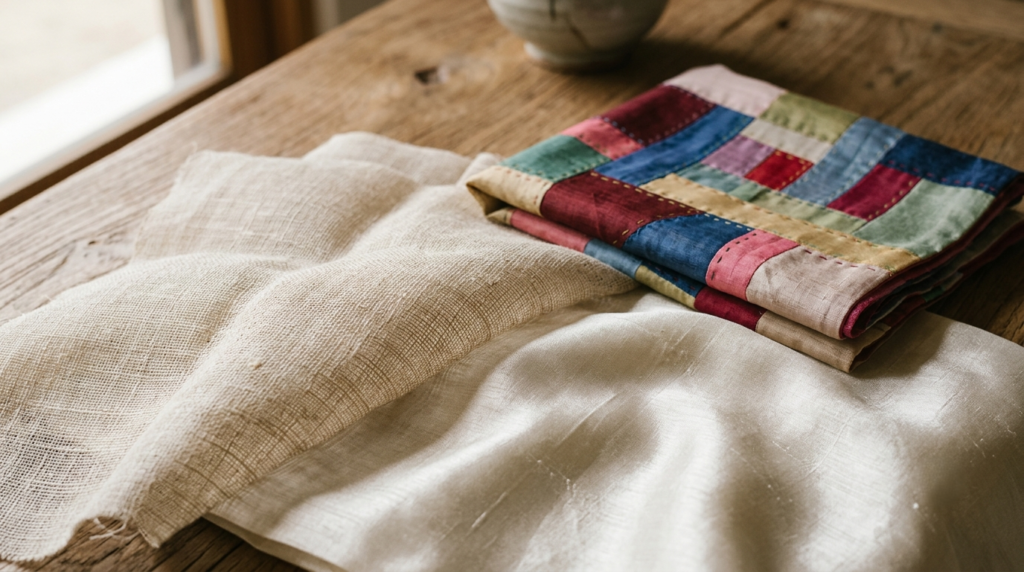
There’s a moment, if you’ve ever held a piece of hand-loomed Korean ramie in your hands, when you understand something words alone can’t quite capture. The fabric is almost weightless, yet it holds its shape with a quiet stubbornness. It whispers rather than shouts. That single scrap of cloth carries within it centuries of climate adaptation, royal court politics, and quiet artistry passed from grandmother to granddaughter across generations. Korean fabric is far more than the material behind hanbok’s graceful silhouette.
It is a living archive of how Korean people survived brutal winters and humid summers, signaled social rank without saying a word, and turned scraps of cloth into some of the most sophisticated textile art in East Asia. Yet most guides to Korean culture skim past the fabric itself — mentioning hanbok in passing without ever explaining what these textiles are actually called, how they’re made, or why each one still matters today.
This guide fixes that gap. Whether you’re a K-drama fan curious about the shimmering robes on screen, a textile enthusiast planning a trip to Seoul, or someone hunting for authentic Korean fabric to buy, you’ll find a complete, expert-level breakdown here — from ancient dynastic origins to the designers keeping these traditions alive in 2026. By the end, you’ll understand not just what Korean fabric is, but why it looks, feels, and behaves the way it does, and how to identify, buy, and care for it yourself.
What Is Korean Fabric? A Quick Overview
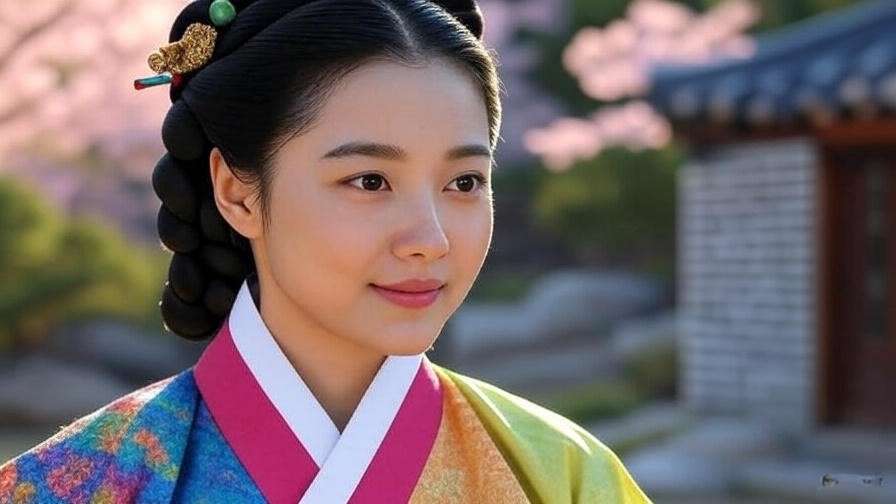
At its core, Korean fabric refers to the natural-fiber textiles historically woven and worn across the Korean peninsula, most visibly through hanbok, Korea’s traditional dress. But the story extends well beyond clothing — into wrapping cloths, patchwork art, ceremonial textiles, and even household items that reflected everything from a person’s social class to the season on the calendar.
Korea’s geography explains much of this diversity. Sitting on a peninsula bordered by water on three sides, with mountains dominating the landscape and four sharply distinct seasons, Korean artisans needed fabrics that could handle both punishing summer humidity and freezing, dry winter winds. Unlike regions with milder, more consistent climates, Korea demanded genuine seasonal specialization in textile choice — one fabric simply could not do everything. That practical necessity, repeated across thousands of years, shaped a small set of core natural fibers, each engineered by trial and generational refinement for a specific climate purpose.
This is also why Korean textile tradition developed such a strong relationship between fabric and identity. A garment wasn’t just clothing; it was a functional response to environment, filtered through centuries of accumulated skill, and layered with meaning about who the wearer was and what season they were dressed for.
The Four Core Natural Fibers at a Glance
Before diving into detail, here’s the quick-reference version you’ll want to keep in mind as you read through the rest of this guide:
- Silk (myeongju) — luxurious, smooth, and traditionally reserved for royalty and special occasions; best suited to cooler weather
- Ramie (mosi) — light, breathable, and prized for scorching Korean summers; famously difficult to produce well
- Hemp (sambe) — sturdy, practical, and historically worn by common people across all seasons
- Cotton (myeon) — versatile and warm, especially when quilted for winter wear; the most broadly accessible fiber historically
Each of these fibers tells a different chapter of Korean history, shaped by different regions, different social classes, and different seasonal demands. That’s exactly where we’re headed next.
The History of Korean Fabric Through the Dynasties
Understanding Korean fabric means understanding Korea’s dynastic history, because textile development didn’t happen in a vacuum. It evolved alongside kingdoms, trade routes, shifting definitions of status, and the slow accumulation of craft knowledge across generations of weavers, dyers, and seamstresses.
Early Origins: Goguryeo, Baekje, and Silla Kingdoms
Korea’s earliest fabric traditions trace back over 5,000 years, but they took distinct and recognizable shape during the Three Kingdoms period, when the peninsula was divided among three competing powers: Goguryeo, Baekje, and Silla. Each kingdom developed its own textile identity, shaped less by aesthetics alone and more by the lifestyle and priorities that defined it.
Goguryeo, a kingdom built around military strength, territorial expansion, and mobility, favored tough, durable fabrics suited to wide sleeves and looser trousers — clothing designed first and foremost for warriors who needed unrestricted movement in battle and on horseback. Function came before form, though even Goguryeo’s practical garments carried distinct visual character.
Baekje, by contrast, leaned into artistry and refinement. Its textiles featured graceful lines and embroidered detail that mirrored the kingdom’s broader cultural sophistication — Baekje was known for its achievements in art, architecture, and craftsmanship more broadly, and its approach to fabric reflected that same sensibility. Silla balanced the two approaches, blending practicality with visual refinement, and many textile historians credit Silla with establishing several of the foundational silhouette conventions that Korean traditional clothing still echoes today, even after the eventual unification of the peninsula under Silla rule.
Fans of historical K-dramas may recognize Goguryeo from productions like Jumong, which dramatizes this era through the story of the kingdom’s legendary founder. While creative liberties naturally apply to any dramatized retelling, these shows offer a useful visual entry point for understanding how costume designers interpret and reconstruct early Korean textile styles for modern audiences.
The Joseon Dynasty and the Rise of Fabric Hierarchy
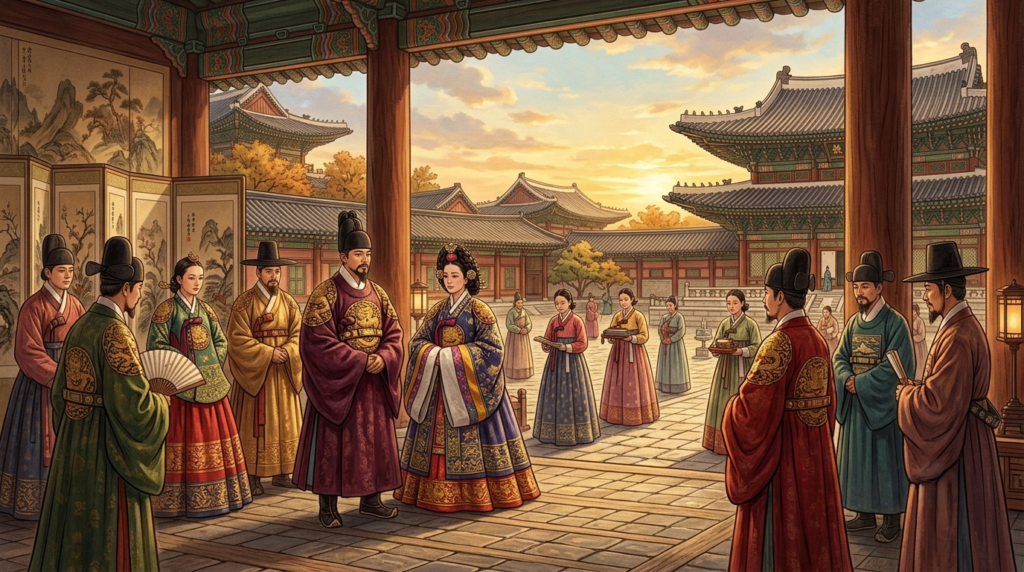
If the Three Kingdoms period established regional textile identities, the Joseon Dynasty (1392–1910) is where Korean fabric truly became a formalized language of social status — one that anyone in Joseon society could read at a glance.
During this five-century era, silk and finely woven ramie were reserved almost exclusively for royalty and the upper class (the yangban), while hemp and cotton clothed the vast majority of the population, regardless of season or occasion. This wasn’t an informal custom; sumptuary conventions around fabric and color were deeply embedded in Joseon social structure, reinforcing a visible hierarchy through something as fundamental as what a person wore on their body.
Ramie, in particular, gained enormous prestige during this period. Historical records indicate ramie fabric was presented to the king as a valued tribute good, elevating its status well beyond ordinary clothing material. Even earlier, during the Goryeo Dynasty that preceded Joseon, high-quality ramie functioned almost like a form of currency, with its value serving as a genuine measure of a household’s wealth, skill, and standing in the community. This is also the period when Hansan, a region in South Chungcheong Province, cemented its reputation for producing the finest ramie in the country — a reputation the region still proudly holds today, centuries later, supported by unbroken generational knowledge.
Fabric as Cultural Record
What makes Korean fabric so valuable to study today isn’t just its beauty — it’s what the fabric reveals about the society that produced it. A single garment could communicate a person’s class, the season, the occasion, and sometimes even their region of origin, all without a single word being spoken. Fabric functioned as a silent but highly literate social language.
This is part of why Korea’s neighbors historically referred to Koreans as “the white-clad people,” admiring the simplicity, modesty, and peacefulness reflected in the undyed cotton and hemp clothing worn by ordinary people, even as royal courts simultaneously explored far more elaborate colors, weaves, and embellishments behind palace walls. This contrast — quiet restraint among commoners, vivid display among nobility — is one of the most consistent threads running through the entire history of Korean textile culture, and it’s a detail worth remembering as you explore modern hanbok and fabric traditions later in this guide.
The Main Types of Traditional Korean Fabric
Now that you understand the historical backdrop, let’s get specific about each fabric — what it feels like, how it’s made, why it earned its place in Korean textile tradition, and what makes each one genuinely distinct from the others.
Silk (Myeongju): The Fabric of Royalty and Ceremony
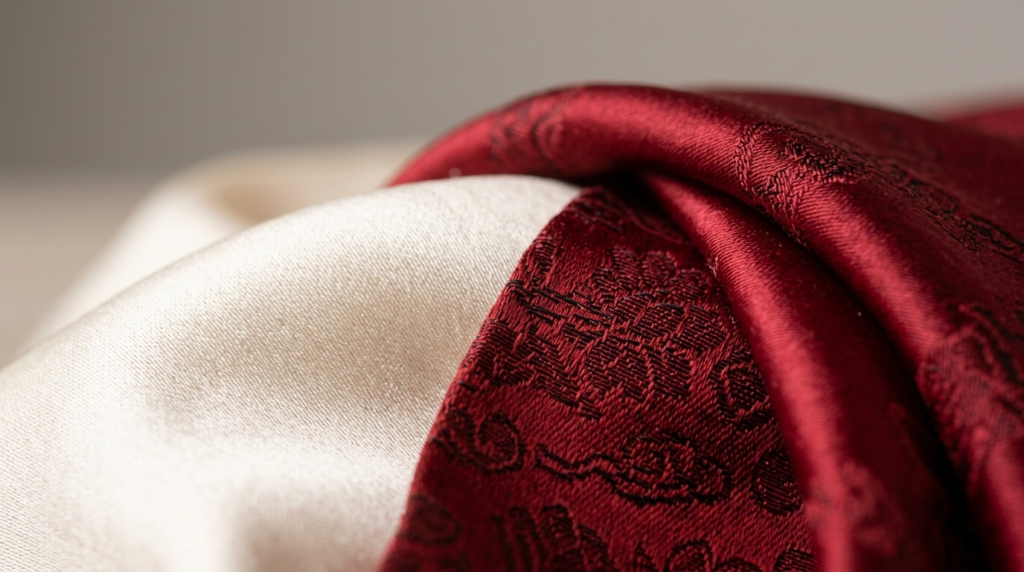
Silk has long represented the pinnacle of luxury in Korean textile culture, and for good reason. Its smooth texture and soft, fluid drape made it the natural choice for royal garments, ceremonial hanbok, and any occasion where visual impact and status display mattered most. Korean artisans typically wove silk tightly to create a lustrous, polished finish that caught light beautifully — a quality that made it especially prized for court settings, weddings, and formal ceremonies where garments needed to command attention.
Beyond its visual appeal, silk carried genuine symbolic weight. Wearing silk publicly announced wealth and rank in a society where fabric access was tightly stratified, and royal households often reserved specific weaves, weights, and finishes exclusively for the monarch and immediate family.
One fascinating variant worth knowing is oksa, sometimes referred to as Korean silk dupioni organza, made from twin cocoons rather than the single cocoons used in standard silk production. It’s a rare and labor-intensive textile that even most fashion enthusiasts have never heard of, which makes it a genuinely impressive detail to know if you’re exploring Korean fabric seriously rather than superficially. Because twin-cocoon silk fibers are naturally irregular, oksa develops a distinctive slubbed texture that skilled weavers historically prized for its organic, almost hand-crafted appearance.
Silk does have practical limitations, though, which is precisely why it never fully replaced other fibers in Korean wardrobes. It absorbs moisture well, but its fibers tend to degrade under strong sunlight and high temperatures over time. This made silk poorly suited to Korea’s intensely humid, hot summers, and it historically found its place instead in cooler seasons and indoor ceremonial settings, where its fragility posed less of a practical concern.
Ramie (Mosi): Korea’s Signature Summer Textile
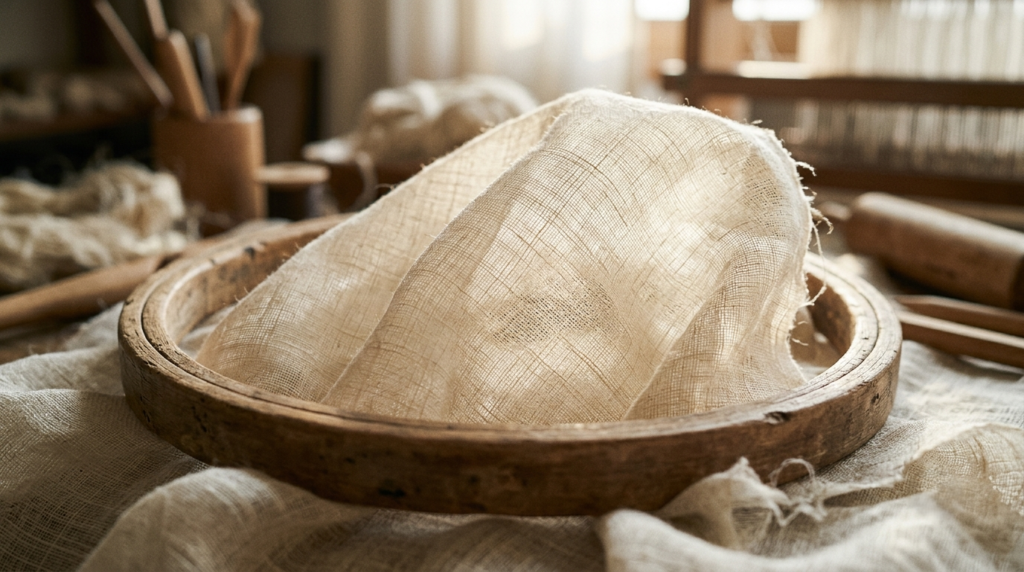
If silk represents Korean fabric’s formal elegance, ramie represents its ingenuity — a triumph of practical engineering built entirely from natural materials and generations of accumulated craft knowledge. Known in Korean as mosi, ramie is a bast fiber extracted from the inner bark of a plant in the nettle family (Urticaceae), a herbaceous perennial native to eastern Asia and recognizable by its distinctive heart-shaped leaves.
What makes ramie remarkable is its unusual combination of strength and lightness. Unlike most natural fibers, ramie actually becomes stronger when wet rather than weaker, and it resists bacteria, mildew, and insect damage far better than comparable fabrics. It also wicks moisture away from the body efficiently, making it genuinely ideal for Korea’s brutally humid, sweltering summers — the kind of practical performance that modern “moisture-wicking” activewear brands still market as a premium feature today, centuries after Korean weavers had already solved the problem with ramie.
Producing quality ramie, however, is notoriously difficult, and this difficulty is central to understanding its value. Korea’s traditional production method has remained largely unchanged for centuries, relying almost entirely on skilled hand labor rather than machinery. The fiber must be carefully separated from the plant’s bark, processed, and hand-woven using techniques that take years to master. While countries like Japan have mechanized parts of ramie production, machine-made ramie tends to produce a noticeably coarser, less refined fabric compared to Korea’s hand-crafted version. This labor intensity keeps genuine, high-grade Korean ramie rare and relatively expensive even today, and it’s part of why authentic ramie garments are treated as investment pieces rather than everyday purchases.
The undisputed gold standard within Korean ramie is Hansan ramie, sometimes called hansan mosijagi, produced specifically in South Chungcheong Province. This craft is officially recognized as an intangible cultural property in Korea, a designation that formally protects and supports the artisans who continue practicing it. Within Hansan ramie, the finest variant is known as semoshi — an exceptionally finely textured version so delicate it has historically been compared to “a dragonfly’s wings” or, in classical Chinese descriptions, something “light as a cicada’s wings, thin as paper, flat as a mirror, and slender as silk.” Semoshi is now made by only a small number of remaining artisans who still possess the necessary skill, and it’s typically produced only for special orders rather than general sale. If you ever come across genuinely certified Hansan ramie, you’re holding a piece of protected cultural heritage, not just a textile purchase.
Interestingly, ramie’s quality tends to improve with wear and washing, gaining softness and additional luster the more it’s used — a quality that rewards long-term ownership rather than favoring fabric that looks best fresh off the loom.
Hemp (Sambe): Everyday Durability
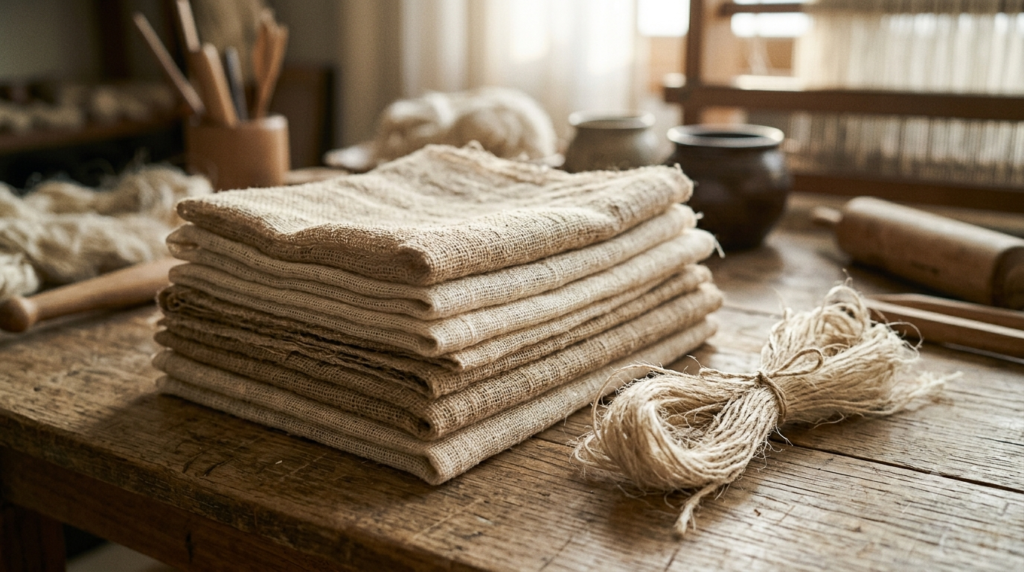
While silk and ramie dominate most conversations about Korean fabric, hemp — called sambe — quietly clothed the majority of everyday Koreans throughout history, and arguably deserves more recognition than it typically receives. Valued for its durability and breathability, hemp served a similar cooling function to ramie for common people who couldn’t access the more refined, labor-intensive, and expensive fiber.
Hemp production, while still skilled work, was generally more accessible to ordinary households than ramie cultivation and weaving, which required specialized expertise concentrated in specific regions. This accessibility made hemp the practical backbone of everyday Korean clothing for centuries — the fabric that actually clothed most of the population, even if it rarely appears in the glamorous museum displays that silk and fine ramie tend to dominate.
Regional specialization exists here too, underscoring that Korean fabric traditions were never monolithic. Hemp weaving from South Jeolla Province, known formally as Gokseongui dolsilnai, carries its own officially recognized cultural significance, much like Hansan ramie does in its own province. This regional specificity mirrors patterns you’ll find throughout Korean culture more broadly — much like specific regions become known for particular foods or crafts, specific provinces built lasting reputations around particular textile skills, passed down through generations of local families.
Cotton (Myeon): Comfort and Practicality
Cotton became the most broadly accessible fabric across Korean society, prized for its warmth, comfort, and sheer versatility rather than any association with prestige or status. Unlike silk, cotton’s appeal was practical rather than symbolic — it simply worked well for everyday life across a wide range of circumstances.
For winter garments specifically, Korean artisans developed a distinctive wadding technique that remains genuinely clever from a textile engineering standpoint: layering soft cotton between two pieces of fabric — often silk or cotton shells — and stitching the layers together in fine, closely spaced lines. This method created warm, quilted clothing capable of withstanding harsh Korean winters without sacrificing the wearer’s mobility, since the stitching prevented the cotton wadding from shifting or bunching over time.
Unlike silk’s status-driven exclusivity, cotton crossed class lines more freely throughout Korean history. Commoners relied on it as a practical, year-round staple, while even upper-class households incorporated finely woven cotton into their wardrobes when a lighter, less ceremonial option suited the occasion better than silk.
Specialty and Decorative Textiles
Beyond the four core fibers, Korean nobility historically wore brocade and damask — textiles characterized by pronounced texture, visual weight, and often intricate woven patterns designed to communicate wealth and status at a glance, even from a distance. These fabrics required significantly more skill and time to produce than plain weaves, which is precisely why they remained concentrated among the upper class.
Less widely known, but genuinely fascinating, is hanji fabric, made from mulberry paper rather than a conventional plant or animal fiber. This unusual textile innovation reflects the deep resourcefulness embedded throughout Korean craft traditions — the willingness to experiment with unconventional materials and transform them into genuinely functional, wearable fabric. Hanji fabric remains a niche but respected part of Korea’s broader textile heritage, valued today by artisans and designers looking to explore materials outside the conventional silk-ramie-hemp-cotton framework.
Natural Dyeing Traditions in Korean Fabric
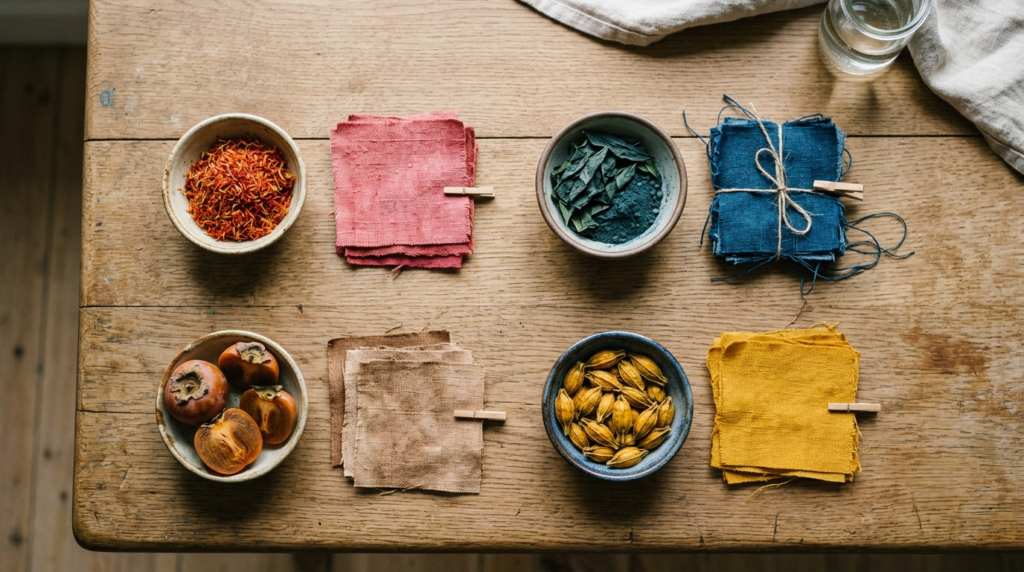
Color in Korean fabric was never arbitrary — it functioned as genuine cultural code, produced entirely from natural sources long before synthetic dyes existed, and every color carried specific associations tied to class, occasion, and sometimes even spiritual meaning.
How Colors Were Made Before Synthetic Dyes
Korean artisans extracted vivid, remarkably lasting color from the natural world immediately around them, using techniques refined over generations. Safflower produced rich pinks and reds, prized for both their vibrancy and their association with celebration. Indigo created deep, saturated blues that remained a staple dye across many social classes due to its relative accessibility. Persimmon yielded warm, earthy browns often associated with practical, everyday clothing. Gardenia delivered golden yellows historically linked to royal and noble use in many East Asian textile traditions.
Each of these natural dyes required specific, closely guarded knowledge of preparation, mordanting (the process of fixing dye to fiber), and application. Dye-making was itself a specialized craft, often passed down within families or workshops rather than shared openly, which added another layer of exclusivity to certain colors beyond simple material cost.
The Cultural Meaning Behind Color Choices
Color communicated status as clearly and consistently as fabric type did throughout Korean history. While commoners generally wore undyed, natural-toned cotton and hemp — earning Koreans the historical nickname “the white-clad people” among neighboring cultures — royal and noble households embraced far more elaborate, saturated color palettes, using dye as another visible marker of rank, wealth, and occasion.
This wasn’t simply about personal taste; specific colors were sometimes formally restricted to certain ranks or roles within the royal court, meaning the color of a person’s hanbok could carry legal and social weight, not just aesthetic significance. Understanding this helps explain why traditional Korean color palettes feel so deliberate and symbolic even today, whether you encounter them in a museum display, a historical drama, or a modern hanbok rental shop in Seoul.
Iconic Korean Textile Crafts You Should Know
Korean fabric isn’t just about raw material — it’s about what skilled hands did with that material once it left the loom. Several traditional crafts elevate Korean textiles from functional cloth into genuine art forms, and understanding them adds real depth to any appreciation of Korean fabric culture.
Jogakbo: The Art of Korean Patchwork
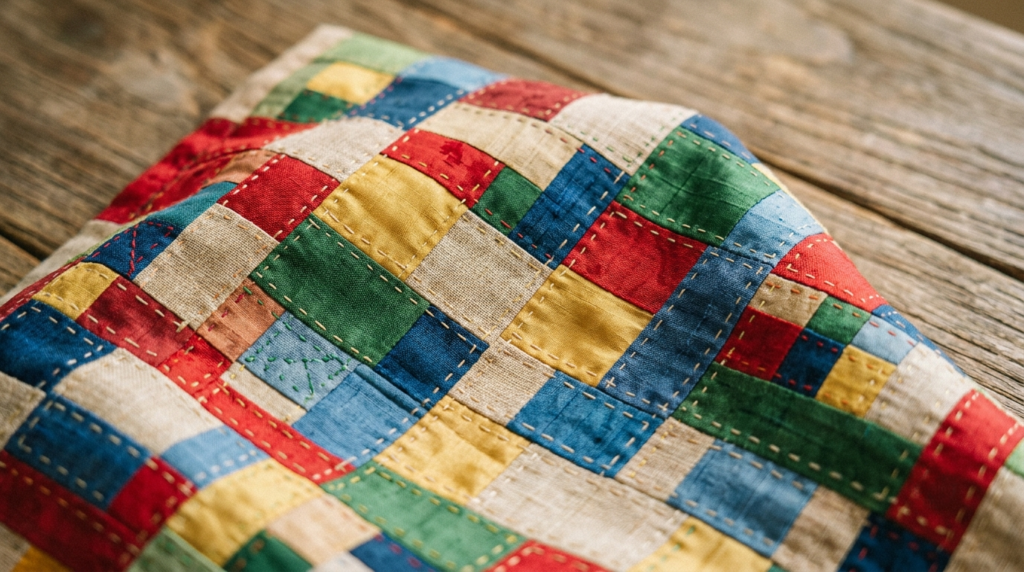
Jogakbo is a distinctive form of Korean textile patchwork, typically constructed from scraps of a single fabric type — cotton, silk, ramie, hemp, or even, in rarer examples, paper. Rather than discarding leftover fabric from garment-making, Korean artisans developed jogakbo as a way to transform those scraps into something genuinely beautiful, reflecting a resourcefulness that runs throughout Korean craft tradition more broadly.
The construction process itself is technically demanding. Patches are sewn together using a precise triple-stitched seaming technique called gekki, which creates a sealed, flat seam rather than a bulky or fraying edge. This method gives finished jogakbo pieces their signature “window pane” appearance — a grid-like visual structure where each patch reads almost like a small framed panel within the larger cloth. Patches are typically joined into squares first, then extended outward in an irregular, improvisational fashion until the cloth reaches whatever size the final piece requires, whether that’s a small decorative panel or a full-sized wrapping cloth.
Jogakbo can vary dramatically in visual character depending on the maker’s choices. Some pieces combine several vivid colors into compositions that read as strikingly modern abstract art, despite being rooted in centuries-old technique. Others use a single, restrained color throughout, producing a quieter, more minimalist aesthetic — a style especially associated with certain historical periods and with textiles intended for more solemn or understated occasions.
This isn’t a craft confined to museum display cases, either. Contemporary textile artist Chunghie Lee has actively applied jogakbo techniques to modern hanbok components, including decorative shoes constructed from multi-colored geometric patches of stiffened silk gauze, reflecting the upturned-toe style of traditional Korean footwear once worn by upper-class men during the Joseon Dynasty. Designer Lie Sang-Bong has taken jogakbo in an entirely different direction, deconstructing its traditional patchwork logic and reconfiguring it into crisp, structural, boldly graphic contemporary garments — proof that this centuries-old craft continues actively inspiring cutting-edge Korean design rather than existing purely as historical curiosity.
Bojagi: Traditional Wrapping Cloths
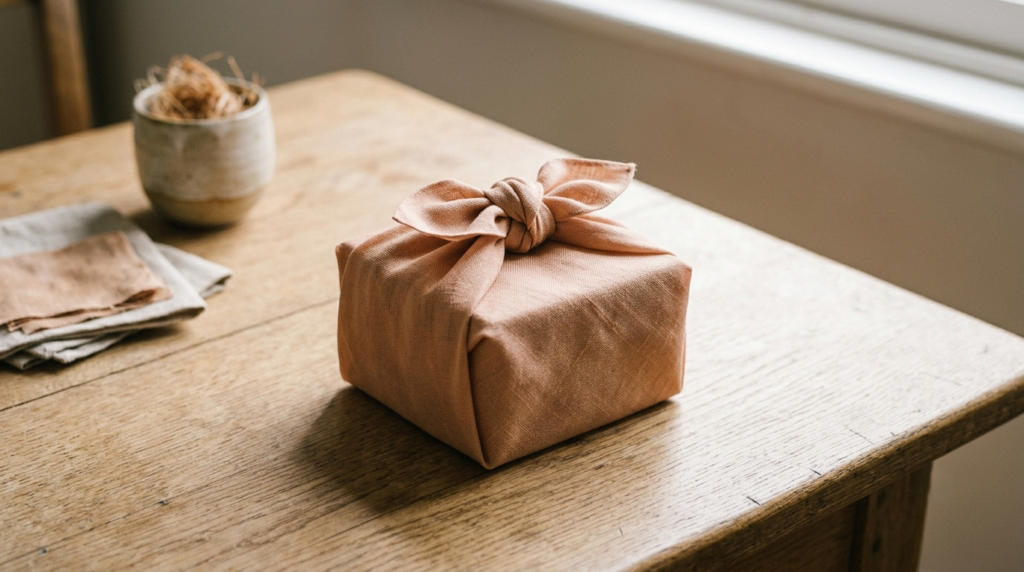
Bojagi refers to traditional Korean wrapping cloths, historically used for an enormous range of practical purposes — wrapping gifts, protecting and transporting household items, and covering food or belongings during travel or storage. Bojagi could be made from virtually any of Korea’s core fabrics, from humble cotton for everyday use to fine silk for more formal or ceremonial gift-wrapping.
Beyond their obvious practical function, bojagi carry genuine relevance for modern audiences increasingly focused on sustainability. A single reusable wrapping cloth can replace countless disposable plastic or paper wrappers over its lifetime, making this centuries-old Korean practice feel surprisingly aligned with contemporary environmental values — a detail worth noting given how much modern conversation around sustainable living tends to overlook traditional solutions that already solved these problems long before “eco-friendly” became a marketing term.
Bojagi also carry symbolic weight beyond their material use. Certain color and pattern choices in ceremonial bojagi historically carried specific meanings tied to occasions like weddings or the presentation of formal gifts, similar to how fabric color communicated status elsewhere in Korean textile tradition. Today, bojagi appear widely in contemporary art spaces and craft markets across Seoul, particularly in neighborhoods like Insadong, where both antique and newly made examples are readily available to collectors and casual visitors alike.
Embroidery and Quilting (Jasujang, Nubijang)
Korean embroidery, known formally as jasujang, evolved from what was historically regarded as domestic women’s work into a fully recognized and celebrated art form, particularly during the Joseon Dynasty. Skilled embroiderers produced intricate, delicate work applied to clothing, decorative screens, and household items, with techniques prized for their permanence and fine detail. This evolution — from undervalued domestic labor to formally honored craft — mirrors a broader pattern seen in many textile traditions worldwide, where women’s traditional handwork has gradually gained the recognition it deserved from the start.
Quilting, or nubijang, holds similarly recognized cultural status within Korea’s textile heritage. This is the same fundamental technique behind the cotton-wadding method described earlier for winter hanbok, but nubijang as a formally designated craft encompasses a broader and more refined set of quilting skills, applied not just to clothing but to decorative and ceremonial textiles as well.
Both jasujang and nubijang remain officially designated intangible cultural skills in Korea today, a status that provides formal recognition and support to the artisans who continue practicing and teaching these techniques. This designation matters practically, not just symbolically — it helps ensure these skills are documented, taught to new generations, and protected from disappearing as industrial textile production continues to dominate the broader market.
Korean Fabric in Modern Fashion and Design
Traditional Korean fabric hasn’t stayed frozen behind museum glass — it’s actively shaping contemporary fashion, both within Korea and increasingly on the global stage, thanks to a combination of dedicated designers and Korea’s expanding cultural influence worldwide.
How Designers Are Reviving Traditional Textiles
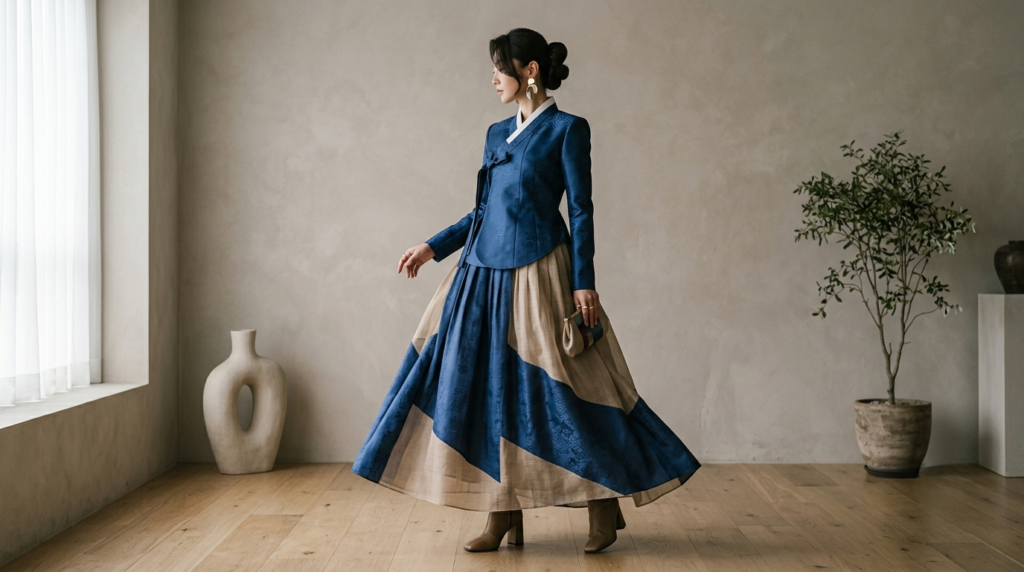
Few figures did more to globalize Korean fabric and hanbok than Lee Young-hee, born in 1936 and widely regarded as one of the most influential hanbok designers in modern history. Her work appeared at international fashion shows and in respected museum collections, including the Smithsonian, introducing global audiences to Korean textile artistry at a scale few designers before her had achieved. Her atelier, Maison de Lee Young Hee, based in Seoul, built its reputation on a careful balance: preserving traditional materials like silk and ramie along with meticulous hand-finishing techniques, while simultaneously introducing modern silhouettes and ornamental details that made hanbok feel relevant to contemporary audiences. Her career stands as compelling proof that tradition and innovation aren’t mutually exclusive forces, but can genuinely reinforce one another when handled with sufficient skill and respect for the source material.
Younger and mid-career designers continue extending this legacy in their own directions. Chunghie Lee’s jogakbo-inspired pieces, discussed earlier, bring patchwork tradition into contemporary hanbok components and accessories. Lie Sang-Bong’s structural reinterpretations of patchwork textiles, alongside his broader inspiration drawn from Korean folk painting and calligraphy, demonstrate how deeply traditional Korean fabric techniques and visual motifs continue influencing genuinely cutting-edge design work, well beyond anything that could be described as costume or historical reenactment.
Modern Hanbok Fabric Choices
Practicality has meaningfully reshaped how everyday Koreans approach hanbok fabric in recent decades. Traditional silk and hand-woven ramie remain the standard for formal, ceremonial, or heirloom-quality garments, but for affordability and low-maintenance everyday wear, many modern hanbok now incorporate silk blends, polyester, or wrinkle-free synthetic materials.
This shift reflects a sensible, practical trade-off rather than any abandonment of tradition. Few people want to hand-wash and carefully iron yards of delicate, easily damaged fabric before attending a single wedding or holiday gathering, and modern synthetic and blended options allow hanbok to remain part of everyday celebratory life rather than becoming an occasion-only rarity reserved exclusively for those wealthy enough to maintain fragile traditional textiles. At the same time, a strong market persists for fully traditional, natural-fiber hanbok, particularly among those seeking heirloom pieces, participating in traditional ceremonies, or specifically valuing authenticity over convenience.
Korean Fabric’s Global Spotlight
Korean fabric has found genuinely unexpected new audiences in recent years through the broader global rise of Korean pop culture. The Netflix series Kingdom drew significant international attention not just to hanbok generally, but specifically to smaller traditional garment details like the gat, a traditional Korean hat, sparking curiosity among viewers who previously had no exposure to Korean traditional dress at all. Similarly, K-pop artists such as BTS and BLACKPINK have featured hanbok prominently in music videos and public appearances, introducing hundreds of millions of global viewers to Korean textile artistry through some of the most-watched media content in the world.
Seoul’s fashion districts have actively leaned into this renewed international interest. Gangnam-gu, the district that gained worldwide recognition through the song “Gangnam Style,” combines wealthy residential areas with high-end art facilities and busy fashion streets, regularly hosting fashion events that invite global designers and showcase emerging local talent. Dongdaemun-gu functions as a major hub for Korea’s broader fashion industry, blending traditional influences with affordable, creative contemporary fashion, and remains one of the most practical destinations for anyone hoping to see Korean textile innovation happening in real time rather than solely through historical retrospectives.
Where to See, Buy, or Experience Korean Fabric Today
If this guide has sparked genuine curiosity about Korean fabric, here’s practical guidance for experiencing it firsthand, whether you’re traveling to Korea or shopping from abroad.
Museums and Cultural Centers
Seoul’s Museum of Korean Embroidery showcases bojagi and embroidery work in genuine depth, offering one of the richest firsthand looks at traditional Korean textile artistry available anywhere in the world. Beyond this specialized museum, many of Korea’s major national museums maintain dedicated textile and hanbok collections worth building into any culturally focused Seoul itinerary, particularly for visitors with a specific interest in traditional craft rather than only contemporary Korean culture.
Shopping Districts in Korea
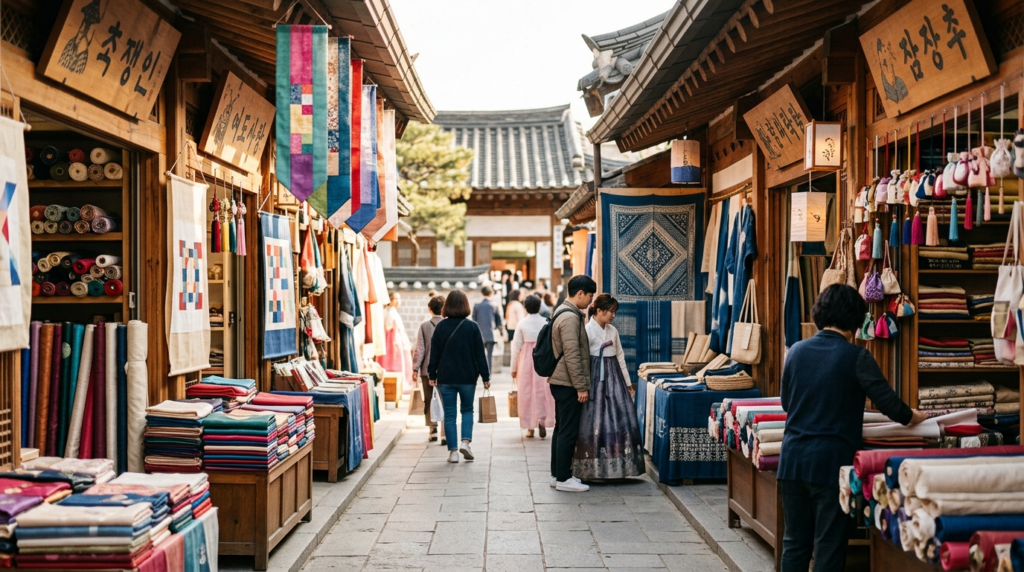
Insadong remains one of the most reliable destinations for traditional textile goods, bojagi, and related craft items, with numerous small shops and galleries run by artisans and collectors alongside more tourist-oriented retailers. Dongdaemun-gu, by contrast, offers a very different experience — a massive, fast-moving hub for Korea’s broader fashion industry, better suited to those interested in how traditional textile influences show up in contemporary, mass-market fashion rather than purely traditional handcraft.
Buying Authentic Korean Fabric Online
If you’re purchasing Korean fabric — particularly ramie — from outside Korea, take time to verify whether it’s labeled as genuine Hansan ramie versus a blended, machine-produced, or non-Korean imitation, since the price difference between authentic and imitation ramie can be substantial and isn’t always obvious from photos alone. Pure, handmade Korean ramie will typically cost noticeably more than blended alternatives, and international shipping timelines from Korean artisans can occasionally be affected by customs regulations or postal policy changes, so it’s worth factoring potential delays into your planning if you’re sourcing fabric for a specific event or deadline rather than general collecting purposes.
How to Care for Traditional Korean Fabrics
Investing in genuine Korean fabric, particularly hand-produced silk or ramie, means investing in proper care as well. Natural fibers reward good maintenance with decades of use, but they also punish careless handling far more severely than synthetic textiles do.
Washing and Storing Silk and Ramie Safely
Ramie can generally be hand-washed or machine-washed in cold or warm water without significant risk, but it should never be treated with chlorine bleach, which weakens and damages the fiber structure over time. If stain removal is genuinely necessary, diluted bleach solutions used sparingly and carefully are considered comparatively safer than full-strength treatment. When ironing ramie, doing so while the fabric is still slightly damp produces the best results, since high, direct heat applied to fully dry ramie can scorch or damage the material.
Silk requires notably gentler handling overall. Avoid prolonged sun exposure, since ultraviolet light accelerates the natural breakdown of silk fibers over time, and steer clear of high heat during both washing and ironing. Storing silk garments away from direct light, in breathable fabric bags rather than sealed plastic, helps preserve both color and fiber integrity across long-term storage, particularly for heirloom pieces intended to last across multiple generations.
Common Mistakes That Damage Natural Fiber Textiles
The most frequent care mistakes people make with traditional Korean fabrics involve high-heat machine drying, prolonged direct sunlight exposure for silk garments specifically, and chlorine bleach use on ramie. Beyond these specific errors, a general rule holds true across nearly all traditional Korean natural fiber textiles: when in doubt, choose cooler, gentler care over anything resembling standard synthetic-fabric treatment, since these materials were never engineered to withstand the aggressive washing and drying methods modern synthetic fabrics tolerate easily.
Frequently Asked Questions
What is the most famous traditional Korean fabric?
Ramie, particularly Hansan ramie produced in South Chungcheong Province, is widely regarded as Korea’s most prestigious traditional fabric, formally recognized as an intangible cultural property due to its historical significance and the specialized skill required to produce it.
What is mosi fabric made of?
Mosi is the Korean name for ramie, a bast fiber derived from the inner bark of a plant in the nettle family, native to eastern Asia and historically processed using largely unmechanized, hand-based traditional techniques.
What fabric is used for summer hanbok vs. winter hanbok?
Summer hanbok traditionally uses lightweight, breathable ramie or thin cotton to cope with Korea’s intense heat and humidity, while winter hanbok relies on quilted silk or padded, wadded cotton to provide warmth without sacrificing mobility.
Can I buy authentic Korean ramie fabric outside Korea?
Yes, though genuine handmade Hansan ramie is relatively rare and often sold directly by Korean artisans or specialty retailers rather than mainstream fabric outlets, so verifying authenticity and production origin before purchasing is strongly recommended.
What does jogakbo mean in Korean textile art?
Jogakbo refers to traditional Korean patchwork made from fabric scraps sewn together using a distinctive triple-stitch technique called gekki, resulting in a flat, sealed “window pane” visual pattern that has influenced both historical craft and contemporary Korean fashion design.
Is Korean silk different from other types of Asian silk?
While Korean silk shares core production methods with silk traditions elsewhere in Asia, Korean silk-making, particularly rare variants like oksa (twin-cocoon silk), reflects distinct regional techniques and historical usage patterns specific to Korean royal and ceremonial dress traditions.
Conclusion
Korean fabric is far more than material used to make clothing — it’s a genuine, tangible record of history, class structure, climate adaptation, and centuries of accumulated artistry, all woven quite literally into a single piece of cloth. From the labor-intensive elegance of Hansan ramie to the quiet, practical sustainability of bojagi wrapping cloths, and from the technical precision of jogakbo patchwork to the modern reinventions happening in Seoul’s fashion districts today, every thread carries meaning that outlasts passing trends.
Whether you’re drawn to Korean fabric through K-drama fascination, upcoming travel plans to Seoul, or a growing personal appreciation for traditional craft and sustainable textile practices, understanding these materials offers a genuinely deeper window into Korean culture than surface-level fashion coverage alone could ever provide. The next time you see hanbok on screen, in a museum, or on a Seoul street during a festival, you’ll recognize far more than simply “traditional Korean clothing” — you’ll see silk’s ceremonial weight, ramie’s ingenious engineering, and generations of skilled hands behind every piece.