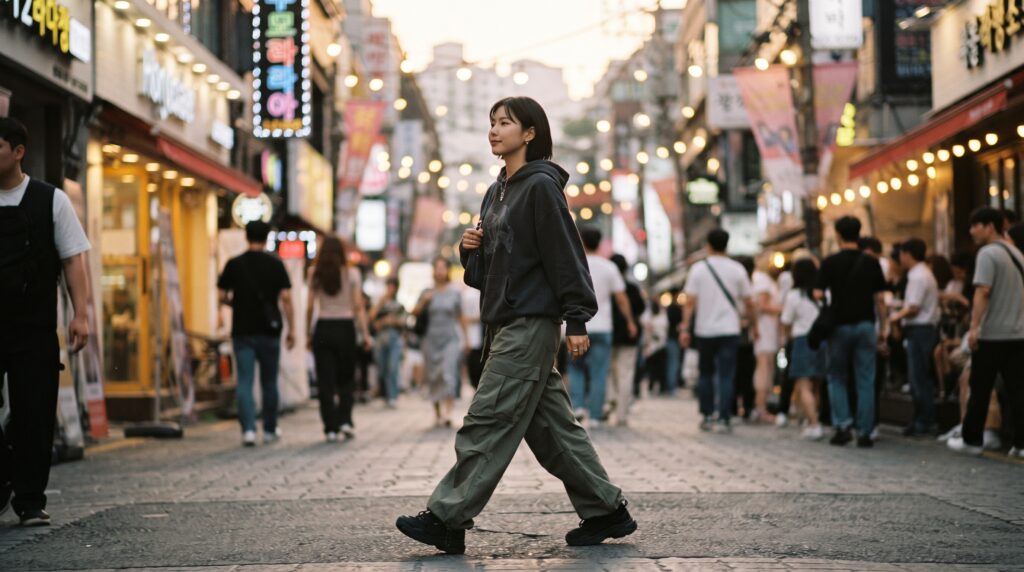
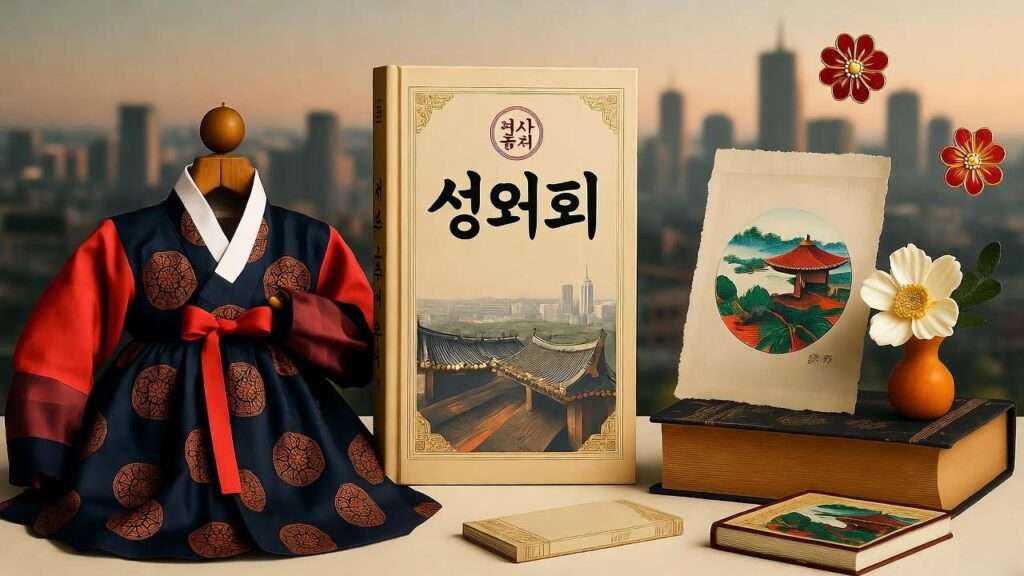
Imagine stepping into the soul of Korea, where every page of a Korean novel unveils a world of profound emotions, intricate traditions, and unspoken histories. These stories do more than entertain—they invite you into the heart of Korean culture, revealing its joys, sorrows, and resilience. Whether you’re captivated by the Hallyu wave through K-dramas or K-pop, Korean novels offer a deeper, more intimate lens into the nation’s psyche. As a dedicated scholar of Korean literature with years of exploring its narratives and consulting with translators, I’ve curated a list of 10 must-read Korean novels that illuminate the essence of Korean culture and emotions. This guide is your gateway to stories that resonate universally while staying distinctly Korean, perfect for readers eager to connect with Korea’s rich literary heritage.
Why Korean Novels Are a Window into Korean Culture
Beyond K-Dramas and K-Pop
While K-dramas and K-pop have fueled the global Hallyu wave, Korean novels provide a slower, more introspective journey into the nation’s cultural fabric. Unlike the fast-paced visuals of dramas, novels linger on the nuances of Korean life—family dynamics, societal expectations, and historical scars. They capture the subtleties of han (a deep, collective sorrow) and jeong (a profound emotional bond), concepts that define Korean identity. For example, novels often explore the tension between tradition and modernity, offering readers a richer understanding of Korea’s evolution.
Emotional Depth and Universal Themes
Korean novels excel at weaving universal themes—love, loss, identity—with uniquely Korean perspectives. They delve into the human condition while grounding stories in cultural contexts, such as the legacy of the Korean War or the pressures of rapid urbanization. According to Dr. Min-soo Kim, a professor of Korean literature at Seoul National University, “Korean novels are a bridge between personal emotions and collective history, making them essential for understanding Korea’s soul.” This blend ensures readers connect emotionally, regardless of their background.
Cultural Context in Storytelling
From the Joseon dynasty’s rigid hierarchies to modern Seoul’s bustling streets, Korean novels reflect the nation’s historical and social landscape. They explore pivotal moments, like the Japanese occupation or the 1980 Gwangju Uprising, alongside everyday struggles, such as gender roles or generational divides. This cultural grounding makes them a vital resource for anyone seeking to grasp Korea’s past and present.
How We Chose These 10 Korean Novels
Selection Criteria
Our list of 10 Korean novels was carefully curated based on cultural significance, critical acclaim, reader impact, and accessibility. We prioritized works that have resonated with both Korean and international audiences, drawing from literary awards like the Man Asian Literary Prize and reader reviews on platforms like Goodreads. Each novel was chosen for its ability to reveal Korean culture and evoke deep emotions.
Diversity of Themes and Eras
To offer a comprehensive view, we included novels spanning historical fiction, contemporary drama, and speculative fiction. From tales of the Joseon era to stories of modern Seoul, this diversity ensures readers encounter a broad spectrum of Korean experiences. We also considered novels that address universal themes, making them relatable to global readers.
Focus on English Accessibility
Recognizing that many readers may not speak Korean, we selected novels available in high-quality English translations from reputable publishers like Archipelago Books and Dalkey Archive Press. This ensures accessibility without sacrificing the authenticity of the original works.
The 10 Must-Read Korean Novels
Novel 1: Please Look After Mom by Kyung-sook Shin
Synopsis: When an elderly mother goes missing in a Seoul subway station, her family grapples with guilt and memories of her sacrifices. This poignant novel unfolds through multiple perspectives, revealing the unspoken burdens of motherhood.
Cultural Insights: The story explores Korean family dynamics, particularly the concept of filial piety, where children are expected to honor and care for their parents. It also highlights the rural-urban divide, as the mother’s traditional roots contrast with her children’s modern lives.
Why Read It: Shin’s lyrical prose and emotional depth make this a universal story of love and regret. It won the Man Asian Literary Prize, cementing its global impact.
Tip: Keep a journal while reading to reflect on your own family connections, as the novel’s themes are deeply personal.
Novel 2: Pachinko by Min Jin Lee
Synopsis: This multi-generational saga follows a Korean family in Japan from the 1910s to the 1980s, navigating discrimination, poverty, and identity as zainichi (Korean residents in Japan).
Cultural Insights: Pachinko illuminates the Korean diaspora’s struggles, particularly during Japan’s occupation of Korea (1910–1945). It reveals the resilience of Korean immigrants and the cultural tensions between Korea and Japan.
Why Read It: Lee’s epic storytelling and meticulous historical research make this a must-read for understanding Korea’s global footprint. A key scene, where a character faces prejudice in a pachinko parlor, underscores the daily challenges of the diaspora.
Example: The novel’s depiction of a Korean family’s sacrifices mirrors the real-life experiences of many zainichi Koreans, offering a window into their resilience.
Novel 3: The Vegetarian by Han Kang
Synopsis: Yeong-hye’s decision to stop eating meat triggers a spiral of rebellion, alienation, and psychological turmoil, challenging her family and societal norms.
Cultural Insights: The novel critiques Korea’s patriarchal society and the stigma surrounding mental health. Yeong-hye’s defiance reflects the struggle for individual autonomy in a collectivist culture.
Why Read It: Han Kang’s haunting prose and layered narrative earned it the 2016 International Booker Prize. Translator Deborah Smith notes, “Han’s minimalist style captures the raw intensity of Yeong-hye’s inner world.”
Expert Insight: The novel’s exploration of bodily autonomy resonates with global feminist movements, making it a powerful read.
Novel 4: Human Acts by Han Kang
Synopsis: Centered on the 1980 Gwangju Uprising, this novel examines the brutal suppression of a pro-democracy movement through interconnected stories of victims, survivors, and their families.
Cultural Insights: It sheds light on a pivotal moment in Korea’s democratic struggle, highlighting collective trauma and the resilience of the human spirit.
Why Read It: Han’s unflinching portrayal of violence and loss is both heartbreaking and inspiring, offering a deep dive into Korea’s political history.
Novel 5: Kim Jiyoung, Born 1982 by Cho Nam-Joo
Synopsis: Through the life of an ordinary Korean woman, this novel exposes the pervasive gender inequalities that shape her experiences, from childhood to motherhood.
Cultural Insights: It reveals the subtle and overt sexism embedded in Korean society, such as workplace discrimination and familial expectations. The novel sparked a feminist movement in Korea, resonating globally.
Why Read It: Its accessible, documentary-like style makes it a compelling entry point for understanding gender dynamics in Korea.
Novel 6: Our Happy Time by Gong Ji-young
Synopsis: A suicidal woman and a death row inmate form an unlikely bond, finding redemption and hope through their shared pain.
Cultural Insights: The novel explores Korea’s views on justice, capital punishment, and mental health, offering a compassionate look at marginalized lives.
Why Read It: Gong’s heartfelt storytelling balances tragedy with hope, making it a deeply moving read.
Novel 7: The Court Dancer by Kyung-sook Shin
Synopsis: Set in the late Joseon dynasty, this historical novel follows Yi Jin, a court dancer caught in a web of political intrigue and international diplomacy.
Cultural Insights: It showcases Korea’s royal past, traditional arts like dance, and the impact of foreign influence during a transformative era.
Why Read It: Shin’s lush prose and historical detail create an immersive experience, perfect for fans of historical fiction.
Novel 8: At Dusk by Hwang Sok-yong
Synopsis: An aging architect reflects on his life and Korea’s rapid modernization, grappling with the cost of progress and personal regrets.
Cultural Insights: The novel critiques the alienation and environmental toll of Korea’s urban boom, a theme resonant with modern readers.
Why Read It: Hwang’s reflective tone and vivid portrayal of Seoul’s transformation make it a poignant exploration of progress.
Novel 9: The Hen Who Dreamed She Could Fly by Sun-mi Hwang
Synopsis: A fable about Sprout, a hen who yearns for freedom and motherhood, defying her confined life on a farm.
Cultural Insights: Through allegory, it reflects Korean values of perseverance, sacrifice, and the pursuit of dreams in a restrictive society.
Why Read It: Its simple yet profound narrative appeals to readers of all ages, offering universal lessons.
Novel 10: Love in the Big City by Sang Young Park
Synopsis: A young gay man navigates love, friendship, and identity in modern Seoul, facing societal pressures and personal struggles.
Cultural Insights: The novel highlights Korea’s evolving attitudes toward LGBTQ+ identities, capturing the vibrancy and challenges of urban life.
Why Read It: Park’s bold, witty prose and authentic portrayal of queer experiences make it a fresh and vital read.
How to Get the Most Out of Reading Korean Novels
Understanding Cultural Context
To fully appreciate Korean novels, it’s helpful to familiarize yourself with key cultural and historical contexts. Concepts like han (a deep, collective sorrow rooted in historical suffering) and jeong (a profound sense of emotional connection) are central to many stories. For example, understanding the legacy of the Japanese occupation (1910–1945) or the Korean War (1950–1953) can deepen your reading of novels like Pachinko or Human Acts. Researching these themes through reputable sources, such as the Literature Translation Institute of Korea (LTI Korea), or watching documentaries on Korean history can enrich your experience. A simple starting point is to note unfamiliar cultural references while reading and explore them afterward.
Finding Quality Translations
The quality of a translation can make or break your reading experience. Look for novels published by trusted presses like Archipelago Books, Dalkey Archive Press, or White Pine Press, which prioritize fidelity to the original text. Translators like Deborah Smith (The Vegetarian) or Sora Kim-Russell (Kim Jiyoung, Born 1982) are renowned for capturing the emotional and cultural nuances of Korean literature. Check translator notes or forewords for insights into their approach, and avoid editions with poor reviews or outdated translations. Online retailers like Book Depository or library databases like WorldCat can help you find reliable editions.
Joining Book Communities
Engaging with others who love Korean literature can amplify your enjoyment. Online platforms like Goodreads have dedicated groups for Korean novels, where readers share insights and discussion prompts. On X, search hashtags like #KoreanLiterature or #Hallyu to connect with fans and authors. Joining a book club, either in-person or virtual, can also spark meaningful conversations. For example, discussing Please Look After Mom with others might reveal new perspectives on family dynamics. Tip: Create a reading journal to jot down cultural observations or emotional reactions, which you can share with your community.
Tip: To stay motivated, set a goal to read one Korean novel per month and discuss it with a friend or online group to deepen your cultural insights.
The Global Impact of Korean Literature
The Hallyu Wave and Literature
The Hallyu wave, driven by K-dramas, K-pop, and films like Parasite, has spotlighted Korean culture worldwide, and literature is a vital part of this phenomenon. While K-dramas offer visual storytelling, novels provide a deeper exploration of Korea’s emotional and cultural landscape. Books like Kim Jiyoung, Born 1982 have sparked global conversations about gender equality, while Pachinko has introduced readers to the Korean diaspora. According to LTI Korea, translations of Korean literature into English have surged by 30% since 2015, reflecting growing international demand.
Awards and Recognition
Korean novels have gained prestigious accolades, elevating their global profile. Han Kang’s The Vegetarian won the 2016 International Booker Prize, a milestone for Korean literature. Other novels, like Please Look After Mom, have secured awards such as the Man Asian Literary Prize, while Pachinko was a finalist for the National Book Award. These honors underscore the universal appeal and literary excellence of Korean storytelling, making it a trusted source for cultural exploration.
Why Korean Novels Resonate Globally
Korean novels resonate because they balance universal themes—love, loss, identity—with distinctly Korean perspectives. For instance, The Hen Who Dreamed She Could Fly uses a fable to explore freedom, a theme that transcends borders. Literary critic Dr. Soo-jin Park notes, “Korean literature’s strength lies in its ability to convey raw human emotions through culturally specific lenses, creating stories that feel both intimate and universal.” This duality makes Korean novels a powerful tool for fostering cross-cultural empathy.
FAQs About Korean Novels
What makes Korean novels different from other Asian literature?
Korean novels stand out for their emotional intensity and focus on cultural concepts like han and jeong. While Japanese literature often emphasizes minimalism and Chinese novels may focus on historical epics, Korean stories blend personal struggles with societal commentary, rooted in Korea’s unique history of resilience and rapid modernization.
Are these novels suitable for beginners to Korean culture?
Yes, the novels on this list are accessible to newcomers, with universal themes and high-quality English translations. Start with The Hen Who Dreamed She Could Fly for a gentle introduction or Kim Jiyoung, Born 1982 for a modern, relatable perspective.
Where can I find English translations of Korean novels?
Reputable sources include Amazon, Book Depository, and local libraries. Publishers like Archipelago Books and Dalkey Archive Press specialize in Korean literature. Check LTI Korea’s website for recommendations and translation grants.
How do Korean novels compare to K-dramas?
Korean novels offer deeper character exploration and cultural nuance, while K-dramas prioritize visual storytelling and romance. For example, Our Happy Time explores redemption in a way that a drama might condense for pacing, making novels ideal for readers seeking depth.
Can I read these novels in a book club?
Absolutely. These novels are perfect for book clubs, with rich themes for discussion. For instance, The Vegetarian can spark conversations about autonomy and societal pressure. Prepare discussion prompts around cultural concepts or historical contexts to enhance engagement.
The 10 Korean novels in this guide—ranging from Please Look After Mom to Love in the Big City—offer a profound journey into the heart of Korean culture and emotions. Each story unveils unique facets of Korea’s history, values, and modern challenges, making them essential for anyone seeking a deeper connection to the Hallyu wave. Whether you’re moved by the historical weight of Pachinko or the feminist fire of Kim Jiyoung, Born 1982, these novels will foster empathy and cultural appreciation. Pick one, dive in, and share your thoughts in a book club or on X. Let these must-read Korean novels unlock the heart of Korean culture and emotions for you.