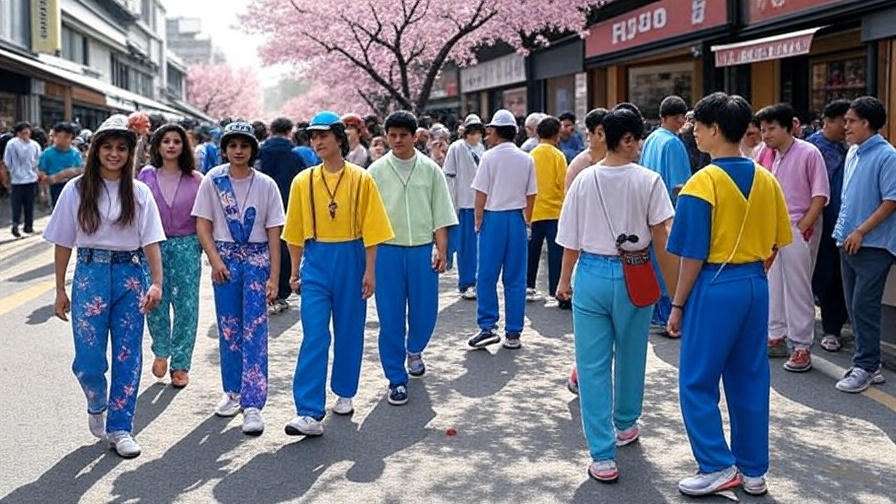

Imagine binge-watching Crash Landing on You, captivated by Seoul’s dazzling skyline and vibrant street markets, and dreaming of living that K-drama life. But can you afford it? Understanding the South Korea salary average is the key to turning that dream into reality. Whether you’re an aspiring expatriate, a K-culture enthusiast, or a professional eyeing a career in South Korea, knowing what you can earn—and how far it goes—is essential. South Korea, a global powerhouse in technology, entertainment, and culture, offers exciting opportunities, but salaries vary widely by industry, region, and role. This comprehensive guide dives deep into South Korea’s salary landscape, providing data-driven insights and practical advice to help you navigate the job market and live comfortably in the land of K-drama.
Understanding South Korea’s Salary Landscape
Why Salary Averages Matter
For anyone considering a move to South Korea, salary averages are more than just numbers—they’re a window into affordability, lifestyle, and career potential. Whether you’re teaching English in a bustling hagwon, coding for a tech giant like Samsung, or working behind the scenes in K-pop production, your earnings shape your experience in this dynamic country. Salaries also reflect South Korea’s economic growth, which has transformed it into a global leader in innovation and entertainment. According to the Korea Labor Institute, understanding wage trends helps job seekers align expectations with reality, especially in a competitive market.
How Salaries Are Calculated in South Korea
South Korea’s salary data is compiled from sources like Statistics Korea, JobKorea, and Saramin, offering reliable benchmarks for professionals. Salaries are typically reported as gross annual earnings, before taxes and social contributions like national pension and health insurance. For 2025, South Korea’s tax system includes progressive rates, with most workers paying 6-15% on incomes between KRW 12-46 million annually. Net salary—what you take home—depends on deductions, which can reduce gross pay by 10-20%. For example, an average earner making KRW 40 million annually might take home around KRW 32-34 million after taxes.
Tip: Use online tax calculators or consult South Korea’s National Tax Service to estimate your net salary accurately.
South Korea Salary Average: The Big Picture
National Average Salary in 2025
 In 2025, the average annual salary in South Korea is approximately KRW 41.96 million (USD 35,000), based on Statistics Korea and OECD data, adjusted for inflation. This figure reflects full-time employees across industries, with variations depending on experience and location. Compared to global peers, South Korea’s average salary is competitive but lower than the U.S. (USD 74,262) and slightly higher than Japan (USD 31,772). For context, here’s how South Korea stacks up:
| Country | Average Annual Salary (USD) |
|---|---|
| South Korea | 35,000 |
| United States | 74,262 |
| Japan | 31,772 |
| Singapore | 52,000 |
Factors Influencing Salary Averages
Salaries in South Korea vary based on industry, education, experience, and location. Seoul, the economic hub, offers higher wages due to its high cost of living, while rural areas pay less but may include incentives. Education level matters: a bachelor’s degree often commands 20-30% higher pay than high school qualifications. Gender pay gaps persist, with women earning about 31% less than men on average, though initiatives like the Ministry of Gender Equality’s policies aim to close this gap.
Expert Insight: The Korea Labor Institute notes that wage growth in tech and entertainment outpaces traditional sectors, driven by global demand for South Korean innovation.
Salary Averages by Industry
Technology and IT
 South Korea’s tech sector, home to giants like Samsung, LG, and SK Hynix, is a salary hotspot. Mid-level software engineers earn KRW 50-80 million annually, while specialists in AI, semiconductors, or cybersecurity can exceed KRW 100 million. Pangyo Techno Valley, dubbed South Korea’s Silicon Valley, attracts talent with competitive wages and benefits like stock options. For example, a software engineer with five years of experience at a startup might earn KRW 60 million, plus bonuses.
Example: Meet Ji-hoon, a 30-year-old developer who transitioned from a small firm to Naver, boosting his salary from KRW 45 million to KRW 70 million by mastering cloud computing skills.
Entertainment and K-Culture
The K-culture boom fuels jobs in K-pop, K-drama, and gaming. Entry-level roles, like production assistants, earn KRW 30-40 million, while directors or producers can make KRW 60-100 million. The gaming industry, with companies like Nexon, offers similar ranges. K-drama scriptwriters, inspired by shows like Vincenzo, typically start at KRW 35 million but can earn more with hit projects.
Case Study: Soo-jin, a scriptwriter, landed a role at Studio Dragon after networking at industry events, earning KRW 50 million annually while working on a popular K-drama.
Education and Teaching
 Teaching, especially English, is a popular path for foreigners. ESL teachers at hagwons (private academies) earn KRW 25-35 million, often with housing provided. Public school teachers earn slightly less but enjoy better job security. University professors, requiring advanced degrees, can earn KRW 50-80 million. Certifications like TEFL or TESOL boost earning potential by 10-15%.
Tip: Invest in a TEFL certification to access higher-paying teaching roles in reputable hagwons or international schools.
Manufacturing and Finance
Traditional sectors like manufacturing (Hyundai, Kia) and finance (Shinhan Bank, KB Financial) offer stable salaries. Mid-level roles in these industries pay KRW 40-70 million, with executives earning significantly more. Manufacturing jobs in Ulsan or Incheon often include overtime pay, increasing annual earnings.
Data Point: Statistics Korea reports that manufacturing salaries grew 3.2% in 2024, reflecting steady demand for skilled workers.
Regional Salary Variations
Seoul vs. Other Cities
Seoul, the heart of South Korea’s economy, offers the highest salaries, averaging KRW 45 million for office workers. In contrast, Busan averages KRW 38 million, and Daegu around KRW 36 million. Jeju, a tourist hub, pays slightly less but offers a relaxed lifestyle. Higher salaries in Seoul are offset by steep living costs, especially housing.
Visual: A salary map could highlight Seoul as a high-wage hub, with secondary cities like Busan and Incheon offering competitive but lower earnings.
Rural Areas and Incentives
Rural areas like Gangwon or Jeollanam-do offer lower salaries (KRW 30-35 million for similar roles) but come with perks. The Ministry of Employment and Labor provides subsidies for teachers, doctors, or public servants relocating to rural regions, adding KRW 5-10 million annually in benefits.
Expert Insight: Government programs aim to balance regional development, making rural jobs attractive for those seeking affordability.
Cost of Living vs. Salary: Can You Live Comfortably?
Breaking Down Living Expenses
 South Korea’s cost of living varies by region. In Seoul, monthly rent for a one-bedroom apartment ranges from KRW 1-2 million, while in Busan, it’s KRW 500,000-1 million. Food costs average KRW 300,000-500,000 monthly, with street food and K-BBQ keeping expenses manageable. Public transportation (KRW 100,000/month) and entertainment (KRW 50,000-100,000) add up, but careful budgeting allows a comfortable lifestyle.
| City | Monthly Rent (KRW) | Food (KRW) | Total Living Costs (KRW) |
|---|---|---|---|
| Seoul | 1-2 million | 400,000 | 2-3 million |
| Busan | 500,000-1 million | 350,000 | 1.5-2 million |
| Daegu | 500,000-800,000 | 300,000 | 1.3-1.8 million |
Saving Potential
On an average salary of KRW 40 million (KRW 3.33 million monthly), a single professional in Seoul can save KRW 500,000-1 million monthly after expenses. In smaller cities, savings increase due to lower rent. A sample budget for a Seoul-based professional might look like:
- Rent: KRW 1.2 million
- Food: KRW 400,000
- Transport: KRW 100,000
- Entertainment: KRW 150,000
- Savings: KRW 800,000
Tip: Prioritize jeonse (key money deposit) housing to reduce monthly rent and boost savings.
How to Maximize Your Earnings in South Korea
Skills and Qualifications in Demand
To command higher salaries in South Korea, certain skills are in high demand. Bilingual proficiency in Korean and English is a major asset, especially in tech, education, and media roles, often boosting salaries by 10-20%. Tech certifications in fields like AI, cloud computing, or data science are highly valued, particularly in hubs like Pangyo Techno Valley. Cultural adaptability—understanding South Korean workplace etiquette—also enhances employability. For example, roles requiring knowledge of Korean business practices, such as client relations at Hyundai or Kakao, often pay a premium.
Example: Sarah, an American expatriate, doubled her salary from KRW 30 million to KRW 60 million by earning a TOPIK Level 4 certification and transitioning from teaching to a corporate training role at a Seoul-based firm.
Navigating the Job Market
Finding a job in South Korea requires strategy. Platforms like JobKorea, Saramin, and LinkedIn are go-to resources for local and international candidates. Networking is critical—attending industry events or joining expat communities like Seoul Global Center can open doors. Recruitment agencies specializing in foreign hires, such as Robert Walters Korea, streamline the process for high-skill roles. Resumes should follow South Korean standards: concise, with a professional headshot and clear education history. Interviews often emphasize cultural fit, so demonstrating respect for hierarchy and punctuality is key.
Tip: Tailor your resume to highlight relevant skills and include a brief cover letter in Korean, even if basic, to show effort and cultural awareness.
Negotiating Salaries
Negotiating in South Korea requires tact, as direct confrontation is less common. Research market rates using JobKorea or Glassdoor to ensure your expectations align with industry standards. Many employers offer benefits like housing allowances, health insurance, or year-end bonuses (typically 1-2 months’ salary), which can significantly increase total compensation. Be prepared to discuss your value—highlight certifications, experience, or unique skills like fluency in multiple languages.
Expert Insight: HR consultant Min-ji Kim, based in Seoul, advises, “Foreign candidates should emphasize their global perspective and technical expertise, as these are highly valued in South Korea’s competitive market.”
Cultural Context: Salaries and South Korean Society
Work Culture and Salary Expectations
South Korea’s work culture is intense, historically characterized by long hours and a strong emphasis on collective success. While the government’s 52-hour workweek policy (introduced in 2018 and refined through 2025) has reduced overtime, some industries, like tech and entertainment, still demand dedication. Salaries often reflect this, with bonuses tied to performance or project success. For example, K-drama production staff may work 60-hour weeks during filming but receive substantial completion bonuses. Understanding this dynamic, often depicted in shows like Misaeng, helps set realistic expectations.
Example: In Misaeng, the protagonist navigates corporate life, highlighting how dedication and teamwork influence promotions and pay—an accurate reflection of South Korean workplaces.
Social Perceptions of Income
In South Korea, income is closely tied to social status. High earners, especially in prestigious fields like medicine or tech, are often viewed as successful, reflecting the cultural value placed on financial stability. This perception influences career choices, with many young Koreans aiming for stable, high-paying roles at chaebols (conglomerates) like Samsung or SK. However, cultural shifts toward work-life balance are changing attitudes, especially among younger generations who prioritize personal fulfillment over purely financial goals.
Insight: A 2024 study by the Korea Institute for Health and Social Affairs found that 65% of Gen Z Koreans value job satisfaction over salary, a shift from older generations’ focus on income alone.
FAQs About South Korea Salary Average
What is the average salary in South Korea for foreigners?
Foreigners’ salaries align with national averages (KRW 41.96 million annually), but roles like ESL teaching (KRW 25-35 million) or tech engineering (KRW 50-80 million) vary based on qualifications and industry. Bilingual foreigners often earn more.
How does South Korea’s minimum wage compare to the average salary?
In 2025, South Korea’s minimum wage is KRW 10,030 per hour (approximately KRW 20.9 million annually for a 40-hour week), about half the national average. Many entry-level jobs, especially in retail or hospitality, hover near this level.
Are salaries in South Korea enough to cover living expenses?
Yes, an average salary of KRW 40 million supports a comfortable lifestyle, especially outside Seoul. In Seoul, budgeting is key due to high rent (KRW 1-2 million monthly), but savings are possible with prudent planning.
Which industries in South Korea pay the highest salaries?
Technology (AI, semiconductors) and finance lead, with mid-level roles paying KRW 50-100 million. Entertainment (K-drama, K-pop) and medicine also offer high earning potential for specialized roles.
How can I find reliable salary data for South Korea?
Trusted sources include Statistics Korea, JobKorea, Saramin, and OECD reports. Platforms like Glassdoor provide user-submitted data, but cross-reference with official sources for accuracy.
South Korea’s salary landscape offers exciting opportunities for those drawn to its vibrant culture and dynamic economy. With an average salary of KRW 41.96 million (USD 35,000) in 2025, professionals in tech, entertainment, and education can thrive, though costs in Seoul demand careful budgeting. By leveraging in-demand skills, navigating the job market strategically, and understanding cultural nuances, you can maximize your earnings and live the K-drama-inspired life you’ve dreamed of. Explore more about South Korea’s culture and career paths on our site, and share your questions or experiences in the comments below!