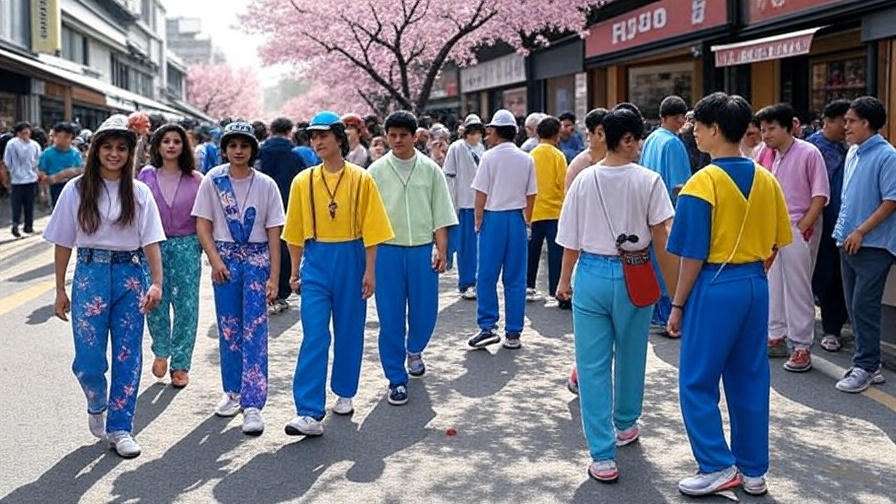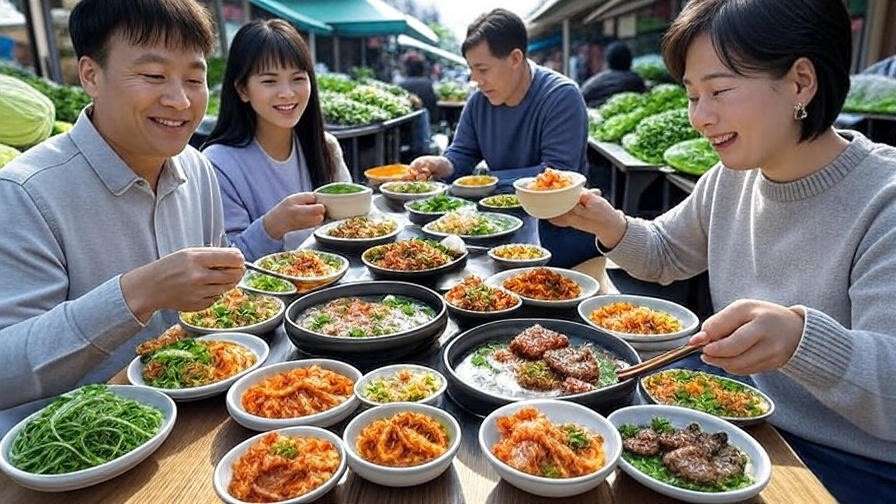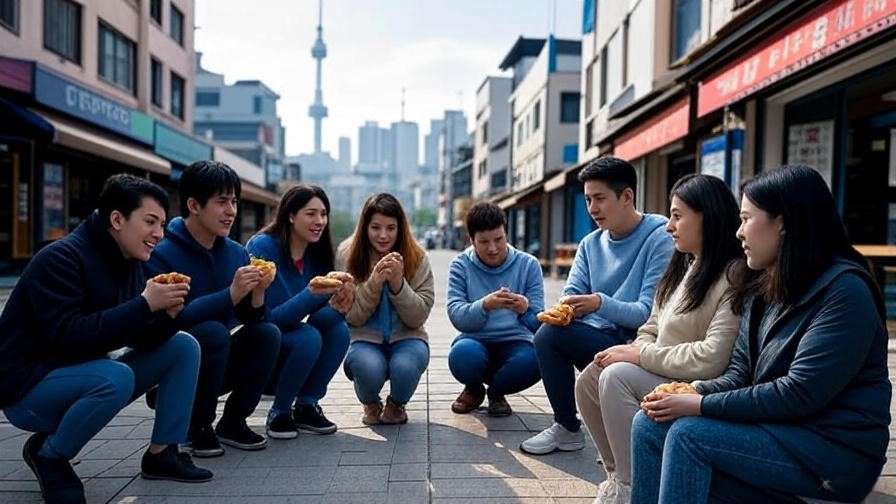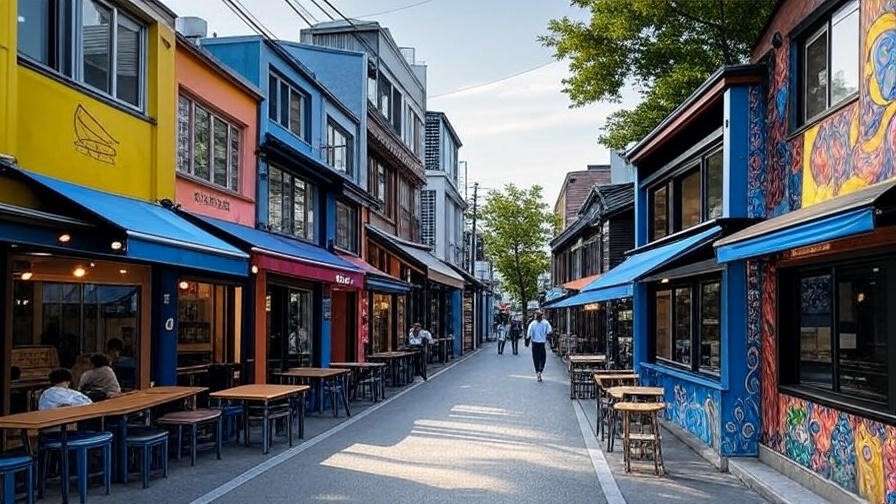

Imagine strolling through the historic hanok villages of Seoul, the vibrant settings of your favorite K-dramas, and realizing you could own a piece of this cultural tapestry. In 2025, the South Korea real estate economic landscape offers a unique blend of investment potential and cultural immersion, captivating global enthusiasts of Korean culture. From K-pop-inspired properties to eco-friendly urban developments, South Korea’s property market is booming, driven by economic growth and the global allure of Hallyu (the Korean Wave). This comprehensive guide explores the 2025 real estate market, offering actionable insights for cultural enthusiasts eager to invest while honoring South Korea’s rich heritage. Backed by expert analysis and the latest economic data, this article will help you navigate opportunities with confidence.
Why South Korea’s Real Estate Market is a Cultural and Economic Hotspot in 2025
South Korea’s real estate market in 2025 is a dynamic intersection of economic strength and cultural magnetism, making it a prime destination for investors with a passion for Korean culture.
Economic Drivers Shaping 2025
South Korea’s economy is projected to grow steadily in 2025, with the Bank of Korea forecasting a GDP growth rate of approximately 2.1% (Bank of Korea, 2024). This stability, coupled with government initiatives to attract foreign investment, fuels a robust real estate sector. Key industries like technology (Samsung, LG) and entertainment (HYBE, CJ ENM) drive demand for commercial and residential properties, particularly in urban centers like Seoul and Busan. Government policies, such as relaxed foreign ownership regulations, further enhance accessibility for international investors. For cultural enthusiasts, this economic backdrop creates a fertile ground for investments that align with their passions.
Cultural Appeal for Investors
The global rise of K-culture—spanning K-dramas, K-pop, and Korean cuisine—has transformed South Korea’s real estate market into a cultural phenomenon. Properties near iconic filming locations, like Itaewon (featured in Itaewon Class) or Bukchon Hanok Village, command premium prices due to their cultural significance. For instance, a 2024 report by the Korea Real Estate Board noted a 15% increase in property values near cultural landmarks over the past three years. Investors passionate about Korean culture can capitalize on this trend by targeting properties that resonate with global fans, blending emotional connection with financial returns.
Key Real Estate Trends to Watch in South Korea for 2025
 Understanding the latest trends is crucial for making informed investment decisions in South Korea’s dynamic real estate market.
Urban vs. Rural Opportunities
Seoul remains the epicenter of South Korea’s real estate market, with luxury apartments in Gangnam and Mapo fetching high returns due to demand from affluent buyers and expatriates. In 2025, prime Seoul properties are expected to yield an average ROI of 5-7% annually, according to Colliers International (2024). Meanwhile, rural areas like Jeju Island and Gyeongju are emerging as attractive alternatives, offering lower entry costs and growing tourism appeal. Jeju, known for its natural beauty and cultural festivals, saw a 10% increase in property transactions in 2024, driven by demand for vacation homes and boutique hotels.
Sustainable and Smart Homes
Sustainability is a key trend in 2025, with South Korea’s government offering tax incentives for eco-friendly developments. New residential projects in Seoul and Incheon integrate solar panels, energy-efficient designs, and smart home technologies like IoT-controlled lighting and heating. For example, the Songdo International Business District showcases sustainable urban planning, attracting eco-conscious investors. Cultural enthusiasts can find opportunities in projects that blend modern sustainability with traditional Korean aesthetics, such as hanok-inspired eco-homes.
Impact of Tourism and K-Culture
The Korean Wave continues to drive tourism, with 2025 projections estimating 20 million international visitors, a 12% increase from 2024 (Korea Tourism Organization). This surge boosts demand for short-term rentals, particularly in areas like Myeongdong and Hongdae, where K-drama fans flock to experience filming locations. Properties near cultural hubs, such as Gyeongbokgung Palace, offer high rental yields, with Airbnb data showing 8-10% returns in prime locations. Investors can leverage this trend by targeting properties that cater to K-culture tourists, combining cultural immersion with profitability.
Opportunities for Cultural Enthusiasts in South Korea’s Real Estate Market
For those captivated by Korean culture, 2025 presents unique opportunities to invest in properties that reflect their passions while delivering financial rewards.
Investing in Heritage Properties
Traditional hanok homes, with their elegant wooden structures and tiled roofs, are cultural treasures that attract both local and international buyers. In 2025, government programs like the Hanok Preservation Incentive offer tax breaks for restoring these properties, making them viable investments. However, challenges include high maintenance costs and strict preservation regulations. Partnering with local architects ensures renovations respect cultural authenticity while meeting modern standards. For example, a restored hanok in Bukchon Hanok Village can generate rental income from cultural tourists, blending heritage with profit.
K-Drama and K-Pop Inspired Investments
 Properties in iconic K-drama locations, such as Gangnam (featured in Crash Landing on You) or Jeju Island (Our Blues), are in high demand. Cultural enthusiasts can invest in boutique hotels or themed Airbnbs that cater to fans seeking immersive experiences. A success story from 2024 highlights a K-drama-themed guesthouse in Seoul’s Itaewon, which achieved 90% occupancy rates by offering themed decor and guided tours. These investments allow enthusiasts to celebrate their love for K-culture while tapping into a lucrative market.
Community-Driven Cultural Projects
Investing in cultural centers or artist residencies offers a way to support South Korea’s creative community while generating returns. For instance, projects in Busan’s Gamcheon Culture Village combine modern real estate with traditional aesthetics, attracting artists and tourists alike. Collaborating with local communities ensures investments respect cultural values, enhancing long-term value. A 2024 case study of a community-driven cultural center in Gyeongju showed a 6% annual return, driven by tourism and local engagement.
Economic Factors Influencing Real Estate in 2025
Understanding the economic landscape is essential for navigating South Korea’s real estate market effectively.
Interest Rates and Financing
The Bank of Korea is expected to maintain interest rates at around 3.5% in 2025, stabilizing borrowing costs for real estate purchases (Bank of Korea, 2024). Foreign investors can access financing through local banks, though requirements like proof of income and residency status apply. “For cultural enthusiasts, securing financing from banks familiar with heritage properties can simplify the process,” says Dr. Min-Jae Park, a Seoul-based real estate economist. Exploring mortgage options early ensures smoother transactions.
Government Policies and Incentives
South Korea’s government continues to support foreign investment through policies like the Foreign Investment Promotion Act, which streamlines property purchases for non-residents. Tax incentives for eco-friendly and cultural preservation projects further enhance appeal. For example, investors restoring hanoks can receive up to a 20% tax reduction on renovation costs. Staying informed about policy changes, such as potential capital gains tax adjustments in 2025, is critical for maximizing returns.
Global Economic Influences
Global economic trends, including U.S. and Chinese market fluctuations, impact South Korea’s real estate sector. A strong U.S. dollar in 2025 could make Korean properties more affordable for American investors, while trade tensions with China may affect commercial property demand. Currency exchange strategies, such as hedging, can protect against volatility. Data from the International Monetary Fund (2024) suggests South Korea’s resilience to global economic shifts makes it a stable investment destination.
Practical Steps to Invest in South Korea’s Real Estate Market
Navigating South Korea’s real estate market requires careful planning and a deep understanding of both economic and cultural factors. Here are actionable steps to help cultural enthusiasts make informed investment decisions in 2025.
Researching the Market
Thorough research is the foundation of successful real estate investment. Start by exploring platforms like Naver Real Estate and Zigbang, which provide detailed listings and market trends across South Korea. For cultural enthusiasts, focus on regions with historical or K-culture significance, such as Seoul’s Bukchon Hanok Village or Busan’s Haeundae Beach, a popular K-drama filming location. Analyze market reports from the Korea Real Estate Board, which project a 4-6% property value increase in urban areas for 2025. Understanding local demand drivers, like tourism or corporate growth, ensures investments align with market dynamics. Tip: Subscribe to English-language newsletters from Korean real estate agencies for up-to-date insights.
Legal and Cultural Considerations
Foreign investors must navigate South Korea’s property ownership laws, which are relatively straightforward but require compliance. Non-residents can purchase property without a visa, but they must report transactions to the Ministry of Land, Infrastructure, and Transport within 60 days. Cultural etiquette is equally important—building relationships with local stakeholders, such as brokers or community leaders, fosters trust. For example, when negotiating for a hanok property, showing respect for its cultural significance can lead to better deals. A common pitfall to avoid is underestimating maintenance costs for heritage properties, which can exceed 10% of the property’s value annually.
Partnering with Local Experts
Collaborating with local real estate agents and cultural consultants is critical for success. Agents specializing in K-culture properties, such as those near Gyeongbokgung Palace, can identify high-potential investments. “Foreign investors benefit immensely from local expertise, especially when targeting culturally significant properties,” says Ji-Hye Kim, a Seoul-based real estate agent with 15 years of experience. Look for agents certified by the Korea Association of Realtors and consult cultural historians for heritage projects. These partnerships ensure investments respect local traditions while maximizing financial returns.
Risks and Challenges to Consider
While South Korea’s real estate market offers exciting opportunities, investors must be aware of potential risks to make informed decisions.
 Market Volatility
Economic uncertainties, such as global inflation or trade disruptions, could impact South Korea’s real estate market in 2025. For instance, a potential slowdown in China’s economy may reduce demand for commercial properties in Seoul’s business districts. To mitigate risks, diversify investments across property types—mixing urban apartments with rural vacation homes, for example. Hedging against currency fluctuations is also advisable for foreign investors. Data from the Korea Real Estate Research Institute (2024) suggests that diversified portfolios reduce risk exposure by up to 20%.
Cultural Sensitivities
Investing in culturally significant properties, like hanoks or temple-adjacent homes, requires sensitivity to local traditions. A 2023 case study highlighted an American investor who faced community backlash after modernizing a hanok without consulting local preservation groups, resulting in a 30% loss on resale. To avoid such pitfalls, engage with community leaders early and prioritize authentic restoration. For example, using traditional materials like hanji paper for renovations signals respect for cultural heritage and enhances property appeal.
Regulatory Hurdles
South Korea’s real estate regulations can be complex, particularly for foreign investors. Capital gains taxes, which may rise to 30% for non-residents in 2025, and restrictions on short-term rentals in certain zones require careful planning. Working with a local lawyer specializing in real estate ensures compliance. For instance, Seoul’s zoning laws may limit Airbnb operations in residential areas, impacting rental income projections. Staying updated on regulatory changes through government portals like Invest Korea prevents costly oversights.
How to Maximize Returns While Honoring Korean Culture
 Maximizing returns in South Korea’s real estate market involves blending financial savvy with cultural respect, creating investments that resonate with both local communities and global audiences.
Blending Modern and Traditional
Modernizing properties while preserving cultural elements is a winning strategy. For example, a 2024 hanok renovation in Jeonju integrated solar panels and smart thermostats while retaining traditional ondol heating, resulting in a 25% increase in rental income. Use architects experienced in blending contemporary and traditional designs to create properties that appeal to both locals and tourists. This approach not only boosts property value but also aligns with South Korea’s push for sustainable cultural preservation.
Leveraging K-Culture for Profit
 Properties marketed to K-drama and K-pop fans can generate significant returns. Create immersive experiences, such as themed guesthouses with K-drama-inspired decor or guided tours of nearby filming locations. A 2024 success story in Busan saw a K-pop-themed Airbnb achieve 85% occupancy by offering fan meet-and-greet packages. Promote properties on platforms like Instagram and TikTok, targeting global K-culture fans. This strategy taps into the 20 million tourists expected in 2025, many of whom seek culturally authentic stays.
Long-Term Investment Strategies
Balancing short-term gains with long-term value is key. For instance, investing in properties near planned cultural developments, like the 2025 Seoul Cultural Arts Center, can yield sustained appreciation. Diversify across urban and rural markets to hedge against localized downturns. “Cultural enthusiasts should think beyond immediate profits and focus on properties that embody Korea’s heritage,” advises Dr. Soo-Min Lee, a cultural historian. Long-term strategies ensure investments remain profitable while contributing to South Korea’s cultural legacy.
FAQs
- What are the best cities in South Korea for real estate investment in 2025?
Seoul, Busan, and Jeju Island are top picks due to their economic vibrancy and cultural appeal, with Seoul offering high ROI and Jeju attracting tourism-driven investments. - Can foreigners easily buy property in South Korea?
Yes, non-residents can purchase property, but they must comply with reporting requirements and may face higher taxes. Consulting a local lawyer simplifies the process. - How does K-culture influence real estate values?
Properties near K-drama filming sites or cultural landmarks see up to 15% higher values due to global demand from fans and tourists. - What are the tax implications for foreign investors in South Korea?
Capital gains taxes range from 20-30% for non-residents, with potential deductions for cultural or eco-friendly projects. - Are there specific incentives for investing in cultural heritage properties?
Yes, programs like the Hanok Preservation Incentive offer tax breaks and grants for restoring traditional properties. - How can I ensure my investment aligns with South Korean cultural values?
Partner with local experts, engage with communities, and prioritize authentic restoration to respect cultural heritage.
South Korea’s real estate market in 2025 offers a unique opportunity for cultural enthusiasts to invest in a dynamic, culturally rich landscape. By leveraging economic trends, embracing K-culture, and respecting local traditions, investors can achieve both financial success and cultural impact. Whether you’re drawn to the historic charm of hanoks or the vibrant energy of K-drama-inspired properties, now is the time to explore South Korea’s market. Start researching with platforms like Naver Real Estate, connect with local experts, and seize the opportunities awaiting in 2025. With insights from industry leaders and data-driven strategies, this guide empowers you to make informed, culturally respectful investments.