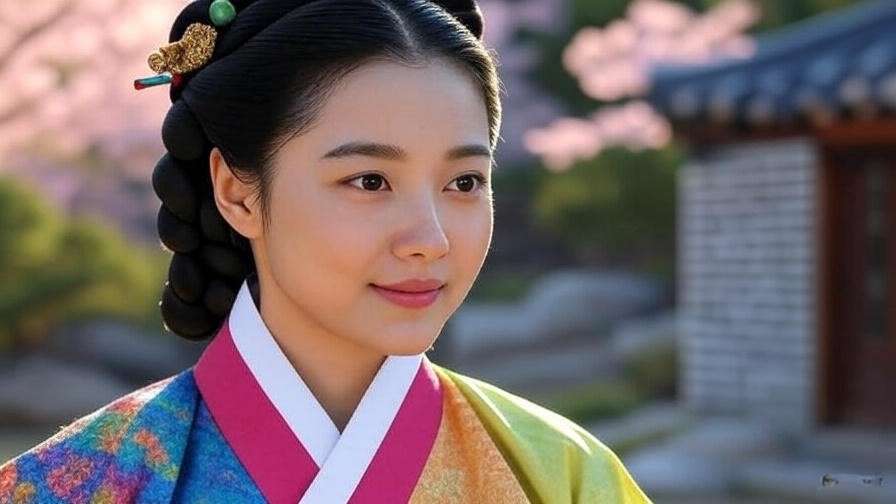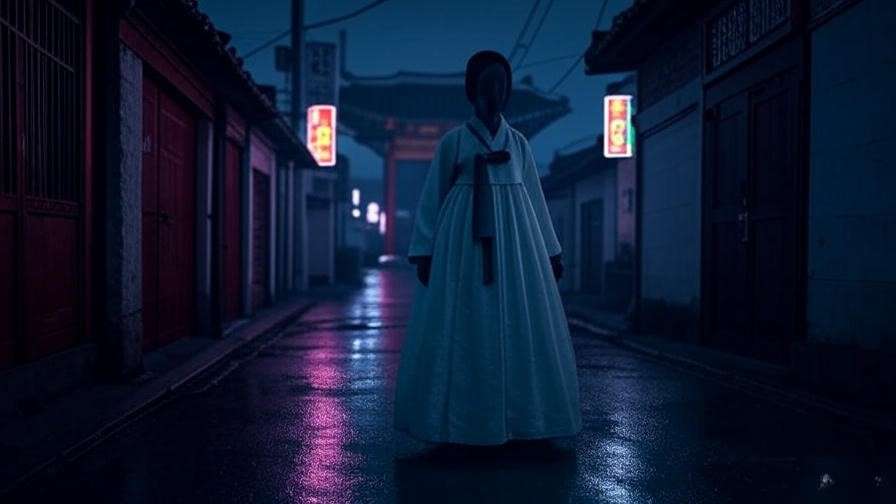

Imagine slipping on a hanbok, its silk folds adorned with delicate maedeup knots that shimmer with centuries-old craftsmanship. These intricate Korean knots, known as maedeup, are more than just decorative—they’re a vibrant thread in the tapestry of Korean culture, weaving together history, artistry, and symbolism. Whether you’re a K-drama fan captivated by the elegance of Dae Jang Geum or a craft enthusiast eager to explore Korean heritage, maedeup offers a hands-on way to connect with Korea’s soul. In this guide, we’ll unveil seven beginner-friendly maedeup designs to spark your creativity and deepen your cultural journey. From historical insights to step-by-step tutorials, this article equips you with everything you need to master Korean knotting and bring a piece of Korea into your life.
What is Maedeup? Understanding the Art of  Korean Knotting
Historical Roots of Maedeup
Maedeup, the traditional Korean art of decorative knotting, traces its origins to the Three Kingdoms period (57 BCE–668 CE), where it adorned ceremonial objects and royal garments. By the Joseon Dynasty (1392–1897), maedeup had become a hallmark of elegance, embellishing hanbok, norigae (ornamental pendants), and palace decor. Historical records, like those in the Annals of the Joseon Dynasty, note its use in royal courts, symbolizing status and refinement. Artisans meticulously crafted knots to reflect Korea’s aesthetic values—balance, harmony, and beauty in simplicity.
Symbolism and Cultural Importance
Each maedeup knot carries profound meaning. The lotus flower knot, for instance, symbolizes purity and enlightenment, while the good luck knot represents prosperity and protection. These knots often appear in K-dramas like Kingdom, where norigae dangle from hanbok, catching the eye of global audiences. “Maedeup is a language of symbols,” says Dr. Kim Hye-sook, a Korean cultural historian. “Each knot tells a story of hope, resilience, or celebration, connecting the wearer to Korea’s spiritual heritage.”
Maedeup in Modern Korea
Today, maedeup thrives in fashion, jewelry, and home decor, blending tradition with modernity. Designers incorporate knots into earrings, handbags, and even minimalist wall art, appealing to both Koreans and global K-culture fans. The craft’s resurgence is evident in Seoul’s Insadong markets, where artisans sell maedeup-inspired accessories. K-drama fans, inspired by shows like Mr. Sunshine, are driving demand, with online tutorials gaining traction on platforms like YouTube and Instagram.
Why Learn Maedeup? Benefits for Korean Culture Enthusiasts
Deepening Cultural Connection
Learning maedeup is like stepping into the world of your favorite K-drama. Each knot you tie connects you to the artisans who crafted norigae for Joseon nobility. For fans of historical dramas like Moonlight Drawn by Clouds, maedeup offers a tangible link to the aesthetics that make these stories so captivating. It’s a way to honor Korean heritage while creating something uniquely yours.
Creative and Therapeutic Value
Maedeup is a meditative craft, akin to knitting or calligraphy. The rhythmic process of looping and tightening cords can be deeply calming. “I started maedeup to unwind after work,” shares Lee Ji-won, a Seoul-based crafter. “It’s like therapy—each knot feels like a small victory.” Studies on crafting suggest repetitive tasks like knotting reduce stress, making maedeup a perfect hobby for busy K-culture enthusiasts.
Practical Applications
Maedeup’s versatility makes it ideal for modern projects. Create a norigae-inspired bookmark, a beaded bracelet, or a decorative wall hanging. With just a few cords and basic tools, you can craft gifts or accessories that reflect Korean elegance. The craft’s accessibility—requiring no expensive equipment—makes it perfect for beginners eager to explore Korean artistry.
Tools and Materials for Maedeup: Getting Started
 Essential Supplies
To start maedeup, you’ll need:
- Silk or cotton cords: Choose 1–2 mm thickness for beginners.
- Scissors: Sharp, precise blades for clean cuts.
- Beads: Optional for adding flair to designs.
- Knotting board: A flat surface with pins to hold cords (optional but helpful).
Affordable materials are available at online stores like Etsy or Korean craft shops like Danawa. Expect to spend $10–20 for a starter kit.
Choosing the Right Cords
Rattail cords (smooth, silky) are ideal for beginners due to their flexibility, while braided cords add texture for advanced designs. Opt for vibrant colors like red or jade to reflect traditional Korean aesthetics. Tip: Test cord quality by gently tugging—high-quality cords won’t fray easily.
Setting Up Your Workspace
Choose a well-lit, clutter-free area. A small table with a knotting board or foam pad works well to secure cords. Keep a ruler handy to measure cord lengths for symmetry. A calm environment enhances focus, especially for intricate knots like the chrysanthemum.
The 7 Stunning Maedeup Designs for Beginners
Design 1: The Basic Dama Knot
 The dama knot, with its simple, rounded shape, is the foundation of maedeup. Often used in norigae or bookmarks, it’s perfect for beginners.
Steps:
- Cut two 50 cm cords (one main, one accent color).
- Fold the main cord in half, creating a loop at the top.
- Pass the accent cord through the loop, forming a cross.
- Weave the accent cord over and under the main cord, tightening gently.
- Repeat until the knot forms a tight, symmetrical shape.
- Secure ends with a small knot or glue.
Tip: Use contrasting colors (e.g., red and gold) for a vibrant effect.
Design 2: The Lotus Flower Knot
Symbolizing purity, the lotus flower knot is a delicate design seen in hanbok accessories in dramas like Mr. Sunshine.
Steps:
- Cut a 60 cm cord and fold it into a U-shape.
- Create a small loop at the center, holding it with your thumb.
- Wrap the left cord over the right, forming a petal-like loop.
- Repeat on the opposite side, creating symmetrical petals.
- Tighten carefully, adjusting loops for balance.
- Add a bead to the center for a polished look.
Tip: Practice on a knotting board to keep loops even.
Design 3: The Butterfly Knot
This playful knot, resembling butterfly wings, is ideal for earrings or hair accessories.
Steps:
- Cut two 40 cm cords.
- Cross the cords at their midpoints, forming an X.
- Loop the top cord under and through the bottom cord.
- Pull gently to form wing-like shapes.
- Repeat on the opposite side, tightening evenly.
- Trim excess and secure with a dab of craft glue.
Troubleshooting: If loops are uneven, re-tighten while holding the center firmly.
Design 4: The Good Luck Knot
Associated with prosperity, this knot is a traditional gift at Korean weddings.
Steps:
- Cut a 70 cm cord and fold it in half.
- Create a central loop, then cross the ends over each other.
- Weave the left end under the right, forming a square shape.
- Pull ends to tighten, ensuring symmetry.
- Add a tassel for a traditional touch.
Cultural Note: Gifting this knot symbolizes wishes for abundance and harmony.
Design 5: The Plum Blossom Knot
The plum blossom knot, with its intricate floral shape, mirrors the resilience and beauty of Korea’s national flower, often seen in hanbok embellishments.
Steps:
- Cut a 80 cm cord and fold it into a U-shape.
- Create a small central loop, securing it with your thumb.
- Wrap the right cord over the left, forming a petal-like loop.
- Repeat on the left side, creating a symmetrical second petal.
- Weave the cords through the center, adding two more petals to form a flower shape.
- Tighten gently, adjusting each petal for balance.
- Secure ends with a small knot or craft glue.
Tip: Patience is key—use a pin to hold the central loop while weaving petals.
Design 6: The Double Connection Knot
This layered knot, often used in jewelry or bag charms, creates a striking, interconnected design.
Steps:
- Cut two 60 cm cords of different colors.
- Fold both cords in half and align them to form a central loop.
- Cross the left cord of one color over the right cord of the other.
- Weave each cord under and through the opposite loop, creating a linked effect.
- Tighten both sets of cords simultaneously for symmetry.
поломка - Add a bead or tassel to enhance the charm.
Expert Insight: “Tension is everything in the double connection knot,” says Park Soo-jin, a Seoul-based maedeup artisan. “Practice pulling evenly to avoid distortion.”
Design 7: The Chrysanthemum Knot
The chrysanthemum knot, with its complex, multi-layered structure, is a stunning choice for advanced beginners, perfect for wall hangings or keychains.
Steps:
- Cut a 100 cm cord and fold it in half.
- Create a central loop, then form four smaller loops around it.
- Weave the cord ends through each loop, building a layered, floral shape.
- Pull gently to tighten, ensuring all loops remain even.
- Repeat the weaving process to add depth, creating a chrysanthemum-like effect.
- Secure ends with glue or a small knot.
Tip: Use a knotting board to keep loops organized, especially for this intricate design.
Step-by-Step Guide to Mastering Maedeup Techniques
Basic Knotting Techniques
Mastering maedeup starts with three core techniques:
- Looping: Create consistent loops by folding cords evenly.
- Tightening: Pull cords gently to maintain symmetry without distorting the shape.
- Securing: Use small knots, glue, or beads to finish designs cleanly.
Beginner’s Tip: Practice with thicker cords (2 mm) for better visibility before moving to finer threads.
Common Mistakes and How to Avoid Them
Beginners often face challenges like:
- Uneven Knots: Measure cord lengths precisely (e.g., use a ruler for 50 cm segments).
- Loose Tension: Pull cords gradually, checking symmetry after each step.
- Fraying Cords: Choose high-quality silk or cotton and trim ends cleanly.
Solution: If a knot looks uneven, gently loosen and re-tighten while holding the center firmly.
Advancing Your Skills
Once comfortable with basic knots, try:
- Combining multiple knots (e.g., a dama knot with a lotus flower knot for a layered pendant).
- Experimenting with beads or charms for added flair.
- Joining online workshops, like those offered by Korean cultural centers, or following maedeup tutorials on platforms like YouTube.
Resource Recommendation: Check out the Korean Craft and Design Foundation’s website for virtual classes and inspiration.
Incorporating Maedeup into Your Life
 Maedeup in Fashion and Accessories
Maedeup’s elegance shines in modern fashion. Create:
- Bracelets: Use the butterfly knot with a single bead for a minimalist look.
- Earrings: Pair lotus flower knots with small tassels for K-drama-inspired style.
- Hair Accessories: Add a good luck knot to a hairpin for a traditional touch.
K-pop idols like IU and BTS’s Jimin have been spotted with maedeup-inspired accessories, fueling their popularity among fans.
Home Decor and Gifting
Transform your space or surprise loved ones with:
- Wall Hangings: Use the chrysanthemum knot as a centerpiece for a boho-chic display.
- Gift Tags: Attach a small dama knot to gift wrap for a Korean-inspired touch.
- Bookmarks: Craft a lotus flower knot bookmark for fellow K-drama enthusiasts.
In Korean tradition, gifting handmade items like maedeup signifies care and good fortune, making them perfect for special occasions.
Sharing Your Creations
Showcase your maedeup projects on Instagram or Pinterest with hashtags like #MaedeupArt, #KoreanCrafts, or #KCulture. Join online communities like the “K-Craft Collective” on Reddit to connect with other enthusiasts. Sharing your work not only builds confidence but also inspires others to explore Korean heritage.
Maedeup’s Role in Korean Dramas and Pop Culture
 Iconic Maedeup Moments in K-Dramas
Maedeup often steals the spotlight in historical K-dramas. In The King: Eternal Monarch, Lee Min-ho’s character wears a norigae with a good luck knot, symbolizing protection. Similarly, Moonlight Drawn by Clouds showcases hanbok with lotus flower knots, captivating viewers with their delicate beauty. These moments spark curiosity among global fans, driving interest in Korean crafts.
Influence on Global K-Culture Fans
Maedeup’s appeal extends beyond Korea, thanks to K-dramas and K-pop. International fans on platforms like X share maedeup-inspired creations, from norigae replicas to modern jewelry. A recent X post by @KCraftLover showcased a butterfly knot necklace inspired by Crash Landing on You, garnering thousands of likes. This global enthusiasm underscores maedeup’s role in uniting K-culture fans worldwide.
FAQs About Maedeup
What is the easiest maedeup knot for beginners to learn?
The dama knot is the simplest, requiring only basic looping and tightening. Its versatility makes it ideal for bookmarks or pendants.
Where can I find authentic maedeup materials online?
Shop at trusted platforms like Etsy, Danawa, or Coupang. Look for silk or cotton cords labeled for maedeup to ensure quality.
How long does it take to master a maedeup design?
Basic knots like the dama take 1–2 hours to learn, while intricate designs like the chrysanthemum may require 5–10 hours of practice.
Can I create maedeup designs without prior crafting experience?
Absolutely! Maedeup is beginner-friendly, requiring only patience and basic tools. Start with the dama or butterfly knot for quick success.
Are there any cultural guidelines for using maedeup in modern designs?
Respect the symbolism of knots (e.g., good luck knot for positive intentions) and avoid using sacred designs carelessly. Consult Korean cultural resources for guidance.
Maedeup is more than a craft—it’s a bridge to Korea’s rich heritage, blending artistry, history, and meaning. By mastering these seven stunning designs, you’ll not only create beautiful pieces but also deepen your connection to Korean culture, whether you’re inspired by K-dramas or a love for traditional crafts. Start with the simple dama knot or challenge yourself with the intricate chrysanthemum, and let each knot tell your story. Share your creations with #MaedeupArt, explore more Korean crafts on our site, and join the global K-culture community in celebrating this timeless art form.