
Imagine slicing into a crisp, juicy Korean radish, its mild yet peppery flavor elevating your homemade kimchi or jjigae to the level of your favorite Korean drama family meal. For fans of Korean culture, growing your own mu (Korean radish) is a rewarding way to connect with authentic culinary traditions. Understanding Korean radish maturation time is key to cultivating this versatile root vegetable successfully. Whether you’re a home gardener or a K-drama enthusiast craving authentic flavors, this guide offers expert insights into growing perfect mu for your kitchen. From planting to harvest, we’ll cover everything you need to know to achieve vibrant, delicious radishes in 50–70 days.
In this comprehensive article, you’ll learn the intricacies of Korean radish growth, including maturation timelines, variety-specific tips, and how to use your harvest in iconic Korean dishes. With practical advice and cultural connections, this guide ensures your gardening journey is both productive and deeply rooted in Korean heritage.
What is Korean Radish (Mu) and Why It Matters
Understanding Korean Radish in Korean Culture
Korean radish, known as mu in Korean, is a cornerstone of Korean cuisine, appearing in beloved dishes like kkakdugi (cubed radish kimchi), dongchimi (radish water kimchi), and musaengchae (spicy radish salad). Its crisp texture and slightly sweet, peppery flavor make it a staple in banchan (side dishes) and hearty soups like mu guk. Beyond the kitchen, mu holds cultural significance, often featured in traditional meals during family gatherings or holidays like Chuseok. Historically, Korean radish has been cultivated for centuries, with farmers perfecting varieties suited to Korea’s climate and culinary needs.
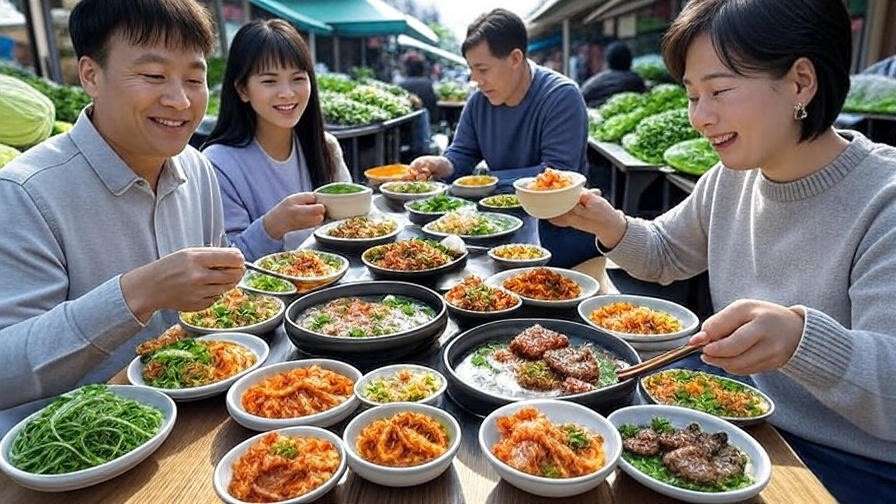
For K-drama fans, mu often appears in heartwarming scenes of communal dining, such as in Reply 1988, where families bond over homemade kimchi. Growing your own mu lets you recreate these authentic flavors while deepening your connection to Korean culture.
Nutritional and Culinary Benefits of Mu
Korean radish is a nutritional powerhouse, low in calories yet rich in vitamin C, potassium, and dietary fiber. It supports digestion, boosts immunity, and adds a refreshing crunch to meals. Unlike smaller red radishes, mu is larger, typically 4–8 inches long, with a white exterior and a mild flavor that intensifies with maturity. Compared to Japanese daikon, Korean radish is shorter, rounder, and often has a greenish shoulder, making it ideal for Korean recipes requiring a balance of sweetness and spice.
Its versatility shines in both raw and cooked dishes. Young radishes are perfect for fresh salads, while mature ones add depth to stews and ferments. For home cooks, mu is a gateway to authentic Korean flavors without needing specialty ingredients.
Korean Radish Maturation Time: The Basics
What is Maturation Time?
Maturation time refers to the period from planting Korean radish seeds to harvesting fully developed roots. For most varieties, this spans 50–70 days, depending on factors like climate, soil, and care. Understanding this timeline is crucial for planning your garden and ensuring your radishes reach the perfect size and flavor. Proper timing prevents issues like pithy or woody textures, which occur when radishes are harvested too late.
Typical Maturation Timeline for Korean Radish
The growth of Korean radish unfolds in distinct stages:
- Germination (5–10 days): Seeds sprout, requiring consistent moisture and warmth (50–75°F).
- Vegetative Growth (20–30 days): Leaves develop, and the plant establishes its root system.
- Root Development (25–30 days): The radish bulb forms, reaching harvestable size (4–6 inches long).
External factors, such as temperature and soil quality, can extend or shorten this timeline. For example, cooler fall temperatures may slow growth but enhance sweetness, while warm spring conditions can speed it up.
Popular Korean Radish Varieties and Their Maturation Times
Different Korean radish varieties have slightly varying maturation times, allowing gardeners to choose based on their growing season:
- Baechu Radish: Used in kimchi, matures in 60–70 days. Large, cylindrical, and mildly sweet.
- Yeolmu Radish: Ideal for young radish kimchi, matures in 40–50 days. Smaller, with tender greens.
- Seoul Spring Radish: A hybrid variety, matures in 50–60 days. Known for uniform size and crisp texture.
Expert Tip: Select a variety suited to your climate. For shorter growing seasons, opt for Yeolmu; for longer seasons, Baechu is a reliable choice.
Step-by-Step Guide to Growing Korean Radish
Preparing Your Garden for Korean Radish
 To grow healthy mu, start with the right conditions:
- Soil: Korean radish thrives in well-drained, loamy soil with a pH of 6.0–7.0. Test your soil with a pH kit (available at garden centers) and amend with compost if needed.
- Sunlight: Provide 6–8 hours of direct sunlight daily for optimal growth.
- Season: Plant in spring (March–April) or fall (August–September) to avoid extreme heat, which can cause bolting (premature flowering).
Prepare your garden bed by loosening soil to a depth of 12 inches, as mu needs room for its deep roots.
Planting Korean Radish Seeds
Follow these steps for successful planting:
- Sow Seeds: Plant seeds ½ inch deep, spaced 6–8 inches apart in rows 12 inches apart.
- Water Gently: Keep soil consistently moist but not waterlogged to encourage germination.
- Thin Seedlings: Once seedlings emerge (5–10 days), thin to the strongest plants to prevent overcrowding.
Expert Tip: Soak seeds in water for 4–6 hours before planting to boost germination rates, especially in cooler climates.
Caring for Korean Radish During Growth
 Proper care ensures healthy development:
- Watering: Provide 1 inch of water per week, ensuring even moisture. Avoid overwatering, which can cause root rot.
- Fertilizing: Apply organic compost or a balanced fertilizer (NPK 10-10-10) every 2–3 weeks. Avoid high-nitrogen fertilizers, which promote leafy growth over root development.
- Pest Management: Watch for pests like root maggots or aphids. Use neem oil or row covers for organic control.
Monitoring Maturation and Knowing When to Harvest
 Korean radishes are ready to harvest when they reach 4–6 inches in length and feel firm. To check, gently pull one radish and assess its size and texture. Young radishes (harvested early) are tender and mild, perfect for salads, while mature ones are spicier, ideal for kimchi or soups.
Expert Insight: Harvest in the morning after a light watering for the best flavor and texture. Use a garden fork to loosen soil and avoid breaking the roots.
Factors That Influence Korean Radish Maturation Time
Climate and Seasonal Impacts
Temperature and daylight significantly affect maturation. Korean radish prefers cool weather (50–65°F), making fall planting ideal for sweeter roots. Spring planting works well but requires monitoring for heat spikes, which can slow growth or cause bolting. In regions with mild winters, year-round planting is possible with careful variety selection.
Soil and Water Conditions
Soil quality is critical for timely maturation. Poor drainage or compacted soil can stunt root growth, extending maturation time. Test soil drainage by digging a 12-inch hole and filling it with water; it should drain within 4 hours. Consistent watering prevents cracking, which occurs when soil alternates between dry and wet.
Common Mistakes That Delay Maturation
Avoid these pitfalls:
- Overcrowding: Planting seeds too close together restricts root growth. Thin seedlings early.
- Nutrient Deficiencies: Yellowing leaves may indicate nitrogen or potassium shortages. Use a soil test to diagnose and amend.
- Inconsistent Care: Irregular watering or neglecting weeds can slow development. Set a regular care schedule.
Using Your Home-Grown Korean Radish in Authentic Korean Recipes
Incorporating Mu into Korean Dishes
 Your home-grown mu can star in these classic recipes:
- Mu Kimchi: Cube mature radishes and ferment with garlic, ginger, and gochugaru for spicy kkakdugi.
- Dongchimi: Use young radishes for this refreshing, non-spicy water kimchi, perfect as a palate cleanser.
- Musaengchae: Shred fresh radishes and toss with sesame oil, chili flakes, and vinegar for a quick banchan.
Tip: Younger radishes (harvested at 40–50 days) are best for mild dishes, while mature ones (60–70 days) add bold flavor to ferments.
Storage Tips for Freshness
To keep your radishes fresh:
- Refrigeration: Store in a perforated plastic bag in the fridge for up to 1 month.
- Pickling: Ferment or pickle excess radishes to extend shelf life.
- Freezing: Blanche and freeze sliced radishes for soups (up to 6 months).
Cultural Connection: Radish in Korean Drama and Cuisine
In K-dramas like Crash Landing on You or Reply 1988, radish-based dishes often symbolize family and tradition. Recreate these moments by using your home-grown mu in recipes that bring Korean culture to life. Growing mu connects you to the heart of Korean culinary heritage, making every meal a cultural celebration.
Troubleshooting Common Korean Radish Growing Challenges
Why Is My Radish Taking Too Long to Mature?
If your Korean radish is maturing slower than the expected 50–70 days, several factors could be at play:
- Poor Soil Quality: Compacted or nutrient-deficient soil hinders root development. Conduct a soil test to check for deficiencies in nitrogen, phosphorus, or potassium, and amend with organic matter like compost or well-rotted manure.
- Insufficient Sunlight: Less than 6 hours of direct sunlight daily can slow growth. Relocate plants to a sunnier spot or use reflective mulch to maximize light exposure.
- Wrong Variety: Some varieties, like Baechu radish, naturally take longer (60–70 days). Switch to faster-maturing varieties like Yeolmu (40–50 days) for quicker results.
Solution: Adjust planting conditions based on your region. For example, in cooler climates, maturation may extend by 5–10 days, so plan your planting schedule accordingly.
Dealing with Pests and Diseases
 Korean radish is susceptible to common garden pests and diseases, which can disrupt maturation:
- Pests: Root maggots, aphids, and flea beetles are frequent culprits. Root maggots burrow into the radish, causing stunted growth. Use floating row covers to block pests and apply neem oil for organic control.
- Diseases: Root rot (from overwatering) and clubroot (a soil-borne fungus) can affect mu. Ensure proper drainage and rotate crops annually to prevent disease buildup.
Expert Tip: Companion planting with lettuce or marigolds can deter pests naturally, reducing the need for chemical interventions.
Preventing Cracked or Woody Radishes
Cracked or woody radishes are a common frustration for gardeners:
- Cracking: Caused by inconsistent watering, where rapid moisture changes make roots split. Maintain steady soil moisture with 1 inch of water per week, using mulch to retain moisture.
- Woody Texture: Results from late harvesting or high temperatures. Harvest radishes at 4–6 inches for optimal texture, and avoid planting in summer heat.
Solution: Check soil moisture regularly with a finger test (soil should feel like a wrung-out sponge) and harvest promptly when radishes reach maturity.
Expert Tips for Growing Korean Radish Like a Pro
To elevate your Korean radish game, consider these insights from experienced gardeners and Korean farmers:
- Companion Planting: Plant mu alongside lettuce or onions to deter pests and maximize garden space. These companions also improve soil health.
- Succession Planting: Sow seeds every 2 weeks for a continuous harvest, especially with fast-growing varieties like Yeolmu.
- Organic Mulching: Use straw or grass clippings to regulate soil temperature and moisture, reducing stress on developing roots.
- Tool Recommendation: Invest in a soil pH tester (e.g., Luster Leaf Rapitest) to monitor soil conditions accurately. Source seeds from reputable suppliers like Kitazawa Seed Co., which offers authentic Korean radish varieties.
- Sustainable Practices: Compost kitchen scraps (like radish greens) to enrich soil, aligning with eco-friendly gardening principles.
Expert Quote: “Growing mu is like nurturing a piece of Korean heritage,” says Ji-Young Park, a Seoul-based organic farmer. “With the right timing and care, your radishes will bring the authentic taste of Korea to your table.”
Frequently Asked Questions (FAQs)
What is the fastest-growing Korean radish variety?
Yeolmu radish is the fastest, maturing in 40–50 days. Its smaller size and tender greens make it perfect for young radish kimchi or fresh salads.
Can I grow Korean radish in containers?
Yes, Korean radish grows well in containers at least 12–18 inches deep to accommodate root growth. Use a well-draining potting mix and ensure 6–8 hours of sunlight. Water consistently and thin seedlings to avoid overcrowding.
How do I know if my radish is ready to harvest?
Check for a diameter of 1–2 inches at the soil surface and a length of 4–6 inches. Gently pull one radish to test firmness and flavor. Harvest younger for mild taste, or later for spicier notes.
Does maturation time vary by region?
Yes, cooler climates (e.g., northern U.S. or Europe) may extend maturation by 5–10 days due to lower temperatures. Warmer regions (e.g., southern U.S.) may see faster growth but risk bolting in heat.
Can I grow Korean radish year-round?
In mild climates (USDA zones 8–10), year-round planting is possible with careful variety selection and season adjustments. In colder regions, stick to spring and fall for best results.
Growing Korean radish (mu) at home is a delightful way to connect with Korean culture while enjoying fresh, authentic ingredients for your favorite dishes. By mastering Korean radish maturation time—typically 50–70 days—you can cultivate crisp, flavorful mu for kimchi, soups, and banchan. This guide has equipped you with expert tips, from selecting the right variety to troubleshooting common challenges, ensuring your gardening journey is both successful and culturally enriching.
Start your mu garden today and bring the flavors of Korean dramas to life. Share your growing tips or favorite mu recipes in the comments or on X with #KoreanRadishHarvest. For more inspiration, explore our articles on Korean gardening and K-drama-inspired recipes!