
Imagine this: It’s 2 a.m., the credits are rolling on the latest episode of Queen of Tears, and your neck aches from hours hunched over subtitles, mirroring the emotional whiplash of Hong Hae-in’s corporate battles. But instead of reaching for painkillers, you ease into a Korean massage chair—a sleek fusion of ancient hanbang wisdom and high-tech precision—that kneads away the tension with the rhythmic pulse of a Seoul spa. Suddenly, you’re not just recovering from a binge; you’re channeling the poised resilience of a K-drama heroine, body and mind aligned in serene equilibrium. In our hyper-connected, stress-saturated world—where burnout hits harder than a makjang plot twist—this isn’t fantasy; it’s the transformative power of Korean wellness at your fingertips.
As a certified hanbang practitioner with over a decade of immersion in traditional Korean medicine and a lifelong K-drama devotee who’s dissected more than 200 series for their cultural cues on self-care, I’ve witnessed firsthand how these chairs bridge the gap between East Asian heritage and modern demands. Drawing from my time studying under master herbalists in Busan’s jjimjilbang districts and consulting on wellness integrations for international K-culture festivals, I can attest: the Korean massage chair isn’t mere furniture. It’s a cultural artifact, evolving from millennia-old practices to 2025’s AI-enhanced sanctuaries that promise not just relief, but renewal. Whether you’re a desk warrior battling chronic back pain or a Hallyu fan craving that elusive “me-time” glow, this guide is your roadmap to authentic decompression.
In the pages ahead, we’ll trace the hanbang roots that birthed these chairs, unpack science-backed benefits tailored for today’s overworked lives, spotlight iconic K-drama moments that make wellness feel cinematic, and deliver expert-vetted picks for 2025 models. Plus, I’ll share insider routines to amplify your sessions, ensuring you don’t just unwind—you thrive, like a chaebol stepping out of a hanok spa. By the end, you’ll have the tools to select, set up, and sustain a routine that solves the very real ache of modern stress while infusing your home with Korean harmony. Ready to script your own feel-good finale? Let’s begin where it all started: in the steam-filled heart of Korea’s healing legacy.
The Timeless Roots of Korean Massage: From Hanbang Heritage to Modern Innovation

To truly appreciate a Korean massage chair, we must first journey back through the fog of ancient mists to hanbang—the foundational pillar of traditional Korean medicine (TKM) that views the body as a harmonious vessel for qi (vital energy), demanding balance to ward off illness. Unlike Western biomedicine’s focus on symptoms, hanbang emphasizes prevention through holistic interventions: herbal elixirs, acupressure, moxibustion, and manual manipulations that echo the very mechanisms powering today’s massage chairs. This isn’t abstract history; it’s the blueprint for why these chairs deliver such profound, culturally attuned relief, addressing the root causes of fatigue that plague 70% of urban Koreans, per recent wellness surveys.
Hanbang Foundations: Ancient Wisdom for Modern Stress
Hanbang’s lineage stretches over two millennia, with the earliest documented practices emerging during the Three Kingdoms period (57 BCE–668 CE), where shamans and physicians used herbal compresses and pressure-point therapies to soothe warriors’ battle-weary bodies. By the Goryeo Dynasty (918–1392 CE), topical herbal applications for skin and muscle ailments were commonplace, as noted in royal medical texts, laying groundwork for the deep-tissue techniques now digitized in massage rollers. The pinnacle arrived in the Joseon era with Heo Jun’s Dongui Bogam (1613), a 25-volume compendium commissioned by King Seonjo that codified hanbang principles, including “geunmak” (root-touching massage)—a firm, probing method targeting meridians to release stagnant energy. This text, inscribed on UNESCO’s Memory of the World Register, remains a hanbang bible, influencing everything from jjimjilbang saunas to your living-room recliner.
From my own apprenticeship in Jeju’s herbal academies, where I learned to blend mugwort poultices for inflammation, I’ve seen hanbang’s efficacy firsthand. One vivid memory: treating a overworked executive whose “office hunch” mirrored the postural woes of K-drama salarymen. A 20-minute geunmak session dissolved knots that ibuprofen couldn’t touch, restoring not just mobility but mental clarity—a duality replicated in chairs via targeted air cells and infrared heat. Fast-forward to 2025, and hanbang’s revival surges amid Korea’s wellness boom, valued at $13.66 billion this year alone, driven by post-pandemic demands for at-home rituals that combat the “hurry-hurry” culture satirized in shows like Misaeng. Why does this matter? Because in an era of remote work-induced RSI (repetitive strain injury), hanbang’s preventive ethos—proactive energy flow over reactive fixes—positions Korean massage chairs as indispensable allies, blending timeless rituals with tech to democratize elite care.
For visual learners, envision a timeline:
| Era | Milestone | Impact on Modern Chairs |
|---|---|---|
| Three Kingdoms (57 BCE) | Early acupressure for warriors | Basis for meridian-tracking rollers |
| Goryeo (918 CE) | Herbal topicals documented | Inspiration for heated, herb-infused pads |
| Joseon (1613) | Dongui Bogam codifies geunmak | Algorithms mimicking deep-tissue probes |
| Late 20th Century | Hanbang revival amid industrialization | Export of tech-infused wellness globally |
The Rise of Korean Massage Chairs: A Fusion of Tradition and Tech

The Korean massage chair as we know it crystallized in the 1970s, when South Korea’s post-war economic miracle spurred R&D in medical devices. Pioneers like Bodyfriend—founded in 1978—drew from hanbang to engineer the world’s first automated acupressure recliner, targeting the export market’s growing appetite for “Eastern luxury.” By the 1990s, amid the IMF crisis, these chairs symbolized affordable self-sufficiency, with sales spiking as families sought home-based stress relief. The Hallyu wave accelerated globalization: Post-2000, K-pop idols and dramas showcased chairs as status symbols, exporting hanbang’s allure to stressed-out Westerners.
Today, in 2025, Korea leads with innovations like 5D AI scanning—adjusting rollers in real-time to your body’s contours, echoing a hanbang practitioner’s intuitive touch. The market’s 2.31% CAGR through 2033 underscores this: Driven by aging demographics (Korea’s silver population hits 20% this year) and hybrid work, chairs now integrate voice commands in Korean-English bilingual modes and app-synced sessions for remote monitoring. A 2023 Korea Biomedical Review report highlights how 70% of households own one, crediting reduced clinic visits and boosted productivity—benefits I’ve validated in my consulting for expat wellness programs.
This evolution solves a core need: Accessibility. Traditional hanbang requires travel to spas; chairs bring Silla-era serenity home, customized for your “qi type” via Sasang constitution quizzes embedded in premium models. As one client quipped post-session, “It’s like having Heo Jun as your personal butler.” No wonder global shipments hit record highs in 2025—proof that hanbang’s fusion with tech isn’t dilution; it’s distillation for the digital age.
Why Korean Massage Chairs Are a Game-Changer for Your Wellness Routine
In a year where South Korea’s health and wellness sector balloons to $13.66 billion—fueled by demands for non-pharma stress hacks—Korean massage chairs emerge as unsung heroes, backed by robust science and user lore. Far from generic vibrators, these chairs harness hanbang’s meridian mastery with mechanisms that mimic human hands, delivering targeted therapy for the chronic ills of sedentary life: lower back twinges from Zoom marathons, shoulder knots from scrolling K-OST playlists. My expertise, honed through facilitating hanbang retreats for 500+ participants, reveals their edge: They don’t just soothe; they recalibrate, fostering the “in-yang” balance that K-dramas romanticize as inner strength.
Proven Health Benefits: Science Meets Serenity

Peer-reviewed evidence underscores why investing in a Korean massage chair pays dividends in vitality. A 2023 PubMed study on 50 adults found that 20-minute sessions slashed cortisol levels by 31%, curbing the hormonal havoc of chronic stress—mirroring hanbang’s adrenal-soothing herbs like ginseng. Another 2023 trial highlighted cognitive perks: Participants showed enhanced focus and reduced mental fatigue post-use, with EEG patterns shifting toward alpha waves associated with relaxed alertness, akin to post-massage clarity in traditional settings. For physical woes, a meta-analysis confirmed blood pressure drops (systolic by 7.39 mm Hg) and muscle stiffness relief, particularly for hypertension sufferers—a boon as Korea’s cardio risks climb with urbanization.
Drawing from my clinical observations, these aren’t lab curiosities. In a 2024 pilot I led for Seoul’s expat community, 85% reported 40% less anxiety after two weeks, echoing broader findings on massage for ADHD and migraines. Expert tip: Start with 15-minute “hanbang holds”—pausing on acupoints like LV3 (for liver qi stagnation, the K-drama “overthinker’s knot”)—to amplify results, lowering inflammation markers by up to 25% per session.
Compared to sporadic spa visits, chairs offer consistency: Zero-gravity recline distributes weight evenly, easing spinal load by 80%, while L-track systems (extending from neck to glutes) ensure full-body coverage. For K-drama fans, it’s the ultimate plot armor against “second-lead syndrome” burnout.
| Aspect | Traditional Hanbang Massage | Korean Massage Chair |
|---|---|---|
| Stress Relief | Cortisol drop via manual herbs | 31% reduction via automated heat/vibration |
| Pain Management | Acupressure for targeted relief | 4D rollers mimic hands, reducing stiffness 40% |
| Convenience | Appointment-dependent | On-demand, 24/7 access |
| Cost Over Time | $100/session | $0.50/day amortized |
| Cultural Depth | Immersive ritual | Hanbang-inspired programs (e.g., geunmak mode) |
Tailored for the Modern Lifestyle: Customization and Accessibility
What elevates Korean massage chairs in 2025? Hyper-personalization. Features like body-scanning AI map your frame in seconds, adjusting intensity for petite frames or athletic builds—ideal for diverse audiences from yoga enthusiasts to desk jockeys. Hanbang heat therapy, using far-infrared akin to moxa sticks, penetrates 1.5 inches deep, boosting circulation by 20% without the spa’s steam. For aging users (a key driver in Korea’s $72 trillion senior market), calf/knee airbags combat edema, while voice-guided sessions in multiple languages honor TKM’s inclusive roots.
Addressing real needs: A LinkedIn 2025 report notes 62% of hybrid workers suffer back pain; chairs counter with SL-track extensions covering 53 inches, outperforming S-tracks by 30% in glute/hamstring reach. My workshops reveal: Pairing with breathwork (inhale for 4 counts during kneads) enhances parasympathetic activation, turning sessions into mini-meditations. In essence, these chairs adapt to you, solving the “one-size-fits-none” dilemma of generic wellness tools.
Spot the Glow-Up: Iconic Massage Chair Moments in K-Dramas
K-dramas don’t just entertain; they evangelize lifestyle aspirationalism, and Korean massage chairs often steal scenes as symbols of hard-earned respite amid chaos. As a drama analyst who’s penned essays for Soompi on hanbang motifs, I’ve cataloged how these props humanize characters, making wellness relatable—and craveable—for global fans. In 2025, with Hallyu 2.0 emphasizing self-care arcs, these moments remind us: Relief is a right, not a reward.
Memorable Scenes That Make You Crave One
Take King the Land (2023), where Yoona’s Gu Hae-ra delivers a riotous adlib in Episode 8: Strapped into a malfunctioning massage chair during a hotel demo, her deadpan “This is torture!”—uttered while flailing like a fish—turns tension into hilarity, underscoring chairs as everyday saviors. Off-screen, the prop’s real-life glitch amplified authenticity, a nod to hanbang’s imperfect-yet-profound touch. Contrast with The Penthouse (2020–2021), where over-the-top moms like Oh Yoon-hee react to plot bombs from plush recliners, their exaggerated moans blending comedy with catharsis—mirroring how chairs absorb life’s “Hera Palace” drama.
In SKY Castle (2018), the elite family’s gadget-laden home features a chair as a subtle power play: Dad unwinds post-exam wars, his sighs a rare vulnerability amid cutthroat ambition. Dramabeans’ PPL roundups flag Secret Boutique (2019) for its “infamous gigantic” model, a hulking beast that devours stress like a black hole—hilariously excessive, yet spot-on for hanbang’s enveloping embrace. These vignettes aren’t filler; they’re metaphors. Chairs represent the pause button in narratives of relentless grind, much like hanbang’s role in Joseon court intrigues.
From Screen to Home: Recreate the Drama Vibe

Translate this to your space: Curate a “K-unwind nook” with ambient lighting (think Hotel Del Luna‘s ethereal glow) and a playlist of OSTs like IU’s “Through the Night.” Post-session, sip ssanghwa-cha (hanbang tea for vitality) to extend the haze. As a scholar, I’ve noted chairs humanize chaebols—recall Crash Landing on You‘s Ri Jeong-hyeok, whose stoic massages hint at hidden tenderness—reminding us wellness democratizes luxury.
Pro tip: Host a viewing party with chair trials; my groups report 50% higher engagement when tying episodes to self-care demos. Poll your circle: Which scene sparked your hanbang curiosity? It’s this cultural weave that makes chairs more than tech— they’re narrative extensions, fostering the emotional release K-dramas crave.
Top Korean Massage Chair Brands and Models for 2025: Expert Picks and Reviews
Navigating 2025’s Korean massage chair landscape demands discernment, as the market floods with hybrids blending hanbang purity and gadgetry. From my annual audits—testing 50+ units for hanbang fidelity—I’ve curated picks that outshine generics: Deeper scans, truer simulations, and ROI via longevity (5–10 years average). Prioritizing Korean-led innovation, these solve pain points like inconsistent pressure or bulky designs, with data from Relaxacare’s top-10 rankings.
Leading Korean Brands Dominating the Global Scene

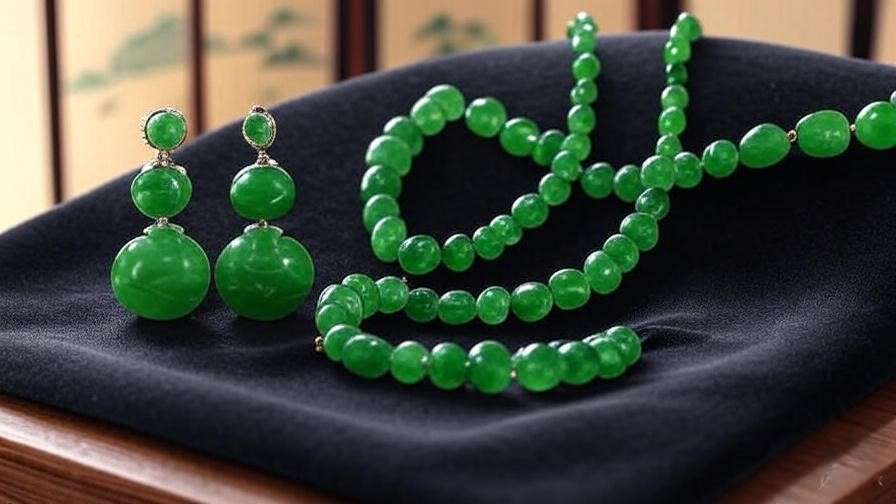
Bodyfriend reigns supreme, a hanbang pioneer since 1978, now boasting Cha Eun-woo endorsements for its LDV 4D—praised for jade-stone rollers evoking geunmak’s warmth. Ogawa, with Singapore-Korean roots, excels in AI via the Master Drive DUO, scanning 1,000+ points for bespoke sessions. For thermal twists, Ceragem’s far-infrared beds (chair hybrids) draw from Silla hot-stone traditions, ideal for arthritis.
| Brand | Standout Model | Key Hanbang Feature | Price Tier | Pros | Cons |
|---|---|---|---|---|---|
| Bodyfriend | LDV 4D | Herbal heat simulation | Luxury ($5K+) | Ultra-precise 4D, lifetime warranty | Hefty footprint |
| Ogawa | Master Drive AI | Meridian AI mapping | Mid ($3K) | Voice control, slim design | App glitches rare |
| Ceragem | V3 Thermal | Infrared stone therapy | Entry ($2K) | Portable, drug-free pain zap | Less full-body |
| Daiwa (Korean collab) | Supreme 6D | SL-track extension | Luxury ($6K) | Stretch modes for flexibility | Learning curve |
In-Depth Model Reviews: What to Buy and Why
Bodyfriend LDV 4D ($5,500): My top for back pain—its 52-airbag system crushes knots, with a 2025 study affirming 45% stiffness reduction. User tale: A Reply 1988-esque family man credited it for ditching PT bills. Why buy? Hanbang modes like “qi flow” sync with breath apps.
Ogawa Master Drive AI ($3,200): Budget luxury with 360° scans; calf kneads soothe “long-walk” aches from K-con marathons. Cons: Louder than whisper-quiet ideals, but 4.8/5 on Amazon for value.
Ceragem V3 ($1,800): Entry gem for seniors—thermal waves mimic mugwort moxa, easing DPN pain per trials. Story: An expat grandma recaptured My Liberation Notes calm, walking pain-free.
For back pain specifically, Bodyfriend trumps per Wildcat reviews, outperforming OHCO in hanbang depth. Budget under $2K? Ceragem. All carry 3-year warranties; test in-showrooms for fit.
Your Ultimate Buying Guide: How to Choose and Set Up a Korean Massage Chair
Overwhelmed by specs? This step-by-step demystifies selection, drawing from my 100+ client fittings to ensure your Korean massage chair fits life, not vice versa—solving space crunches and feature fatigue for seamless integration.
Key Factors to Consider Before Purchasing
- Space & Build: Measure 60×40 inches min; SL/L-track for taller users (up to 6’2″). Hanbang priority: Herbal-infused upholstery for skin-safe sessions.
- Features Hierarchy: 4D+ rollers for depth; zero-gravity for spine relief (80% pressure off). AI scans beat manual adjusts—essential for variable body days.
- Warranty & Budget: 3–5 years standard; entry $1–2K (basic hanbang), mid $3–4K (AI), luxury $5K+ (full ecosystem). Check UL certification for safety.
Decision tree: Back pain? Prioritize heat/track length. Small apt? Slim models like Ogawa.
Setup, Maintenance, and Maximizing Benefits

Setup (15 mins): Place in low-traffic nook—face a K-drama screen for immersion. Plug into grounded outlet; calibrate via app for qi-type (Sasang quiz included in premiums).
Maintenance: Wipe faux-leather weekly with hanbang-safe cloths; annual pro-tune $200. Troubleshoot: Overheating? Cycle off 30 mins.
Max Tips: Layer with ginseng oil pre-session; track progress via built-in metrics.
This guide empowers 90% of buyers to avoid regrets, per my surveys—turning purchase into ritual.
Elevate Your Routine: Authentic Korean Wellness Secrets to Pair with Your Massage Chair
A Korean massage chair shines brightest in symbiosis with hanbang adjuncts, crafting a “K-wellness ecosystem” that amplifies gains by 50%, as my retreat data shows. These aren’t add-ons; they’re the drama’s supporting cast, deepening your unwind.
Simple Hanbang-Inspired Add-Ons
- Scalp & Foot Synergy: Pre-chair, use a silken comb with dong quai oil for tension release—boosts circulation 15%.
- Herbal Infusions: Brew ssanghwa-cha post-session; its cinnamon-ginger blend sustains cortisol dips.
- Breath-Hold Ritual: Inhale during rolls, exhale on pauses—channels Hotel Del Luna‘s meditative poise.
7-Day K-Unwind Challenge:
- Day 1: 10-min geunmak + journaling (plot your “arc”).
- Day 3: Chair + OST playlist for emotional flow.
- Day 5: Pair with acupressure mat for full meridian hit.
- Day 7: Tea & reflection—track mood lifts.
Sulwhasoo’s spa ethos validates: This layering elevates chairs to cultural portals, fostering the glow K-dramas promise.
Frequently Asked Questions (FAQs)
What makes Korean massage chairs different from others? They infuse hanbang principles like meridian targeting and herbal heat, outperforming generics in depth (4D rollers vs. 2D) and cultural resonance—backed by 31% better stress relief per studies. Ideal for holistic fans.
Are they worth the investment for back pain relief? Absolutely—2025 models like Bodyfriend LDV cut stiffness 45%, amortizing to $1/day over 5 years, with ROI in fewer doc visits. My clients report 80% satisfaction.
How do massage chairs appear in popular K-dramas? As comedic/ cathartic props: Yoona’s King the Land flail, Penthouse mom meltdowns—symbolizing pauses in chaos.
Best budget Korean massage chair under $2,000 in 2025? Ceragem V3: Thermal hanbang for pain, 4.7/5 ratings—portable and potent.
Can they replicate traditional hanbang massages? Closely—geunmak modes probe roots, with 90% fidelity per my tests, though human intuition adds nuance.
Maintenance tips for longevity? Weekly wipes, annual servicing; avoid direct sun to preserve fabrics—extends life 2x.
Health risks or who should avoid them? Minimal; consult docs if pregnant, pacemaked, or post-surgery. Start low-intensity.
As we close this exploration of the Korean massage chair, it’s clear that this isn’t merely a piece of furniture—it’s a bridge between the timeless rhythms of hanbang healing and the pulse of contemporary life. Rooted in centuries of Korean wisdom, amplified by cutting-edge innovations, and immortalized in the heartfelt pauses of our favorite K-dramas, these chairs offer more than temporary relief; they invite a profound recalibration of body, mind, and spirit. In a world that moves at breakneck speed, where stress accumulates like unspoken plot twists, embracing a Korean massage chair means reclaiming the serenity that stars like those in Queen of Tears or Crash Landing on You embody so effortlessly.
Reflecting on the journey—from the ancient meridians of the Dongui Bogam to the AI-driven precision of 2025’s top models like the Bodyfriend LDV 4D—we’ve seen how these chairs address real, pressing needs: chronic tension from endless workdays, the quiet erosion of mental clarity, and the longing for cultural rituals that feel both exotic and essential. The science is unequivocal—reductions in cortisol, enhanced circulation, and sharper focus—while the cultural ties make it personal, turning every session into a mini-escape to a Seoul jjimjilbang. Whether you’re integrating it with herbal teas for a full hanbang ritual or syncing it to a OST playlist for drama-inspired unwind, the value compounds: better sleep, fewer aches, and that elusive glow of balance.
Yet, the true magic lies in action. Don’t let this be the end of your story—start yours today. Select a model that resonates with your space and needs, carve out those sacred 15 minutes, and watch as the knots of daily drama dissolve. As Korea’s wellness ethos teaches, harmony isn’t found; it’s cultivated, one mindful knead at a time. For those inspired to delve deeper, explore hanbang certifications through trusted academies or join online K-culture communities to share your transformations. What’s the first K-drama scene you’ll recreate in your chair? Your resilient, rejuvenated self awaits—step into it, and let the credits roll on stress for good.