
Picture this: your little one twirling in a soft, pastel-hued onesie inspired by the elegance of a Korean hanbok, stealing hearts at every family gathering. Korean infant clothes have taken the global stage, blending adorable aesthetics with unparalleled comfort, thanks to the worldwide influence of K-dramas and K-pop. For parents seeking stylish yet practical outfits for their babies, Korean baby fashion offers a perfect solution. This article dives deep into the latest trends in Korean infant clothes, providing expert tips to choose high-quality, comfortable, and culturally inspired outfits that keep your baby cozy and chic. As a Korean culture enthusiast with years of research into K-fashion and parenting trends, I’ll guide you through everything you need to know to dress your little one in style.
Why Korean Infant Clothes Are Trending Globally
The Influence of Korean Pop Culture
The Hallyu wave—Korea’s global cultural phenomenon—has made Korean infant clothes a must-have for parents worldwide. K-dramas like Crash Landing on You and family-oriented shows like The Return of Superman showcase babies in adorable, minimalist outfits that blend modern trends with traditional Korean aesthetics. These outfits, often featuring soft pastels or hanbok-inspired designs, have inspired parents to seek similar styles. Social media platforms, including X, buzz with posts from parents sharing their babies’ Korean-inspired looks, amplifying the trend. According to a 2024 report from Korea’s Ministry of Trade, exports of children’s clothing rose by 15% last year, driven by global demand for K-fashion.
Unique Characteristics of Korean Infant Fashion
Korean infant clothes stand out for their thoughtful design. Think organic cotton onesies with seamless stitching, breathable bamboo rompers, and hanbok-style outfits that balance tradition with modernity. These pieces prioritize comfort, safety, and style, reflecting Korea’s cultural emphasis on nurturing and aesthetic harmony. Unlike fast fashion, Korean baby clothing often uses hypoallergenic, eco-friendly materials, making it ideal for sensitive skin. The minimalist yet playful designs—think subtle animal motifs or soft geometric patterns—appeal to parents who want their babies to look stylish without sacrificing practicality.
Global Appeal for Parents
Why are parents worldwide obsessed with Korean infant clothes? Affordability, quality, and trendsetting designs top the list. A well-made Korean onesie can cost as little as $10-$20 on platforms like Coupang, yet rivals the quality of pricier Western brands. The versatility of these outfits, from casual playdates to festive celebrations, makes them a go-to choice. Plus, the gender-neutral trend in Korean baby fashion allows parents to mix and match outfits effortlessly, saving time and money. For K-culture fans, dressing their babies in Korean-inspired clothes feels like a celebration of their love for Korean dramas and music.
Key Trends in Korean Infant Clothes for 2025
Minimalist and Gender-Neutral Designs
 Korean infant fashion is leading the charge in minimalist, gender-neutral clothing. Neutral tones like beige, sage green, and soft gray dominate, reflecting Korea’s love for understated elegance. These designs are versatile, allowing parents to create cohesive wardrobes without worrying about traditional gender norms. Brands like MaruMaru offer collections with clean lines and soft textures, perfect for everyday wear. This trend aligns with global shifts toward inclusivity, making Korean infant clothes a favorite for modern parents.
Hanbok-Inspired Outfits
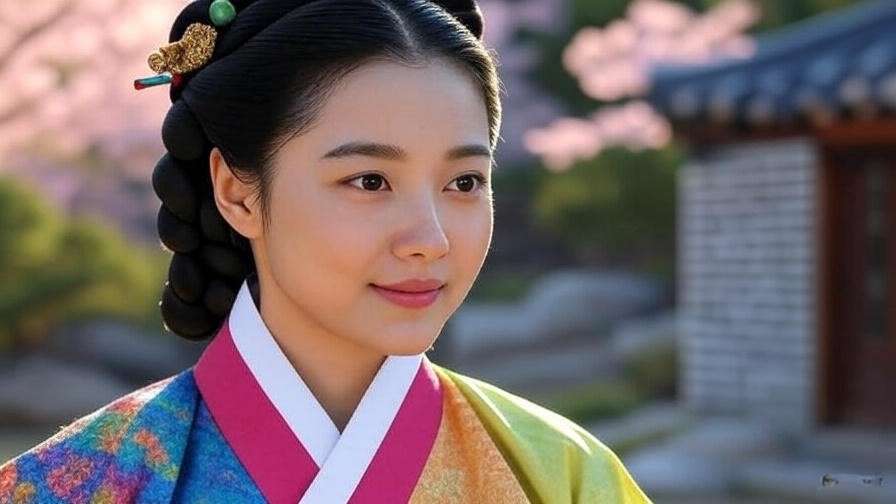
Traditional Korean hanbok is reimagined in infant clothing, with lightweight cotton versions that bring cultural charm to daily wear. These outfits feature vibrant yet soft colors, delicate embroidery, and flowing silhouettes adapted for babies. For example, a hanbok-inspired onesie might include a wrap-style front and pastel trims, making it both adorable and functional. Brands like BebeAnge specialize in these designs, offering outfits for special occasions like a baby’s first birthday (dol), a significant Korean tradition. Parents love these pieces for their cultural significance and photo-worthy appeal.
Eco-Friendly and Organic Materials
 Sustainability is a cornerstone of Korean infant fashion. Many brands use organic cotton, bamboo, and linen, which are gentle on delicate skin and environmentally friendly. These materials are often certified by Oeko-Tex, ensuring they’re free from harmful chemicals. A 2023 study published in Pediatric Dermatology found that organic fabrics reduce irritation in babies with eczema, making Korean infant clothes a top choice for health-conscious parents. Brands like Little Nutty emphasize eco-conscious production, appealing to parents who prioritize sustainability without compromising style.
Playful Patterns and Characters
 Korean infant clothes often feature whimsical patterns, such as bunnies, bears, or K-pop-inspired graphics, adding a playful touch to minimalist designs. These motifs resonate with Korea’s love for cute (aegyo) aesthetics, seen in everything from K-dramas to merchandise. For example, a romper with a smiling panda print can brighten a baby’s outfit while staying soft and breathable. These designs are especially popular on platforms like Instagram, where parents share their babies’ looks, driving the trend further.
How to Choose the Best Korean Infant Clothes
Prioritizing Comfort and Safety
When shopping for Korean infant clothes, comfort and safety come first. Look for breathable fabrics like organic cotton or bamboo, which prevent overheating and irritation. Check for Oeko-Tex certification or similar standards to ensure non-toxic dyes and materials. Seamless designs and soft closures, like snaps instead of buttons, reduce the risk of discomfort or choking hazards. Dr. Soo-Jin Park, a Seoul-based pediatric dermatologist, recommends choosing hypoallergenic fabrics for babies with sensitive skin, noting that Korean brands excel in this area.
Sizing and Fit for Growing Babies
Korean sizing can differ from Western standards, so understanding size charts is crucial. Most Korean brands provide detailed measurements in centimeters, with sizes like 70 (0-6 months) or 80 (6-12 months). Since babies grow quickly, opt for slightly larger or adjustable designs, such as rompers with stretchy waistbands or extendable cuffs. For example, MaruMaru’s convertible onesies feature snap extensions to accommodate growth spurts, making them a practical choice for parents.
Balancing Style and Practicality
Korean infant clothes are designed to be both stylish and functional. Choose outfits that are easy to put on and take off, like rompers with front snaps or magnetic closures. Look for machine-washable fabrics to simplify cleaning—organic cotton blends often hold up well after multiple washes. For a chic yet practical look, pair a hanbok-inspired onesie with a soft knit cardigan, perfect for playdates or family photos. These versatile pieces ensure your baby looks adorable without extra hassle.
Budget-Friendly Options
You don’t need to break the bank to dress your baby in Korean style. Platforms like Coupang and YesStyle offer affordable options, with onesies starting at $8-$15. To ensure authenticity, shop from reputable sellers with high ratings and customer reviews. Seasonal sales, such as those during Chuseok (Korean Thanksgiving), can yield discounts of up to 30%. For budget-conscious parents, consider multi-packs of basic tees or leggings from brands like BebeAnge, which offer quality at lower prices.
Where to Shop for Korean Infant Clothes
Top Online Retailers and Marketplaces
Finding authentic Korean infant clothes is easier than ever, thanks to global e-commerce platforms. Websites like Coupang, Gmarket, and YesStyle offer a wide range of Korean baby clothing, from minimalist rompers to hanbok-inspired sets. Etsy also features small Korean boutiques, such as SeoulBabyShop, that specialize in handmade infant outfits. When shopping internationally, check shipping costs and delivery times, as they can vary. For example, Coupang offers fast shipping to many countries, while Gmarket’s global site simplifies customs processes. Always read customer reviews and verify seller ratings to ensure authenticity and quality.
Korean Brands to Watch
Several Korean brands have gained international acclaim for their infant clothing lines. MaruMaru is known for its gender-neutral designs and organic cotton collections, offering soft, durable outfits starting at $12. BebeAnge specializes in hanbok-inspired pieces, perfect for cultural celebrations or photoshoots, with prices ranging from $15-$30. Little Nutty focuses on eco-friendly materials like bamboo and linen, emphasizing sustainability without sacrificing style. These brands often collaborate with K-drama stylists, ensuring their designs stay on-trend. Following their social media accounts on platforms like X can keep you updated on new releases and sales.
Local vs. International Shopping
Buying directly from Korea offers access to the latest designs but may involve higher shipping costs and longer wait times. Platforms like Coupang Global ship worldwide, with delivery in 5-10 days for most regions. Alternatively, local retailers in countries like the U.S. or Australia often carry Korean-inspired infant clothes, especially in areas with large Asian communities. Stores like H-Mart or online retailers like Zara (which occasionally stocks Korean-inspired lines) provide convenient options. However, local selections may be limited compared to Korean marketplaces. For the best deals, shop during Korean holidays like Lunar New Year, when discounts are common.
Styling Tips for Korean-Inspired Infant Outfits
Creating Adorable Everyday Looks
Korean infant clothes shine in their versatility, making everyday styling effortless. For a casual playdate, pair a soft cotton onesie with a pastel animal print (like bunnies or bears) with stretchy leggings and knit booties. Add a lightweight cardigan in a neutral tone like cream or sage green for warmth. Brands like MaruMaru offer mix-and-match sets that simplify coordination. For a polished yet practical look, choose outfits with magnetic closures for quick changes. These combinations keep your baby comfortable while looking effortlessly chic, perfect for park outings or family gatherings.
Dressing for Special Occasions
Korean infant clothes are ideal for festive events like birthdays or holidays. For a baby’s first birthday (dol), a culturally significant Korean milestone, consider a hanbok-inspired outfit. BebeAnge’s mini hanbok onesies feature vibrant colors like soft pink or sky blue, with delicate embroidery that’s lightweight for babies. Pair with a matching headband or soft shoes for a complete look. For holiday photos, layer a hanbok-style romper with a plush jacket in a complementary color. These outfits not only look stunning but also connect to Korean traditions, making them memorable keepsakes.
Layering for Comfort and Versatility
Layering is key to adapting Korean infant clothes to different seasons. In cooler months, start with a bamboo muslin onesie, add a cotton cardigan, and top with a quilted vest for warmth without bulk. In warmer weather, a single hanbok-inspired romper with short sleeves keeps babies cool and stylish. Use lightweight swaddles in pastel prints as a layering piece or sun protection during outdoor time. Korean brands often design pieces with stretchy fabrics, ensuring layers don’t restrict movement. This approach keeps your baby comfortable while maintaining that signature K-style aesthetic.
Caring for Korean Infant Clothes
Washing and Maintenance Tips
To preserve the quality of Korean infant clothes, proper care is essential. Wash organic cotton or bamboo outfits in cold water with a mild, baby-safe detergent to avoid irritation. Avoid bleach or harsh chemicals, as they can damage delicate fabrics and cause skin reactions. For hanbok-inspired pieces with embroidery, use a gentle cycle or hand-wash to protect details. Air-dry whenever possible to maintain fabric softness and prevent shrinkage. Dr. Hye-Jin Kim, a pediatrician based in Busan, emphasizes that hypoallergenic detergents are crucial for babies with sensitive skin, a standard Korean brands prioritize.
Storing Outgrown Clothes
 Korean infant clothes, especially hanbok-style pieces, often hold sentimental value. To store outgrown outfits, use vacuum-sealed bags to save space and protect against dust or moisture. For delicate items, consider cedar-lined boxes to deter moths while keeping fabrics fresh. Label storage containers by size or occasion (e.g., “Dol Outfits”) for easy access if planning for future siblings. This approach aligns with Korean cultural values of resourcefulness, ensuring cherished pieces remain in pristine condition.
Repairing and Upcycling
If a favorite outfit gets a small tear, don’t toss it. Simple repairs, like stitching with matching thread, can extend its life. For outgrown clothes, get creative: turn a hanbok onesie into a decorative pillow or incorporate patches into a memory quilt. These upcycling ideas reflect Korea’s sustainable mindset and add a personal touch to keepsakes. Online tutorials on platforms like YouTube offer step-by-step guides for beginner-friendly projects, making it easy to preserve your baby’s Korean-inspired wardrobe.
Cultural Significance of Korean Infant Fashion
Connection to Korean Parenting Traditions
 Korean infant clothes often reflect the country’s deep-rooted parenting values, emphasizing care, comfort, and aesthetic harmony. The tradition of dressing babies in hanbok for their first birthday (dol) symbolizes health, prosperity, and cultural pride. These outfits, often gifted by family, carry emotional weight and are cherished as heirlooms. Korean parents prioritize soft, natural fabrics to nurture their babies, a practice that global parents now embrace through brands like Little Nutty. This cultural connection makes Korean infant fashion more than just clothing—it’s a celebration of family and heritage.
Influence of K-Dramas and Media
K-dramas and variety shows like The Return of Superman have spotlighted Korean infant fashion, with babies stealing scenes in adorable outfits. For instance, in Vincenzo, a baby’s hanbok-style romper became a fan favorite, sparking online searches for similar designs. Social media platforms like X amplify this trend, with parents posting photos of their babies in Korean-inspired clothes, often tagging brands like BebeAnge. This media exposure has made Korean infant fashion a global phenomenon, bridging cultural appreciation and modern style.
Global Cultural Exchange
Korean infant fashion is inspiring designers worldwide, fostering a cross-cultural exchange. Western brands like H&M have released Korean-inspired baby collections, featuring pastel tones and minimalist designs. Meanwhile, Korean brands collaborate with international retailers, bringing hanbok-style onesies to global markets. This exchange highlights the universal appeal of Korean aesthetics, blending tradition with modern parenting needs. For K-culture fans, dressing their babies in these outfits feels like a way to connect with Korea’s vibrant heritage, no matter where they live.
Expert Insights and Parent Testimonials
What Experts Say About Korean Infant Clothes
Experts praise Korean infant clothes for their focus on safety and comfort. Dr. Soo-Jin Park, a Seoul-based pediatric dermatologist, notes that organic cotton and bamboo fabrics, common in Korean brands, reduce the risk of allergic reactions by up to 30% compared to synthetic materials. Fashion designer Min-Ji Lee, who works with BebeAnge, emphasizes that Korean infant fashion prioritizes functionality without sacrificing style, making it a favorite among parents. These insights, backed by industry expertise, underscore the quality and thoughtfulness behind Korean baby clothing.
Real Parent Experiences
Parents worldwide rave about Korean infant clothes. On X, user @KPopMama shared, “My baby’s MaruMaru onesie is so soft and easy to wash—perfect for sensitive skin!” Another parent, Sarah from California, noted on a parenting forum that her daughter’s hanbok-inspired outfit for her first birthday was a hit at the celebration, earning compliments for its vibrant yet comfortable design. These testimonials highlight the practical and emotional value of Korean infant fashion, resonating with parents seeking quality and style.
FAQs About Korean Infant Clothes
- Are Korean infant clothes true to size compared to Western brands?
Korean sizes may run smaller, so check size charts (e.g., 70 for 0-6 months). Opt for adjustable designs to ensure a good fit. - What makes Korean infant clothes different from other baby fashion trends?
They blend minimalist aesthetics, eco-friendly materials, and cultural elements like hanbok, offering unique style and comfort. - How can I ensure I’m buying authentic Korean infant clothes online?
Shop from reputable platforms like Coupang or Etsy’s verified sellers, and check reviews for authenticity. - Are Korean infant clothes suitable for babies with sensitive skin?
Yes, brands like Little Nutty use hypoallergenic, organic fabrics ideal for sensitive skin. - Where can I find hanbok-inspired infant clothes for special occasions?
BebeAnge and Gmarket offer a variety of hanbok-style outfits for events like birthdays or holidays.
Korean infant clothes offer a delightful blend of style, comfort, and cultural significance, making them a top choice for parents worldwide. From minimalist gender-neutral designs to eco-friendly fabrics and hanbok-inspired outfits, these clothes cater to both practicality and aesthetics. By choosing high-quality pieces from trusted brands like MaruMaru or BebeAnge, you can dress your baby in outfits that are as cozy as they are chic. Explore Korean infant fashion today, and share your favorite looks on X or in the comments below to inspire other parents. With these tips, your little one will shine in the best of K-style!