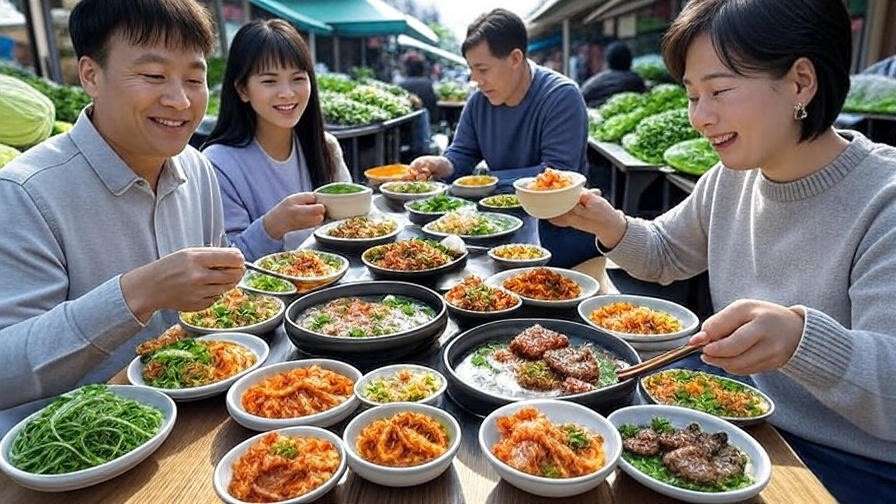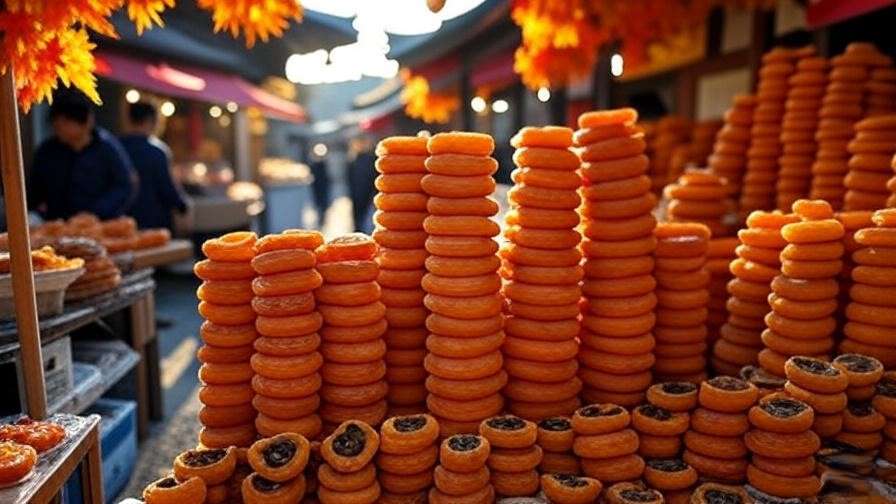

Picture yourself wandering through Seoul’s vibrant Gwangjang Market, where the air hums with the chatter of vendors and the sweet, earthy aroma of Korean honey fills the stalls. Jars of golden nectar, sourced from the lush hills of Jeju or the chestnut groves of Gangwon, gleam under the morning sun, inviting you to explore their rich heritage. Korean honey, a cornerstone of South Korea’s cultural and medicinal traditions, is more than a sweetener—it’s a symbol of purity, health, and connection to nature. As global fascination with Korean culture soars, from K-beauty to K-cuisine, this ancient ingredient is capturing hearts worldwide. In this article, we’ll uncover the cultural significance, health benefits, and practical uses of Korean honey, backed by expert insights and research, to help you integrate this golden elixir into your life.
The Cultural Significance of Korean Honey
A Staple in Korean Tradition
Korean honey has been a cherished part of South Korean culture for centuries, woven into the fabric of cuisine, rituals, and traditional medicine. In the Joseon Dynasty, honey was a luxury reserved for royalty, used in delicate dishes like jeonggwa (candied fruits and roots) to symbolize prosperity. Today, it remains a staple in Korean households, drizzled over rice cakes or stirred into teas for special occasions. During jesa (ancestral rites), honey often accompanies offerings, signifying respect and purity.
Dr. Min-soo Kim, a cultural historian at Seoul National University, notes, “Honey in Korean tradition is more than food—it’s a bridge to our ancestors, embodying harmony and reverence for nature.” Its presence in festive dishes and family gatherings underscores its role as a cultural touchstone.
Honey in Korean Folklore and Spirituality
Korean folklore is rich with tales of honey’s mystical qualities. In some stories, honey is linked to longevity, believed to be a gift from mountain spirits to those who live in harmony with nature. This reverence extends to spiritual practices, where honey is used in teas like yujacha (citron tea) during family reunions, symbolizing warmth and unity.
Anecdote: My grandmother, a lifelong resident of Busan, recalls her mother preparing honey-based teas for Chuseok, insisting they brought good fortune. This personal connection highlights honey’s enduring role in fostering familial bonds.
Regional Variations of Korean Honey
Korea’s diverse landscapes produce distinct honey varieties. Jeju Island’s wildflower honey, infused with citrus and volcanic soil notes, is prized for its floral complexity. In Gangwon Province, chestnut honey offers a bold, slightly bitter flavor, while Gyeongsang’s acacia honey is light and versatile. These differences stem from Korea’s unique flora and climate, which beekeepers harness to create region-specific nectars.
Visual Suggestion: A map highlighting Korea’s key honey-producing regions could help readers visualize these distinctions.
The Science Behind Korean Honey’s Wellness Benefits
Nutritional Profile of Korean Honey
Korean honey is a nutritional powerhouse, packed with antioxidants, enzymes, and trace vitamins. Unlike processed sugars, it contains natural compounds like polyphenols, which combat oxidative stress. A 2023 study from Yonsei University found that Jeju wildflower honey has higher antioxidant levels than many global varieties, rivaling even Manuka honey.
Compared to its counterparts, Korean honey’s unique floral sources contribute to its distinct profile. For instance, acacia honey is low in glycemic impact, making it a favorite for health-conscious consumers. LSI keywords: antioxidants, natural sweetener, polyphenols, health benefits.
Traditional Korean Medicine and Honey
In Hanbang (Korean traditional medicine), honey is a cornerstone for balancing the body’s energies. It’s used to soothe sore throats, boost immunity, and aid digestion. A classic remedy, honey-ginger tea, is a go-to for colds, combining honey’s antibacterial properties with ginger’s warmth.
Recipe: Honey-Ginger Tea
- Ingredients: 1 tbsp Korean honey, 1 tsp fresh ginger (grated), 1 cup hot water.
- Instructions: Steep ginger in hot water for 5 minutes, strain, and stir in honey. Drink warm for relief from colds or fatigue.
Dr. Hye-jin Park, a Hanbang practitioner, explains, “Honey’s warming properties in Korean medicine make it ideal for restoring vitality, especially in winter.”
Modern Health Applications
Modern science backs honey’s traditional uses. Its antibacterial properties, driven by natural hydrogen peroxide, make it effective against minor infections. In K-beauty, Korean honey is a star ingredient in face masks, hydrating skin and reducing acne. A 2024 study in the Journal of Cosmetic Dermatology confirmed that honey-based masks improve skin barrier function.
Honey also supports energy and sleep. A spoonful before bed, paired with milk, can promote relaxation due to its natural sugars and tryptophan precursors. LSI keywords: K-beauty, antibacterial, skin health, natural remedies.
How Korean Honey Is Produced
Traditional Beekeeping Practices
 Korean beekeeping is steeped in tradition, with many apiaries still using methods passed down through generations. Beekeepers in rural areas, like those in Gangwon, place hives near wildflower fields or chestnut groves, ensuring pure, single-origin honey. Sustainability is key—beekeepers avoid overharvesting to protect bee colonies.
Visual Suggestion: A photo gallery of Korean beekeepers tending hives could bring this section to life.
Modern Innovations in Honey Production
 While tradition reigns, modern Korean beekeepers embrace organic certification and eco-friendly practices. Jeju Island’s apiaries, for example, have gained international acclaim for their organic honey, free from pesticides. Innovations like automated hive monitoring ensure quality without disrupting bees.
Kim Ji-hoon, a Jeju beekeeper, shares, “Our organic methods preserve the island’s ecosystem while producing honey that’s pure and traceable.” LSI keywords: organic honey, sustainable beekeeping, Jeju honey.
Challenges Facing Korean Honey Production
Despite its popularity, Korean honey faces challenges. Climate change disrupts flowering seasons, reducing yields, while urbanization shrinks bee habitats. Competition from cheaper imported honey also threatens local producers. Supporting small-scale apiaries is crucial for preserving this craft.
Practical Uses of Korean Honey in Everyday Life
Culinary Applications
 Korean honey shines in the kitchen, adding depth to both traditional and modern dishes. Drizzle it over hotteok (sweet pancakes) or use it in marinades for bulgogi to balance savory flavors. Its versatility makes it a perfect sugar substitute in teas, smoothies, or desserts.
Recipe: Honey-Infused Banchan (Side Dish)
- Ingredients: 1 tbsp Korean acacia honey, 2 cups spinach, 1 tsp sesame oil, 1 tsp soy sauce, 1 clove garlic (minced).
- Instructions: Blanch spinach, drain, and mix with honey, sesame oil, soy sauce, and garlic. Serve chilled as a side dish.
Tip: Swap sugar for Korean honey in baking for a richer flavor and added nutrients.
Beauty and Skincare
 In K-beauty, Korean honey is celebrated for its hydrating and antibacterial properties. It’s a key ingredient in sheet masks and cleansers, helping to moisturize and fight acne. DIY enthusiasts can create a simple honey mask at home.
DIY Recipe: Honey-Cinnamon Face Mask
- Ingredients: 1 tbsp Korean honey, ½ tsp cinnamon powder.
- Instructions: Mix ingredients, apply to clean skin, leave for 10 minutes, and rinse. Use weekly for glowing skin.
Dr. Soo-jin Lee, a Seoul-based dermatologist, says, “Honey’s natural humectants make it ideal for sensitive skin, a secret K-beauty has long embraced.” LSI keywords: K-beauty, DIY skincare, natural face mask.
Wellness and Home Remedies
Korean honey is a versatile ally in natural wellness, offering simple remedies for common ailments. Its soothing properties make it ideal for sore throats, while its natural sugars provide a quick energy boost. A popular remedy is honey-lemon water, which supports digestion and hydration.
Recipe: Honey-Lemon Soothing Drink
- Ingredients: 1 tbsp Korean honey, juice of half a lemon, 1 cup warm water.
- Instructions: Mix honey and lemon juice in warm water. Sip slowly to ease a sore throat or promote relaxation before bed.
For sleep support, a spoonful of Korean honey mixed with warm milk can enhance relaxation by boosting serotonin production. This remedy aligns with traditional Korean practices for calming the body. LSI keywords: natural remedies, honey for sleep, immune support.
Visual Suggestion: A short video tutorial demonstrating the honey-lemon drink preparation could engage readers and increase dwell time.
How to Choose and Store Korean Honey
Identifying Authentic Korean Honey
 With Korean honey’s rising popularity, ensuring authenticity is crucial. Look for certifications like “Product of Korea” or organic labels from reputable bodies. Acacia and chestnut honeys often come with region-specific branding, such as “Jeju Island Honey.” Avoid products with vague labeling or suspiciously low prices, which may indicate adulteration with syrups.
Trusted markets like Seoul’s Gwangjang Market or online retailers specializing in Korean goods are reliable sources. Tip: Check for crystallization—authentic honey naturally crystallizes over time, a sign of purity. LSI keywords: authentic Korean honey, organic certification, trusted brands.
Storage and Shelf Life
Korean honey’s longevity is one of its strengths. Store it in a cool, dry place away from direct sunlight to preserve its flavor and nutrients. Airtight glass jars are ideal to prevent moisture absorption. Contrary to common myths, crystallization doesn’t mean spoilage; gently warming the jar in a water bath can restore its smooth texture.
FAQ: Does Korean honey ever expire?
Pure honey doesn’t spoil due to its natural preservatives, but proper storage ensures optimal quality. Always check for off odors or fermentation, though these are rare with high-quality Korean honey.
The Global Appeal of Korean Honey
Korean Honey in the Wellness Industry
The global rise of K-beauty and K-food has spotlighted Korean honey. It’s now featured in international cafes, drizzled over desserts or blended into smoothies, and in K-beauty products like hydrating serums. Brands like Sulwhasoo incorporate honey in luxury skincare, capitalizing on its nourishing properties.
In 2024, South Korea exported over 500 tons of honey, a 20% increase from the previous year, according to the Korea Beekeeping Association. This surge reflects growing demand in markets like the U.S. and Europe, where consumers seek natural, culturally rich ingredients. LSI keywords: K-beauty trends, global honey market, Korean exports.
Cultural Exchange Through Honey
Korean honey serves as a cultural ambassador, appearing at festivals like the Korean Cultural Festival in Los Angeles, where attendees sample honey-based treats. These events foster appreciation for Korean traditions, with honey acting as a tangible link to South Korea’s heritage.
Park Min-jae, a cultural attaché at the Korean Embassy, notes, “Honey is a universal language—it connects people to Korea’s history and values, sparking curiosity about our culture.” Tasting sessions and workshops at such events introduce global audiences to honey’s versatility.
Sustainability and the Future of Korean Honey
Environmental Impact of Beekeeping
 Bees are vital to South Korea’s ecosystems, pollinating crops and wildflowers that sustain biodiversity. Korean beekeepers, particularly in rural areas, prioritize eco-friendly practices, such as avoiding chemical pesticides and maintaining natural habitats. In Jeju, beekeepers collaborate with local farmers to protect pollinator-friendly plants, ensuring sustainable yields.
A 2023 report from the Korea Forest Service highlighted that beekeeping supports 30% of South Korea’s agricultural pollination, underscoring its environmental importance. LSI keywords: sustainable beekeeping, pollination, eco-friendly practices.
Supporting Local Beekeepers
Consumers can play a role by purchasing from ethical sources, such as small-scale apiaries or cooperatives like the Jeju Honey Association. Buying directly from markets or certified online retailers ensures fair compensation for beekeepers. Advocacy, such as supporting policies for habitat preservation, also helps sustain the industry.
Tip: Look for products labeled “Fair Trade” or “Support Local Farmers” to contribute to ethical beekeeping. Engaging with brands on platforms like X can also amplify awareness of sustainable practices.
Korean honey is more than a sweet indulgence—it’s a cultural treasure, a wellness powerhouse, and a testament to South Korea’s commitment to nature. From its roots in ancient traditions to its modern applications in cuisine, skincare, and remedies, this golden nectar offers endless possibilities. Whether you’re drizzling it over a warm hotteok, blending it into a K-beauty mask, or sipping it in a soothing tea, Korean honey brings a taste of Korea’s heritage to your life. Explore its flavors, support sustainable beekeepers, and share your favorite honey recipes in the comments below. Discover the rich heritage and wellness power of Korean honey today.
FAQs
What makes Korean honey different from other honeys?
Korean honey’s unique flavor and quality stem from South Korea’s diverse flora, such as acacia and chestnut blossoms, and traditional beekeeping methods.
How can I use Korean honey in my daily routine?
Incorporate it into teas, marinades, or skincare masks for culinary and wellness benefits. Try the honey-lemon drink or DIY face mask recipes above.
Is Korean honey safe for people with allergies?
Pure honey is generally safe, but those with pollen allergies should consult a doctor. Always choose high-quality, authentic products.
Where can I buy authentic Korean honey?
Shop at trusted markets like Gwangjang or online retailers specializing in Korean goods. Look for organic certifications or region-specific labels.