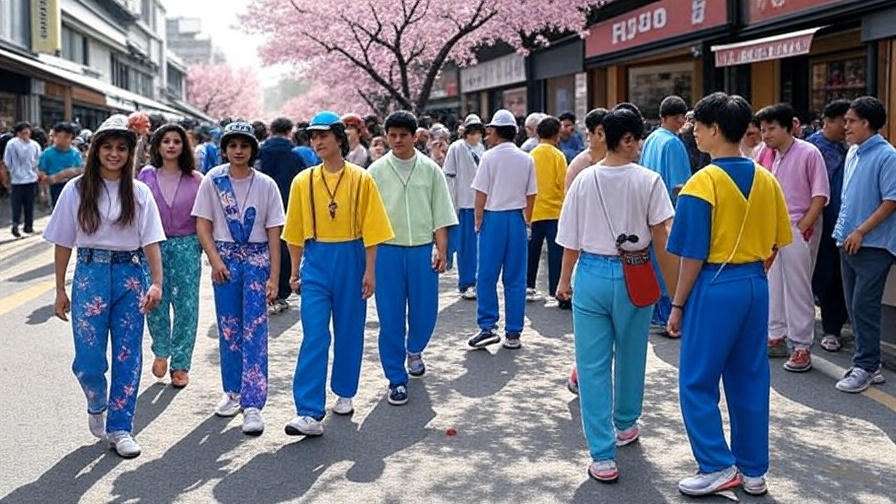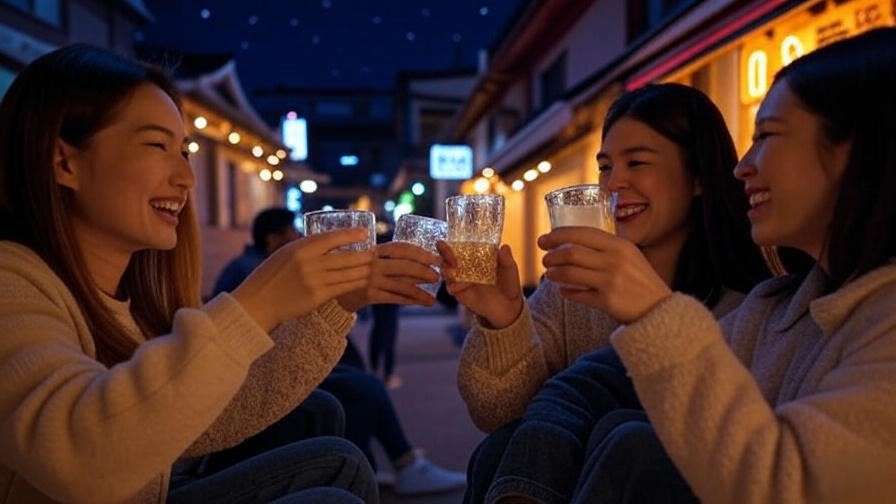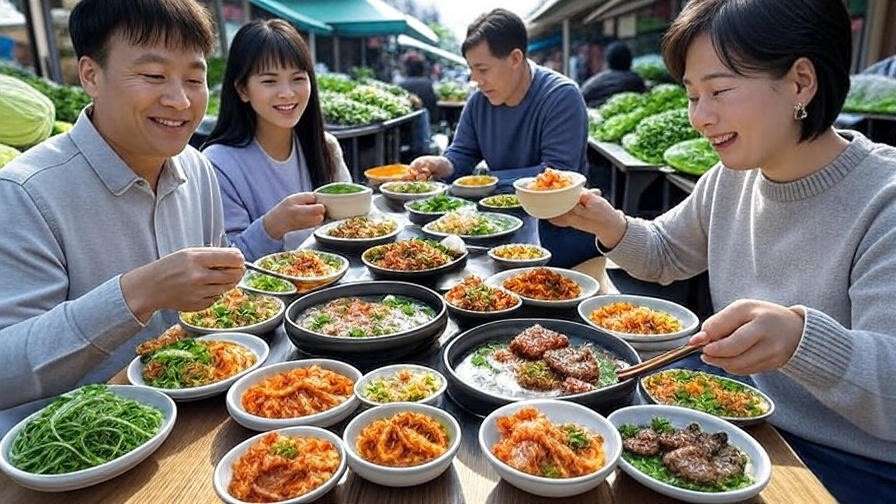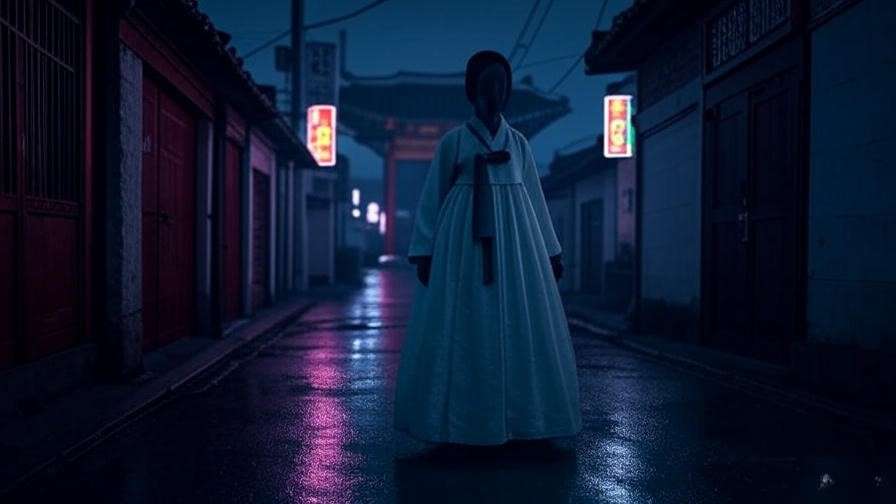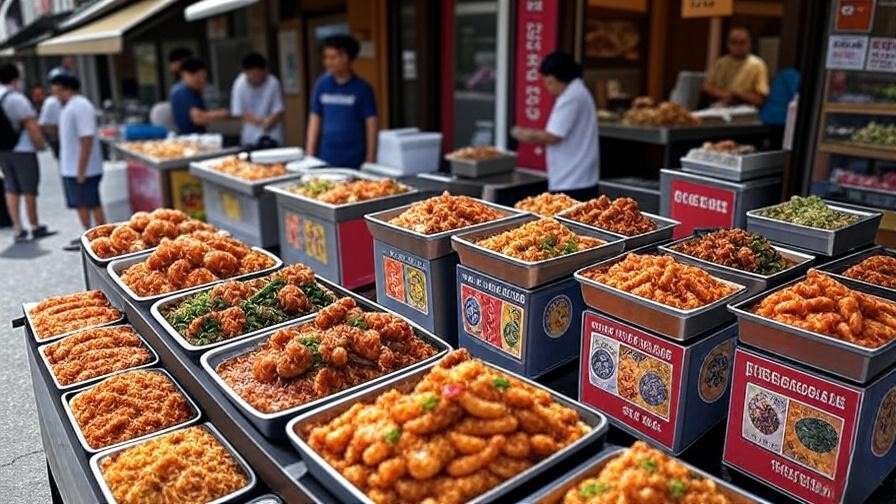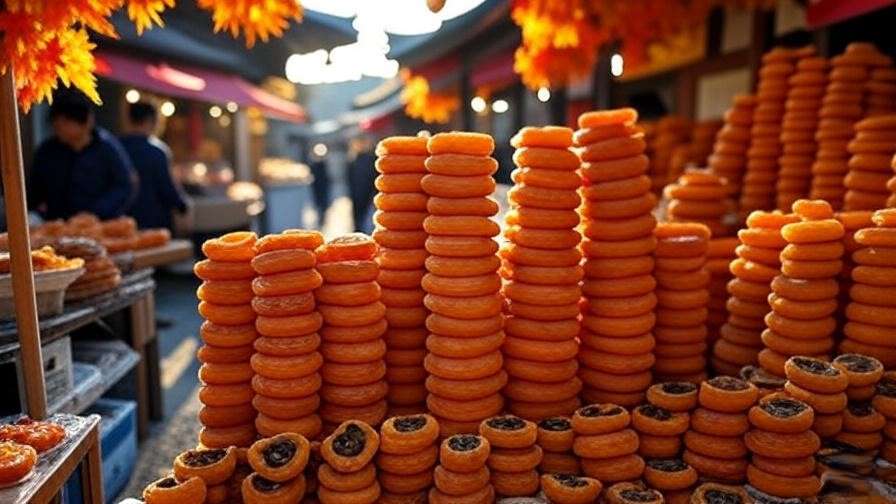

Picture yourself in the heart of Seoul, lanterns glowing under a harvest moon during Chuseok, or savoring tteokguk with a Korean family on Seollal. The Korean holidays 2024 promise vibrant celebrations that bring Korea’s rich culture to life. As K-dramas and K-pop fuel global fascination, experiencing these holidays offers an authentic dive into Korea’s traditions, history, and community spirit. Whether you’re a traveler planning a visit or a culture enthusiast eager to learn, this guide unveils the top 10 Korean holidays in 2024, complete with dates, traditions, and insider tips to celebrate like a local. Backed by insights from Korean cultural experts and years of studying Korea’s heritage, this article is your roadmap to unforgettable experiences.
Why Korean Holidays 2024 Are a Must-Experience
The Global Rise of Korean Culture
The Hallyu wave—spanning K-dramas like Crash Landing on You, K-pop hits from BTS, and culinary stars like kimchi—has made Korean culture a global phenomenon. Holidays like Chuseok and Seollal, often depicted in dramas, offer a chance to live these moments. In 2024, Korea’s post-pandemic vibrancy makes it an ideal year to immerse yourself in its festivals, from lantern-lit temples to ancestral rituals.
Cultural Significance
Korean holidays blend Confucian, Buddhist, and shamanic traditions, reflecting values of family, community, and harmony with nature. For instance, Chuseok honors ancestors, while Daeboreum prays for prosperity. These events aren’t just celebrations—they’re windows into Korea’s soul, connecting past and present.
Why 2024 Is Special
In 2024, Korea is buzzing with renewed energy as festivals return in full swing. Unique events, like expanded lantern festivals for Buddha’s Birthday, and new cultural programs in Seoul and Busan, make this year exceptional. Whether you’re exploring hanok villages or joining locals at riverside rituals, 2024 offers unparalleled opportunities to engage with Korea’s heritage.
Top 10 Korean Holidays in 2024
1. Seollal (Lunar New Year) – February 9–12, 2024
 Cultural Significance: Seollal, Korea’s Lunar New Year, is the cornerstone of family traditions, rooted in centuries-old lunar calendar practices. It’s a time for reunions, honoring ancestors, and welcoming prosperity.
Traditions and Activities: Families perform charye (ancestral rites), offer sebae (formal bows to elders), and share tteokguk (rice cake soup) symbolizing a year of growth. Children receive cash gifts in silk pouches, and folk games like yutnori fill the air with laughter.
Where to Celebrate: Seoul’s Gyeongbokgung Palace hosts cultural performances, while Gyeongju’s historic sites offer a traditional backdrop. Rural hanok villages provide immersive experiences.
Tips for Visitors: Book flights and accommodations early, as Seollal is peak travel season. Learn basic sebae etiquette (e.g., bow respectfully) to join family gatherings. Expect crowded trains and buses.
Expert Insight: “Seollal is the heartbeat of Korean family life,” says Dr. Kim Hye-jin, a cultural historian at Seoul National University. “It’s a time to strengthen bonds and reflect on heritage.”
2. Daeboreum (Great Full Moon Festival) – February 24, 2024
Cultural Significance: Marking the first full moon of the lunar year, Daeboreum prays for health and bountiful harvests, blending shamanic and agricultural roots.
Traditions and Activities: Communities light bonfires, burn talismans for luck, and eat ogokbap (five-grain rice) and bureom (nut-cracking for health). Moon-gazing and folk games like talnori create festive vibes.
Where to Celebrate: Seoul’s Namsan Tower hosts bonfire events, while rural villages like Andong offer authentic rituals. Coastal areas add seafood feasts to the celebrations.
Tips for Visitors: Dress warmly for nighttime bonfires. Try cracking walnuts with your teeth—a quirky tradition for good fortune. Check local schedules for daljip taeugi (talisman burning).
3. Samjinnal (Spring Festival) – March 3, 2024
Cultural Significance: Samjinnal welcomes spring, rooted in ancient beliefs about renewal and vitality. It’s a joyful celebration of nature’s awakening.
Traditions and Activities: Families enjoy hwajeon (flower pancakes) made with azaleas, play fortune-telling games, and fly kites. Some visit mountains for spiritual cleansing.
Where to Celebrate: Bukchon Hanok Village in Seoul or Jeonju’s hanok district offer picturesque settings. Local parks host hwajeon-making workshops.
Tips for Visitors: Pair Samjinnal with a hanok stay for authenticity. Foodies will love tasting seasonal pancakes. Check weather forecasts, as spring can be unpredictable.
4. Buddha’s Birthday (Seokga Tansinil) – May 15, 2024
Cultural Significance: This Buddhist holiday honors the birth of Siddhartha Gautama, celebrated with vibrant temple festivities across Korea.
Traditions and Activities: Temples glow with lotus lanterns, offer free vegetarian meals, and host tea ceremonies. Evening lantern parades light up cities, symbolizing enlightenment.
Where to Celebrate: Jogyesa Temple in Seoul is a hub for parades, while Beomeosa in Busan offers serene temple stays. Smaller temples in Gangwon-do provide intimate experiences.
Tips for Visitors: Wear modest clothing (cover shoulders and knees). Join a temple stay to learn meditation and Buddhist customs. Arrive early for lantern-making workshops.
Expert Insight: “Buddha’s Birthday is a blend of spirituality and community,” notes Monk Hyeonwoo of Beomeosa Temple. “The lanterns symbolize hope for all.”
5. Dano (Spring Festival) – June 10, 2024
 Cultural Significance: Dano marks summer’s arrival, rooted in shamanic rituals and agricultural traditions. It’s one of Korea’s oldest festivals, recognized by UNESCO.
Traditions and Activities: Locals eat surichwi rice cakes, compete in swing contests, and perform ganggangsullae (circle dances). Shamanic rites add mystical flair.
Where to Celebrate: Gangneung Dano Festival is a must-visit for its vibrant performances. Seoul’s Namsangol Hanok Village hosts smaller events.
Tips for Visitors: Book accommodations early for Gangneung, a popular destination. Wear sunscreen for outdoor activities. Try joining a ganggangsullae dance for fun.
6. Yudu (Summer Purification Festival) – July 15, 2024
Cultural Significance: Yudu honors ancestors with riverside rituals, symbolizing purification and renewal during summer’s peak.
Traditions and Activities: Families wash hair in streams, eat cold noodles (naengmyeon), and offer prayers by rivers. Picnics and communal feasts foster bonding.
Where to Celebrate: Seoul’s Han River hosts public events, while rural streams in Gangwon-do offer traditional settings. Local temples add spiritual depth.
Tips for Visitors: Pack light for riverside picnics. Respect ritual spaces by avoiding loud behavior. Try naengmyeon at local eateries for an authentic taste.
7. Chilseok (Korean Valentine’s Day) – August 10, 2024
 Cultural Significance: Chilseok celebrates the romantic myth of Jiknyeo and Gyeonwu, star-crossed lovers who meet once a year on a bridge of magpies. Rooted in folklore, it’s Korea’s equivalent of Valentine’s Day, blending romance and tradition.
Traditions and Activities: Couples eat miljeonbyeong (wheat pancakes), stargaze, and visit romantic spots. Some pray for love or wisdom at shrines, inspired by the lovers’ story.
Where to Celebrate: Jeju Island’s scenic beauty makes it a top romantic destination, while Seoul’s observatories like Namsan Tower offer stargazing events. Rural areas host small storytelling festivals.
Tips for Visitors: Perfect for couples or K-drama fans—pair with a visit to Jeju’s Love Land or a Han River night cruise. Book observatory tickets early. Try miljeonbyeong at local markets for an authentic taste.
Expert Insight: “Chilseok’s romantic narrative resonates deeply in Korean culture, often inspiring K-drama plots,” says Dr. Park Soo-jin, a folklore expert at Yonsei University.
8. Chuseok (Korean Thanksgiving) – September 16–18, 2024
Cultural Significance: Chuseok, Korea’s harvest festival, is a major holiday honoring ancestors and celebrating abundance. Often compared to Thanksgiving, it emphasizes family and gratitude.
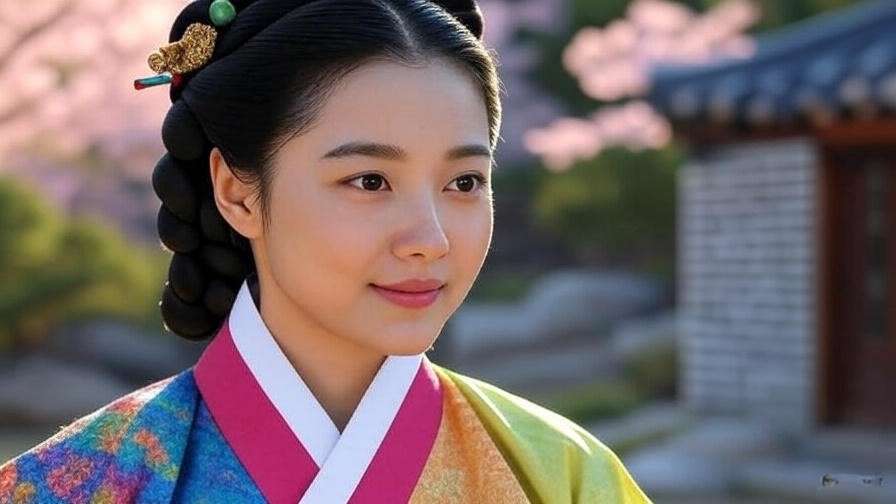
Traditions and Activities: Families gather for charye (ancestral rites), make songpyeon (half-moon rice cakes), and wear hanbok. Folk games like ssireum (Korean wrestling) and visits to ancestral graves are common.
Where to Celebrate: Gyeongju’s historic sites offer a traditional experience, while Seoul’s palaces host songpyeon-making workshops. Rural areas like Andong provide authentic village celebrations.
Tips for Visitors: Book transport and accommodations months in advance, as Chuseok is a peak travel period. Join a songpyeon workshop to learn hands-on. Respect grave-visiting customs by staying quiet and unobtrusive.
Expert Insight: “Chuseok is a time to reconnect with roots,” says Professor Lee Min-soo, a cultural anthropologist. “Its rituals reflect Korea’s deep respect for lineage.”
9. Hangul Day – October 9, 2024
 Cultural Significance: Hangul Day commemorates the creation of the Korean alphabet by King Sejong the Great in 1443. It celebrates linguistic heritage and national pride.
Traditions and Activities: Cultural exhibitions, calligraphy workshops, and language classes highlight Hangul’s elegance. Public readings and performances celebrate its accessibility.
Where to Celebrate: Seoul’s King Sejong Statue and Hangul Museum host major events. Sejong City offers immersive cultural programs. Local libraries may hold free workshops.
Tips for Visitors: Ideal for language learners—join a calligraphy class to write your name in Hangul. Visit the Hangul Museum for interactive exhibits. Events are budget-friendly and open to all.
10. Hangeul Proclamation Day (Regional Variations) – October 9, 2024
Cultural Significance: While often celebrated with Hangul Day, some regions emphasize Hangeul Proclamation Day with local twists, focusing on the alphabet’s cultural impact.
Traditions and Activities: Parades, poetry readings, and school events showcase Hangul’s role in education and identity. Busan and Sejong City host vibrant cultural performances.
Where to Celebrate: Sejong City’s government complex features grand celebrations, while Busan’s cultural centers offer coastal flair. Smaller towns may host community-driven events.
Tips for Visitors: Combine with Seoul’s Hangul Day for a full experience. Bring a notebook to practice Hangul phrases. Check local schedules for free performances.
Planning Your 2024 Korean Holiday Experience
When to Visit
Timing your trip depends on your goals. For budget travelers, shoulder seasons (April, October) offer lower costs and fewer crowds, ideal for Samjinnal or Hangul Day. Festival enthusiasts should target peak holidays like Seollal (February) or Chuseok (September) for vibrant events, despite higher prices. Spring (Dano, Buddha’s Birthday) and fall (Chuseok, Hangul Day) provide pleasant weather for outdoor festivities.
Practical Tips for Travelers
- Booking Early: Reserve flights and accommodations 3–6 months in advance for Seollal and Chuseok, as prices skyrocket and availability shrinks. Use platforms like Klook or Agoda for deals.
- Cultural Etiquette: Learn basic bows (jeol) for Seollal or Chuseok to show respect. Avoid interrupting ancestral rites or taking photos without permission. Gift-giving (e.g., fruit baskets) is appreciated during family-oriented holidays.
- Language Tips: Memorize phrases like “Saehae bok mani badeuseyo” (Happy New Year) for Seollal or “Chuseok jal bonaeseyo” (Enjoy Chuseok). Apps like Papago can help with real-time translation.
- Transportation: Korea’s KTX trains are efficient but book early for holidays. Seoul’s subway is ideal for city events, with English signage.
Budgeting for Festivals
Expect higher costs during Seollal and Chuseok (e.g., $100–200/night for Seoul hotels, $50–100 for KTX tickets). Smaller holidays like Daeboreum or Yudu are more budget-friendly, with free or low-cost events (e.g., $5–10 for workshop materials). Food costs vary—street food like hwajeon or songpyeon runs $2–5, while restaurant meals may cost $10–20. Plan $50–100/day for a mix of activities, food, and local transport.
Combining Holidays with K-Drama Tourism
 Enhance your holiday experience with K-drama-inspired itineraries. Visit Namsan Tower (featured in Boys Over Flowers) during Chilseok for romantic vibes. Explore Gyeongbokgung Palace (Goblin) during Seollal for historical immersion. Jeju Island, a staple in dramas like Crash Landing on You, is perfect for Chilseok or Dano. Many tour companies offer K-drama-themed packages, blending holiday events with filming locations.
Cultural Dos and Don’ts for Visitors
Respecting Traditions
Korean holidays often involve sacred rituals, especially during Seollal and Chuseok. Avoid loud behavior or photography during charye (ancestral rites). Ask permission before joining family activities. For Buddhist holidays like Seokga Tansinil, observe silence in temple prayer areas and follow monks’ guidance.
Dressing Appropriately
Wear hanbok for Seollal or Chuseok to blend in—rentals are available in Seoul (e.g., $10–20/day at Bukchon). For Buddha’s Birthday, cover shoulders and knees at temples. Casual, weather-appropriate clothing works for outdoor festivals like Dano or Yudu, but avoid overly revealing outfits to respect local norms.
Engaging with Locals
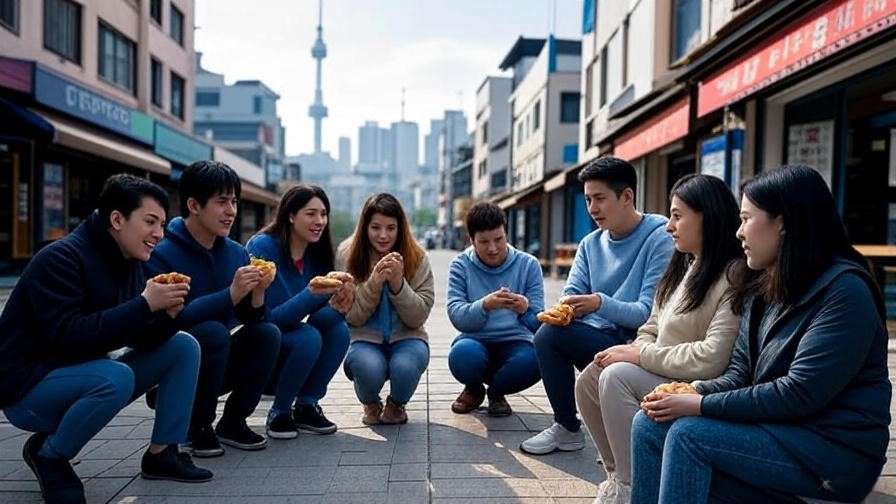
Koreans are welcoming but value politeness. Greet with a slight bow and a smile. Accept food or drink offerings graciously, using both hands. If invited to a holiday gathering, bring a small gift (e.g., fruit, sweets). Avoid discussing sensitive topics like family hierarchy during rituals.
Expert Insight: “Respect is key to meaningful cultural exchange,” says Kim Ji-yeon, a Seoul-based etiquette coach. “Small gestures like bowing or learning a phrase go a long way.”
How Korean Holidays Inspire K-Dramas
Holidays in K-Dramas
Korean holidays are a staple in K-dramas, adding emotional depth. In Reply 1988, Seollal scenes show families playing yutnori, reflecting community bonds. Goblin features Chuseok with songpyeon-making, highlighting tradition. Crash Landing on You subtly weaves in Chilseok’s romantic themes, tying love to cultural myths.
Recreating K-Drama Moments
Live your K-drama dreams by joining songpyeon workshops during Chuseok, like in Goblin. Visit Namsan Tower for a Chilseok date, echoing My Love from the Star. For Seollal, wear hanbok at Gyeongbokgung, as seen in Moon Lovers. Many hanok villages offer K-drama-themed tours, blending holiday festivities with iconic locations.
Cultural Nuances
K-dramas often highlight holiday traditions to convey family values or romance. For example, Seollal’s tteokguk symbolizes aging gracefully, a recurring theme in family dramas. Understanding these nuances deepens appreciation for both the shows and the holidays, making your 2024 experience richer.
FAQs About Korean Holidays 2024
What are the most important Korean holidays in 2024?
Seollal (February 9–12) and Chuseok (September 16–18) are the biggest, focusing on family and ancestors. Buddha’s Birthday (May 15) and Dano (June 10) are also significant for cultural immersion.
Can tourists participate in Korean holiday traditions?
Yes! Many events, like lantern parades or songpyeon workshops, welcome visitors. Respect local customs, ask permission for private rituals, and join public festivities for an authentic experience.
How do I plan a trip to Korea during Chuseok or Seollal?
Book flights and accommodations 3–6 months early. Use KTX trains for travel, and prioritize Seoul or Gyeongju for events. Budget for higher costs and learn basic etiquette.
Are there family-friendly activities during Korean holidays?
Absolutely. Folk games (yutnori, swings) during Seollal and Dano are kid-friendly. Lantern-making for Buddha’s Birthday and calligraphy for Hangul Day suit all ages.
What foods should I try during Korean holidays in 2024?
Try tteokguk (Seollal), songpyeon (Chuseok), hwajeon (Samjinnal), surichwi (Dano), and naengmyeon (Yudu). Visit local markets or restaurants for authentic flavors.
How do I respect Korean customs as a visitor during holidays?
Follow dress codes, avoid disrupting rituals, and use polite gestures (e.g., two-handed giving). Learn a few Korean phrases and ask locals for guidance to show respect.
From the lantern-lit temples of Buddha’s Birthday to the family feasts of Chuseok, the top 10 Korean holidays in 2024 offer a vibrant tapestry of culture, tradition, and community. Whether you’re drawn by K-drama romance or a desire to connect with Korea’s heritage, these celebrations provide unforgettable experiences. Plan your trip with our practical tips, respect local customs, and dive into the heart of Korea’s festive spirit. Share your holiday plans or experiences in the comments, and start your journey to celebrate like a local in 2024!