
Picture this: You’re curled up on the couch, binge-watching your favorite K-drama, when a character slurps a steaming bowl of jjajangmyeon, the rich black bean sauce glistening under the lights. Your stomach rumbles, but the nearest Korean restaurant is miles away. Enter Korean frozen noodles—your ticket to authentic, restaurant-quality K-style meals in minutes. Whether you’re a busy professional, a K-drama enthusiast, or a foodie craving bold flavors, this guide will teach you how to choose, prepare, and elevate Korean frozen noodles into a culinary experience that rivals Seoul’s finest eateries. Backed by insights from Korean chefs and years of exploring Korean cuisine, this article offers recipes, tips, and cultural context to make your noodle nights unforgettable.
What Are Korean Frozen Noodles?
Understanding Korean Frozen Noodles
Korean frozen noodles are pre-packaged noodle dishes rooted in Korea’s vibrant culinary heritage, flash-frozen to preserve flavor and texture. From the savory black bean sauce of jjajangmyeon to the fiery kick of ramyeon, these dishes cater to diverse palates. Popular varieties include:
- Jjajangmyeon: Chewy noodles coated in a rich, savory black bean sauce.
- Ramyeon: Korea’s iconic spicy instant noodles, often with a frozen twist for enhanced flavor.
- Naengmyeon: Cold buckwheat noodles, perfect for refreshing summer meals.
- Japchae: Sweet potato glass noodles stir-fried with vegetables and sesame oil.
These noodles reflect Korea’s love for bold, umami-packed flavors and have become a staple in modern households, especially as K-dramas like Crash Landing on You showcase them in heartwarming scenes. Freezing technology ensures convenience without sacrificing authenticity, making them a go-to for K-food lovers worldwide.
Why Choose Frozen Noodles?
Frozen noodles offer unmatched convenience for busy lifestyles. Unlike instant noodles, which can lack depth, or fresh noodles, which require time-intensive prep, frozen noodles strike a balance: quick to cook yet rich in flavor. Benefits include:
- Time-Saving: Ready in 5-10 minutes, perfect for late-night K-drama marathons.
- Long Shelf Life: Stock your freezer for months without worrying about spoilage.
- Authenticity: Many brands use traditional recipes, delivering restaurant-quality taste.
Compared to fresh noodles, frozen options may have slightly less springy texture but make up for it with ease and consistency. For K-food enthusiasts, they’re a gateway to enjoying Korea’s culinary soul at home.
Expert Insight: Chef Min-ji Park, a Seoul-based culinary expert, notes, “Frozen noodles have evolved to capture the essence of Korean cuisine. They’re not just convenience food—they’re a love letter to our culture’s bold flavors.”
The Best Korean Frozen Noodle Brands to Try
Top Picks for Authentic Flavor
With the global rise of Korean cuisine, several brands stand out for their quality and authenticity. Here are our top recommendations:
- Nongshim: Known for Shin Ramyun and Chapaghetti (jjajangmyeon), Nongshim balances bold flavors with accessible pricing. Their frozen ramyeon includes premium broth packets for a near-homemade taste.
- Ottogi: Offers japchae and spicy ramyeon with chewy noodles and rich sauces. Their frozen naengmyeon is a summer favorite.
- CJ CheilJedang: A leader in premium frozen foods, their Bibigo line features jjajangmyeon and japchae with restaurant-grade ingredients.
You can find these brands at Asian grocery stores, online retailers like H Mart or Weee!, or mainstream supermarkets like Walmart. Prices typically range from $3-$7 per pack, depending on the dish and region.
How to Choose High-Quality Frozen Noodles
Not all frozen noodles are created equal. To ensure an authentic experience:
- Check Ingredients: Look for traditional seasonings like gochujang (red chili paste), doenjang (fermented soybean paste), or chunjang (black bean paste). Avoid products with artificial flavorings.
- Prioritize Quality: Opt for brands that emphasize natural ingredients and minimal preservatives.
- Read Reviews: K-food blogs and X posts often share user experiences, helping you spot the best options.
Table: Comparison of Top Korean Frozen Noodle Brands
| Brand | Dish | Price (USD) | Flavor Profile | Prep Time | Availability |
|---|---|---|---|---|---|
| Nongshim | Chapaghetti | $3.50 | Savory, umami | 8 min | Supermarkets, Online |
| Ottogi | Japchae | $5.00 | Sweet, sesame | 10 min | Asian Stores, Online |
| CJ CheilJedang | Bibigo Naengmyeon | $6.50 | Tangy, refreshing | 7 min | Online, H Mart |
Must-Try Korean Frozen Noodle Recipes
Classic Jjajangmyeon (Black Bean Noodles)
 Jjajangmyeon, a beloved Korean-Chinese fusion dish, is a comfort food staple often featured in K-dramas like What’s Wrong with Secretary Kim. Here’s how to prepare it:
- Boil Noodles: Cook frozen noodles in boiling water for 5-6 minutes until al dente. Drain and rinse briefly to remove excess starch.
- Heat Sauce: Microwave or stir-fry the black bean sauce packet until warm. Add a splash of water for smoother consistency.
- Combine: Toss noodles with sauce, ensuring even coating.
- Enhance: Add diced cucumber, zucchini, or fried egg for crunch and richness.
Tip: For extra authenticity, stir-fry the sauce with fresh onions and pork, a trick used in Korean restaurants.
Spicy Ramyeon with a Twist
Korean ramyeon is synonymous with bold, spicy flavors. Elevate your frozen ramyeon:
- Cook Noodles: Boil noodles for 4-5 minutes. Reserve some cooking water for the broth.
- Prepare Broth: Mix seasoning packet with reserved water. Adjust spice with gochujang or chili flakes.
- Add Toppings: Include a soft-boiled egg, seaweed, green onions, or kimchi for depth.
- Vegetarian Option: Swap meat-based broth for mushroom stock and add tofu.
Cultural Note: Ramyeon is a K-drama staple, often eaten in convenience stores or cozy apartments, symbolizing camaraderie and comfort.
Refreshing Naengmyeon (Cold Buckwheat Noodles)
 Naengmyeon, a chilled noodle dish, is perfect for hot days. To prepare:
- Cook Noodles: Boil buckwheat noodles for 3-4 minutes, then rinse in cold water to chill.
- Prepare Broth: Thaw the frozen broth packet in the fridge or warm slightly, then chill again.
- Assemble: Serve noodles in a bowl with broth, topped with sliced cucumber, pear, or boiled egg.
- Garnish: Add a drizzle of sesame oil and a sprinkle of sesame seeds.
Pairing Suggestion: Serve with pickled radish for a tangy crunch, as seen in Goblin.
Japchae (Sweet Potato Glass Noodles)
Japchae’s glossy sweet potato noodles are a crowd-pleaser. To prepare:
- Stir-Fry Noodles: Thaw frozen japchae noodles and stir-fry in a hot pan with a splash of sesame oil for 5 minutes.
- Add Veggies: Toss in included vegetables or fresh bell peppers and spinach.
- Season: Enhance with a dash of soy sauce and toasted sesame seeds.
- Serve: Garnish with green onions for a vibrant finish.
Expert Tip: Korean home cook Hye-jin Kim advises, “Don’t overcook japchae noodles—they should stay chewy, not mushy, to mimic restaurant texture.”
Step-by-Step Guide to Preparing Korean Frozen Noodles
Essential Cooking Tools
To achieve perfect results, gather:
- Non-Stick Pan: Ideal for stir-frying japchae or jjajangmyeon sauce.
- Medium Pot: For boiling noodles and broths.
- Strainer: To rinse noodles for naengmyeon or remove excess starch.
- Optional: Microwave for quick heating or an air fryer for crispy textures (e.g., fried toppings).
Cooking Methods for Perfect Results
- Boiling: Best for ramyeon and naengmyeon. Use a 4:1 water-to-noodle ratio and cook for 4-6 minutes, checking for al dente texture.
- Stir-Frying: Ideal for japchae or jjajangmyeon. Heat oil in a pan, add noodles and sauce, and toss for 3-5 minutes.
- Microwaving: Convenient for small portions. Follow package instructions, typically 2-3 minutes per serving.
Timing Tip: Always check package instructions, as cooking times vary by brand and noodle type.
Common Mistakes to Avoid
- Overcooking: Leads to soggy noodles. Set a timer to stay within the recommended range.
- Ignoring Instructions: Each brand’s sauce and noodle prep differs—follow the packet for best results.
- Skipping Garnishes: Fresh veggies or herbs elevate flavor and presentation.
Fix It: If noodles are too watery, drain excess liquid and stir-fry briefly to tighten the sauce.
Visual Aid: A step-by-step infographic for boiling, stir-frying, and garnishing noodles ensures foolproof prep.
Pairing Korean Frozen Noodles with Authentic Sides
Classic Banchan (Side Dishes)
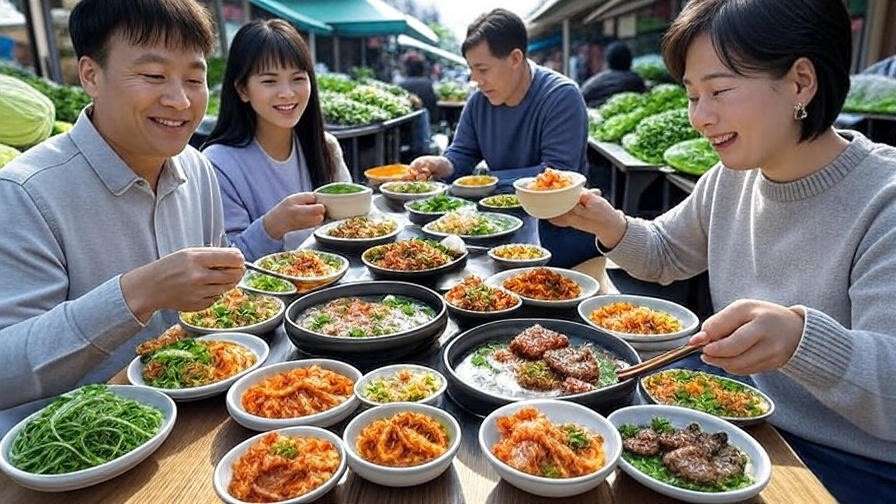
 No Korean meal is complete without banchan, the small side dishes that add variety and balance to your plate. Pairing Korean frozen noodles with authentic banchan elevates the experience, mimicking the communal dining style seen in K-dramas like Itaewon Class. Here are some classic options:
- Kimchi: Fermented cabbage or radish adds a spicy, tangy crunch. Look for pre-packaged kimchi at Asian markets or make your own with napa cabbage, gochugaru (Korean red pepper flakes), and fish sauce.
- Pickled Radish (Danmuji): These bright yellow slices offer a sweet-tart contrast, especially with jjajangmyeon.
- Seasoned Spinach (Sigeumchi Namul): Blanched spinach tossed with sesame oil, garlic, and soy sauce provides a nutty, savory complement.
How to Source or Make Banchan:
- Buy: Find pre-made banchan at H Mart, Lotte Mart, or online retailers like Weee!. Check for freshness and minimal additives.
- Make: For kimchi, try a simple recipe with napa cabbage, salt, and a fermentation period of 1-2 days. For quick spinach namul, blanch spinach for 30 seconds, then season and chill.
Tip: Serve 2-3 banchan in small dishes to mimic Korean restaurant presentation, enhancing the cultural authenticity of your meal.
Drinks to Complement Your Meal
Pairing your noodles with the right drink enhances the dining experience, just like in Seoul’s bustling eateries. Traditional options include:
- Soju: This clear, mildly sweet spirit (19-25% ABV) cuts through the richness of jjajangmyeon or spicy ramyeon. Try fruit-flavored soju for a modern twist.
- Makgeolli: A lightly sparkling rice wine with a creamy texture, perfect for japchae’s subtle sweetness.
- Barley Tea (Bori Cha): A nutty, caffeine-free tea that cleanses the palate, ideal for naengmyeon.
Non-Alcoholic Pairings:
- Korean Pear Juice: Its crisp sweetness balances spicy or savory noodles.
- Citron Tea (Yuja Cha): A warm, citrusy drink that complements cold naengmyeon.
Expert Insight: Korean food historian Dr. Soo-jin Lee explains, “Banchan and drinks are integral to Korean dining, creating a shared experience that reflects community and care, as seen in K-drama family scenes.”
Pro Tips for Elevating Your Korean Frozen Noodle Experience
Customizing Flavors
To make your frozen noodles taste restaurant-quality, try these tweaks:
- Add Fresh Herbs: Sprinkle chopped green onions, cilantro, or perilla leaves for a fresh, aromatic lift.
- Boost Umami: A dash of chili oil, gochujang, or toasted sesame seeds deepens flavor profiles.
- Adjust Spice: For ramyeon, mix in half the seasoning packet initially, then adjust to taste. For milder palates, add a splash of milk or cream to tame the heat.
Example: For jjajangmyeon, stir-fry the sauce with fresh shiitake mushrooms and a pinch of sugar to enhance its savory-sweet balance, a trick used by Korean chefs.
Storing and Reheating
To maintain quality:
- Storing: Keep unopened frozen noodles in the freezer at 0°F (-18°C) for up to 6 months. Once opened, store in an airtight container and consume within a week.
- Thawing: Thaw in the fridge for 4-6 hours before cooking to preserve texture. Avoid room-temperature thawing to prevent bacterial growth.
- Reheating: For leftovers, reheat in a pan with a splash of water to loosen the sauce, or microwave in 30-second bursts, stirring between.
Tip: Never refreeze thawed noodles, as this compromises texture and flavor.
Hosting a K-Drama Noodle Night
 Turn your meal into an immersive experience inspired by K-dramas:
- Theme: Create a Crash Landing on You-inspired jjajangmyeon night or a Goblin-style naengmyeon feast.
- Setup: Serve noodles in colorful ceramic bowls, paired with banchan on small plates. Add K-pop playlists or K-drama OSTs for ambiance.
- Watchlist: Pair jjajangmyeon with What’s Wrong with Secretary Kim or ramyeon with Reply 1988 for nostalgic vibes.
Engagement Idea: Share your K-drama noodle night on social media with hashtags like #KoreanNoodleNight or #KDramaFood to connect with other fans.
Health and Nutrition Considerations
Are Korean Frozen Noodles Healthy?
 Korean frozen noodles vary in nutritional content, but here’s a general breakdown (per serving, ~200g):
- Calories: 400-600 kcal, depending on sauce and add-ins.
- Sodium: 800-1500 mg, higher in ramyeon due to seasoning packets.
- Protein: 10-15g, especially with added egg or meat.
To make meals healthier:
- Add Veggies: Incorporate spinach, carrots, or zucchini to boost fiber and nutrients.
- Control Sodium: Use half the seasoning packet or dilute with low-sodium broth.
- Portion Control: Pair with banchan to create a balanced plate.
Expert Insight: Nutritionist Dr. Hye-rin Choi advises, “Frozen noodles can fit into a balanced diet if paired with nutrient-dense sides like kimchi or seaweed, which add probiotics and minerals.”
Dietary Accommodations
For dietary restrictions:
- Gluten-Free: Look for naengmyeon made with 100% buckwheat or rice noodles. Ottogi offers gluten-free japchae options.
- Vegan: Choose ramyeon or japchae with vegetable-based sauces. Avoid shrimp or fish-based broths in naengmyeon.
- Low-Sodium: Dilute sauces with water or unsalted broth, and skip high-sodium banchan like fish cake.
Tip: Check labels for allergen information, and contact brands like Nongshim for detailed ingredient lists if needed.
Where Korean Frozen Noodles Fit in K-Culture
Noodles in K-Dramas and Pop Culture
Korean noodles are more than food—they’re cultural icons in K-dramas. Iconic scenes include:
- Jjajangmyeon in What’s Wrong with Secretary Kim: The lead characters bond over takeout jjajangmyeon, symbolizing comfort and connection.
- Ramyeon in Reply 1988: Neighborhood friends share late-night ramyeon, reflecting Korea’s communal dining culture.
- Naengmyeon in Goblin: The refreshing dish evokes summer nostalgia.
These moments resonate with audiences, making noodles a gateway to Korean culture for global fans.
The Global Rise of Korean Frozen Foods
The Korean Wave (Hallyu), fueled by K-pop and K-dramas, has skyrocketed demand for Korean foods. Frozen noodles are particularly popular due to:
- Accessibility: Available worldwide through online retailers and supermarkets.
- Cultural Appeal: Fans recreate K-drama meals, boosting sales of brands like CJ CheilJedang.
- Innovation: Brands incorporate traditional recipes with modern freezing techniques, appealing to both purists and newbies.
Case Study: According to a 2024 report by the Korea Trade-Investment Promotion Agency, Korean frozen food exports grew 15% annually, driven by K-drama fans in North America and Europe.
FAQs About Korean Frozen Noodles
Q1: Are Korean frozen noodles as good as restaurant versions?
A: While restaurant noodles may offer fresher ingredients, premium frozen brands like CJ CheilJedang use authentic recipes and high-quality ingredients, delivering near-restaurant taste with proper preparation.
Q2: Can I make frozen noodles without a microwave?
A: Yes! Boil or stir-fry noodles on the stovetop for 5-10 minutes, following package instructions. Add a splash of water to sauces for even heating.
Q3: What’s the best way to store leftover cooked noodles?
A: Store in an airtight container in the fridge for up to 3 days. Reheat with a bit of water to restore texture.
Q4: Are there low-sodium Korean frozen noodle options?
A: Some brands offer reduced-sodium versions. Alternatively, use half the seasoning packet and pair with low-sodium banchan like cucumber salad.
Q5: How do I make frozen noodles taste more authentic?
A: Add fresh garnishes (green onions, sesame seeds), stir-fry sauces with garlic or onions, and serve with traditional banchan for a restaurant-like experience.
Korean frozen noodles are more than a quick meal—they’re a delicious bridge to Korea’s rich culinary and cultural heritage. From the savory depths of jjajangmyeon to the refreshing chill of naengmyeon, these dishes offer convenience without compromising flavor. With the recipes, tips, and cultural insights in this guide, you’re equipped to create authentic K-style meals at home, perfect for K-drama nights or everyday dining. Try a recipe, pair it with banchan, and share your creations with fellow K-food fans. Explore more Korean culture content on our site, and let us know your favorite noodle dish in the comments!