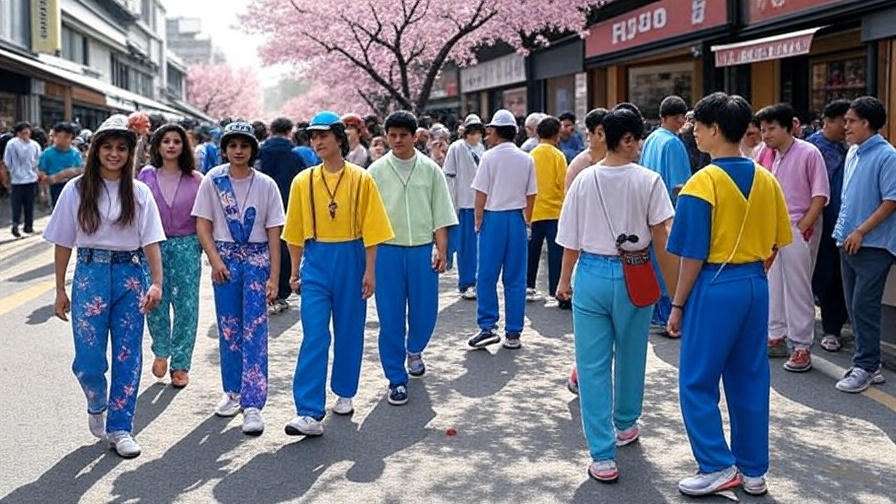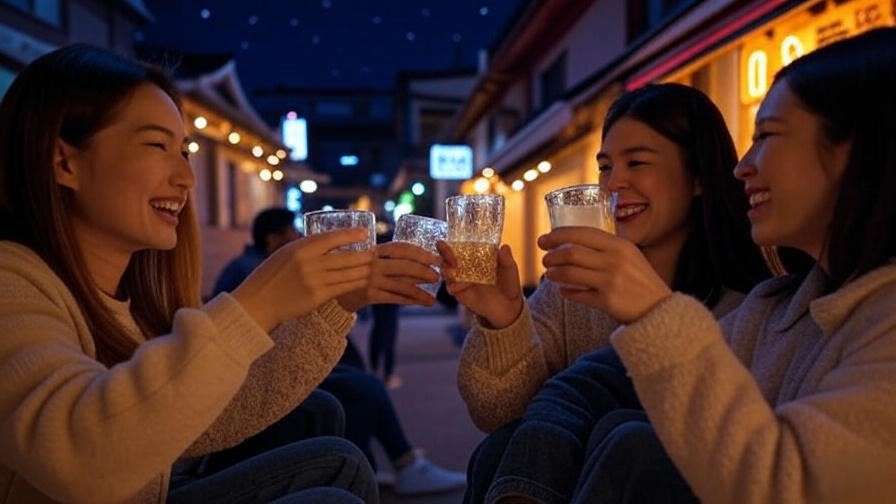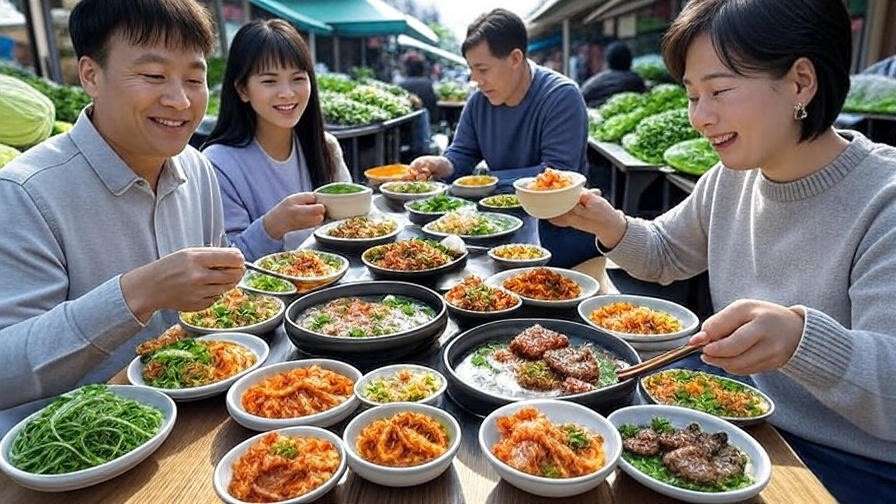

Picture this: your friends are gathered around, K-pop beats pulse in the background, and the table is set with bottles of soju and plates of kimchi pancakes. The vibe is electric, but something’s missing—a spark to ignite the night. Enter Korean drinking games, the heart of Korean social culture that transforms any gathering into a laughter-filled, unforgettable experience. Whether you’re a K-drama fanatic or a curious newcomer to Korean culture, these games are your ticket to authentic, K-inspired fun. In this guide, we’ll dive into the top 10 Korean drinking games, complete with rules, cultural insights, and expert tips to ensure your K-culture party is a hit. From the fast-paced Baskin Robbins 31 to the strategic Titanic, you’ll learn how to host a night that rivals the best K-drama scenes.
As a Korean culture enthusiast who’s attended countless Seoul gatherings and dissected K-drama party scenes, I’ve curated this list with input from native Koreans and cultural experts. Expect a comprehensive, step-by-step guide designed to make your party the talk of the town, whether you’re in Seoul or halfway across the globe.
Why Korean Drinking Games Are a Must-Try for K-Culture Fans
The Role of Drinking Games in Korean Social Culture
In Korea, drinking games are more than just fun—they’re a cultural cornerstone. From university hangouts to corporate hoesik (company dinners), these games break down social barriers and foster camaraderie. Korea’s hierarchical society often emphasizes respect and formality, but around a table with soju and a lively game, everyone becomes equals. Games like 3-6-9 or the Soju Cap Flick are staples in pojangmacha (street food tents) and bars, where friends and colleagues bond over shared laughter and playful competition.
Connection to K-Dramas and Pop Culture
If you’ve binged Vincenzo or Crash Landing on You, you’ve likely seen characters clinking glasses and playing spirited games. These scenes aren’t just for drama—they reflect real Korean social life. In Vincenzo, characters play a version of the Image Game, tossing out witty clues about K-pop stars. Such moments highlight the joy and chaos of Korean drinking games, making them a perfect addition to your K-drama watch party. These games also tie into K-pop culture, with idols often playing them on variety shows like Running Man, amplifying their global appeal.
Benefits of Playing Korean Drinking Games
Why should you try these games? They’re a gateway to Korean culture, offering a hands-on way to connect with the traditions you see on screen. They encourage social bonding, relieve stress, and add a playful twist to any gathering. For K-culture fans, these games are a chance to live out your favorite K-drama moments. Plus, they’re adaptable—whether you’re hosting a small group or a large party, there’s a game for every vibe.
What You Need to Host a Korean Drinking Game Night
Essential Supplies
To create an authentic Korean drinking game night, stock up on these essentials:
- Soju: Korea’s iconic spirit, available in flavors like green grape or peach.
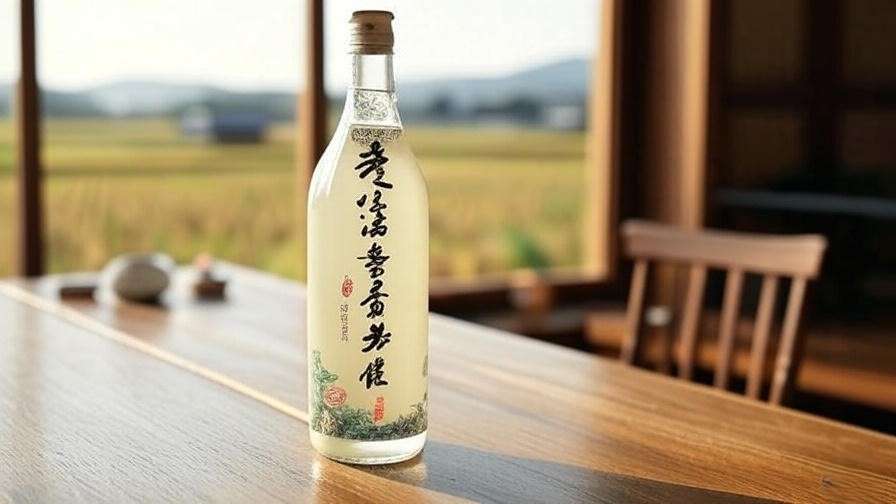
- Makgeolli: A milky, slightly fizzy rice wine for a traditional touch.
- Beer: Often mixed with soju for somaek (soju + beer).
- Shot Glasses: Small, clear glasses for precise pouring.
- Snacks: Think dried squid, kimchi pancakes, or spicy tteokbokki to keep the energy up.
For inclusive gatherings, offer non-alcoholic options like Korean barley tea, citron tea, or soda. You can find these at Asian markets or online retailers like H Mart.
Setting the Mood
Transform your space into a K-culture haven:
- Music: Curate a K-pop playlist with hits from BTS, BLACKPINK, or NewJeans.
- Decor: Add Korean touches like paper lanterns, hanbok-inspired tablecloths, or posters of K-drama stars.
- Ambiance: Dim lighting and cozy seating mimic a Seoul pojangmacha.
Safety and Moderation Tips
Responsible hosting is key. Encourage pacing—Korean drinking games are fast, but no one should feel pressured. Offer plenty of water and snacks to balance the alcohol. For mixed groups, ensure non-drinkers feel included with fun penalties like singing a K-pop chorus or doing a silly dance. Always check in with guests to ensure everyone’s comfortable and having fun.
Top 10 Korean Drinking Games to Try
Game 1: Baskin Robbins 31
 Overview: Named after the ice cream chain, this counting game challenges players to avoid saying “31.” It’s a test of focus and quick thinking, perfect for lively groups.
Rules:
- Players sit in a circle and take turns saying up to three numbers in sequence (e.g., 1, 2, 3).
- The next player continues (e.g., 4, 5, 6), and so on.
- The player who must say “31” drinks and starts the next round.
- Variations: Allow players to say one or two numbers instead of three for added strategy.
Cultural Context: Popular in Korean bars, this game is a go-to for students and young professionals. Its simplicity makes it a crowd-pleaser.
Tips: For larger groups, try “Baskin Robbins 51” to extend the fun. Non-drinkers can do a fun forfeit like mimicking a K-drama line.
Game 2: The Soju Cap Flick (Ddakji)
 Overview: Players flick soju bottle caps to knock out opponents’ caps in a test of precision and flair.
Rules:
- Collect soju bottle caps or make DIY ddakji (folded paper squares).
- Place two caps on a flat surface.
- Players take turns flicking one cap to hit the other, aiming to flip or knock it off the table.
- The loser drinks or performs a forfeit.
Cultural Context: Seen in K-dramas like Reply 1988, ddakji is a nostalgic game that’s both competitive and accessible.
Tips: Practice flicking techniques for better control. For authenticity, use real soju caps or craft ddakji with colorful paper.
Game 3: Titanic
 Overview: A balancing act where players pour soju into a shot glass floating in beer, trying not to sink it.
Rules:
- Fill a glass halfway with beer and float a shot glass in it.
- Players take turns pouring a small amount of soju into the shot glass.
- The player who sinks the shot glass drinks the entire “ship” (beer + soju mix).
- Refloat and repeat.
Cultural Context: A pub favorite, Titanic tests precision and patience, often leading to hilarious mishaps.
Tips: Start with a wide glass for beginners. Non-drinkers can pour juice or soda instead.
Game 4: 3-6-9
 Overview: A rhythmic counting game where players clap instead of saying numbers containing 3, 6, or 9.
Rules:
- Players count in sequence, starting from 1.
- For numbers with 3, 6, or 9 (e.g., 3, 13, 36), clap once instead of saying the number.
- A mistake (saying the number or forgetting to clap) means a drink or forfeit.
- Continue until the group decides to stop.
Cultural Context: A classic game seen in Korean variety shows, it’s simple yet chaotic in large groups.
Tips: Speed up the pace for more challenge. Teach non-Korean speakers the pattern with a quick practice round.
Game 5: The Animal Game
 Overview: Players mimic animal sounds in a rhythmic sequence, creating a hilarious cacophony.
Rules:
- Each player chooses an animal and its sound (e.g., dog: “woof”).
- In a circle, the first player makes their sound twice, then another player’s sound twice.
- The named player continues, passing to another.
- Mistakes (wrong sound or rhythm) result in a drink or forfeit.
Cultural Context: Popular on Korean variety shows, this game brings out everyone’s silly side.
Tips: Choose easy animals like cat (“meow”) or cow (“moo”). Add K-pop beats to keep the rhythm.
Game 6: Bunny Bunny
Overview: A high-energy chanting game where players pass a “bunny” gesture around the circle, complete with a catchy song.
Rules:
- Players sit in a circle. One starts by chanting “Bunny Bunny” while making bunny ears with both hands, directed at themselves.
- They then point to another player, chanting “Bunny Bunny” again, passing the gesture.
- The receiving player repeats the chant and gesture, passing it to someone else.
- A mistake (wrong chant, gesture, or timing) means a drink or a fun forfeit like hopping like a bunny.
Cultural Context: Popularized by K-pop idols on shows like Running Man, this game is a fan favorite for its goofy charm and fast pace.
Tips: Play a K-pop song like TWICE’s “Cheer Up” to set the rhythm. For non-drinkers, replace drinks with a K-drama quote challenge.
Game 7: The Silent 007
Overview: A quick-reaction pointing game where “007” triggers a silent dodge, testing reflexes and focus.
Rules:
- Players count in a circle: “Zero, zero, seven.”
- The player saying “seven” points at someone, who must stay silent while the players on their left and right say “Bang!”
- The pointed-at player “dodges” by leaning. A mistake (speaking or not dodging) results in a drink or forfeit.
- Continue with the next player saying “Zero, zero, seven.”
Cultural Context: A staple in Korean bars, this game is compact and perfect for small groups, often sparking bursts of laughter.
Tips: Keep the pace brisk to maintain excitement. Non-drinkers can do a quick K-pop dance move as a forfeit.
Game 8: The Name Game
Overview: Players guess celebrity names based on clues, with a focus on K-pop and K-drama stars for extra flair.
Rules:
- One player gives a clue about a celebrity (e.g., “This idol is in BTS and loves purple”).
- Others guess the name (e.g., V). A wrong guess or no guess means a drink or forfeit.
- The clue-giver passes to the next player, who provides a new clue.
- Continue around the circle.
Cultural Context: Korea’s celebrity-obsessed culture makes this game a hit, especially when referencing stars like Park Seo-joon or IU.
Tips: Curate a mix of global and Korean celebrities for inclusivity. Use visual clues (like mimicking a dance) for added fun.
Game 9: Image Game
Overview: A creative game where players describe an image without using forbidden words, testing wit and vocabulary.
Rules:
- Prepare cards with images (e.g., K-drama scenes, K-pop idols, or Korean landmarks).
- A player describes the image without using three pre-set forbidden words (e.g., for a Hallyu star, no saying “singer,” “dance,” or “Korea”).
- Others guess the image. A wrong guess or using a forbidden word means a drink or forfeit.
- Pass to the next player with a new card.
Cultural Context: Seen in Korean gatherings, this game sparks creativity and laughter, especially with K-culture-themed images.
Tips: Use K-drama screenshots or K-pop album covers for authenticity. Simplify descriptions for non-native speakers.
Game 10: High-Low
Overview: A strategic guessing game where players predict if a number is higher or lower than the previous one.
Rules:
- One player thinks of a number between 1 and 100 and announces a range (e.g., “1 to 50”).
- The next player guesses if the number is higher or lower than a midpoint (e.g., “Higher than 25”).
- The range narrows until someone guesses the exact number. The loser drinks or does a forfeit.
- The winner starts the next round.
Cultural Context: A cerebral game for competitive players, often played in quieter Korean pub settings.
Tips: Keep guesses bold to speed up the game. Non-drinkers can perform a K-drama monologue as a forfeit.
How to Adapt Korean Drinking Games for Global Audiences
Language and Cultural Barriers
Korean drinking games are accessible, but language can be a hurdle. Simplify rules by demonstrating them first—actions like clapping in 3-6-9 or gesturing in Bunny Bunny transcend words. Use visual aids, like printed rule cards, for non-Korean speakers. Incorporate universal themes, such as global celebrities in the Name Game, to make games relatable. Practice rounds help everyone get the hang of it, ensuring no one feels left out.
Non-Alcoholic Options
Inclusivity is key for a global audience. Swap soju for Korean beverages like sikhye (sweet rice drink), yuja tea, or even soda. For games like Titanic, use juice or sparkling water. Non-alcoholic penalties can include singing a K-pop chorus, mimicking a K-drama scene, or doing a quick dance. These alternatives keep the energy high while respecting everyone’s preferences.
Hosting a K-Culture Party Abroad
 Bring Seoul to your living room with these tips:
- Sourcing Supplies: Asian markets like H Mart or online retailers (e.g., Amazon, Weee!) carry soju, makgeolli, and snacks like ramyeon or dried seaweed.
- Theming: Decorate with Korean flags, hanbok-inspired napkins, or posters of K-drama heartthrobs. Play a playlist with EXO, Red Velvet, or OSTs from Goblin.
- Activities: Pair games with K-drama trivia or a K-pop dance-off to keep the K-culture vibe strong.
Expert Tips for Mastering Korean Drinking Games
Insights from Korean Culture Experts
I consulted Ji-hoon, a Seoul-based cultural guide who’s hosted countless pojangmacha nights. He emphasizes pacing: “Korean drinking games are about fun, not pressure. Keep the mood light and check in with your group.” Common mistakes? Rushing explanations or skipping practice rounds. Ensure everyone understands the rules to avoid confusion. Ji-hoon also suggests pairing games with storytelling—share a K-drama anecdote to set the scene.
Pro Strategies for Winning
- Baskin Robbins 31: Count silently to anticipate “31” and pass strategically.
- Titanic: Pour slowly and use a steady hand to avoid sinking the glass.
- 3-6-9: Practice the clapping rhythm beforehand to stay sharp.
- Bunny Bunny: Keep eye contact to avoid missing your turn.
These strategies, honed from observing Seoul game nights, give you an edge while keeping the fun first.
Pairing Games with Korean Snacks
 Food elevates the experience. Pair games with:
- Tteokbokki: Spicy rice cakes complement the intensity of Titanic.
- Pajeon: Savory pancakes balance the sweetness of makgeolli in Bunny Bunny.
- Ramyeon: Instant noodles are a late-night staple for long game sessions.
These pairings, inspired by Korean street food culture, keep guests fueled and immersed.
Frequently Asked Questions (FAQs)
What are the most popular Korean drinking games?
Baskin Robbins 31, Titanic, and 3-6-9 are crowd favorites due to their simplicity and universal appeal, seen in bars and K-dramas alike.
Can I play Korean drinking games without alcohol?
Absolutely! Use Korean teas, juices, or soda. Replace drinking penalties with fun challenges like K-pop karaoke or K-drama reenactments.
Where can I learn more about Korean culture?
Explore K-dramas like Reply 1988 for social insights, read books like The Birth of Korean Cool by Euny Hong, or attend local Korean cultural festivals.
Are these games suitable for all ages?
With non-alcoholic adaptations, yes. Simplify rules for younger players and use family-friendly forfeits like silly dances.
How do I source authentic Korean drinks?
Check Asian supermarkets, H Mart, or online stores like Weee! for soju, makgeolli, and non-alcoholic options like citron tea.
Korean drinking games are more than just party tricks—they’re a vibrant slice of Korean culture that brings people together, just like the iconic scenes in your favorite K-dramas. From the strategic suspense of Baskin Robbins 31 to the chaotic fun of Bunny Bunny, these 10 games offer something for every K-culture fan. Whether you’re hosting a K-drama watch party or a full-blown Korean-themed bash, these games guarantee laughter, bonding, and memories. So grab some soju (or soda), cue up a BTS playlist, and let the games begin! Share your favorite game moments in the comments or on X with #KCutureParty—we can’t wait to hear about your epic nights.