
Imagine a young girl, clad in a vibrant hanbok, stepping delicately into a world of hardship and hope, guided not by a fairy godmother but by a magical fish from a shimmering pond. This is the Korean Cinderella, known as Yeh-Shin, a timeless folktale that weaves together resilience, cultural heritage, and the dream of a better life. Unlike the Western Cinderella, Yeh-Shin’s story is deeply rooted in Korean traditions, reflecting values of perseverance and filial piety. In this article, we’ll unravel the Korean Cinderella’s origins, its profound cultural significance, and its vibrant presence in modern K-dramas, offering you a window into Korea’s enchanting folklore. Whether you’re a K-drama enthusiast or a curious explorer of Korean culture, this journey into Yeh-Shin’s tale will captivate and inspire.
As experts in Korean culture and folklore, we draw on historical texts, scholarly insights, and contemporary media analysis to bring you a comprehensive exploration of this beloved story. Let’s dive into the heart of the Korean Cinderella and discover why it continues to resonate with audiences worldwide.
What Is the Korean Cinderella Story?
The Tale of Yeh-Shin: A Brief Synopsis
 The Korean Cinderella, often called Yeh-Shin (or Ye Xian in some translations), is a folktale about a kind-hearted girl who endures cruelty from her stepmother and stepsister. Orphaned at a young age, Yeh-Shin is forced into servitude, her beauty and spirit hidden beneath tattered clothes. Unlike the Western Cinderella, who relies on a fairy godmother, Yeh-Shin finds an unlikely ally in a magical fish, a creature she befriends by sharing her meager food. When the fish is killed by her cruel stepmother, its bones grant Yeh-Shin a miraculous gift: a stunning hanbok and a pair of lotus slippers to attend a grand festival. There, she captures the heart of a nobleman, but loses one slipper as she flees. The slipper leads the nobleman to Yeh-Shin, and her kindness and resilience win her a new life.
This tale, rich with Korean cultural elements, emphasizes virtues like compassion and perseverance, setting it apart from its Western counterpart. The absence of a fairy godmother and the presence of nature-based magic reflect Korea’s spiritual traditions, making Yeh-Shin a unique heroine.
Historical Origins and Folklore Roots
The origins of Yeh-Shin trace back to Korea’s ancient oral traditions, with some scholars suggesting influences from the Chinese Ye Xian story from the Tang dynasty (618–907 CE). However, the Korean version is distinctly flavored by local customs and beliefs. Historical records, such as those from the Joseon Dynasty (1392–1897), mention similar tales of virtuous women overcoming adversity, often preserved through oral storytelling in rural villages. According to Dr. Min-Jung Kim, a folklorist at Seoul National University, “Yeh-Shin reflects Korea’s Confucian emphasis on filial piety and moral integrity, blending indigenous shamanistic elements with universal storytelling motifs.”
The story’s setting, often a rural Korean village with hanok houses and lush landscapes, grounds it in the peninsula’s cultural history. The magical fish, a symbol of benevolence, ties to Korea’s animistic beliefs, where nature spirits play a significant role. These elements make Yeh-Shin not just a fairy tale but a cultural artifact that preserves Korea’s heritage.
Cultural Significance of the Korean Cinderella
Symbolism in the Story
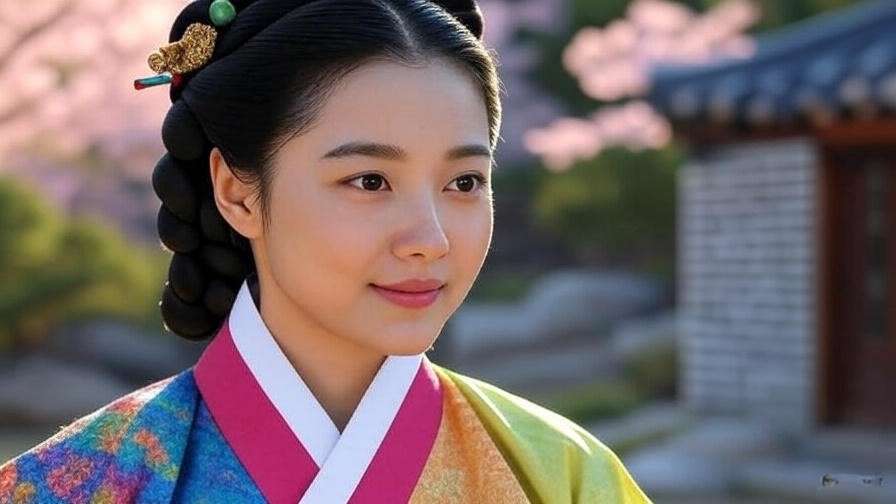
 The Korean Cinderella is rich with symbols that resonate deeply with Korean culture. The magical fish, for instance, is more than a plot device; it embodies the Buddhist and shamanistic reverence for nature as a source of wisdom and aid. The lotus slipper, unlike the glass slipper of Western tales, symbolizes purity and resilience, drawing from the lotus flower’s ability to bloom beautifully despite muddy waters. The hanbok Yeh-Shin wears to the festival is a vibrant expression of Korean identity, its flowing silk and intricate patterns reflecting the elegance of traditional craftsmanship.
These symbols connect Yeh-Shin to Korea’s spiritual and aesthetic traditions, offering readers a glimpse into the values that shape the nation’s identity. The fish’s bones, granting wishes even after death, underscore the enduring power of kindness—a theme that resonates across cultures but is uniquely framed in Korea’s communal ethos.
Themes of Resilience and Social Mobility
Yeh-Shin’s journey from servitude to recognition mirrors Korea’s historical class struggles, particularly during the Joseon era, where rigid hierarchies separated the yangban (noble class) from commoners. Her story reflects a dream of social mobility, a theme that resonates in modern Korea, where education and hard work are seen as paths to success. As Dr. Hye-Rin Park, a cultural historian, notes, “Yeh-Shin’s perseverance embodies the Korean spirit of han—a complex mix of resilience and hope in the face of adversity.”
The tale also emphasizes communal values over individualism. Yeh-Shin’s kindness to the fish and her loyalty to her late mother’s memory align with Confucian ideals of duty and compassion, making her a role model for Korean audiences. These themes continue to inspire, offering lessons in resilience that apply to modern challenges like workplace competition or social inequality.
The Korean Cinderella in Modern Media
Adaptations in K-Dramas and Film
 The Korean Cinderella archetype has found a vibrant second life in K-dramas, where the “rags-to-riches” trope is a beloved narrative. Shows like Boys Over Flowers and Cinderella and Four Knights reimagine Yeh-Shin’s story in modern settings, with heroines overcoming socioeconomic barriers to find love and success. In Boys Over Flowers, Geum Jan-di, a working-class girl, navigates a world of elite privilege, echoing Yeh-Shin’s journey from obscurity to recognition. Similarly, Cinderella and Four Knights features a determined heroine who transforms her life through grit and kindness.
Below is a comparison of Yeh-Shin’s story with its K-drama counterparts:
| Element | Yeh-Shin (Folktale) | Boys Over Flowers | Cinderella and Four Knights |
|---|---|---|---|
| Heroine | Yeh-Shin, a kind orphan | Geum Jan-di, a dry cleaner’s daughter | Eun Ha-won, a hardworking student |
| Helper | Magical fish bones | Friends and allies | Supportive male leads |
| Turning Point | Festival with lotus slipper | Elite school acceptance | Invitation to a wealthy mansion |
| Moral | Kindness and perseverance | Resilience and authenticity | Determination and compassion |
These adaptations keep the Korean Cinderella’s spirit alive, blending traditional themes with modern aspirations. They appeal to global audiences through the universal appeal of underdog stories, amplified by the Hallyu wave.
Influence on Global Pop Culture
The Korean Cinderella has transcended borders, thanks to the global rise of K-dramas and Korean culture. The Hallyu wave, fueled by streaming platforms like Netflix, has introduced Yeh-Shin-inspired narratives to international audiences. For example, the K-drama Secret Garden features a stuntwoman who rises above her circumstances, resonating with Yeh-Shin’s themes of transformation. Academic studies, such as those published in the Journal of Korean Studies, note that these stories have shaped global perceptions of Korean resilience and cultural richness.
Beyond K-dramas, the Korean Cinderella archetype appears in international media, from references in Western TV shows to scholarly discussions of global folklore. This cross-cultural appeal underscores the story’s universal themes while highlighting Korea’s unique storytelling traditions.
Tip: Dive into K-dramas like My Love from the Star or The Heirs to see how Cinderella-like narratives blend romance, drama, and cultural flair. Check streaming platforms for availability.
How the Korean Cinderella Differs from Western Versions
Narrative and Character Differences
 While both Yeh-Shin and the Western Cinderella share a rags-to-riches arc, their narratives diverge significantly. The Western Cinderella, popularized by Charles Perrault and the Brothers Grimm, relies on a fairy godmother and animal helpers (e.g., mice turned into horses). Yeh-Shin, however, draws on nature-based magic, with the fish and its bones serving as her guide. This reflects Korea’s animistic traditions, where spirits inhabit natural elements, contrasting with the Western reliance on supernatural beings.
The male lead in Yeh-Shin’s story is also distinct. Unlike the idealized Prince Charming, the nobleman in Yeh-Shin is often portrayed as a grounded figure, valuing her character over her appearance. This aligns with Korean storytelling’s focus on inner virtue over external glamour.
Cultural Context and Moral Lessons
The Western Cinderella emphasizes individual triumph and romantic love, often culminating in a fairy-tale wedding. Yeh-Shin’s story, however, prioritizes communal harmony and moral integrity. Her kindness to the fish reflects a reciprocal relationship with nature, a hallmark of Korean spirituality. The moral lessons—filial piety, compassion, and resilience—align with Confucian values, contrasting with the Western focus on personal fulfillment.
Example: In Yeh-Shin, the festival scene is a communal celebration, often tied to a village harvest or royal event, unlike the Western Cinderella’s exclusive royal ball. This highlights Korea’s emphasis on collective joy over elite exclusivity.
Why the Korean Cinderella Resonates Today
Universal Appeal and Modern Relevance
 The Korean Cinderella, Yeh-Shin, continues to captivate audiences because her story transcends time and culture. Her journey from hardship to triumph mirrors universal human experiences—overcoming adversity, chasing dreams, and finding hope in unlikely places. In modern Korea, where societal pressures like academic competition and economic inequality loom large, Yeh-Shin’s resilience strikes a chord. Her story speaks to anyone who has faced obstacles, whether it’s navigating a challenging workplace or striving for personal growth in a fast-paced world.
Globally, Yeh-Shin’s tale resonates through its presence in K-dramas, which have brought Korean storytelling to millions via platforms like Netflix and Viki. The underdog narrative, paired with Korea’s vibrant cultural backdrop, makes Yeh-Shin a relatable heroine for audiences from Seoul to San Francisco. As Dr. Soo-Jin Lee, a cultural commentator, observes, “Yeh-Shin’s story is a reminder that kindness and perseverance can break barriers, a message that feels urgent in today’s divided world.”
Lessons for Today’s Audience
Yeh-Shin’s story offers timeless lessons that readers can apply to their own lives. Her compassion for the fish teaches the value of small acts of kindness, which can yield unexpected rewards. Her perseverance through hardship inspires readers to push forward despite setbacks, whether in personal relationships or professional goals. For those exploring Korean culture, Yeh-Shin’s tale is an invitation to appreciate the depth of Korea’s folklore and its emphasis on harmony with nature and community.
Reader Prompt: Have you ever faced a challenge that felt insurmountable, like Yeh-Shin’s struggles? Reflect on a moment when kindness or persistence led to a breakthrough, and consider how Yeh-Shin’s story might inspire your next step. Sharing these reflections in the comments below can spark meaningful discussions with fellow readers.
Exploring Korean Folklore Beyond Yeh-Shin
Other Korean Fairy Tales with Similar Themes
Yeh-Shin is just one gem in the treasure trove of Korean folklore. Another notable tale is Kongjwi and Patjwi, a variant of the Cinderella story with its own unique flavor. In this story, Kongjwi, a virtuous girl, faces cruelty from her stepmother and stepsister, Patjwi, but receives help from supernatural forces, such as a toad or a flock of birds, to attend a royal event. Like Yeh-Shin, Kongjwi’s story emphasizes resilience and moral integrity, but it also incorporates rural Korean settings and agricultural motifs, reflecting the lives of commoners.
Other folktales, such as The Woodcutter and the Heavenly Maiden, explore themes of sacrifice and love, often blending human struggles with supernatural elements. These stories share Yeh-Shin’s focus on virtues like loyalty and compassion, reinforcing their role in shaping Korean cultural identity. Exploring these tales offers readers a broader understanding of Korea’s storytelling traditions and their enduring relevance.
The Role of Folklore in Korean Identity
Korean folklore serves as a cultural anchor, preserving history and values in the face of rapid modernization. Stories like Yeh-Shin connect modern Koreans to their ancestral past, reminding them of the spiritual and ethical foundations that shaped the nation. Institutions like the National Folk Museum of Korea in Seoul actively preserve these tales through exhibits, performances, and oral storytelling events, ensuring they remain accessible to new generations.
Folklore also plays a role in Korea’s global cultural influence. The Hallyu wave has spotlighted Korean traditions, from hanbok fashion to traditional music, and folktales like Yeh-Shin provide a narrative backbone for this cultural export. By engaging with these stories, readers can better appreciate Korea’s unique blend of tradition and innovation, from ancient villages to bustling K-pop stages.
How to Engage with the Korean Cinderella Story Today
Reading and Watching Recommendations
For those eager to dive deeper into the Korean Cinderella, several resources bring Yeh-Shin’s story to life. English translations of the tale, such as The Korean Cinderella by Shirley Climo, offer accessible retellings for children and adults alike, complete with vibrant illustrations of hanbok and traditional Korean settings. For a more scholarly approach, Korean Folktales by James H. Grayson provides historical context and analysis, perfect for readers seeking academic depth.
K-dramas remain the most engaging way to experience Yeh-Shin’s legacy. Titles like Cinderella and Four Knights (available on Netflix) and Boys Over Flowers (streamable on Viki) modernize the Cinderella trope with compelling characters and emotional depth. Documentaries, such as Korean Culture: Fairy Tales and Folklore on platforms like YouTube, offer visual explorations of Yeh-Shin’s cultural roots.
Cultural Experiences to Dive Deeper
 To connect with Yeh-Shin’s world, consider immersive cultural experiences. Visiting Korea’s cultural festivals, such as the Andong Mask Dance Festival or the Seoul Lantern Festival, offers a glimpse into the communal spirit of Yeh-Shin’s festival scene. The National Folk Museum of Korea hosts exhibits on folktales, featuring artifacts like hanbok replicas and traditional pottery, which bring the story’s setting to life.
For a hands-on experience, try wearing a hanbok at a rental shop in Seoul’s Bukchon Hanok Village or exploring Korean language basics to appreciate the linguistic nuances of folktales. Online resources, such as the Korea Tourism Organization’s website (visitkorea.or.kr), provide guides to cultural events and folklore-related attractions.
Tip: Check out the Korea Heritage Service (cha.go.kr) for digital archives of folktales and virtual tours of cultural sites, perfect for exploring Yeh-Shin’s world from anywhere.
FAQs About the Korean Cinderella
Question 1: What makes the Korean Cinderella different from other Cinderella stories worldwide?
The Korean Cinderella, Yeh-Shin, stands out for its nature-based magic (e.g., a fish helper) and Confucian themes of filial piety and communal harmony, contrasting with the Western focus on individual triumph and fairy godmothers.
Question 2: Is Yeh-Shin based on a real historical figure?
No, Yeh-Shin is a fictional character rooted in Korean folklore, though her story may reflect the experiences of women in historical Korea, particularly during the Joseon Dynasty.
Question 3: How has the Korean Cinderella influenced modern K-dramas?
Yeh-Shin’s rags-to-riches arc inspires K-dramas like Boys Over Flowers and Cinderella and Four Knights, where heroines overcome socioeconomic barriers through resilience and kindness.
Question 4: Where can I read or watch the original Yeh-Shin story?
Look for translations like The Korean Cinderella by Shirley Climo or explore K-dramas with similar themes on Netflix and Viki. The National Folk Museum of Korea also offers digital resources.
Question 5: Are there other Korean fairy tales similar to Yeh-Shin?
Yes, tales like Kongjwi and Patjwi and The Woodcutter and the Heavenly Maiden share themes of resilience and virtue, reflecting Korea’s rich folklore tradition.
The Korean Cinderella, Yeh-Shin, is more than a fairy tale—it’s a vibrant thread in the tapestry of Korean culture, weaving together history, spirituality, and universal human aspirations. From its ancient origins to its modern incarnations in K-dramas, Yeh-Shin’s story celebrates resilience, kindness, and the power of hope. By exploring its cultural significance, symbolic depth, and global influence, we’ve uncovered why this tale continues to enchant audiences worldwide.
Ready to dive deeper? Watch a K-drama like Cinderella and Four Knights, visit a Korean cultural festival, or share your thoughts on Yeh-Shin’s story in the comments below. Let’s celebrate the enduring magic of Korea’s folklore together, connecting us to a heritage that inspires across generations.