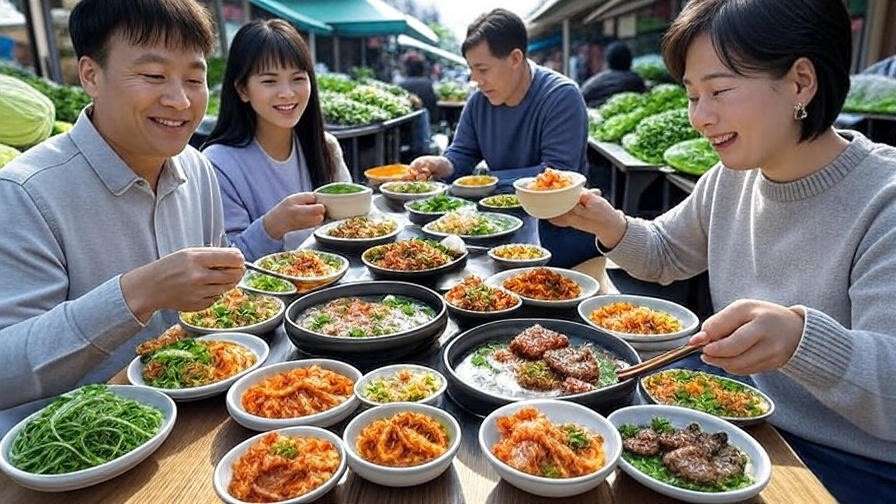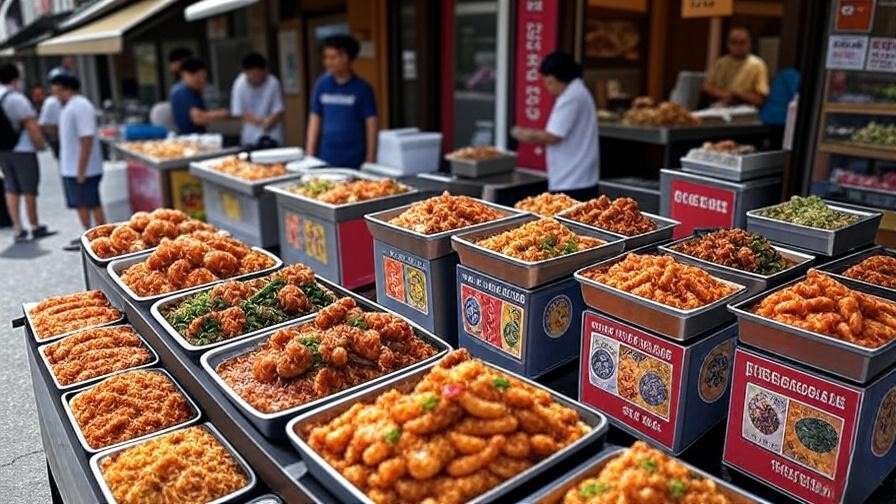

Picture this: your living room glows with the soft light of a K-Drama flickering on the screen, the irresistible aroma of Korean BBQ sizzling on a tabletop grill, and your friends gathered around, laughing and wrapping tender bulgogi in crisp lettuce leaves. Korean BBQ isn’t just food—it’s a cultural experience that brings people together, just like the heartfelt moments in Crash Landing on You or Itaewon Class. Whether you’re a K-Drama fanatic or a foodie eager to explore Korean cuisine, this guide will teach you how to master Korean BBQ at home. With authentic recipes, practical tips, and a dash of K-Drama flair, you’ll host a night that’s as memorable as your favorite series. As a Korean culture enthusiast who’s spent years studying its cuisine and traditions, I’ve crafted this article to help you recreate the vibrant flavors and communal spirit of Korean BBQ, right in your own kitchen.
What Makes Korean BBQ Special?
 A Cultural Staple in Korean Dining
Korean BBQ, or gogi-gui, is more than a meal—it’s a celebration of community and flavor deeply rooted in Korean culture. Originating in the royal courts of the Joseon Dynasty, it evolved into a beloved social ritual where friends and family gather around a grill to share stories and savor sizzling meats. K-Dramas like Hospital Playlist and Let’s Eat often showcase Korean BBQ scenes, where characters bond over steaming plates of galbi and samgyeopsal, reflecting Korea’s emphasis on togetherness. Today, Korean BBQ is a global phenomenon, with restaurants from Seoul to Los Angeles serving up its signature smoky, savory delights.
Key Elements of Korean BBQ
What sets Korean BBQ apart? It’s the perfect harmony of tender meats, bold marinades, and vibrant accompaniments. Signature cuts like bulgogi (thinly sliced marinated beef), galbi (beef short ribs), and samgyeopsal (pork belly) are grilled to perfection, often at the table. These are paired with banchan (side dishes) like kimchi, pickled radish, and seasoned spinach, plus dipping sauces like spicy ssamjang. Wrapping grilled meat in lettuce or perilla leaves adds a fresh, interactive element that distinguishes Korean BBQ from American or Japanese styles, which often focus on larger cuts or different flavor profiles.
Essential Ingredients for Authentic Korean BBQ
Must-Have Meats and Cuts
The heart of Korean BBQ lies in its meats. Bulgogi, with its sweet-savory marinade, is made from thinly sliced sirloin or ribeye. Galbi uses beef short ribs, prized for their rich flavor and tender texture. Samgyeopsal, thick slices of pork belly, delivers crispy, juicy bites. For quality, visit Asian markets like H-Mart or choose well-marbled cuts from your local butcher. Vegetarians can opt for king oyster mushrooms, firm tofu, or seitan, which soak up marinades beautifully and mimic the texture of meat.
Marinades and Sauces
Marinades are the soul of Korean BBQ. A classic bulgogi marinade combines soy sauce, sesame oil, garlic, and pear juice for a balance of umami and subtle sweetness. Galbi marinades often add brown sugar for caramelization. For sauces, ssamjang—a mix of gochujang (Korean chili paste) and doenjang (fermented soybean paste)—is a must. A simple sesame oil-salt dip enhances samgyeopsal, while a gochujang-based sauce adds heat. Here’s a quick ssamjang recipe: mix 2 tbsp gochujang, 1 tbsp doenjang, 1 tsp sesame oil, 1 tsp minced garlic, and 1 tsp toasted sesame seeds.
Banchan and Accompaniments
Banchan elevate Korean BBQ into a feast. Kimchi, with its tangy, spicy crunch, is non-negotiable. Other staples include pickled radish for sweetness, seasoned spinach (sigeumchi namul) for earthiness, and soybean sprouts for texture. Serve with steamed rice and fresh lettuce or perilla leaves for wrapping. Pro tip: Source authentic ingredients from brands like CJ or Ottogi, available at Asian grocers or online retailers like Weee! or Amazon.
Setting Up Your Korean BBQ at Home
 Equipment You’ll Need
You don’t need a fancy setup to enjoy Korean BBQ at home. A tabletop electric grill (like the Cuisinart Griddler, around $50) or a portable butane burner with a grill plate works perfectly. For safety, ensure good ventilation—open windows or use a range hood to manage smoke. No grill? Use a cast-iron skillet on the stovetop or broil meats in the oven. You’ll also need tongs, chopsticks, and small dishes for banchan and sauces to recreate the restaurant experience.
Creating the K-Drama Vibe
Transform your dining area into a Seoul BBQ joint. Use Korean-style tableware like metal chopsticks and shallow bowls, available at stores like Daiso. Play a K-Pop playlist featuring BTS or BLACKPINK, or queue up ambient restaurant sounds for authenticity. Dim the lights and add candles or fairy lights to mimic the cozy vibe of K-Drama scenes. For decor, consider a table runner with hanbok-inspired patterns or a poster of your favorite drama’s cast.
Planning Your Menu
For a K-Drama watch party, plan a balanced menu: two meats (e.g., bulgogi and samgyeopsal), four banchan (kimchi, pickled radish, spinach, and cucumber salad), steamed rice, and drinks like soju or barley tea. This serves 4–6 people and ensures variety. Balance bold flavors (spicy kimchi) with mild ones (sweet radish) and include crunchy and soft textures. Prep banchan a day ahead to save time, and marinate meats overnight for maximum flavor.
Step-by-Step Korean BBQ Recipes
 Bulgogi (Marinated Beef)
Ingredients (Serves 4):
- 1 lb beef sirloin, thinly sliced
- ¼ cup soy sauce
- 2 tbsp sesame oil
- 2 tbsp brown sugar
- 1 tbsp pear juice (or grated Asian pear)
- 3 cloves garlic, minced
- 1 tsp grated ginger
- 1 tbsp sesame seeds
- 2 green onions, chopped
Instructions:
- Mix marinade ingredients in a bowl. Add beef, ensuring it’s fully coated. Cover and refrigerate for at least 2 hours, ideally overnight.
- Preheat grill to medium-high. Cook beef slices for 2–3 minutes per side until caramelized and tender.
- Serve with lettuce wraps, rice, and ssamjang.
Tip: Slice beef thinly by partially freezing it for 30 minutes before cutting.
Galbi (Beef Short Ribs)
Ingredients (Serves 4):
- 2 lbs beef short ribs, flanken-cut
- ⅓ cup soy sauce
- ¼ cup brown sugar
- 2 tbsp sesame oil
- 1 tbsp mirin
- 4 cloves garlic, minced
- 1 small onion, grated
- 1 tsp black pepper
Instructions:
- Combine marinade ingredients. Coat ribs and marinate for 4–8 hours.
- Grill over medium heat for 3–4 minutes per side until charred and tender.
- Alternatively, broil in the oven on high for 5–6 minutes per side.
Tip: Soak ribs in cold water for 30 minutes before marinating to remove excess blood for a cleaner flavor.
Samgyeopsal (Pork Belly)
Ingredients (Serves 4):
- 1 lb pork belly, sliced ¼-inch thick
- 8–10 garlic cloves, sliced
- 8–10 button mushrooms, sliced
- 1 tbsp sesame oil (for dipping)
- ½ tsp sea salt
Instructions:
- Preheat grill to medium-high. Grill pork belly slices for 2–3 minutes per side until crispy and golden.
- Grill garlic and mushrooms alongside for added flavor.
- Serve with sesame oil-salt dip and lettuce wraps.
Tip: Pat pork belly dry before grilling to achieve crispier edges.
Easy Banchan Recipes
Quick Kimchi (Serves 4):
- 1 small napa cabbage, chopped
- 2 tbsp gochugaru (Korean chili flakes)
- 1 tbsp fish sauce
- 1 tsp sugar
- 2 cloves garlic, minced
- 1 tsp ginger, grated
- Mix ingredients, let sit for 1 hour, and serve chilled.
Seasoned Spinach (Serves 4):
- 1 lb spinach, blanched
- 1 tsp soy sauce
- 1 tsp sesame oil
- 1 tsp sesame seeds
- Toss ingredients and serve at room temperature.
Tip: Prep banchan a day ahead and store in airtight containers to save time.
Hosting a K-Drama Night with Korean BBQ
Pairing Your BBQ with the Perfect K-Drama
Elevate your Korean BBQ night with a K-Drama that complements the vibe. For a romantic evening, try Crash Landing on You, where food scenes highlight connection. For a lively group, Itaewon Class brings energy with its restaurant backdrop. Food-centric dramas like Let’s Eat showcase Korean BBQ in action, inspiring your menu. Match the drama’s tone to your party—romantic, comedic, or dramatic—for a cohesive experience.
Engaging Your Guests
Make your BBQ interactive: let guests grill their own meats and build custom wraps with banchan and sauces. Encourage K-Drama-inspired conversation starters, like debating your favorite love triangle or sharing dream Korean travel plans. Set up a small station with printed K-Drama quotes or character trivia to spark laughs and bonding.
Drinks and Desserts
Pair your BBQ with traditional drinks like soju (a Korean spirit) or makgeolli (a fizzy rice wine). For non-alcoholic options, serve barley tea or citron tea. For dessert, offer hotteok (sweet pancakes with brown sugar filling) or a refreshing bingsu (shaved ice with red bean and fruit). These add a sweet finish that feels straight out of a Korean cafe.
Tips for Success and Troubleshooting
 Common Challenges and Solutions
Hosting Korean BBQ at home can come with a few hiccups, but they’re easy to overcome with the right know-how. If meats stick to the grill, ensure it’s preheated and lightly oiled with sesame or vegetable oil before cooking. For overly salty marinades, dilute with a bit of water or add a touch of honey to balance flavors. To manage smoke indoors, use a portable grill with a drip tray and keep windows open or a fan running. If banchan tastes bland, adjust seasoning with a pinch of salt or a drizzle of sesame oil before serving.
Scaling for Small or Large Groups
Whether you’re cooking for one or a crowd, Korean BBQ is adaptable. For solo nights, prepare smaller portions of one meat (e.g., ½ lb bulgogi) and two banchan to keep things simple. For larger gatherings, double the meat quantities and offer a variety of banchan to cater to different tastes. Prep-ahead strategies are key: marinate meats and make banchan up to two days in advance, storing them in airtight containers. For big parties, set up multiple grills or use a large skillet to cook meats in batches, keeping them warm in a low oven (200°F).
Expert Tip: Repurpose leftovers into Korean-inspired dishes like bibimbap or fried rice. For bibimbap, layer leftover meats and banchan over rice, top with a fried egg and a dollop of gochujang, and mix for a quick, flavorful meal.
Cultural Insights: Korean BBQ in K-Drama and Beyond
 Why Korean BBQ Resonates with K-Drama Fans
Korean BBQ is a recurring star in K-Dramas, symbolizing connection and celebration. In Hospital Playlist, friends gather over galbi to unwind, mirroring real-life Korean traditions of bonding over food. In Goblin, BBQ scenes highlight moments of camaraderie, with characters grilling and laughing together. These scenes resonate because they reflect Korea’s cultural emphasis on jeong—a deep sense of affection and community fostered through shared meals. For K-Drama fans, recreating Korean BBQ at home feels like stepping into their favorite show, blending culinary and emotional connections.
Global Appeal of Korean BBQ
Korean BBQ’s global rise is part of the Hallyu (Korean Wave), fueled by K-Dramas and K-Pop. From food trucks in Los Angeles to upscale restaurants in London, its interactive dining style and bold flavors have captivated foodies worldwide. Chefs like Roy Choi have popularized Korean BBQ tacos, blending Korean marinades with global cuisines. Its accessibility—simple ingredients, customizable flavors—makes it a hit for home cooks, while its presence in K-Dramas amplifies its cultural cachet. This fusion of tradition and trendiness ensures Korean BBQ remains a global culinary darling.
FAQs About Korean BBQ at Home
What’s the best meat for beginners to try?
Bulgogi is ideal for beginners due to its thin slices, quick cooking time, and forgiving marinade that ensures flavor even with slight overcooking.
Can I make Korean BBQ without a grill?
Yes! Use a cast-iron skillet on the stovetop for similar caramelization or broil meats in the oven for a charred effect.
How do I make my Korean BBQ taste authentic?
Use authentic ingredients like gochujang, doenjang, and sesame oil, and marinate meats for at least 2 hours. Pair with banchan and wrap in lettuce for the full experience.
What are vegetarian options for Korean BBQ?
King oyster mushrooms, firm tofu, and seitan are excellent substitutes. Marinate them like meat for rich flavor.
How long should I marinate the meat?
Bulgogi and samgyeopsal need 2–8 hours, while galbi benefits from 4–12 hours for optimal tenderness and flavor.
Where can I buy Korean BBQ ingredients?
Shop at Asian markets like H-Mart or online at Weee!, Amazon, or Say Weee for brands like CJ, Ottogi, or Sempio.
Mastering Korean BBQ at home is your ticket to a sizzling, authentic K-Drama night. From tender bulgogi to crispy samgyeopsal, paired with vibrant banchan and wrapped in fresh lettuce, this guide equips you with everything you need—recipes, equipment tips, and cultural insights. Whether you’re hosting a solo marathon of Goblin or a lively watch party for Itaewon Class, Korean BBQ brings the heart of Korean culture to your table. Try these recipes, share your creations on social media, and tag us with your K-Drama-inspired BBQ nights. Your next episode just got a whole lot tastier!