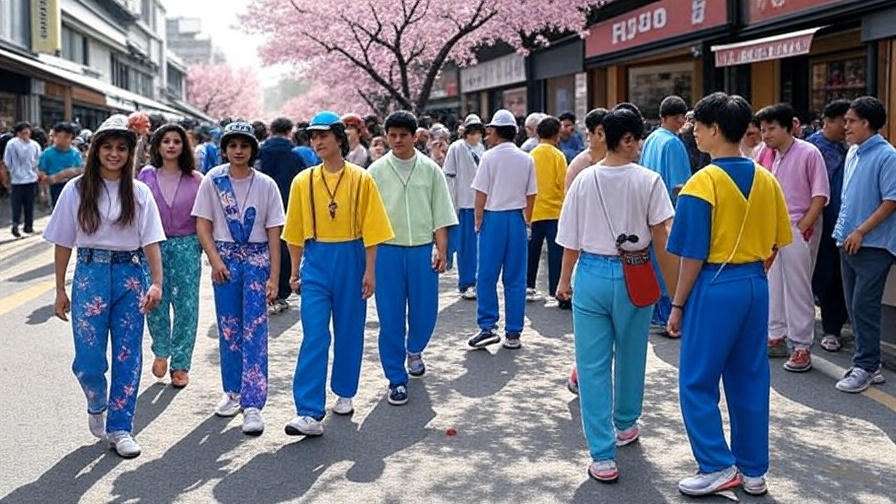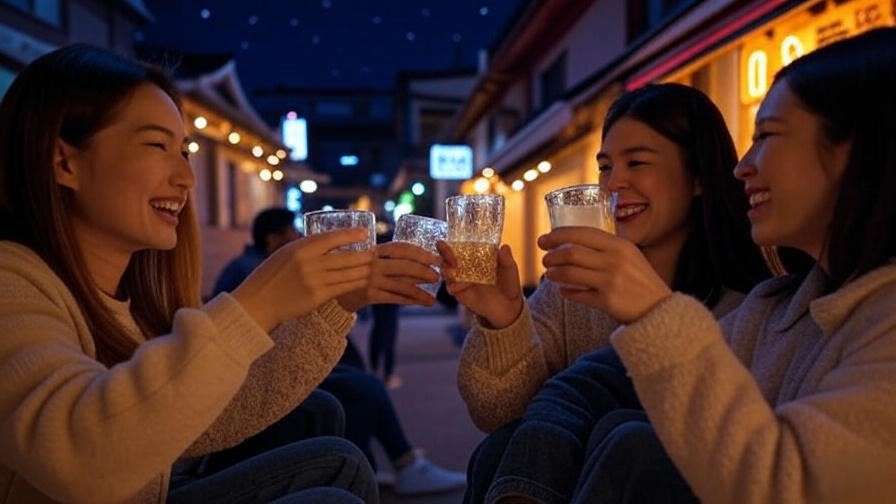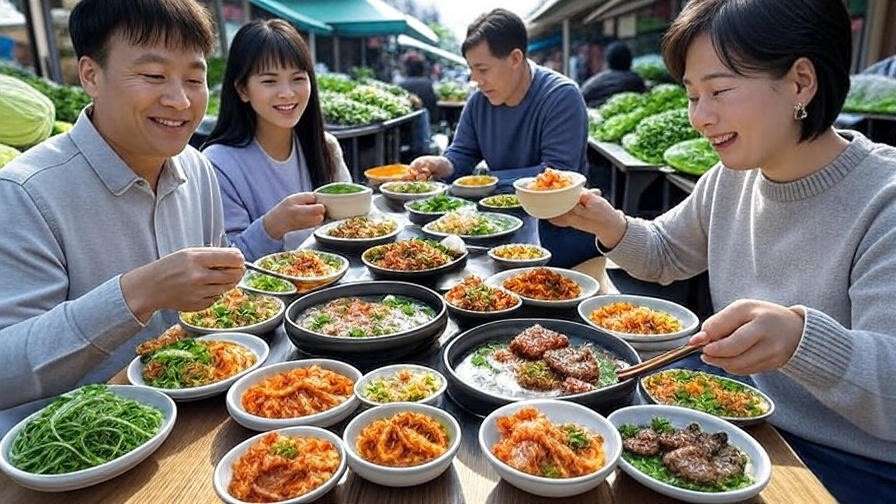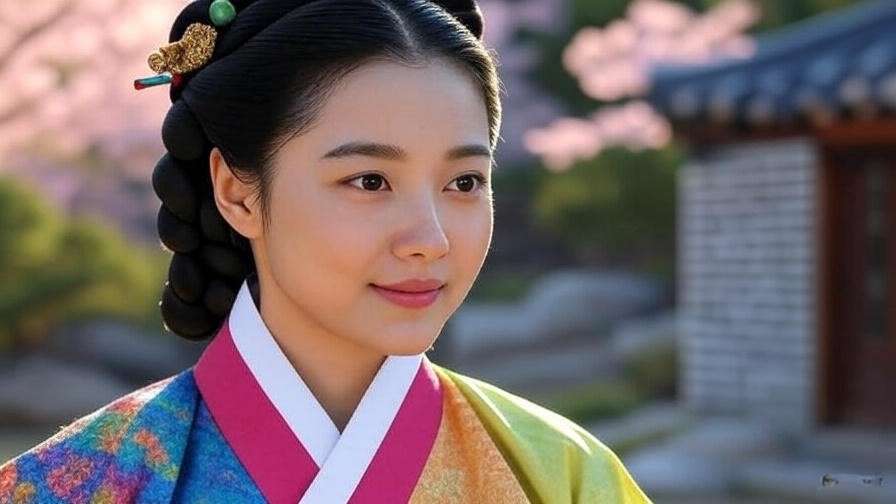

Imagine standing on a windswept cliff in Jeju City, where the turquoise waves crash against volcanic rocks, and the air hums with the same romantic allure you’ve seen in your favorite K-dramas. Jeju City, the vibrant heart of South Korea’s beloved island, is more than a scenic escape—it’s a cultural treasure trove and a pilgrimage site for K-drama fans. Whether you’re chasing the magic of Crash Landing on You or yearning to explore Korea’s rich heritage, this guide unveils seven must-visit spots in Jeju City that blend authentic Korean culture with the cinematic charm of Hallyu. As a Korean culture enthusiast who’s wandered Jeju’s markets and shrines, I’ve crafted this itinerary to help you plan an unforgettable journey, packed with insider tips and practical advice.
Why Jeju City is a Cultural and K-Drama Haven
A Snapshot of Jeju City’s Cultural Significance
 Jeju City, the bustling capital of Jeju Island, is a gateway to Korea’s unique island heritage. Known for its volcanic landscapes, UNESCO World Heritage sites, and distinct dialect, Jeju City offers a deep dive into traditions that feel worlds apart from mainland Korea. From the resilient haenyeo (female divers) to ancient myths woven into the island’s identity, the city pulses with history and pride. Its blend of modern vibrancy and preserved traditions makes it a must-visit for travelers seeking authentic Korean experiences.
Jeju City in K-Dramas
 Jeju City’s dramatic coastlines and quaint villages have starred in countless K-dramas, captivating global audiences. Iconic shows like Crash Landing on You and Boys Over Flowers have used Jeju’s scenic beauty as a backdrop for heart-wrenching romances and pivotal plot moments. For fans, visiting Jeju City is like stepping onto a K-drama set, where every corner—from seaside cliffs to cozy cafes—evokes cinematic magic. “Jeju’s landscapes amplify the emotional depth of K-dramas,” says Park Ji-hoon, a Seoul-based K-drama location scout. “It’s a place where stories come alive.”
Expert Insight
“Jeju City’s charm lies in its ability to balance tradition with modernity,” notes Kim Soo-jin, a Jeju-born cultural historian. “Visitors can explore ancient shrines one moment and sip coffee at a K-drama-inspired cafe the next.” This duality makes Jeju City a perfect destination for cultural immersion and fan-driven adventures.
Planning Your Jeju City Cultural Adventure
Best Time to Visit Jeju City
Jeju City shines year-round, but spring (March–May) and autumn (September–November) offer the best weather for exploration. In spring, cherry blossoms frame cultural sites like Samseonghyeol Shrine, while autumn’s mild temperatures are ideal for festivals like the Jeju Fire Festival (typically held in March, with 2025 dates pending). Summer brings lush greenery but crowded attractions, while winter offers quieter visits and dramatic seascapes. To avoid peak crowds, aim for mid-week visits in April or October.
Getting to and Around Jeju City
Jeju City is easily accessible via Jeju International Airport, with frequent flights from Seoul (1 hour) and Busan. Ferries from mainland ports like Mokpo are a scenic alternative, taking 4–5 hours. Within the city, public buses and taxis are reliable, while renting a car offers flexibility for exploring nearby villages. Many attractions, like Dongmun Market, are walkable from downtown. For international travelers, English signage and translation apps like Papago make navigation straightforward.
Cultural Etiquette for Visitors
Respecting Jeju’s customs enhances your experience. Greet locals with a slight bow, remove shoes when entering traditional spaces, and avoid loud behavior at sacred sites like Samseonghyeol Shrine. When dining, wait for elders to start eating, and try saying “jal meokgesseumnida” (I’ll eat well) to show appreciation. “Understanding local etiquette shows respect for our heritage,” says Lee Min-kyu, a Jeju tourism guide. These small gestures go a long way in connecting with the community.
The 7 Must-Visit Spots in Jeju City for Culture and K-Drama Fans
1. Dongmun Traditional Market
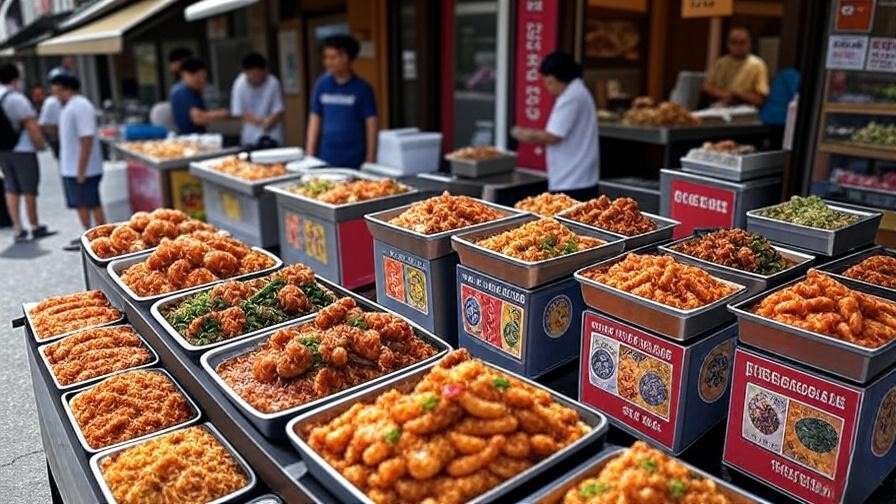
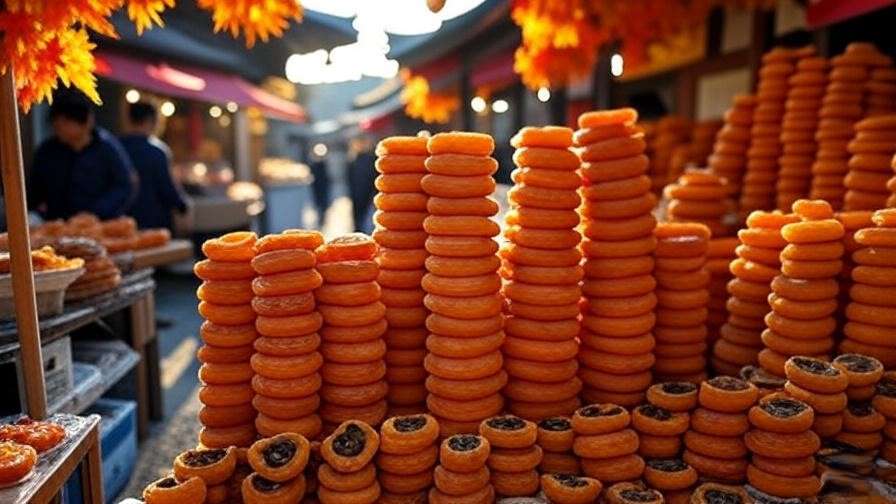
Dongmun Market is Jeju City’s beating heart, a bustling maze of stalls brimming with local delicacies like black pork, fresh tangerines, and abalone porridge. This vibrant market, open daily from 8 AM to 9 PM, offers a sensory overload of sights, smells, and sounds, capturing the essence of Jeju’s culinary culture. K-drama fans may recognize its lively alleys from scenes in Warm and Cozy, where characters bond over street food. Pro Tip: Visit Haebaragi Stall for their famous heukdwaeji (black pork) skewers, a local favorite. Bring cash for smaller vendors, and practice basic Korean phrases like “eolmaeyo?” (How much?) for a fun haggling experience.
2. Jeju Folk Village
Step back in time at Jeju Folk Village, a living museum showcasing traditional thatched-roof homes, ancient tools, and the legacy of Jeju’s haenyeo. Located a short drive from Jeju City, this sprawling site offers interactive workshops like pottery and tea-making, immersing you in island traditions. K-dramas like Jewel in the Palace have used similar settings to depict historical Korea. “The village preserves Jeju’s soul,” says curator Choi Eun-ji. Expert Insight: Join a guided tour to hear stories of the haenyeo, whose UNESCO-recognized culture is a highlight. Admission is around 11,000 KRW, with discounts for students.
3. Yongduam Rock (Dragon Head Rock)
 Yongduam Rock, a striking volcanic formation resembling a dragon’s head, is a Jeju City icon. Perched along the coast, it’s steeped in mythology and frequently appears in K-dramas for romantic confessions or dramatic farewells. Its rugged beauty is best captured at sunset, when the waves glow golden. Nearby cafes like Cafe del Mar, featured in Secret Garden, offer K-drama vibes with ocean views. Photography Tip: Shoot from the western side for the best angle, and visit early to avoid crowds. Entry is free, making it a budget-friendly stop.
4. Jeju Stone Park
Jeju Stone Park celebrates the island’s volcanic heritage with trails winding through sculptures, lava tubes, and cultural exhibits. This tranquil park, often used in K-dramas for introspective scenes, offers a deep dive into Jeju’s myths, like the legend of Seolmundae Halmang, the island’s creator goddess. “The park connects visitors to Jeju’s geological and spiritual roots,” says park guide Kang Hye-rim. Example: Traveler Sarah Kim recalls, “Walking through the park felt like stepping into a K-drama’s quiet moment of reflection.” Admission is 5,000 KRW, with guided tours available.
5. Samseonghyeol Shrine
Samseonghyeol Shrine, a sacred site in central Jeju City, marks the mythical origin of Jeju’s people, where three demigods emerged from the earth. Its serene grounds, shaded by ancient trees, have appeared in K-dramas exploring themes of legacy, like Legend of the Blue Sea. Visitors can attend seasonal rituals (check schedules at jeju.go.kr) for a deeper cultural experience. Pro Tip: Wear modest clothing and speak softly to honor the shrine’s sanctity. Entry is free, with donations appreciated.
6. Seongeup Folk Village
Seongeup Folk Village, a short drive from Jeju City, is a preserved snapshot of Jeju’s rural past, with stone-walled homes and narrow lanes that feel untouched by time. This UNESCO-recognized site has served as a backdrop for historical K-dramas like Sungkyunkwan Scandal, evoking Korea’s Joseon-era charm. Visitors can explore traditional houses, join workshops like rice cake-making, or sip omija tea at local teahouses. Pro Tip: Book a guided tour (around 10,000 KRW) to learn about Jeju’s unique dol hareubang (stone grandfather statues). The village is open daily from 9 AM to 6 PM, with quieter mornings ideal for immersive visits.
7. Hallim Park
Hallim Park, a lush oasis near Jeju City, blends botanical gardens, lava caves, and cultural exhibits, making it a favorite for K-drama shoots like All In. Its Hyeopjae Cave and vibrant flower gardens create cinematic settings perfect for romantic or reflective scenes. The park also showcases Jeju’s folk traditions through exhibits on local crafts. Pro Tip: Plan a half-day visit (admission 12,000 KRW) and pair it with a trip to nearby Hyeopjae Beach, a K-drama hotspot. Early spring or late autumn visits offer the best blooms and fewer crowds.
Experiencing Jeju City Like a K-Drama Star
Recreating Iconic K-Drama Moments
 For K-drama fans, Jeju City is a playground to relive iconic scenes. Start at Yongduam Rock for a Secret Garden-style sunset stroll, then head to Cafe The Bow in downtown Jeju City, featured in Warm and Cozy, for a cozy coffee break. Create a self-guided tour with this itinerary: morning at Dongmun Market, afternoon at Hallim Park, and evening at Seongeup Folk Village. Use a map app like Naver Maps to pinpoint exact filming spots, often shared by fan communities on platforms like X. Pro Tip: Check X for real-time fan posts about lesser-known K-drama locations, such as hidden beaches or cafes.
Local Dining with a Cultural Twist
Jeju’s cuisine is a cultural cornerstone, and dining like a K-drama character is a must. Try heukdwaeji (black pork) BBQ at Black Pork Street near Dongmun Market, a setting often used in food-centric K-drama scenes. For seafood lovers, Jeju’s haemul tang (seafood stew) at places like Myeongjin Jeonbok is a hit, reminiscent of Crash Landing on You’s coastal vibes. Vegetarians can enjoy Jeju’s bibimbap with local greens at vegan-friendly cafes like Loving Hut. Expert Tip: Curate a K-drama OST playlist—think IU or EXO—to set the mood while dining. Most restaurants are budget-friendly, with meals ranging from 10,000–20,000 KRW.
Cultural Events and Festivals in Jeju City
Jeju Fire Festival
 The Jeju Fire Festival, held annually in March (check jeju.go.kr for 2025 dates), is a fiery celebration of the island’s pastoral heritage. Locals set hills ablaze to symbolize renewal, accompanied by traditional performances and food stalls. Its dramatic visuals mirror K-drama climaxes, making it a bucket-list event for fans. Tickets are typically free, but arrive early for prime viewing spots at Saebyeol Oreum. Pro Tip: Book accommodations in advance, as festival season fills hotels quickly.
Haenyeo Performances and Cultural Shows
Jeju’s haenyeo, UNESCO-recognized female divers, are cultural icons celebrated in K-dramas for their strength and resilience. Catch their live demonstrations at sites like Jeju Folk Village or Seongsan Ilchulbong (Sunrise Peak), often accompanied by traditional music. Performances are scheduled seasonally, with details available via the Jeju Tourism Organization. “The haenyeo embody Jeju’s spirit,” says diver Kim Young-ja. These shows, often free or low-cost, offer a window into stories that inspire K-drama heroines.
Practical Tips for an Unforgettable Jeju City Trip
Budgeting for Your Cultural Journey
A Jeju City trip can fit various budgets. Entry to sites like Samseonghyeol Shrine is free, while paid attractions like Jeju Folk Village or Hallim Park cost 5,000–12,000 KRW. Meals at markets or local restaurants range from 8,000–20,000 KRW, with street food as low as 3,000 KRW. Budget travelers can explore free sites like Yongduam Rock or join walking tours via apps like Klook (starting at 10,000 KRW). Pro Tip: Use a T-money card for discounted bus fares, saving on transportation.
Accommodation Options in Jeju City
Stay in Jeju City’s heart at hotels like Ramada Plaza Jeju (from 100,000 KRW/night), offering ocean views and K-drama-worthy aesthetics. For a cultural immersion, book a hanok guesthouse like Jeju Guesthouse (from 30,000 KRW/night) for traditional charm. Airbnb options near Dongmun Market provide convenience for foodies. Pro Tip: Book 2–3 months in advance for spring or autumn to secure deals, especially during festivals.
Safety and Accessibility
Jeju City is safe for solo travelers and families, with low crime rates and friendly locals. English is widely understood in tourist areas, and apps like Papago bridge language gaps. For accessibility, sites like Hallim Park offer wheelchair-friendly paths, while buses accommodate mobility needs. Pro Tip: Carry a portable charger, as exploring filming locations or markets can drain your phone. Check jeju.go.kr for accessibility guides.
FAQs About Visiting Jeju City for Culture and K-Drama
What are the best K-drama filming locations in Jeju City?
Yongduam Rock, Hallim Park, and Cafe The Bow are top spots, featured in dramas like Secret Garden and Warm and Cozy. Use Naver Maps or fan posts on X to locate exact scenes.
How can I experience Jeju’s culture on a budget?
Visit free sites like Samseonghyeol Shrine, eat at Dongmun Market (meals under 10,000 KRW), and join low-cost walking tours via Klook.
Are there English-guided tours for Jeju’s cultural sites?
Yes, Jeju Folk Village and Seongeup Folk Village offer English tours (book via jeju.go.kr or Klook). Private guides are also available for personalized experiences.
What’s the best way to get around Jeju City without a car?
Public buses (1,200 KRW/ride) and taxis (starting at 3,300 KRW) are efficient. Use a T-money card and Naver Maps for easy navigation.
How can I respectfully engage with Jeju’s local traditions?
Bow when greeting, dress modestly at shrines, and learn phrases like “gamsahamnida” (thank you). Ask permission before photographing locals or rituals.
Jeju City is where Korean culture and K-drama dreams collide, offering a journey through vibrant markets, sacred shrines, and cinematic landscapes. From the bustling stalls of Dongmun Market to the serene beauty of Samseonghyeol Shrine, these seven must-visit spots weave together Jeju’s heritage and Hallyu allure. As someone who’s walked these paths, I can attest to the magic of sipping tangerine tea while watching waves crash at Yongduam Rock—it’s a moment straight out of a K-drama.