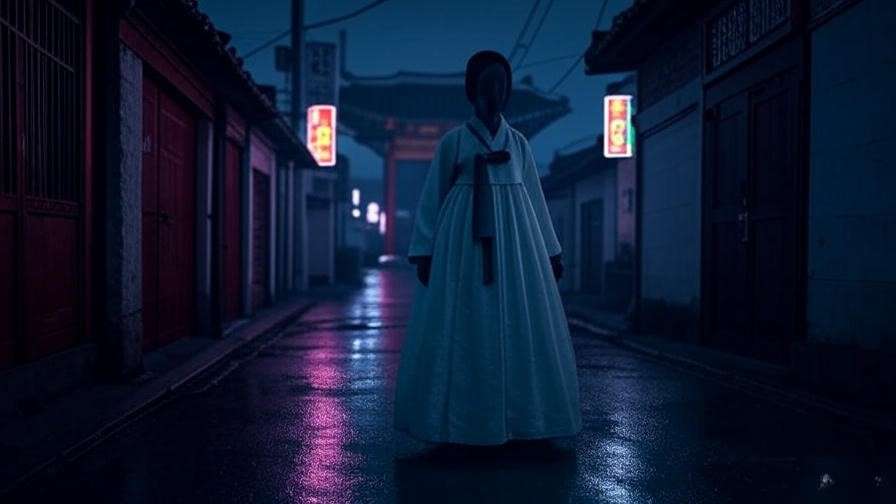

Imagine a world where the written word is locked behind an impenetrable wall of complex symbols, accessible only to the elite. In 1443, King Sejong the Great shattered that barrier in Joseon Korea with the creation of Hunminjeongeum, the “Correct Sounds for the Instruction of the People.” This revolutionary script, now known as Hangul, transformed Korea by making literacy available to all, from scholars to commoners. For fans of Korean culture, K-dramas, and history, understanding Hunminjeongeum unlocks the heart of Korea’s identity. This article dives deep into its origins, design, cultural impact, and enduring relevance, offering insights for enthusiasts and learners alike, backed by historical records and linguistic expertise.
What is Hunminjeongeum?
 Defining the “Correct Sounds for the Instruction of the People”
Hunminjeongeum is the original name of the Korean alphabet, introduced in 1443 by King Sejong the Great. The term translates to “Correct Sounds for the Instruction of the People,” reflecting its purpose: to create a simple, phonetic writing system that anyone could learn. Unlike the Chinese characters (Hanja) used at the time, which required years of study, Hunminjeongeum was designed to be intuitive, enabling even the uneducated to read and write. This script, later called Hangul, became the foundation of modern Korean literacy and a cornerstone of cultural identity.
Historical Context of Its Creation
In 15th-century Joseon Korea, literacy was a privilege reserved for the elite. Hanja, the Chinese writing system, dominated official documents, literature, and education, but its complexity excluded most of the population, including women and lower classes. King Sejong, a visionary ruler and scholar, recognized this as a barrier to progress. He believed that a nation’s strength lay in its people’s ability to communicate and learn. Working with scholars at the Jiphyeonjeon (Hall of Worthies), Sejong developed Hunminjeongeum to democratize knowledge, a bold move that challenged the status quo and reshaped Korean society.
The Genius Behind Hunminjeongeum’s Design
Linguistic Innovation
What sets Hunminjeongeum apart is its scientific brilliance. Unlike many writing systems that evolved organically, Hangul was deliberately crafted with a logical structure. Its consonants and vowels are designed to reflect the shapes of the human speech organs. For example, the consonant “ㄱ” (g/k) mimics the tongue’s position against the throat, while “ㅁ” (m) resembles closed lips. According to Dr. Young-Key Kim-Renaud, a renowned linguist, “Hangul’s design is a rare example of a writing system created with phonological precision, making it one of the most logical alphabets in the world.” This innovation allowed for precise representation of Korean sounds, setting it apart from other scripts.
Accessibility for All
The genius of Hunminjeongeum lies in its simplicity. With just 24 basic letters (14 consonants and 10 vowels), it can form thousands of syllables, making it easy to learn. For example, combining the consonant “ㅂ” (b/p) with the vowel “ㅏ” (a) creates the syllable “바” (ba). This syllabic structure allowed even beginners to read and write within days, a stark contrast to Hanja’s years-long learning curve. The following table illustrates how simple combinations form syllables:
| Consonant | Vowel | Syllable |
|---|---|---|
| ㄱ (g/k) | ㅏ (a) | 가 (ga) |
| ㅂ (b/p) | ㅣ (i) | 비 (bi) |
| ㅅ (s) | ㅗ (o) | 소 (so) |
This accessibility empowered ordinary Koreans, fostering widespread literacy and cultural expression.
The Cultural and Social Impact of Hunminjeongeum
 Democratizing Literacy in Joseon
Hunminjeongeum was a game-changer for Joseon society. By enabling commoners to read and write, it broke the monopoly of the educated elite. Women, in particular, benefited, as they were often excluded from formal Hanja education. Historical records show women using Hangul to write personal letters and poetry, such as sijo, a traditional Korean poetic form. For instance, the 16th-century noblewoman Hwang Jini used Hangul to compose evocative poetry, preserving her voice for posterity. This democratization laid the groundwork for a more inclusive society, where knowledge was no longer a privilege but a right.
Resistance and Acceptance
Despite its brilliance, Hunminjeongeum faced resistance. The scholarly elite, who prided themselves on mastering Hanja, viewed the new script as a threat to their status. They derided Hangul as “amgeul” (women’s script) or “eongeul” (vulgar script), dismissing its simplicity. However, King Sejong’s unwavering support ensured its survival. Over time, Hangul gained traction, especially among those excluded from elite education. By the 19th century, it became a symbol of Korean identity, especially during periods of foreign influence when preserving cultural heritage was critical.
Influence on Korean Literature and Arts
Hunminjeongeum sparked a literary renaissance. One of the earliest works written in Hangul was Yongbieocheonga (Songs of the Dragons Flying to Heaven), a 1445 text praising the Joseon dynasty’s founders. This work showcased Hangul’s versatility in capturing Korean phonetics and emotions. In modern times, Hangul’s influence extends to K-dramas and literature, where it’s celebrated as a cultural treasure. For example, the K-drama The King’s Letters (2019) vividly portrays King Sejong’s creation of Hunminjeongeum, blending historical accuracy with emotional storytelling, making it a must-watch for fans of Korean culture.
Hunminjeongeum in Modern Korean Culture
 Hangul as a Symbol of National Pride
Today, Hangul is more than a writing system—it’s a symbol of Korean pride. South Korea celebrates Hangul Day on October 9, while North Korea observes it on November 4, marking the script’s creation and publication. These celebrations include calligraphy exhibitions, language workshops, and cultural festivals. K-pop songs and K-dramas often reference Hangul’s beauty, reinforcing its role in the Korean Wave (Hallyu). For instance, BTS’s music videos sometimes feature Hangul calligraphy, showcasing its aesthetic appeal to global audiences.
Representation in K-Dramas and Pop Culture
K-dramas have played a significant role in introducing Hunminjeongeum to international audiences. In The King’s Letters, viewers see King Sejong’s struggle to create a script for his people, blending historical drama with themes of compassion and innovation. Similarly, Mr. Sunshine (2018) subtly showcases Hangul’s use in everyday life during the late Joseon period, highlighting its growing acceptance. These portrayals educate viewers about Korea’s cultural heritage while making history accessible and engaging, especially for fans of Korean dramas.
Global Recognition and UNESCO
Hunminjeongeum’s global impact is undeniable. UNESCO’s Memory of the World Register includes the Hunminjeongeum Haerye, the 1446 explanatory document detailing the script’s creation, recognizing its universal value. Additionally, UNESCO’s King Sejong Literacy Prize honors efforts to promote literacy worldwide, inspired by Sejong’s vision. According to a 2023 report by the Korean Language Institute, over 80 countries now offer Korean language courses, with Hangul’s simplicity driving its popularity among learners, fueled by the global rise of K-pop and K-dramas.
Why Hunminjeongeum Matters Today
 A Tool for Learning Korean
For fans of K-dramas, K-pop, or Korean culture, learning Hangul is a gateway to deeper engagement. Its logical design makes it one of the easiest writing systems to master. According to language experts, beginners can learn to read Hangul in just a few hours. For example, the syllable structure allows learners to quickly decode words like “안녕” (annyeong, hello) or “사랑” (sarang, love), commonly heard in K-dramas. Here’s a quick guide to writing your name in Hangul:
- Identify the sounds: Break your name into syllables (e.g., “Sarah” = Sa-rah).
- Match to Hangul letters: Use consonants (e.g., ㅅ for “s”) and vowels (e.g., ㅏ for “a”).
- Combine into syllables: Write “Sarah” as 사라 (Sa-ra).
- Practice: Use apps like Duolingo or Talk To Me In Korean for reinforcement.
This simplicity makes Hunminjeongeum a practical tool for global fans eager to connect with Korean culture, whether reading K-pop lyrics or understanding drama subtitles without translation.
Preserving Korean Identity in a Globalized World
In an era of globalization, Hangul remains a powerful symbol of Korean identity. As the Korean Wave (Hallyu) spreads, from BTS to Squid Game, Hangul distinguishes Korean content in a crowded digital landscape. Its unique syllabic blocks stand out in social media posts, K-drama posters, and even emojis like (used by fans to represent certain idols). Hangul’s digital adaptability is evident in Korean keyboard layouts, such as the 2-set or 3-set systems, which allow seamless typing on smartphones. This ensures that Hunminjeongeum’s legacy thrives in modern communication, preserving cultural distinctiveness.
Lessons from Hunminjeongeum for Modern Innovators
King Sejong’s creation of Hunminjeongeum offers timeless lessons for innovators. His focus on accessibility—designing a system for the masses—parallels modern efforts to make technology inclusive, such as user-friendly apps or open-access education platforms. Dr. Hyeon-Hi Park, a Korean cultural historian, notes, “Sejong’s vision was to empower through simplicity, a principle that resonates in today’s design thinking.” Whether you’re a tech developer or a cultural enthusiast, Hunminjeongeum inspires solutions that prioritize universal access and cultural impact.
Common Misconceptions About Hunminjeongeum
Debunking Myths
One common myth is that King Sejong single-handedly created Hunminjeongeum. While he was the driving force, he collaborated with scholars at the Jiphyeonjeon, ensuring a rigorous design process. Another misconception is that Hangul was immediately embraced; in reality, it faced decades of resistance before widespread adoption. Understanding these nuances, drawn from historical texts like the Sejong Sillok (Annals of King Sejong), clarifies the script’s complex journey.
Addressing Modern Misunderstandings
Some view Hangul as “just an alphabet,” but its syllabic structure is unique. Unlike purely alphabetic systems like English, Hangul combines letters into syllable blocks (e.g., 한 for “han” in “Hangul”). This allows for compact, visually distinct writing. Another misunderstanding is that Hangul is only for native speakers. In fact, its simplicity makes it ideal for global learners, as evidenced by over 2 million non-Koreans studying the language annually, according to the King Sejong Institute Foundation.
FAQs About Hunminjeongeum
What is the difference between Hunminjeongeum and Hangul?
Hunminjeongeum is the original name of the script introduced in 1443, meaning “Correct Sounds for the Instruction of the People.” Hangul is the modern term for the Korean alphabet, reflecting its evolution and widespread use.
Why was Hunminjeongeum controversial when it was introduced?
The elite, who relied on Hanja for status, opposed Hunminjeongeum for its simplicity, fearing it would diminish their influence. Over time, its accessibility won public support.
How long does it take to learn Hangul?
Most learners can read and write Hangul in 2–4 hours due to its logical design, though fluency in Korean takes longer.
How is Hunminjeongeum portrayed in Korean dramas?
Dramas like The King’s Letters depict its creation, emphasizing King Sejong’s compassion and vision, making history accessible to global audiences.
Why is Hangul considered one of the easiest writing systems to learn?
Its phonetic structure and limited number of letters (24) allow quick mastery, with syllable blocks simplifying pronunciation and writing.
Hunminjeongeum is more than a historical artifact—it’s the heartbeat of Korean culture, connecting past and present. From empowering Joseon’s commoners to fueling the global Korean Wave, this revolutionary script embodies King Sejong’s vision of inclusion and progress. For K-drama fans, language learners, or cultural enthusiasts, exploring Hunminjeongeum offers a deeper appreciation of Korea’s identity. Try writing your name in Hangul, watch The King’s Letters, or join a Hangul Day celebration to experience its legacy firsthand. As Korea continues to captivate the world, Hunminjeongeum remains a testament to the power of accessible communication.