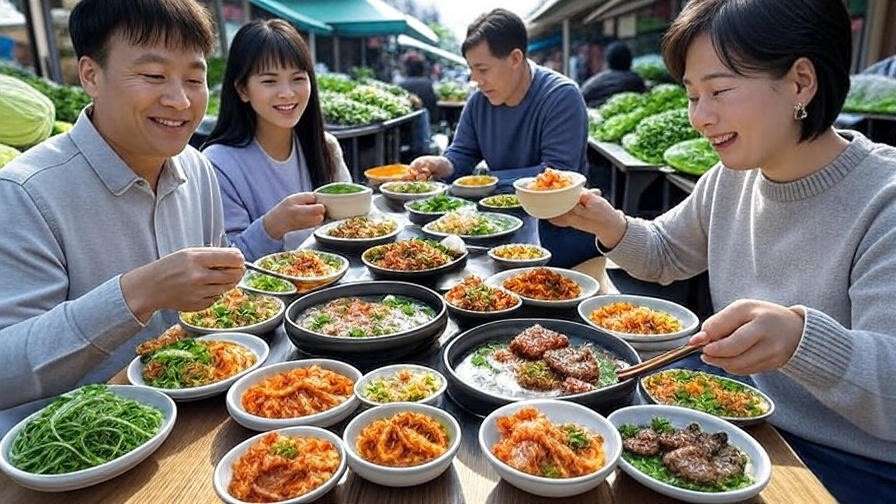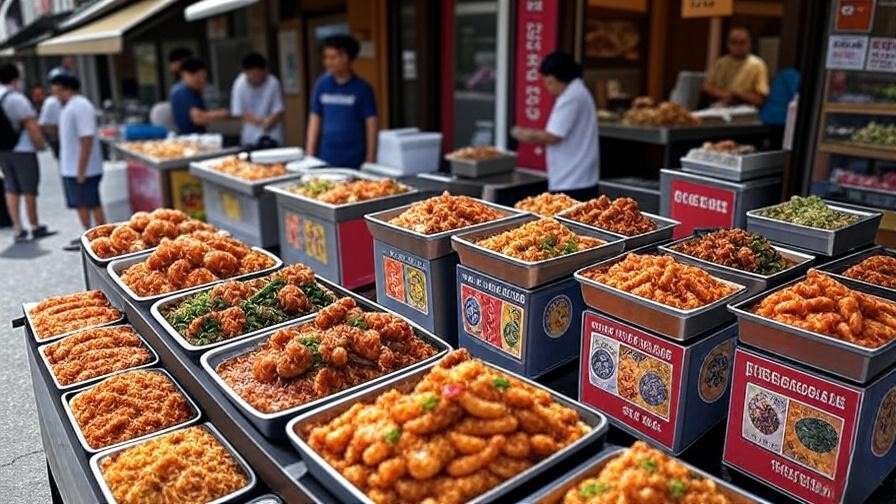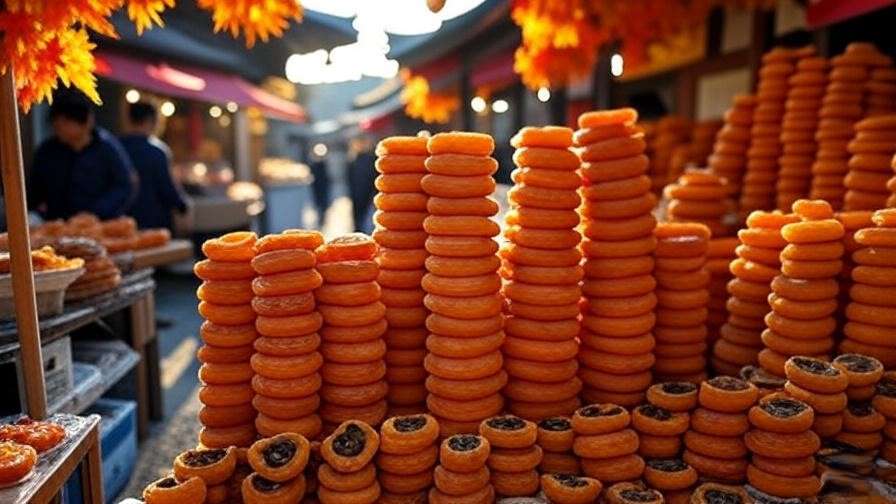

Imagine sinking your teeth into a warm, chewy honey rice cake, its glossy surface glistening with sweet honey and a hint of nutty sesame. The delicate balance of flavors—soft, sticky rice flour melded with natural sweetness—transports you to a bustling Korean market or a cozy scene from your favorite K-drama. Honey rice cakes, known as tteok in Korean, are more than just a dessert; they’re a cultural treasure, steeped in tradition and loved across generations. Whether you’re a K-drama enthusiast craving authentic Korean flavors or a home cook eager to explore Korean culture, this guide will teach you how to make honey rice cakes at home with ease. Drawing on insights from Korean culinary experts and my own experience mastering traditional recipes, this article offers step-by-step recipes, cultural context, and expert tips to satisfy your sweet cravings and bring a piece of Korea to your kitchen.
What Are Honey Rice Cakes? Understanding Tteok in Korean Culture
The Cultural Significance of Tteok
In Korea, tteok is more than a treat—it’s a symbol of celebration, prosperity, and community. These rice cakes are a staple at major cultural events like Chuseok (Korean Thanksgiving), Lunar New Year, and weddings, where they’re shared to honor ancestors or mark joyous occasions. Historically, tteok was crafted with care, often pounded by hand in communal rituals that strengthened family and village bonds. According to Dr. Sook-ja Yoon, a Korean culinary historian, “Tteok embodies the spirit of togetherness, with its preparation and sharing reflecting Korea’s deep-rooted values of harmony.” Today, tteok remains a beloved part of Korean cuisine, bridging tradition with modern tastes.
What Makes Honey Rice Cakes Unique?
Honey rice cakes stand out among tteok varieties for their irresistible combination of chewy texture and sweet, floral honey glaze. Made from glutinous rice flour, they have a soft, elastic bite that pairs perfectly with the subtle sweetness of honey and the nutty crunch of sesame seeds. Unlike other tteok like songpyeon (stuffed rice cakes) or injeolmi (coated with bean powder), honey rice cakes are simpler yet versatile, often enjoyed as a snack or dessert. Regional variations, such as those in Jeju Island, may incorporate local honey or citrus notes, while modern cafes in Seoul serve them as Instagram-worthy treats.
Why Make Honey Rice Cakes at Home?
Satisfying Your K-Drama Cravings
If you’ve ever watched a K-drama like Crash Landing on You or Vincenzo, you’ve likely seen characters sharing tteok in heartwarming moments—perhaps during a family gathering or a romantic scene. These moments spark curiosity about Korean food, making honey rice cakes a perfect way to connect with the culture you love. Recreating these treats at home lets you bring the magic of K-dramas to life, whether you’re hosting a watch party or indulging in a solo treat.
Health and Customization Benefits
Honey rice cakes are naturally gluten-free, thanks to glutinous rice flour, making them a great option for those with dietary restrictions. Using honey as a natural sweetener adds a healthier twist compared to processed sugars, and you can customize the recipe to suit your needs—think vegan sweeteners like agave or low-sugar options. Plus, homemade tteok lets you control the quality of ingredients, ensuring a fresh, wholesome dessert.
Cost and Accessibility
Authentic Korean desserts can be hard to find outside Korea, and store-bought versions are often expensive or lack freshness. Making honey rice cakes at home is budget-friendly, with ingredients like rice flour and honey widely available. Even if you don’t live near a Korean market, online retailers like H-Mart or Amazon make it easy to source what you need, bringing Korea’s flavors to your doorstep.
Essential Ingredients for Authentic Honey Rice Cakes
Core Ingredients
To make authentic honey rice cakes, you’ll need:
- Glutinous Rice Flour (Sweet Rice Flour): The star ingredient, providing the signature chewy texture. Avoid regular rice flour, as it won’t yield the same elasticity.
- Honey: Use high-quality, pure honey for the best flavor. Local or raw honey adds a unique touch.
- Sesame Seeds: Toasted seeds add a nutty crunch and visual appeal.
- Optional Fillings: Red bean paste, crushed walnuts, or almonds for added texture and flavor.
- Water and Salt: Small amounts to balance the dough’s consistency and flavor.
If glutinous rice flour is unavailable, short-grain rice flour can work in a pinch, but the texture may be less chewy. Always check labels to ensure you’re getting the right type.
Tools and Equipment
You don’t need a professional kitchen to make tteok. Essential tools include:
- Steamer: A bamboo or metal steamer works best, but a makeshift steamer (e.g., a pot with a colander) will do.
- Mixing Bowls: For preparing the dough.
- Molds or Cookie Cutters: To shape the rice cakes into rounds or decorative patterns.
- Parchment Paper: To prevent sticking during steaming.
If you don’t have molds, shape the dough by hand or use small bowls for uniform pieces.
Sourcing Ingredients
Find glutinous rice flour and sesame seeds at Korean or Asian markets, or order from trusted online retailers like H-Mart or Weee!. For honey, opt for local brands or check labels for 100% pure honey to avoid artificial additives. Pro tip: Taste your honey before using it—its flavor will define the final dish.
Step-by-Step Recipes for Honey Rice Cakes
Classic Honey Rice Cake Recipe (Tteok with Honey Glaze)
 Prep Time: 20 minutes
Cook Time: 30 minutes
Servings: 8–10 rice cakes
Ingredients:
- 2 cups glutinous rice flour
- ¾ cup warm water
- ½ tsp salt
- ¼ cup honey (plus extra for glazing)
- 2 tbsp toasted sesame seeds
Instructions:
- Prepare the Dough: In a large bowl, combine glutinous rice flour and salt. Gradually add warm water, stirring until a soft, pliable dough forms. Knead for 5 minutes until smooth.
- Shape the Cakes: Divide the dough into 8–10 equal pieces. Roll into balls or flatten into discs, about ½-inch thick.
- Steam the Tteok: Line a steamer with parchment paper. Place the dough pieces in a single layer, ensuring they don’t touch. Steam over medium heat for 20–25 minutes until translucent and chewy.
- Glaze with Honey: Warm the honey slightly to make it pourable. Brush generously over the steamed rice cakes, then sprinkle with toasted sesame seeds.
- Serve: Let cool slightly before serving warm for the best texture.
Tip: If the dough feels too sticky, dust your hands with a little rice flour. For a glossy finish, apply the honey glaze while the cakes are still warm.
Modern Twist: Honey Nut Tteok Bites
Prep Time: 25 minutes
Cook Time: 20 minutes
Servings: 12–15 bites
Ingredients:
- 1 ½ cups glutinous rice flour
- ½ cup warm water
- ¼ tsp salt
- ⅓ cup honey
- ¼ cup finely chopped walnuts or almonds
- 2 tbsp toasted sesame seeds
Instructions:
- Mix the Dough: Follow the same dough preparation as the classic recipe, adding chopped nuts to the flour before mixing in water.
- Shape into Bites: Roll the dough into small, bite-sized balls (about 1 inch in diameter).
- Steam: Steam for 15–20 minutes until cooked through. The smaller size reduces cooking time.
- Coat with Honey: Dip each bite in warm honey, then roll in sesame seeds for a crunchy coating.
- Present: Arrange on a platter for a modern, shareable dessert perfect for K-drama watch parties.
Tip: Experiment with different nuts like pecans or pistachios for unique flavors. Serve in colorful cupcake liners for a fun presentation.
Vegan and Gluten-Free Honey Rice Cake
 Prep Time: 20 minutes
Cook Time: 25 minutes
Servings: 8–10 rice cakes
Ingredients:
- 2 cups glutinous rice flour (certified gluten-free)
- ¾ cup warm water
- ½ tsp salt
- ¼ cup agave syrup or maple syrup (vegan substitute for honey)
- 2 tbsp toasted sesame seeds
Instructions:
- Make the Dough: Combine flour and salt, then slowly add water. Knead until smooth, about 5 minutes.
- Shape: Form into small discs or balls, ensuring uniform size for even cooking.
- Steam: Steam for 20–25 minutes until the cakes are chewy and slightly translucent.
- Glaze: Brush with agave or maple syrup while warm, then sprinkle with sesame seeds.
- Serve: Enjoy warm or at room temperature. Store leftovers in an airtight container.
Troubleshooting: If the dough cracks, add water 1 tsp at a time. If too wet, incorporate more flour sparingly.
Expert Tips for Perfect Honey Rice Cakes
Mastering the Dough
Achieving the perfect tteok texture starts with the dough. The key is to balance moisture and elasticity. Knead the dough until it’s smooth and slightly tacky but not sticky—think of soft playdough. Over-kneading can make it tough, so stop once it holds together well. If the dough feels too wet, sprinkle in a tablespoon of glutinous rice flour; if too dry, add water a teaspoon at a time. According to Chef Ji-hye Kim, a renowned Korean culinary expert, “The dough should feel alive in your hands—responsive but not clingy.” Practice makes perfect, so don’t be discouraged if your first batch isn’t flawless.
Steaming Like a Pro
Steaming is critical for that signature chewy texture. Use a steady medium heat to avoid overcooking, which can make tteok gummy, or undercooking, which leaves it dense. Line your steamer with parchment paper or a clean cheesecloth to prevent sticking, and leave space between each piece to allow steam circulation. Check the water level in your steamer to avoid running dry, and steam for 20–25 minutes for standard-sized cakes, or 15–20 minutes for smaller bites. Test doneness by pressing gently; the cake should spring back slightly.
Enhancing Flavors
Elevate your honey rice cakes with creative twists. Add a pinch of cinnamon or ginger powder to the dough for warmth, or infuse the honey glaze with a hint of citrus zest for brightness. For a modern flair, drizzle with a touch of matcha syrup or sprinkle with crushed edible flowers for a visually stunning effect. Pair your tteok with Korean teas like omija (five-flavor berry tea) or sujeonggwa (cinnamon-persimmon punch) to complement the sweetness. Experiment, but keep the balance of flavors subtle to honor the traditional taste.
Cultural Context: Honey Rice Cakes in Korean Dramas and Festivals
Tteok in K-Dramas
Honey rice cakes and other tteok varieties often steal the spotlight in K-dramas, symbolizing warmth and connection. In Crash Landing on You, characters share tteok during heartfelt family moments, reflecting its role as a comfort food. Similarly, in Vincenzo, a street vendor’s rice cakes evoke nostalgia and community. These scenes resonate with viewers, sparking a desire to recreate the dishes at home. By making honey rice cakes, you’re not just cooking—you’re stepping into the emotional world of Korean storytelling, where food fosters bonds.
Tteok in Korean Festivals
 In Korean culture, tteok is a must-have for major celebrations. During Chuseok, families prepare songpyeon, a type of tteok similar to honey rice cakes, to honor ancestors and pray for a bountiful harvest. For Lunar New Year, white tteok symbolizes purity and new beginnings. Honey rice cakes, with their sweet glaze, are often shared at weddings or birthdays, representing joy and prosperity. “Tteok is a bridge between generations,” says Min-jung Lee, a Seoul-based cultural researcher. “Its presence at festivals keeps traditions alive.”
Modern Popularity
The global rise of Korean culture has put tteok in the spotlight. Social media platforms like Instagram and TikTok are filled with vibrant photos of honey rice cakes, often styled with modern garnishes like edible gold or colorful syrups. Korean cafes in cities like Seoul and Los Angeles serve tteok as trendy desserts, appealing to younger audiences. This fusion of tradition and modernity makes honey rice cakes a perfect entry point for exploring Korean cuisine, whether you’re a K-drama fan or a culinary adventurer.
Common Mistakes and How to Avoid Them
Dough Texture Issues
A common pitfall is dough that’s too sticky or crumbly. To avoid stickiness, ensure you’re using the correct water-to-flour ratio (roughly 1:2.5 for glutinous rice flour). If the dough sticks to your hands, lightly dust them with rice flour, but don’t overdo it, as excess flour can make the tteok dry. For crumbly dough, add water gradually, kneading until it comes together. Always use warm water (not hot) to activate the rice flour’s elasticity without cooking it prematurely.
Flavor Imbalances
Honey rice cakes should be subtly sweet, not overpowering. Use high-quality honey or vegan sweeteners, and taste the glaze before applying to ensure it’s not too cloying. If adding fillings like red bean paste, balance their richness with a lighter glaze. Toasted sesame seeds add a nutty depth, but don’t skip toasting—they’ll taste bland otherwise. If the flavor feels flat, a pinch of salt in the dough can enhance the overall taste without making it salty.
Storage and Shelf Life
Fresh tteok is best enjoyed within a day, but proper storage extends its life. Store in an airtight container at room temperature for up to 24 hours, or refrigerate for up to 3 days. To prevent drying out, wrap each piece tightly in plastic wrap before storing. For longer storage, freeze tteok in a single layer, then transfer to a freezer bag for up to 1 month. Reheat by steaming for 5–7 minutes to restore the chewy texture—microwaving can make them tough.
Serving and Pairing Ideas
Traditional Serving Styles
In Korea, honey rice cakes are often presented simply, stacked on a plate or arranged in decorative patterns for ceremonial occasions. Serve them warm to highlight their soft, chewy texture, alongside a pot of boricha (barley tea) or sujeonggwa for a refreshing contrast. For special events, garnish with edible flowers or a sprinkle of crushed nuts to honor tradition while adding elegance.
Modern Dessert Pairings
 For a contemporary twist, incorporate honey rice cakes into fusion desserts. Try layering bite-sized tteok in a parfait with whipped cream and fresh fruit, or use them as a topping for vanilla ice cream. Drizzle with chocolate or caramel for a decadent treat that still nods to Korean flavors. For a visually appealing presentation, serve on sleek black plates or in glass dessert cups, perfect for Instagram or Pinterest.
Hosting a Korean Dessert Night
Host a K-drama-inspired dessert night with honey rice cakes as the star. Create a menu featuring complementary Korean sweets like hotteok (sweet pancakes) or bingsu (shaved ice dessert). Set the mood with a K-drama playlist and dim lighting, encouraging guests to share their favorite drama moments. Serve tteok on a communal platter with dipping sauces like honey-matcha or sesame-soy for an interactive experience. Include a small card explaining tteok’s cultural significance to spark conversation.
FAQs About Honey Rice Cakes
Can I make honey rice cakes without a steamer?
Yes! If you don’t have a steamer, create a makeshift one by placing a heat-safe colander or metal rack in a large pot with a lid. Add water below the rack, bring to a simmer, and steam as directed. Ensure the water doesn’t touch the tteok.
What’s the difference between glutinous rice flour and regular rice flour?
Glutinous rice flour, also called sweet rice flour, is made from sticky rice and gives tteok its chewy texture. Regular rice flour is less sticky and results in a crumbly texture, unsuitable for traditional tteok.
How long do honey rice cakes last?
Fresh tteok stays soft for about 24 hours at room temperature. Refrigerate for up to 3 days or freeze for up to 1 month. Reheat by steaming to restore texture.
Can I freeze tteok for later?
Absolutely. Freeze in a single layer on a tray, then transfer to a freezer bag. Steam for 5–7 minutes to reheat, avoiding the microwave for best results.
Mastering honey rice cakes is a delicious way to dive into Korean culture, whether you’re inspired by K-dramas, curious about traditional recipes, or simply craving a sweet, chewy treat. With authentic recipes, expert tips, and cultural insights, this guide equips you to create tteok that’s as delightful as those found in Seoul’s markets or your favorite drama scenes. Embrace the joy of cooking, share your creations with friends, and tag us on Instagram with your honey rice cake masterpieces. Ready to bring Korea to your kitchen? Grab your ingredients and start steaming!