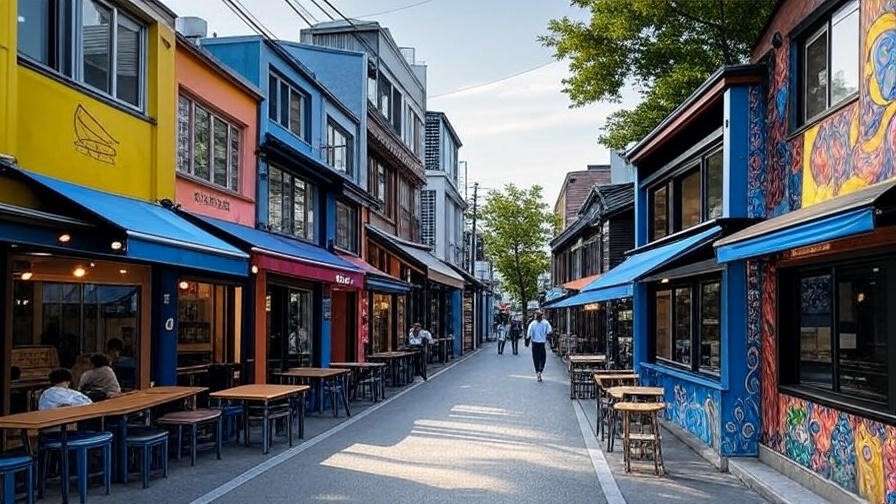

Imagine stepping into the vibrant streets of Seoul’s Gangnam district, where K-pop beats pulse through the air and K-drama billboards showcase flawless faces with captivating, expressive eyes. At the heart of this beauty-obsessed culture lies double eyelid surgery in Korea, a procedure that has become a global phenomenon, drawing thousands to the country’s world-class clinics. But why is this cosmetic surgery so deeply woven into Korea’s cultural fabric? From its roots in post-war beauty ideals to its prominence in K-dramas, double eyelid surgery is more than a procedure—it’s a window into Korea’s societal values, media influence, and pursuit of aesthetic perfection. This article explores the cultural significance, practical details, and global appeal of double eyelid surgery, offering insights for those curious about Korean culture or considering the procedure themselves. Backed by expert consultations and cultural research, we’ll unravel why this surgery is a must-understand aspect of modern Korea.
What Is Double Eyelid Surgery?
 Defining the Procedure
Double eyelid surgery, also known as Asian blepharoplasty, is a cosmetic procedure that creates a defined crease in the upper eyelid, resulting in a “double eyelid” appearance. This feature, naturally present in some but not all individuals of East Asian descent, is prized for making eyes appear larger, brighter, and more expressive. In Korea, where aesthetic ideals emphasize symmetry and youthful features, this procedure has become one of the most sought-after cosmetic surgeries.
The practice began gaining traction in Korea during the 1950s, influenced by Western beauty standards introduced post-Korean War. Today, it’s a cornerstone of Korea’s booming cosmetic surgery industry, with clinics in Seoul and Busan attracting both locals and international patients. According to the Korean Society of Plastic and Reconstructive Surgeons, over 100,000 double eyelid surgeries are performed annually in Korea, reflecting its widespread acceptance.
Types of Double Eyelid Surgery
There are two primary methods for double eyelid surgery, each catering to different needs and preferences:
- Non-Incisional (Suture) Method: This minimally invasive technique uses sutures to create a crease without cutting the skin. It’s ideal for those seeking a reversible option with shorter recovery times (typically 1–2 weeks). The procedure takes about 30–45 minutes and is less costly, averaging $1,000–$2,000 USD.
- Incisional Method: This involves making small incisions to remove excess tissue and create a permanent crease. It allows for greater customization, especially for patients with thicker eyelid skin or excess fat. Recovery takes 2–4 weeks, with costs ranging from $2,000–$3,500 USD.
Both methods are performed under local anesthesia, ensuring minimal discomfort. Dr. Min-soo Park, a board-certified plastic surgeon at Banobagi Plastic Surgery in Seoul, notes, “Advancements in techniques have made both methods safer and more precise, with results tailored to each patient’s unique eye shape.”
The Cultural Significance of Double Eyelid Surgery in Korea
Beauty Standards in Korean Culture
In Korea, beauty is more than skin deep—it’s a cultural currency that reflects discipline, status, and self-care. Large, expressive eyes with a defined crease are considered a hallmark of attractiveness, often associated with youth and approachability. This ideal is deeply rooted in Confucian values, which emphasize harmony and balance in appearance, and amplified by modern media like K-dramas and K-pop.
Shows like My ID is Gangnam Beauty and stars like IU or Park Min-young showcase these idealized features, subtly reinforcing the desirability of the double eyelid. As Dr. Hye-jin Kim, a cultural anthropologist at Yonsei University, explains, “In Korea, beauty is a form of social capital. Double eyelid surgery is often seen as a way to align with societal expectations while expressing individuality.”
Historical Context
The rise of double eyelid surgery in Korea can be traced to the post-Korean War era, when Western influences, particularly Hollywood’s idealized features, began shaping local beauty standards. Surgeons adapted techniques to suit Asian eyelid anatomy, creating a procedure that balanced cultural authenticity with global appeal. Over decades, Korea’s beauty industry evolved, blending traditional aesthetics—once defined by natural features in Hanbok portraits—with modern, globalized ideals.
By the 1980s, as Korea’s economy boomed, cosmetic surgery became more accessible, and double eyelid surgery emerged as a cultural norm. Today, it’s not uncommon for young adults to receive the procedure as a high school graduation gift, reflecting its integration into societal milestones.
Social Perceptions
Unlike in some cultures where cosmetic surgery carries stigma, in Korea, it’s widely accepted and even celebrated. A 2023 survey by the Korean Ministry of Health found that 60% of Koreans aged 20–30 view cosmetic procedures as a form of self-improvement, akin to education or fitness. However, debates persist about whether the procedure erases cultural identity or conforms to Western standards—a topic we’ll explore later.
For many, double eyelid surgery is a personal choice, not a mandate. As one Seoul resident shared, “I got the surgery to feel more confident, not to look ‘less Korean.’ It’s about enhancing what I already have.”
Example
In the K-drama True Beauty, the protagonist’s journey with beauty standards mirrors real-life discussions about cosmetic surgery in Korea, highlighting its role as both a personal and cultural choice.
Why Is Double Eyelid Surgery So Popular in Korea?
 Influence of K-Pop and K-Drama
The global “Hallyu” wave, driven by K-pop groups like BTS and Blackpink and K-dramas like Crash Landing on You, has elevated Korea’s beauty standards to an international stage. Fans worldwide emulate the polished looks of idols, where large, defined eyes are a focal point. Social media platforms like Instagram and TikTok amplify this, with tutorials on achieving the “K-pop look” often referencing double eyelid surgery.
This media influence creates a feedback loop: K-pop and K-dramas popularize the double eyelid aesthetic, driving demand for the procedure, which in turn shapes media portrayals. A 2024 report by the Korea Tourism Organization noted that 20% of medical tourists cited K-pop or K-drama as their inspiration for seeking cosmetic surgery in Korea.
Accessibility and Affordability
Korea’s cosmetic surgery industry is renowned for its affordability and accessibility. Unlike in the US, where similar procedures can cost $5,000–$10,000, double eyelid surgery in Korea is significantly cheaper without compromising quality. Seoul’s Gangnam district alone boasts over 500 clinics, many accredited by the Joint Commission International (JCI) for their high standards.
The competitive market keeps prices reasonable while fostering innovation. Clinics offer package deals for international patients, including consultations, surgery, and aftercare, making Korea a cost-effective destination.
Technological Advancements
Korea’s cosmetic surgeons are pioneers in minimally invasive techniques, using advanced tools like laser-guided incisions and 3D imaging for precise results. The non-incisional method, for instance, has evolved to minimize scarring and downtime, appealing to busy professionals and students. Safety is paramount, with complication rates below 1% in reputable clinics, according to a 2023 study in the Journal of Korean Medical Science.
Tip: Choosing a Reputable Clinic
- Verify the surgeon’s board certification with the Korean Society of Plastic and Reconstructive Surgeons.
- Check for JCI accreditation.
- Read patient reviews on trusted platforms like WhatClinic or RealSelf.
- Ensure the clinic offers English-speaking staff for international patients.
The Procedure: What to Expect
Pre-Surgery Preparation
Before undergoing double eyelid surgery in Korea, patients attend a detailed consultation. Surgeons assess eye shape, skin thickness, and patient goals to recommend the best method. Medical history is reviewed to ensure safety, and 3D imaging may be used to simulate results. Patients are advised to avoid smoking, alcohol, and certain medications (e.g., aspirin) for two weeks prior to minimize risks.
Choosing a qualified surgeon is critical. Dr. Ji-hoon Lee, a leading surgeon at ID Hospital in Seoul, emphasizes, “A good consultation ensures the result enhances your natural features, not changes your identity.”
During the Surgery
Both non-incisional and incisional methods are outpatient procedures, typically lasting 30–90 minutes. Local anesthesia with sedation ensures comfort. For the non-incisional method, sutures are strategically placed to create the crease, while the incisional method involves removing small amounts of skin or fat for a permanent result. Surgeons use fine tools to minimize scarring, and patients are usually discharged the same day.
Recovery and Aftercare
Recovery varies by method:
- Non-Incisional: Swelling subsides in 5–10 days, with full results visible in 1–2 months. Patients can resume light activities within a week.
- Incisional: Swelling lasts 10–14 days, with full recovery in 3–6 months. Stitches are removed after 5–7 days.
Aftercare Tips:
- Apply cold compresses to reduce swelling.
- Avoid rubbing eyes or wearing contact lenses for two weeks.
- Use prescribed antibiotic ointments to prevent infection.
- Attend follow-up appointments to monitor healing.
Dr. Lee advises, “Patience is key. Following aftercare instructions ensures the crease settles naturally.”
The Global Appeal: Why People Travel to Korea for Double Eyelid Surgery
Medical Tourism in Korea
South Korea has cemented its status as a global hub for medical tourism, particularly for cosmetic procedures like double eyelid surgery. Seoul’s Gangnam district, often dubbed the “beauty belt,” is home to hundreds of state-of-the-art clinics catering to international patients. According to the Korea Tourism Organization, over 500,000 medical tourists visited Korea in 2024, with cosmetic surgery being the top draw. Double eyelid surgery, given its affordability and high success rate, is a leading procedure for visitors from China, Japan, the US, and Southeast Asia.
The appeal lies in Korea’s blend of medical expertise and cultural immersion. Patients can undergo surgery while exploring vibrant markets, K-drama filming locations, and hanok villages, making the trip a unique blend of self-care and adventure.
Benefits of Choosing Korea
Opting for double eyelid surgery in Korea offers several advantages:
- Unparalleled Expertise: Korean surgeons perform thousands of blepharoplasties annually, honing specialized skills in Asian eyelid anatomy. Many are trained in both aesthetic and reconstructive surgery, ensuring natural-looking results.
- Cutting-Edge Facilities: Clinics like Banobagi, ID Hospital, and JK Plastic Surgery are equipped with advanced technology, such as 3D imaging and laser tools, enhancing precision and safety.
- Cost-Effectiveness: Prices in Korea ($1,000–$3,500 USD) are significantly lower than in Western countries ($5,000–$10,000 USD), without sacrificing quality.
- Holistic Experience: Many clinics offer all-inclusive packages, covering consultations, surgery, aftercare, and translation services, streamlining the process for international patients.
A 2024 study in the International Journal of Medical Tourism found that 95% of patients reported high satisfaction with their cosmetic surgery experience in Korea, citing professionalism and personalized care.
Practical Tips for Medical Tourists
For those considering double eyelid surgery in Korea, preparation is key:
- Visa Requirements: Most nationalities can enter Korea visa-free for 30–90 days. Check the Korean Ministry of Foreign Affairs for specifics.
- Clinic Selection: Research clinics with JCI accreditation and board-certified surgeons. Websites like WhatClinic and RealSelf offer verified patient reviews.
- Language Support: Many top clinics provide English, Chinese, or Japanese-speaking staff. Request a translator if needed.
- Recovery Timeline: Plan a 7–14 day stay to allow for surgery, recovery, and follow-up visits. Avoid strenuous activities during this period.
- Cultural Exploration: Combine your trip with cultural experiences, such as visiting Gyeongbokgung Palace or attending a K-pop concert, to maximize your visit.
Tip: Book consultations with multiple clinics to compare approaches and ensure a comfortable fit with your surgeon.
Addressing Common Concerns and Misconceptions
 Is Double Eyelid Surgery Safe?
Double eyelid surgery in Korea is considered highly safe when performed by qualified professionals. Reputable clinics adhere to strict safety protocols, with complication rates below 1%, according to a 2023 study in the Journal of Korean Medical Science. Potential risks, such as infection, asymmetry, or scarring, are minimized through advanced techniques and rigorous post-operative care. To ensure safety:
- Choose a surgeon certified by the Korean Society of Plastic and Reconstructive Surgeons.
- Verify the clinic’s accreditation and hygiene standards.
- Follow all pre- and post-surgery instructions diligently.
Dr. Soo-jin Kim, a surgeon at JK Plastic Surgery, emphasizes, “Safety comes from expertise and communication. Patients should feel confident asking questions during consultations.”
Does It Erase Cultural Identity?
A common critique of double eyelid surgery is that it promotes Westernized beauty standards, potentially eroding cultural identity. However, many Koreans view the procedure as a personal enhancement rather than an attempt to “look less Asian.” The surgery is tailored to enhance natural features, not mimic another ethnicity. For example, surgeons prioritize creating a crease that complements the patient’s facial structure, often inspired by Korean celebrities rather than Western models.
Cultural anthropologist Dr. Hye-jin Kim notes, “The decision to undergo double eyelid surgery is often about self-expression within Korea’s cultural context, not assimilation. It’s a choice rooted in agency, not conformity.”
Cost and Value
The cost of double eyelid surgery in Korea varies by method and clinic:
- Non-Incisional: $1,000–$2,000 USD, ideal for those seeking affordability and minimal downtime.
- Incisional: $2,000–$3,500 USD, offering permanent results and greater customization.
These prices typically include consultations, anesthesia, and follow-up care. Compared to non-surgical alternatives like eyelid tape or makeup (which require daily application and cost $100–$300 annually), surgery offers long-term value. Clinics often provide financing options or package deals for international patients, enhancing accessibility.
How Double Eyelid Surgery Ties to Korean Culture and Drama
 Representation in K-Dramas
K-dramas often reflect Korea’s beauty culture, subtly or overtly addressing cosmetic surgery. In My ID is Gangnam Beauty, the protagonist undergoes plastic surgery, including double eyelid surgery, to boost her confidence, sparking discussions about societal pressures and self-image. Such narratives normalize the procedure while exploring its emotional and social implications. Other dramas, like True Beauty, highlight the pursuit of idealized features, with characters using makeup or surgery to achieve the “double eyelid look.”
These portrayals resonate with audiences, making double eyelid surgery a relatable topic. They also educate viewers about the procedure’s accessibility and cultural context, bridging fiction and reality.
Celebrity Influence
K-pop idols and actors play a pivotal role in popularizing double eyelid surgery. Stars like IU, Park Min-young, and members of BTS and Blackpink often share their beauty journeys, reducing stigma around cosmetic enhancements. For instance, when idols openly discuss procedures, it fosters a culture of transparency, encouraging fans to view surgery as a valid choice rather than a taboo.
A 2024 survey by Hankook Research found that 70% of Korean teens cited celebrities as their inspiration for considering cosmetic procedures. This influence extends globally, with international fans seeking the “K-pop aesthetic” through surgery in Korea.
Cultural Sensitivity
Understanding double eyelid surgery requires respecting its cultural context. In Korea, the procedure is less about “Westernization” and more about aligning with local ideals of beauty, which value symmetry and expressiveness. Foreign visitors and fans should approach the topic with nuance, recognizing it as a personal choice rooted in Korea’s unique social and historical landscape.
Tip: When discussing Korean beauty standards, avoid generalizations. Engage with the topic through a lens of cultural appreciation, perhaps by watching K-dramas or reading about Korea’s history to deepen your understanding.
FAQs About Double Eyelid Surgery in Korea
Q1: How much does double eyelid surgery cost in Korea?
A: Costs range from $1,000–$2,000 for non-incisional and $2,000–$3,500 for incisional methods, including consultations and aftercare. Prices vary by clinic and surgeon expertise.
Q2: How long is the recovery period?
A: Non-incisional recovery takes 5–10 days for swelling to subside, with full results in 1–2 months. Incisional recovery takes 10–14 days, with full results in 3–6 months.
Q3: Can non-Koreans get the procedure in Korea?
A: Yes, Korea’s clinics are well-equipped for international patients, offering translation services and tailored care. JCI-accredited clinics ensure global standards.
Q4: What’s the difference between incisional and non-incisional methods?
A: Non-incisional uses sutures for a reversible crease with minimal downtime. Incisional involves cutting for a permanent, customizable result but requires longer recovery.
Q5: How do I choose a reliable clinic in Korea?
A: Look for JCI accreditation, board-certified surgeons, and positive patient reviews. Consult multiple clinics to compare approaches and ensure comfort.
Double eyelid surgery in Korea is more than a cosmetic procedure—it’s a cultural phenomenon that reflects the nation’s beauty ideals, media influence, and medical prowess. From its roots in post-war aesthetics to its prominence in K-dramas and K-pop, the surgery offers a lens into Korea’s societal values and global impact. Whether you’re a K-drama fan curious about the culture or someone considering the procedure, understanding its significance enriches your perspective. Explore Korea’s beauty landscape through its vibrant media, research reputable clinics, or share your thoughts below. As Korea continues to shape global beauty trends, double eyelid surgery remains a testament to its cultural and aesthetic innovation.