
Picture a vibrant Korean doljanchi, where a beaming child in a colorful hanbok toddles toward a table adorned with symbolic treasures. Among them, glistening doljabi fruits like jujubes and persimmons sparkle under festive lights, each carrying a wish for the child’s future. This is the doljabi ceremony, a cherished moment in Korean first birthday celebrations that captivates families and, increasingly, global audiences enchanted by Korean culture through K-dramas and cultural exports. But what do these doljabi fruits signify, and why are they so central to this tradition? In this comprehensive guide, we’ll unravel the history, symbolism, and modern practices of doljabi fruits, offering insights for anyone eager to understand or host a doljanchi. Drawing from consultations with Korean cultural historians and personal observations of these joyful events, this article will equip you with everything you need to appreciate this beautiful tradition.
What Is a Doljanchi? Understanding Korean First Birthday Celebrations
 Historical Context of the Doljanchi
The doljanchi, Korea’s elaborate first birthday celebration, is a tradition steeped in history and hope. Centuries ago, when infant mortality rates were high, surviving the first year was a milestone worth celebrating. Families gathered to give thanks, pray for the child’s longevity, and mark their entry into the community. According to Dr. Min-ji Kim, a cultural historian specializing in Korean traditions, “The doljanchi was not just a party but a communal act of gratitude, rooted in Confucian values of family and continuity.” Today, this celebration remains a cornerstone of Korean culture, blending ancient rituals with modern flair.
Key Elements of a Doljanchi
A doljanchi is a feast for the senses, featuring a meticulously arranged dol table laden with rice cakes, fruits, and symbolic items. The child, dressed in a vibrant hanbok, becomes the star of the event, with the doljabi ceremony as the highlight. Guests, often numbering in the dozens, bring gifts and blessings, creating a joyful atmosphere. Modern doljanchi celebrations, influenced by K-dramas like Crash Landing on You, often incorporate sleek venues and professional photography, yet the core elements—food, attire, and doljabi—remain deeply traditional. This fusion of old and new makes the doljanchi a fascinating study in cultural evolution.
Expert Insight
Dr. Kim notes, “Even in urban Seoul, families prioritize doljanchi as a way to honor heritage and strengthen family bonds. It’s a moment where past and present converge.” This enduring relevance underscores why the doljanchi captivates both Koreans and global fans of Korean culture.
The Doljabi Ceremony: A Window into the Child’s Future
 What Is Doljabi?
At the heart of every doljanchi lies the doljabi, a playful yet profound ritual where the child selects an item from a table of symbolic objects, believed to predict their future. The table might hold a spool of thread (longevity), a book (scholarship), money (wealth), or, crucially, doljabi fruits. Each item carries a specific meaning, and the child’s choice sparks laughter, gasps, and speculation among guests. The doljabi is less about literal prophecy and more about celebrating the child’s potential, wrapped in cultural symbolism.
The Role of Symbolism in Doljabi
In Korean culture, symbolism infuses every aspect of the doljabi. Each item is carefully chosen to reflect values like prosperity, health, or wisdom. Fruits, in particular, hold a special place due to their ties to abundance and nature. As families watch the child reach for an item, they’re not just hoping for a glimpse of the future but participating in a ritual that connects them to centuries of tradition. “The doljabi is a moment of collective hope,” says Hye-soo Park, a Seoul-based event planner with over a decade of doljanchi experience. “It’s about dreaming big for the child.”
Example: A Memorable Doljabi Moment
At a recent doljanchi I attended in Busan, the child hesitated before grabbing a shiny red apple from the dol table. The room erupted in cheers, as the apple symbolized peace and harmony. The parents, beaming with pride, later shared that they hoped this choice reflected a calm and balanced life for their daughter. Such moments highlight the emotional weight of the doljabi and its fruits.
Doljabi Fruit: Symbolism and Significance
 Common Fruits Used in Doljabi
Doljabi fruits are chosen for their beauty and deep cultural meanings. Here are some of the most common, along with their symbolism:
- Jujube: Often called the “red date,” jujubes symbolize fertility and prosperity, reflecting hopes for a fruitful life and large family.
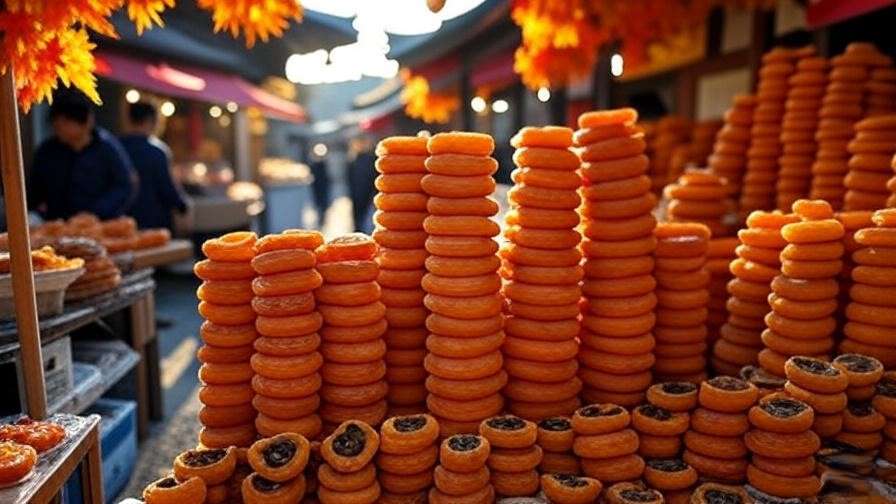
- Persimmon: Known for its vibrant orange hue, the persimmon represents health and resilience, a wish for the child to thrive through challenges.
- Apple: A universal symbol of peace and harmony, apples are favored for their accessibility and positive connotations.
- Tangerine: Bright and tangy, tangerines signify wealth and good fortune, a nod to financial success.
Regional variations exist—some families in Jeju might include hallabong (a local citrus), while others in Gyeongsang province opt for grapes to symbolize abundance. These choices reflect Korea’s diverse agricultural heritage.
Why Fruits in Doljabi?
Fruits have long been revered in Korean culture for their association with abundance, health, and nature. In agrarian societies, a bountiful harvest was a sign of divine favor, and fruits on the dol table embody this legacy. They also add visual vibrancy, making the doljabi table a feast for the eyes. “Fruits are a universal language of celebration,” says Park. “They’re colorful, accessible, and carry meanings that resonate across generations.” This connection to nature and prosperity makes doljabi fruits a natural fit for the ceremony.
Expert Tip
When selecting doljabi fruits, Park advises, “Choose fruits that are fresh, vibrant, and free of blemishes. They should look inviting to the child and guests alike. If possible, source organic or locally grown fruits to honor the tradition’s roots in nature.”
How Doljabi Fruits Are Chosen and Presented
Selecting the Right Fruits
Choosing the perfect doljabi fruits requires thoughtfulness. Seasonal availability often dictates options—jujubes and persimmons peak in fall, while tangerines are abundant in winter. Families should prioritize fruits that are ripe and visually appealing, as the doljabi table is as much about aesthetics as symbolism. In some regions, families consult elders to ensure the fruits align with family traditions. For example, a family in Daegu might favor persimmons for their local significance, while Seoulites might opt for apples due to their universal appeal.
Presentation and Aesthetics
The doljabi table is a work of art, with fruits arranged alongside rice cakes, thread, and other items in a harmonious display. Traditionally, fruits are placed in decorative bowls or stacked in pyramids for visual impact. Modern doljanchi, influenced by K-drama aesthetics, might feature minimalist setups with sleek trays or floral accents. “The table should tell a story,” says Park. “Each fruit’s placement should draw the child’s eye and create a memorable moment.” High-quality photos of the dol table, often shared on social media, have become a hallmark of contemporary doljanchi.
Visual Aid Suggestion
To enhance reader engagement, include images of a doljabi table showcasing fruits like jujubes, apples, and tangerines in vibrant arrangements. A diagram illustrating a traditional dol table layout could also help readers visualize the setup.
Modern Twists on Doljabi Fruit Traditions
 Influence of K-Dramas and Pop Culture
K-dramas have catapulted Korean culture onto the global stage, and doljanchi scenes in shows like Vincenzo or Reply 1988 have sparked curiosity about the tradition. These portrayals often emphasize the doljabi, showcasing fruits alongside modern items like smartphones (symbolizing innovation) or microphones (for fame). This blend of tradition and modernity resonates with younger generations, making doljanchi a cultural touchstone even for non-Koreans. Social media platforms like Instagram further amplify these aesthetics, with doljabi tables becoming shareable works of art.
Global Adaptations
In Korean diaspora communities, doljabi fruits adapt to local contexts. In the U.S., families might include strawberries or oranges alongside jujubes, reflecting local availability. A Korean-American mother, Ji-won Lee, shared, “For my son’s doljanchi in Los Angeles, we used apples and grapes but kept jujubes for tradition. It felt like a bridge between our heritage and our new home.” Such adaptations highlight the flexibility of doljabi, allowing families to honor their roots while embracing local flavors.
Expert Insight
Lee adds, “Blending cultures in a doljanchi is about balance. The fruits keep the tradition authentic, but adding local elements makes it personal.” This perspective underscores the global appeal of doljabi fruits and their role in cultural storytelling.
How to Plan a Doljanchi with Meaningful Doljabi Fruits
 Step-by-Step Guide to Hosting a Doljanchi
Planning a doljanchi is a labor of love that requires careful attention to tradition and guest experience. Here’s a step-by-step guide to ensure your celebration honors the role of doljabi fruits:
- Choose a Venue: Select a space that accommodates family and guests, whether it’s a home, community center, or banquet hall. Modern doljanchi often take place in dedicated venues with professional decor services, especially in urban areas like Seoul.
- Prepare the Dol Table: Create a visually stunning table with doljabi fruits as the centerpiece. Include traditional items like rice cakes (songpyeon), thread, and a book, alongside fruits like jujubes, persimmons, and apples. Ensure the table is low enough for the child to reach.
- Select the Fruits: Choose fresh, vibrant fruits that align with cultural symbolism and seasonal availability. Consult family elders for regional preferences or personal significance.
- Dress the Child in Hanbok: Outfit the child in a colorful hanbok, a traditional Korean garment that adds authenticity and charm to the event. Many families rent hanboks or purchase custom designs.
- Involve Guests in the Doljabi: Encourage guests to cheer during the doljabi ceremony, creating a festive atmosphere. Provide a brief explanation of each item’s symbolism to engage non-Korean attendees.
- Capture the Moment: Hire a photographer or designate a family member to document the doljabi, focusing on the child’s interaction with the fruits and other items.
Hye-soo Park, the Seoul-based event planner, emphasizes, “The doljanchi is about community. Make sure guests feel included, whether through storytelling or participation in the doljabi.” This approach ensures the event is memorable for everyone.
Budget-Friendly Tips
Hosting a doljanchi doesn’t have to break the bank. Here are some cost-effective strategies for incorporating doljabi fruits:
- Source Local Fruits: Opt for seasonal, locally grown fruits like apples or tangerines, which are often more affordable than imported jujubes or persimmons.
- DIY Decor: Create your own dol table decorations using colorful fabrics, ribbons, or paper flowers. Thrift stores or online marketplaces can offer budget-friendly props.
- Simplify the Menu: Focus on traditional dishes like rice cakes and fruit platters, which are both authentic and cost-effective compared to elaborate catering.
- Borrow or Rent: Rent a hanbok instead of buying one, and borrow decorative items like bowls or trays from family members.
By prioritizing doljabi fruits and core traditional elements, you can create a meaningful celebration without overspending. A downloadable doljanchi planning checklist, including fruit selection tips, can streamline the process for readers.
Checklist: Doljanchi Planning Essentials
- Venue booked or reserved
- Dol table items (fruits, thread, book, etc.) sourced
- Hanbok selected for the child
- Guest list finalized and invitations sent
- Photographer or camera arranged
- Doljabi fruit meanings prepared for guests
- Menu planned with traditional elements
Common Misconceptions About Doljabi and Fruits
Myth vs. Reality
The doljabi ceremony is steeped in charm, but misconceptions abound. One common myth is that the child’s doljabi choice is a definitive predictor of their future. In reality, the doljabi is a playful tradition meant to inspire hope and celebration, not a rigid prophecy. Dr. Min-ji Kim explains, “The doljabi reflects cultural values and family aspirations, not a literal roadmap for the child’s life.” Understanding this nuance helps families approach the ceremony with joy rather than pressure.
Another misconception is that doljanchi celebrations are exclusively for wealthy families. While some modern doljanchi are lavish, many families host simple, heartfelt events at home, focusing on meaningful elements like doljabi fruits. This accessibility ensures the tradition remains inclusive across socioeconomic lines.
Fruits and Superstitions
Certain fruits carry superstitions in Korean culture, which can influence doljabi choices. For instance, some families avoid pears due to their association with separation (as the Korean word for pear, bae, sounds similar to the word for parting). Instead, they opt for universally positive fruits like apples or tangerines. “It’s about intention,” says Park. “Choose fruits that feel auspicious and align with your family’s values.” By addressing these nuances, families can avoid cultural missteps and create a harmonious doljanchi.
FAQs About Doljabi Fruit and Korean First Birthdays
What Are the Most Common Doljabi Fruits and Their Meanings?
Jujubes (fertility and prosperity), persimmons (health and resilience), apples (peace and harmony), and tangerines (wealth and good fortune) are the most popular doljabi fruits. Each carries a cultural wish for the child’s future, rooted in Korean traditions of abundance and well-being.
Can Non-Korean Families Incorporate Doljabi Fruits into Their Celebrations?
Absolutely! Non-Korean families can adopt doljabi fruits by researching their symbolism and integrating them into birthday celebrations. For example, a family in the U.S. might use local apples alongside jujubes ordered online, creating a culturally respectful yet personalized event.
How Has the Doljabi Tradition Evolved in Modern Korea?
Modern doljanchi often feature contemporary items like smartphones or toy stethoscopes, reflecting new career aspirations. However, doljabi fruits remain a constant, tying the ceremony to its agricultural roots. K-dramas and social media have also popularized elaborate decor and global participation.
Are There Specific Fruits to Avoid in a Doljanchi?
Some families avoid pears due to their association with separation in Korean culture. Always consult family elders or cultural resources to ensure your fruit choices align with positive symbolism.
How Do I Choose Fruits for a Doljanchi on a Budget?
Opt for seasonal, local fruits like apples or tangerines, which are affordable and widely available. Shop at local markets and prioritize quality over quantity to maintain the dol table’s visual appeal.
Doljabi fruits are more than just colorful additions to a Korean first birthday celebration—they’re powerful symbols of hope, prosperity, and cultural heritage. From the vibrant jujube promising fertility to the resilient persimmon, these fruits connect families to centuries-old traditions while embracing modern adaptations. Whether you’re planning a doljanchi, attending one, or simply exploring Korean culture through the lens of K-dramas, understanding the significance of doljabi fruits offers a deeper appreciation of this joyous milestone. Share your own doljanchi stories or questions in the comments below, and dive into the rich world of Korean traditions by exploring related topics like hanbok designs or Korean festivals. Let’s celebrate the beauty of doljanchi together!