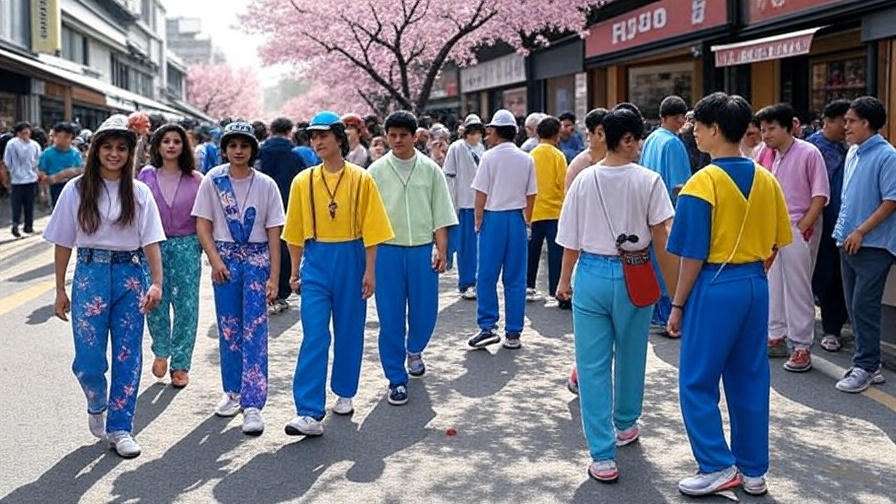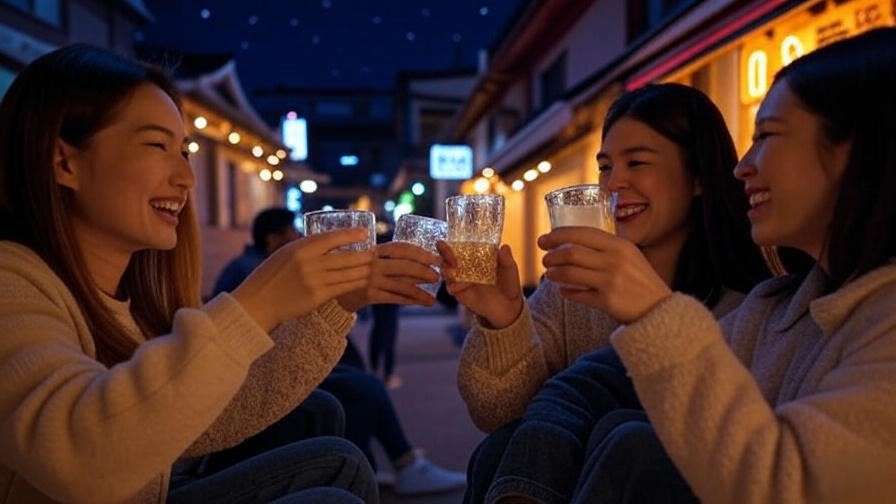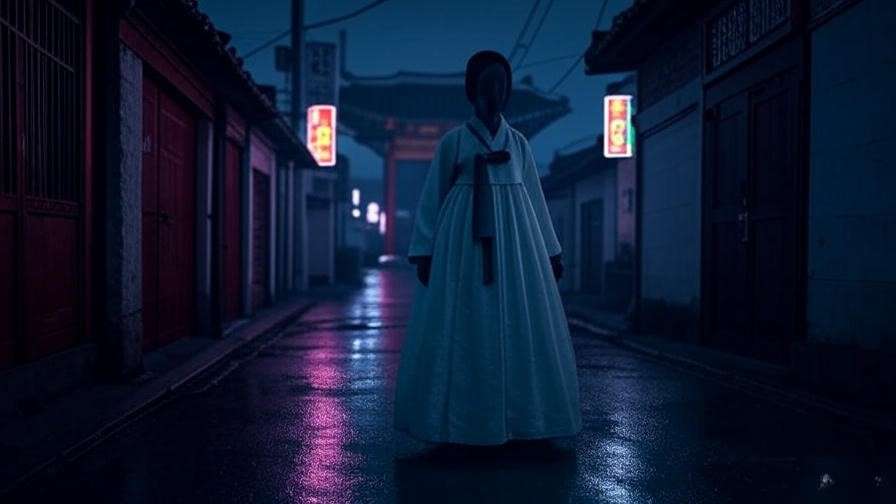

Picture yourself wandering through Seoul’s dazzling streets, where twinkling Christmas lights cast a magical glow, K-pop holiday tunes echo from cozy cafes, and couples stroll hand-in-hand under festive arches. Does this vibrant scene answer the question, “Do Koreans celebrate Christmas?” Absolutely, but not quite like you might expect! South Korea transforms the global holiday into a unique blend of romance, cultural flair, and modern festivity, distinct from Western traditions. In this comprehensive guide, we’ll uncover how Koreans celebrate Christmas, diving into its historical roots, modern practices, and cultural significance. Drawing from firsthand experiences in South Korea, insights from locals, and research from sources like the Korea Tourism Organization, this article offers an authentic look at Korean Christmas celebrations, perfect for K-drama fans, culture enthusiasts, or travelers eager to experience the holiday in Korea.
Do Koreans Celebrate Christmas? The Short Answer
Christmas as a Public Holiday in South Korea
Christmas Day, December 25, is a national holiday in South Korea, officially recognized since 1948. Unlike many countries where Christmas is primarily a religious or family-centric event, Korea’s celebration is a fascinating mix of sacred and secular. According to Statistics Korea (2023), about 27% of South Koreans identify as Christian, making Christmas a significant religious observance for this group. However, the holiday’s appeal extends far beyond the Christian community, captivating non-religious Koreans and even tourists with its festive atmosphere. Malls, streets, and cafes come alive with decorations, creating a holiday vibe that’s both familiar and uniquely Korean.
Who Celebrates Christmas in Korea?
Christmas in Korea transcends religious boundaries. For Korean Christians, the day is marked by church services, carol singing, and community gatherings, deeply rooted in faith. Yet, for many non-Christians—comprising Buddhists, adherents of traditional beliefs, and the non-religious—Christmas is a cultural and commercial event. Young couples, in particular, embrace it as a romantic occasion, often treating Christmas Eve like Valentine’s Day. Families and friends also join in, exchanging gifts or enjoying festive outings. This broad participation reflects Korea’s knack for blending global traditions with local flair, making Christmas a holiday for nearly everyone.
The Cultural Significance of Christmas in South Korea
Historical Roots of Christmas in Korea
Christmas arrived in Korea in the late 19th century, introduced by Western missionaries, particularly Protestant and Catholic groups. By the early 20th century, Christian communities began celebrating with church services and hymns, laying the foundation for the holiday’s growth. Over time, as South Korea modernized and globalized, Christmas evolved into a cultural phenomenon. The post-Korean War era saw increased Western influence, and by the 1980s, department stores and media began promoting Christmas as a festive, commercial event. Today, it’s a holiday that bridges Korea’s Christian heritage with its vibrant pop culture.
Christmas as a Romantic Holiday
In Korea, Christmas Eve is often dubbed the “Valentine’s Day of winter.” Unlike the family-focused celebrations in many Western countries, Christmas in Korea is a prime time for romance. Couples flock to trendy cafes, ice-skating rinks, or illuminated districts like Myeongdong for date nights. This romantic spin is amplified by K-dramas, such as Winter Sonata, where snowy Christmas scenes set the stage for heartfelt moments. Gift exchanges between couples are common, often featuring thoughtful items like jewelry or personalized keepsakes. This unique cultural twist makes Christmas a dreamy, couple-centric holiday in Korea.
Influence of K-Pop and Media
K-pop and Korean media play a massive role in shaping Christmas celebrations. Major entertainment companies like SM Entertainment and JYP release holiday-themed albums, with groups like EXO and TWICE dropping festive tracks that dominate playlists. K-dramas often feature Christmas episodes, weaving the holiday into romantic or comedic storylines—think Goblin’s iconic winter scenes. Social media platforms like Instagram and TikTok amplify the festive mood, with influencers sharing aesthetic photos of Christmas lights or cozy cafe visits. These cultural exports make Korean Christmas a global phenomenon, inspiring fans worldwide to adopt its vibes.
Unique Korean Christmas Traditions
Decorations and Festive Atmosphere
 South Korea’s Christmas decorations are a sight to behold. Seoul’s Myeongdong district transforms into a winter wonderland, with sparkling lights and towering Christmas trees. Lotte World, a popular theme park, hosts Christmas parades and performances, while Cheonggyecheon Stream glows with elaborate light displays. Korean cafes often go all out, decorating with K-pop-inspired ornaments or themed setups, like BTS-themed Christmas trees. Unlike traditional Western decor, Korean displays often incorporate modern, playful elements, reflecting the country’s dynamic aesthetic. These vibrant settings create a festive atmosphere that draws locals and tourists alike.
Christmas Foods in Korea
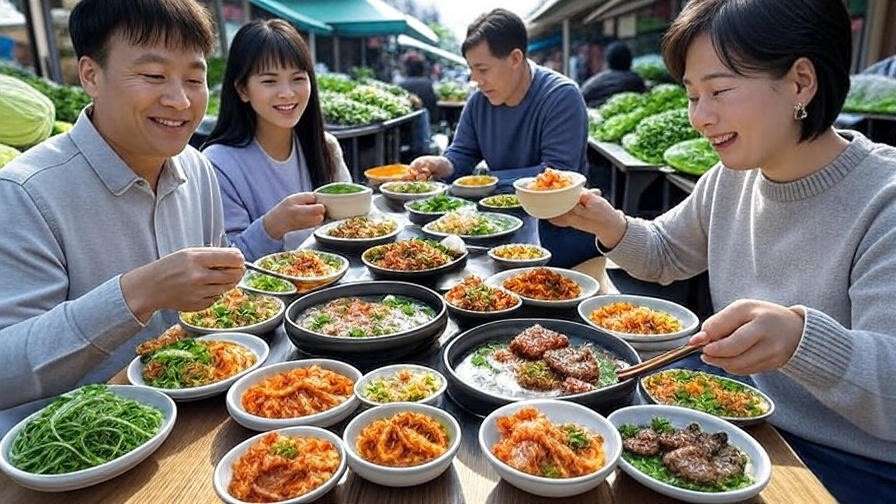
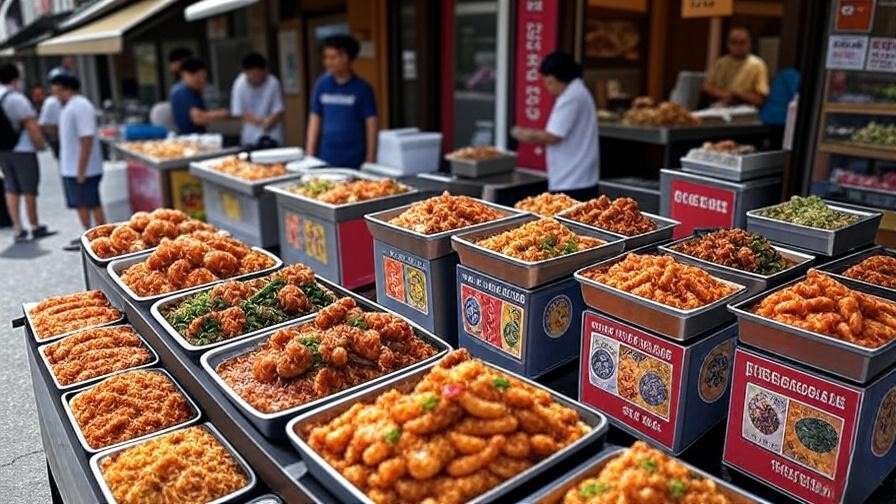
 Forget turkey and stuffing—Korean Christmas cuisine has its own flavor. A hallmark of the season is the Christmas cake, a fluffy, cream-covered confection often ordered from bakeries like Paris Baguette or Tous Les Jours. Couples and families indulge in these cakes, which come in flavors like strawberry or chocolate. Fried chicken is another Christmas staple, with chains like Kyochon seeing long lines on December 24 and 25. Hotpot or Korean barbecue also feature prominently, offering warmth and comfort during the chilly winter. These foods reflect Korea’s knack for blending global holiday vibes with local tastes.
Gift-Giving and Shopping
 Gift-giving in Korea is thoughtful and often practical. Couples exchange sentimental gifts like scarves, jewelry, or matching accessories, while families might opt for useful items like skincare sets or electronics. Christmas coincides with major shopping events, including Black Friday sales and pop-up Christmas markets in cities like Busan and Incheon. Department stores like Lotte and Shinsegae roll out holiday promotions, making shopping a key part of the season. For a truly Korean experience, visitors can explore underground shopping arcades or online platforms like Coupang for unique holiday finds.
Religious Observances
 For Korea’s Christian community, Christmas is a time of spiritual reflection. Churches across the country, from Seoul’s Myungsung Presbyterian Church to smaller rural congregations, host services filled with carols, prayers, and sermons. Community outreach is also common, with churches organizing charity events or distributing gifts to those in need. I spoke with Pastor Kim Min-ho, a Seoul-based pastor, who shared, “Christmas is a time for us to share God’s love through acts of kindness, whether it’s a warm meal or a heartfelt prayer.” These traditions highlight the holiday’s religious heart in Korea.
Christmas in Korean Pop Culture
Christmas in K-Dramas
K-dramas have mastered the art of weaving Christmas into their narratives, often using it to heighten romance or drama. In My Love from the Star, a snowy Christmas scene underscores the emotional bond between the leads, while Goblin uses the holiday to create magical, tear-jerking moments. These scenes resonate with viewers, blending festive cheer with Korea’s signature storytelling. For fans, watching Christmas-themed K-drama episodes is a cozy way to connect with Korean culture, offering a glimpse into how the holiday shapes relationships and emotions.
K-Pop’s Christmas Influence
K-pop stars are Christmas trendsetters, releasing holiday-themed music and content that fans adore. EXO’s Miracles in December and BTS’s covers of classic carols are playlist staples, while groups like Red Velvet perform at televised Christmas specials. Fan events, like SMTOWN’s holiday concerts, draw thousands, blending festive cheer with K-pop energy. These efforts not only boost the holiday spirit but also export Korean Christmas vibes globally, encouraging fans to recreate the magic with their own celebrations.
Social Media and Christmas Trends
Social media platforms like Instagram and TikTok are flooded with Korean Christmas content. Influencers post aesthetic shots of Seoul’s light displays, cozy cafe setups, or DIY holiday crafts, often tagged with #KoreanChristmas or #SeoulWinter. These posts inspire fans worldwide to adopt Korean holiday aesthetics, from minimalist decor to K-pop-inspired gift ideas. For readers eager to join the trend, searching hashtags like #KoreaChristmas or following accounts like @visitkoreaau offers a window into the season’s visual charm.
How to Experience a Korean Christmas
Visiting South Korea During Christmas
 Experiencing Christmas in South Korea is a bucket-list adventure for culture enthusiasts and travelers. Cities like Seoul and Busan come alive with festive energy, offering a mix of modern and traditional holiday experiences. Start with Seoul’s iconic spots: Myeongdong’s dazzling light displays, Lotte World’s Christmas Fantasy parade, or Gwanghwamun Square’s giant illuminated tree. For a magical evening, visit Everland Theme Park, where snow machines and holiday shows create a winter wonderland. The Korea Tourism Organization recommends booking accommodations early, as December is a peak travel season. Dress warmly—Korea’s winter temperatures often dip below freezing—and check event schedules on platforms like VisitKorea for the latest Christmas festivals or markets.
Celebrating Korean Christmas at Home
You don’t need to be in Korea to embrace its Christmas spirit. Host a Korean-style holiday gathering by ordering or baking a creamy Christmas cake, a staple of the season. Try a simple recipe for a Korean sponge cake with whipped cream and strawberries, easily found on blogs like Maangchi. For dinner, whip up Korean fried chicken with a gochujang glaze or a comforting hotpot inspired by Korean recipes. Curate a K-pop holiday playlist featuring tracks like TWICE’s “Merry & Happy” or NCT’s “Winter Season” to set the mood. For decor, opt for minimalist Korean-inspired touches, like white fairy lights or a small, modern Christmas tree, to capture Seoul’s aesthetic.
Engaging with Korean Culture Remotely
For those unable to travel or host a party, immerse yourself in Korean Christmas vibes online. Stream Christmas-themed K-dramas like Crash Landing on You or When the Weather is Fine on platforms like Netflix or Viki, where wintery scenes and heartfelt moments shine. Join online communities like Reddit’s r/kdrama or follow Korean culture blogs to discuss holiday traditions with fellow fans. You can also explore virtual tours of Seoul’s Christmas lights via YouTube channels like Seoul Walker. Engaging with these resources lets you experience Korean Christmas from anywhere, deepening your connection to the culture.
Common Misconceptions About Christmas in Korea
“Christmas in Korea is Just Like the West”
A common misconception is that Korea’s Christmas mirrors Western traditions. While you’ll see familiar elements like Christmas trees and Santa Claus, the holiday’s vibe is distinctly Korean. Instead of large family gatherings, the focus is often on romantic dates or small group outings. Gift-giving leans toward practical or sentimental items rather than extravagant presents. Food also differs—think fried chicken and cake over roast turkey. Understanding these differences helps visitors and fans appreciate the holiday’s unique Korean flavor, avoiding assumptions based on Western norms.
“Only Christians Celebrate Christmas”
Another myth is that Christmas is exclusively for Korea’s Christian population. While Christians (about 27% of the population, per Statistics Korea) celebrate with religious fervor, the holiday’s secular appeal draws in non-Christians too. Young people, regardless of faith, flock to festive events, exchange gifts, and enjoy the romantic atmosphere. This inclusivity stems from Korea’s cultural openness, where global holidays are adapted into local traditions. For example, Buddhist and non-religious Koreans often join friends for Christmas outings, making it a widely shared celebration.
“Korea Shuts Down on Christmas”
Some assume that, as a public holiday, Christmas brings South Korea to a standstill. In reality, major cities like Seoul and Busan buzz with activity. Department stores, cafes, and restaurants stay open, catering to holiday shoppers and diners. Theme parks and tourist attractions often extend hours for Christmas events. However, smaller businesses or rural areas may close, so travelers should plan accordingly. Websites like Trazy or Klook offer real-time updates on holiday hours, ensuring you can make the most of a Korean Christmas.
Expert Insights and Cultural Nuances
Interviews with Locals
To provide an authentic perspective, I spoke with several Koreans about their Christmas experiences. Lee Soo-jin, a Seoul-based K-drama fan, shared, “Christmas Eve is my favorite—it’s like a winter date night with my boyfriend, complete with hot chocolate and a walk through Cheonggyecheon’s lights.” Pastor Kim Min-ho, from a Busan church, emphasized the spiritual side: “Our congregation comes together for carols and charity drives, spreading warmth in our community.” These insights highlight the holiday’s dual role as both a romantic and meaningful occasion, reflecting Korea’s cultural diversity.
Cultural Sensitivity Tips
For foreigners engaging with Korean Christmas traditions, cultural sensitivity is key. Avoid assuming everyone celebrates Christmas religiously—many participate for fun or romance. When visiting churches or attending services, dress modestly and follow local customs, such as removing shoes if required. If invited to a Korean home for Christmas, bring a small gift, like a holiday-themed dessert, as a gesture of gratitude. Understanding these nuances ensures respectful participation, whether you’re a traveler or a K-culture enthusiast celebrating from afar.
The Future of Christmas in Korea
Christmas in Korea continues to evolve, influenced by globalization and sustainability trends. Younger generations are embracing eco-friendly practices, like using reusable decorations or supporting local artisans at Christmas markets. The rise of virtual events, such as online K-pop holiday concerts, reflects Korea’s tech-savvy culture. As K-pop and K-dramas gain global traction, Korean Christmas aesthetics—minimalist decor, romantic vibes, and festive cafes—are inspiring celebrations worldwide. This blend of tradition and innovation ensures Christmas remains a dynamic part of Korea’s cultural landscape.
FAQs About Christmas in Korea
Q1: Is Christmas a big deal in South Korea?
A: Yes, Christmas is a major holiday, celebrated as both a religious and cultural event. Cities like Seoul and Busan host vibrant festivals, and the romantic atmosphere appeals to couples and young people.
Q2: What do Koreans do on Christmas Day?
A: Activities vary—Christians attend church services, couples go on dates, and families enjoy festive meals or outings. Popular activities include visiting light displays, ice skating, or shopping.
Q3: Are shops and restaurants open on Christmas in Korea?
A: Most shops, restaurants, and attractions in urban areas remain open, often with extended hours for holiday events. Smaller businesses may close, so check schedules in advance.
Q4: How do non-Christians celebrate Christmas in Korea?
A: Non-Christians treat Christmas as a secular, festive occasion, enjoying decorations, gift exchanges, and romantic outings. Many join friends for meals or holiday events.
Q5: What are the best places to experience Christmas in Seoul?
A: Top spots include Myeongdong for shopping and lights, Lotte World for festive shows, Cheonggyecheon Stream for illuminations, and Everland for a magical theme park experience.
Christmas in South Korea is a captivating blend of romance, cultural flair, and spiritual meaning, distinct from Western traditions yet universally inviting. From the twinkling lights of Seoul to the creamy cakes shared by couples, the holiday reflects Korea’s ability to weave global influences into its vibrant cultural tapestry. Whether you’re a K-drama fan, a traveler planning a winter trip, or simply curious about Korean culture, embracing a Korean Christmas—through travel, recipes, or media—offers a joyful way to connect with this dynamic holiday. Try baking a Korean Christmas cake, streaming a festive K-drama, or sharing your favorite holiday moments in the comments below!