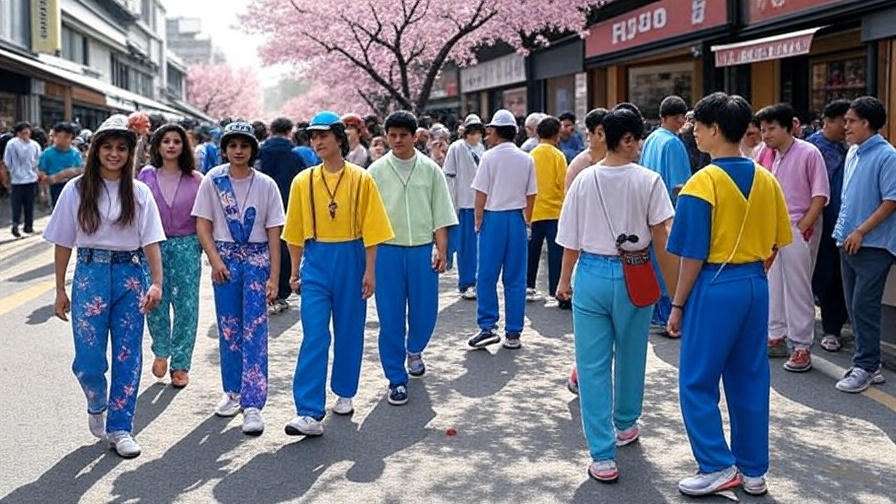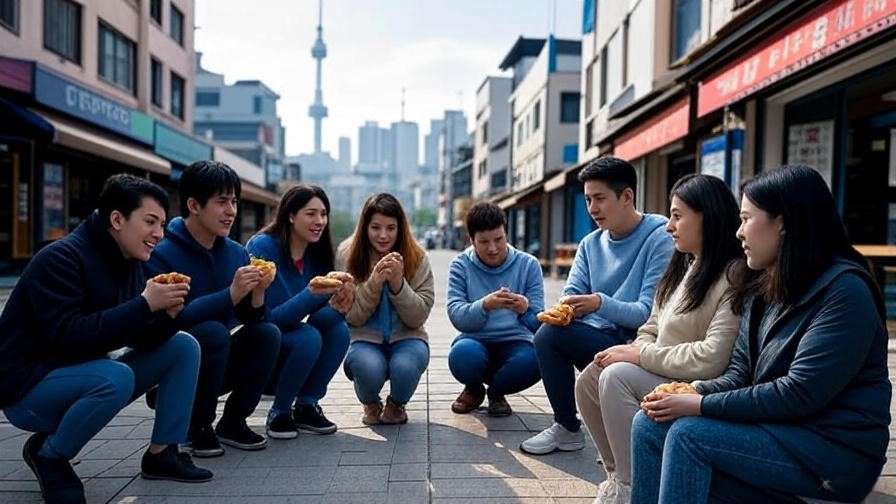

Picture a sunlit park in Seoul, alive with the giggles of children chasing colorful kites and parents snapping photos as families unite for a day of pure joy. This is Children’s Day Korea, known as Eorininal, a national holiday celebrated every May 5, dedicated to honoring the happiness and well-being of children. As a cornerstone of Korean culture, this vibrant festival reflects the nation’s deep-rooted values of family and community. Whether you’re planning to join the festivities in Korea or bring its spirit to your home, this guide dives into the heart of Eorininal with 10 heartwarming traditions and family activities for 2025. Drawing from years of exploring Korean cultural festivals and insights from local families, this article offers everything you need to create unforgettable memories.
What Is Children’s Day in Korea?
The History and Significance of Eorininal
Children’s Day, or Eorininal, traces its roots to 1923, when Bang Jeong-hwan, a passionate advocate for children’s rights, established the holiday to promote youth welfare. “Children are the future of our nation,” Bang once wrote, a sentiment that resonates in Korea’s commitment to this day. Officially declared a national holiday in 1975, Eorininal has grown into a celebration of childhood, marked by family outings, gifts, and cultural events. According to the Korea Tourism Organization, over 80% of Korean families participate in Children’s Day activities, making it one of the most beloved holidays. This rich history underscores its role as a cultural touchstone, blending tradition with modern family values.
Why Children’s Day Matters Today
In today’s fast-paced Korea, Eorininal serves as a reminder to slow down and cherish family bonds. With urbanization and demanding schedules, the holiday offers a rare chance for parents and children to reconnect through shared experiences. Recent surveys, like one from The Korea Herald in 2024, show that 65% of parents prioritize outdoor activities on May 5 to foster quality time. Beyond fun, Children’s Day promotes values like kindness and creativity, aligning with Korea’s emphasis on holistic child development. For visitors and expatriates, it’s an opportunity to immerse in Korean culture and create lasting memories with loved ones.
10 Heartwarming Traditions of Children’s Day in Korea
Tradition 1: Gift-Giving for Kids
A hallmark of Eorininal is the tradition of giving children gifts, from toys to books to stylish clothes. In 2025, expect popular gifts like interactive STEM kits, K-pop merchandise, or plush toys inspired by characters like Pororo the Little Penguin. For budget-conscious families, consider Korean-inspired gifts like hanbok-themed dolls or calligraphy sets, which blend fun with cultural learning. Tip: Shop early at stores like Kyobo Bookstore or online platforms like Coupang to snag deals before the holiday rush.
Tradition 2: Family Outings to Parks and Amusement Parks
Families flock to parks and amusement parks on Children’s Day, transforming places like Seoul Children’s Grand Park and Lotte World into vibrant hubs of laughter. Seoul Children’s Grand Park, with its zoo and botanical garden, draws over 100,000 visitors annually on May 5, per city records. Everland, Korea’s largest theme park, offers kid-friendly rides and seasonal parades. Tip: Arrive early (before 9 AM) to avoid long lines, and check park websites for special Children’s Day discounts in 2025.
Tradition 3: Kite-Flying and Outdoor Games
 Kite-flying is a cherished Eorininal tradition, symbolizing freedom and joy. Families gather in open spaces like Yeouido Park to fly traditional Korean kites, called yeon, often shaped like shields or animals. To make your own, gather bamboo sticks, hanji paper, and string, then follow these steps: (1) Create a cross-shaped frame with bamboo, (2) Cover with hanji and decorate with bright patterns, (3) Attach a long string for flying. Outdoor games like tuho (arrow-throwing) also keep kids entertained. Tip: Check local weather forecasts to ensure clear skies for kite-flying.
Tradition 4: Special Performances and Parades
 Children’s Day brings streets alive with parades, puppet shows, and cultural performances. In Busan, the annual Children’s Day festival at Haeundae Beach features mascot-led parades and magic shows, while Seoul hosts storytelling events at Gwanghwamun Square. These performances celebrate Korean heritage, often incorporating folktales like Heungbu and Nolbu. Tip: Look for event schedules on municipal websites or Korea Tourism Organization’s portal to plan your visit.
Tradition 5: Visiting Cultural Sites
Families often explore cultural sites like the National Museum of Korea, which offers free admission for kids on May 5. The Seoul History Museum hosts interactive exhibits on traditional Korean life, perfect for sparking curiosity. Tip: Download museum apps for virtual guides or activity sheets to keep kids engaged during visits.
Tradition 6: Traditional Korean Snacks and Treats
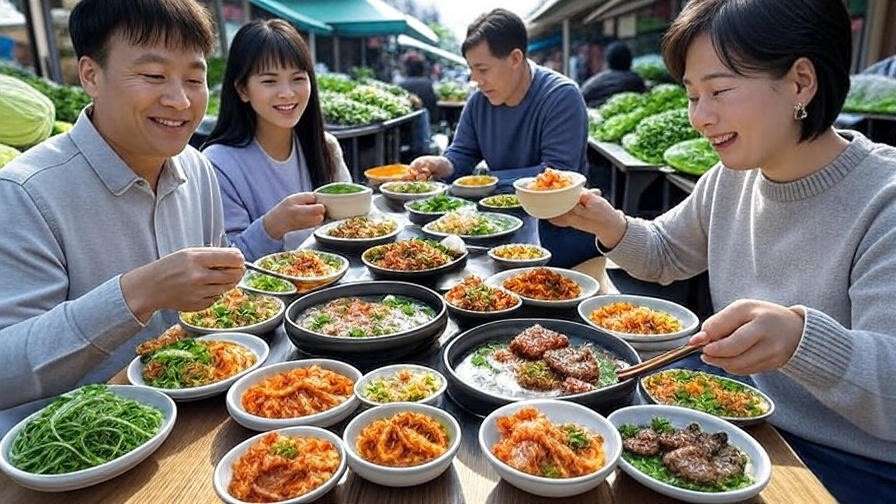
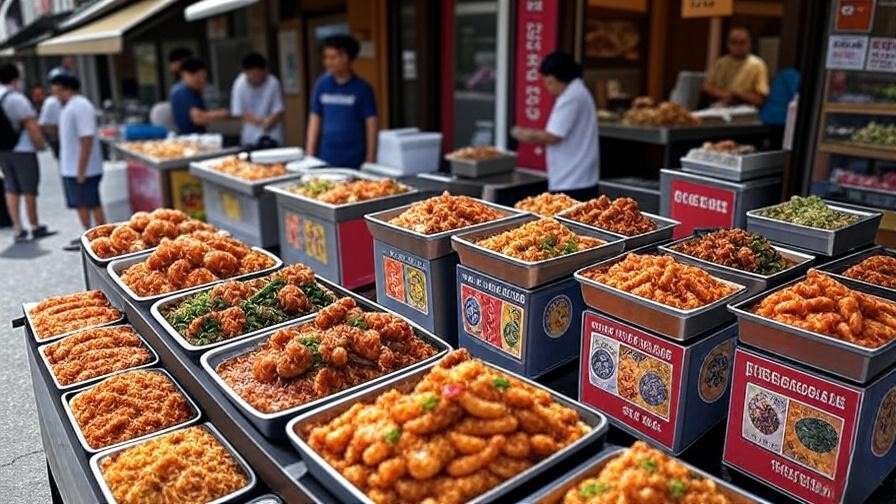
No Eorininal is complete without kid-friendly treats like tteok (sweet rice cakes) or hotteok (pancake filled with brown sugar and cinnamon). For a simple at-home treat, try this hotteok recipe: Mix 1 cup flour, ½ tsp yeast, and ½ cup warm water for dough; fill with a brown sugar-cinnamon mix; pan-fry until golden. Tip: Visit local markets like Gwangjang Market for fresh hotteok or bingsu (shaved ice dessert) to delight kids.
Tradition 7: Storytelling and Reading Events
Inspired by Bang Jeong-hwan’s love for children’s literature, libraries and bookstores host storytelling sessions on Eorininal. Books like The Tiger Who Came to Tea (translated into Korean) or Cloud Bread captivate young readers. Tip: Check Kyobo Bookstore’s event calendar for free reading sessions, or create a cozy storytelling corner at home with Korean folktales.
Tradition 8: Art and Craft Activities
 Craft activities like making hanji paper art or drawing contests are Eorininal staples. Try this DIY hanji fan: (1) Cut hanji paper into a rectangle, (2) Fold accordion-style, (3) Glue one end to create a fan shape, (4) Decorate with markers or stickers. Community centers often host free workshops. Tip: Source hanji supplies from online retailers like Gmarket for authentic materials.
Tradition 9: Volunteering and Community Service
Some families use Children’s Day to teach kids about generosity, such as donating toys to local shelters. Organizations like Save the Children Korea host Eorininal drives for underprivileged kids. Tip: Involve children in choosing toys to donate, fostering empathy and community spirit.
Tradition 10: Family Bonding Through Games
 Traditional games like jegichagi (shuttlecock kicking) or yutnori (a board game with sticks) bring families together. To play jegichagi, kick a feathered shuttlecock upward, aiming to keep it airborne. Tip: Purchase a jegichagi set online or make one with feathers and coins for a fun at-home activity.
Top Family Activities for Children’s Day 2025
Planning a Memorable Day in Seoul
For a perfect Eorininal in Seoul, start at Seoul Children’s Grand Park for morning animal encounters, followed by lunch at a kid-friendly café like Cafe Knotted in Seongdong-gu, known for its colorful donuts. Spend the afternoon at the National Folk Museum, exploring interactive exhibits on Korean traditions. Tip: Book park tickets online to skip queues, and check 2025 event schedules on Visit Seoul’s website for updates.
Celebrating Outside Seoul: Regional Highlights
Beyond Seoul, Busan’s Haeundae Beach hosts kite-flying contests, while Jeju’s eco-parks like Jeju Loveland offer nature-based fun. In Gyeongju, families can explore historic sites like Bulguksa Temple alongside kid-friendly activities. Tip: Reserve accommodations early, as regional destinations fill up quickly for the May 5 holiday.
Virtual and At-Home Celebrations
For families abroad, host a Korean-themed Eorininal party with crafts, tteok snacks, and streaming kid-friendly K-dramas like Pororo the Little Penguin on platforms like Netflix. Virtual tours of the National Museum of Korea offer cultural immersion. Tip: Use YouTube for free Korean folktale readings to spark kids’ imagination.
Budget-Friendly Celebration Ideas
Low-cost options include picnics in local parks with homemade kimbap or attending free community events like library craft sessions. Tip: Check municipal websites for free Eorininal activities, such as storytelling at public libraries.
How to Prepare for Children’s Day in Korea
Practical Tips for Families
Book amusement park tickets or accommodations at least a month in advance, as May 5 is a peak travel day. Pack essentials like sunscreen, water bottles, and comfortable shoes for park visits. Tip: Use apps like Naver Maps for real-time crowd updates at popular venues.
Cultural Etiquette for Visitors
Respect public spaces by keeping noise levels low and cleaning up after picnics. Participate politely in group activities like parades. “Koreans value harmony in shared spaces,” notes Seoul-based cultural guide Min-ji Kim. Tip: Learn basic Korean phrases like “annyeonghaseyo” (hello) to connect with locals.
Safety Tips for a Stress-Free Day
In crowded parks, use ID bracelets for kids with your contact info. Stay hydrated and take breaks in shaded areas. Tip: Save emergency numbers, like 119 for Korea’s emergency services, on your phone.
Children’s Day Around the World: How Korea Stands Out
Comparing Global Children’s Day Celebrations
While Japan’s Kodomo no Hi features carp streamers and Turkey’s Children’s Day includes school performances, Korea’s Eorininal stands out for its blend of family bonding and cultural heritage. The focus on outdoor activities and traditional games creates a uniquely festive atmosphere.
Bringing Korean Traditions to Your Home
 Non-Korean families can celebrate by making hanji crafts, flying kites, or cooking hotteok. As someone who celebrated Eorininal abroad, I found hosting a Korean game night with yutnori brought my family closer. Tip: Source Korean craft kits from online stores like Etsy for authenticity.
FAQs About Children’s Day in Korea
- When is Children’s Day celebrated in Korea?
May 5, a national holiday with schools and many businesses closed. - What are the best places to visit on Children’s Day?
Seoul Children’s Grand Park, Lotte World, and Everland are top picks for families. - How can non-Korean families celebrate Children’s Day?
Try Korean crafts, watch kid-friendly K-dramas, or host a tteok-making party. - Are there any special foods associated with Children’s Day?
Kid-friendly treats like hotteok, bingsu, and tteok are holiday favorites. - What’s the history behind Children’s Day in Korea?
Founded by Bang Jeong-hwan in 1923, it became a national holiday in 1975 to honor children’s rights.
Children’s Day Korea, or Eorininal, is more than a holiday—it’s a celebration of family, culture, and childhood joy. From kite-flying in Yeouido Park to savoring hotteok at local markets, these traditions create memories that last a lifetime. Whether you’re in Korea or halfway across the globe, use these 10 traditions and activities to plan a heartfelt 2025 celebration. Share your Eorininal stories in the comments or on our social media, and let’s keep the spirit of Korean culture alive! For more on Korean festivals, check our guides on Chuseok and Seollal.