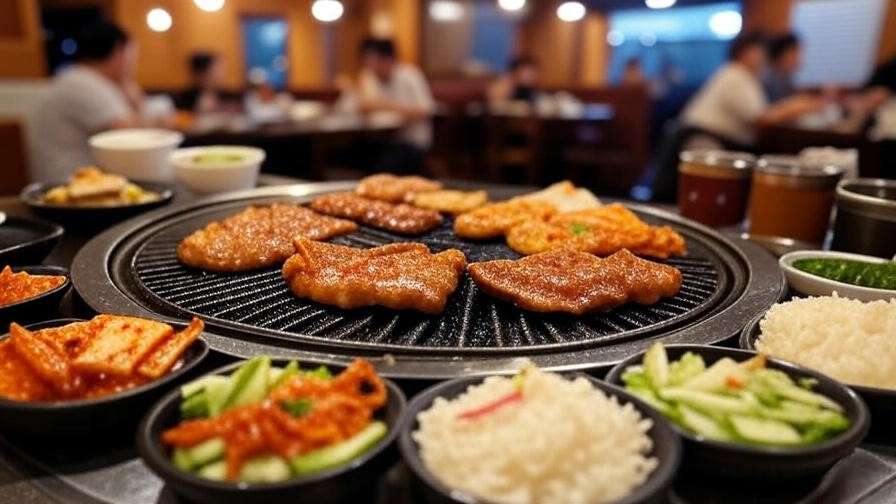
Imagine the sizzle of tender beef hitting a scorching grill, the smoky aroma of chadolbagi wafting through the air, and the chatter of friends gathered around a lively Korean BBQ table. Chadolbagi, the star of Korean barbecue, is more than just a dish—it’s a cultural experience that brings people together over shared plates and vibrant flavors. Whether you’re a K-drama fan enchanted by scenes of communal grilling or a foodie eager to explore Korean cuisine, this guide unlocks the secrets of chadolbagi. From its rich history to foolproof home-cooking tips, you’ll learn how to savor this melt-in-your-mouth beef brisket authentically. As someone who’s dined at Seoul’s bustling BBQ joints and consulted with Korean chefs, I’m here to share everything you need to know to master chadolbagi and bring its sizzling delight to your table.
What is Chadolbagi? Unpacking the Korean BBQ Star
 Defining Chadolbagi
Chadolbagi is a beloved Korean BBQ dish featuring paper-thin slices of beef brisket, grilled to perfection in seconds. Known as “chadolbaegi” in some regions, it’s a staple of gogigui (Korean barbecue), celebrated for its rich, buttery texture and bold beefy flavor. Unlike marinated cuts like galbi (short ribs) or samgyeopsal (pork belly), chadolbagi is typically unmarinated, letting the natural taste of the beef shine. Its quick-cooking nature makes it a favorite for communal dining, where diners grill their own meat at the table, fostering a lively, interactive meal. In Korean culture, chadolbagi embodies the joy of shared experiences, often paired with an array of banchan (side dishes) and sauces.
The Cut and Its Characteristics
Chadolbagi comes from the brisket, a cut from the cow’s chest that balances lean meat with just enough fat to create a melt-in-your-mouth texture. Sliced to about 1-2 millimeters thick, it cooks almost instantly on a hot grill, locking in juices while developing a slight char. The fat content gives it a luxurious mouthfeel, distinguishing it from leaner cuts like sirloin. According to Chef Min-jun Park, a Seoul-based Korean BBQ expert, “Chadolbagi’s thinness is key—it’s about capturing the essence of beef in every bite.” Its versatility allows it to be enjoyed plain with salt or wrapped in lettuce with ssamjang (a spicy dipping sauce).
The Cultural Significance of Chadolbagi in Korean Cuisine
A Dish Rooted in Tradition
Korean BBQ, or gogigui, has deep roots in Korea’s communal dining culture, with chadolbagi emerging as a modern favorite. Historically, grilling meat was a luxury reserved for special occasions, but post-Korean War economic growth made BBQ restaurants accessible, turning chadolbagi into a household name. Its appeal lies in its simplicity—unmarinated beef that highlights quality and freshness. As Dr. Soo-jin Kim, a Korean food historian, notes, “Chadolbagi reflects Korea’s love for balance: bold flavors paired with fresh vegetables and tangy sauces.” It’s a dish that invites connection, as diners share the grill and pass around lettuce wraps.
Chadolbagi in Modern Korean Culture
Today, chadolbagi is a cultural icon, frequently featured in K-dramas like Crash Landing on You, where characters bond over sizzling BBQ. The global Hallyu wave has propelled its popularity, with Korean restaurants from Los Angeles to London serving chadolbagi to eager fans. Social media platforms, like X, buzz with posts of beautifully plated chadolbagi, often captioned with tips for the perfect grill. Its universal appeal lies in its accessibility—quick to cook, easy to pair, and endlessly customizable. Whether at a bustling Seoul eatery or a cozy home gathering, chadolbagi brings the spirit of Korean hospitality to life.
How to Enjoy Chadolbagi: The Authentic Korean BBQ Experience
 The Art of Korean BBQ Dining
Eating chadolbagi is a sensory adventure. Picture a tabletop grill glowing red-hot, surrounded by colorful banchan like kimchi, pickled radish, and seasoned spinach. Thin slices of chadolbagi hit the grill, sizzling for just 10-15 seconds per side before being tucked into a lettuce or perilla leaf wrap with a dollop of ssamjang and a sliver of raw garlic. The result? A perfect bite of smoky beef, spicy sauce, and crisp greens. Korean BBQ is as much about the experience as the food—diners take turns grilling, sharing stories, and savoring each bite together.
Pairings and Accompaniments
To elevate chadolbagi, pair it with classic banchan:
- Kimchi: Fermented cabbage adds a spicy, tangy crunch.
- Pa Muchim: Scallion salad brings freshness to balance the richness.
- Kongnamul: Seasoned soybean sprouts offer a nutty contrast.
For drinks, soju’s clean finish or makgeolli’s fizzy sweetness complement the beef’s bold flavor. Ssamjang, a blend of soybean paste and red chili, is non-negotiable for dipping or spreading. For an authentic touch, add a sprinkle of sesame seeds or a drizzle of sesame oil before wrapping.
Etiquette and Tips for First-Timers
New to Korean BBQ? Follow these tips for an authentic experience:
- Grill for Others: It’s polite to cook meat for the table, not just yourself.
- Pace Yourself: Alternate meat with banchan to avoid feeling overwhelmed.
- Check the Quality: Look for chadolbagi with a good balance of fat and lean meat—bright red with fine marbling is ideal.
At restaurants, ask for “chadolbagi” specifically, as menus may list it under “beef brisket.” If dining in Korea, expect a lively atmosphere with servers checking the grill frequently.
Cooking Chadolbagi at Home: A Step-by-Step Guide
 Bringing Chadolbagi to Your Kitchen
Craving chadolbagi at home? You don’t need a fancy grill to recreate the magic. Start with high-quality beef brisket, available at Asian markets like H Mart or online retailers. For the signature thin slices, partially freeze the brisket for 30-60 minutes to firm it up, then slice it as thinly as possible with a sharp knife. If slicing is tricky, ask your butcher to do it or buy pre-sliced chadolbagi. A tabletop grill is ideal, but a cast-iron skillet or stovetop griddle works well, too. Heat it to medium-high for that perfect sear.
Simple Chadolbagi Recipe
Ingredients (Serves 4):
- 1 lb beef brisket, thinly sliced
- 1 tbsp sesame oil (for brushing)
- Sea salt, to taste
- Lettuce or perilla leaves, for wrapping
- 1 tbsp toasted sesame seeds (optional)
Instructions:
- Prep the Beef: If not pre-sliced, freeze the brisket for 30 minutes, then slice into 1-2 mm thick pieces.
- Heat the Grill: Preheat your grill or skillet to medium-high (about 400°F/200°C). Brush lightly with sesame oil.
- Grill the Chadolbagi: Place slices in a single layer on the grill. Cook for 10-15 seconds per side until lightly charred but still juicy.
- Season and Serve: Sprinkle with sea salt and sesame seeds. Serve immediately with lettuce wraps, ssamjang, and banchan.
Variation: For a marinated version, soak slices in a mix of soy sauce, sesame oil, garlic, and a touch of sugar for 15 minutes before grilling.
Homemade Banchan and Sauces
Quick Soybean Sprout Banchan:
- Ingredients: 1 lb soybean sprouts, 1 tsp sesame oil, 1 tsp soy sauce, 1 minced garlic clove, 1 tsp sesame seeds.
- Instructions: Blanch sprouts for 2 minutes, drain, and toss with seasonings. Chill before serving.
Ssamjang Recipe:
- Ingredients: 2 tbsp doenjang (soybean paste), 1 tbsp gochujang (red chili paste), 1 tsp sesame oil, 1 tsp minced garlic, 1 tsp honey.
- Instructions: Mix all ingredients until smooth. Adjust spice with more gochujang if desired.
Substitutions: Can’t find doenjang or gochujang? Use miso paste and sriracha as approximations, though the flavor will differ slightly.
Health and Nutrition: Is Chadolbagi Good for You?
 Nutritional Breakdown of Chadolbagi
Chadolbagi, made from beef brisket, is a protein-packed dish that offers nutritional benefits when enjoyed in moderation. A 3.5-ounce (100-gram) serving of unmarinated chadolbagi provides approximately 250-300 calories, 20 grams of protein, and 18-22 grams of fat, depending on the fat-to-lean ratio. The high protein content supports muscle growth and satiety, making it a filling choice. However, its fat content, particularly saturated fat, means portion control is key. The dish also contains essential nutrients like iron, zinc, and B vitamins, which support energy and immune health. Pairing chadolbagi with nutrient-dense banchan, like kimchi or seasoned greens, creates a balanced meal rich in fiber and probiotics.
Making Chadolbagi Healthier
To make chadolbagi a healthier option, consider these tips:
- Trim Excess Fat: Ask your butcher to trim visible fat or choose leaner cuts to reduce calorie intake.
- Load Up on Banchan: Incorporate fiber-rich sides like seaweed salad or pickled radish to balance the meal.
- Control Portions: Stick to 3-4 ounces per person, especially if paired with heavy sides or alcohol.
For those on low-carb or keto diets, chadolbagi is an excellent choice due to its negligible carbohydrate content. However, individuals watching cholesterol should consult a nutritionist, as beef brisket can be high in saturated fat. According to dietitian Ji-yeon Lee, “Chadolbagi’s versatility allows it to fit into many diets when paired thoughtfully with vegetables and whole grains.”
Chadolbagi vs. Other Korean BBQ Cuts: What Sets It Apart?
 Comparing Chadolbagi to Galbi, Samgyeopsal, and More
Chadolbagi stands out among Korean BBQ cuts for its quick-cooking nature and unmarinated simplicity. Here’s how it compares to other popular options:
| Cut | Source | Preparation | Flavor Profile | Cooking Time |
|---|---|---|---|---|
| Chadolbagi | Beef brisket | Thinly sliced, unmarinated | Rich, buttery, beefy | 10-15 sec/side |
| Galbi | Beef short ribs | Marinated, bone-in or boneless | Sweet, savory, umami | 2-3 min/side |
| Samgyeopsal | Pork belly | Thick-cut, unmarinated | Fatty, mild, crispy when grilled | 3-5 min/side |
| Bulgogi | Beef sirloin/ribeye | Thinly sliced, heavily marinated | Sweet, garlicky, tender | 1-2 min/side |
Chadolbagi’s thin slices and minimal prep make it ideal for fast-paced meals, while its natural beef flavor appeals to purists. Galbi’s marinade adds complexity but requires more grilling time, while samgyeopsal’s thicker cut offers a chewier texture. Bulgogi, though tender, leans heavily on its soy-sugar marinade, unlike chadolbagi’s simplicity.
When to Choose Chadolbagi
Opt for chadolbagi when you want a quick, flavorful BBQ experience without the fuss of marinating. It’s perfect for:
- Large Gatherings: Its fast cooking time keeps the grill moving.
- Weeknight Dinners: Minimal prep makes it ideal for busy evenings.
- Flavor Flexibility: Its neutral base pairs well with bold sauces or simple salt.
Chef Hye-jin Choi of a Busan BBQ restaurant notes, “Chadolbagi is the go-to for diners who love beef in its purest form—it’s all about the quality of the cut.”
Where to Find the Best Chadolbagi: Restaurants and Beyond
 Top Korean BBQ Spots for Chadolbagi
For an authentic chadolbagi experience, visit these renowned restaurants:
- Seoul, South Korea: Maple Tree House in Gangnam serves premium chadolbagi with house-made ssamjang, praised for its marbling and freshness. Expect a vibrant atmosphere with expert grill service.
- Los Angeles, CA: Genwa Korean BBQ offers high-quality chadolbagi alongside an extensive banchan spread, earning rave reviews from local food critics.
- New York, NY: Jongro BBQ in Koreatown is a favorite for its authentic setup and perfectly sliced brisket, ideal for K-drama fans seeking a Seoul-like vibe.
When dining out, look for restaurants using high-grade beef (e.g., USDA Choice or Hanwoo in Korea) and offering a variety of banchan to complement the meal. Check online reviews or X posts for real-time recommendations from local foodies.
Online and Local Sources for Ingredients
To cook chadolbagi at home, source quality beef brisket from:
- Asian Markets: H Mart, 99 Ranch, or local Korean grocers often carry pre-sliced chadolbagi in the frozen section.
- Online Retailers: Weee! or Amazon Fresh deliver pre-sliced brisket to many regions.
- Local Butchers: Request paper-thin slices or ask for “chadolbagi-style” brisket.
If specialty stores aren’t available, buy a whole brisket and use a sharp knife or meat slicer after partial freezing. For banchan ingredients, check Asian markets for doenjang, gochujang, and fresh perilla leaves, or substitute with supermarket alternatives like miso and sriracha.
FAQs About Chadolbagi
Your Chadolbagi Questions Answered
What’s the difference between chadolbagi and chadolbaegi?
The terms are interchangeable, with “chadolbaegi” being a regional or dialectical variation. Both refer to thinly sliced beef brisket for Korean BBQ.
Can I make chadolbagi without a grill?
Yes! A cast-iron skillet or stovetop griddle works well. Heat to medium-high, brush with sesame oil, and cook slices for 10-15 seconds per side.
How do I store leftover chadolbagi?
Store raw chadolbagi in an airtight container in the fridge for up to 2 days or freeze for up to 3 months. Cooked chadolbagi should be eaten immediately for best texture.
Is chadolbagi spicy?
Chadolbagi itself is not spicy, as it’s typically unmarinated. Spiciness comes from accompanying sauces like ssamjang or kimchi, which you can adjust to taste.
Chadolbagi is more than a dish—it’s a gateway to Korean culture, blending bold flavors with the joy of communal dining. From its roots in Seoul’s BBQ restaurants to its starring role in K-dramas, this thinly sliced beef brisket captivates foodies worldwide. Whether you’re grilling at a bustling restaurant or recreating the experience at home, chadolbagi offers a delicious, accessible way to explore Korean cuisine. Try our step-by-step recipe, pair it with vibrant banchan, and savor the sizzle. Want to dive deeper? Watch a K-drama like Itaewon Class for BBQ inspiration or visit a local Korean restaurant to taste the real thing. Share your chadolbagi creations in the comments or explore more Korean recipes on our site!