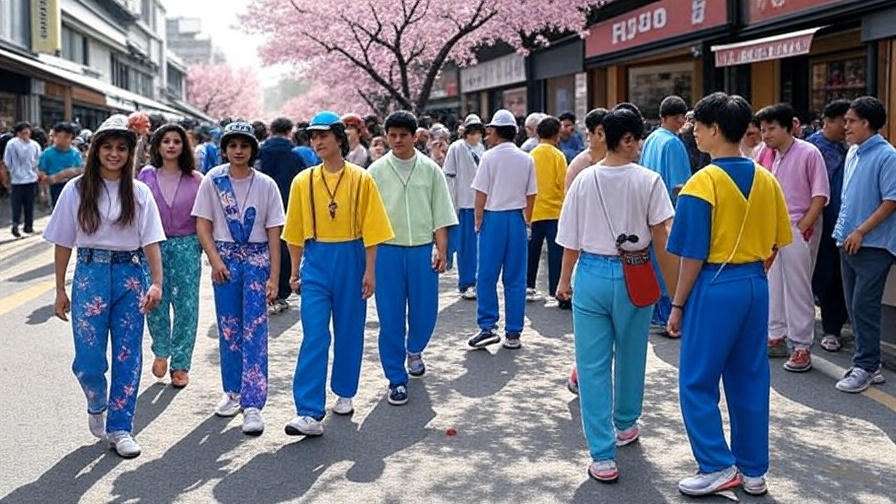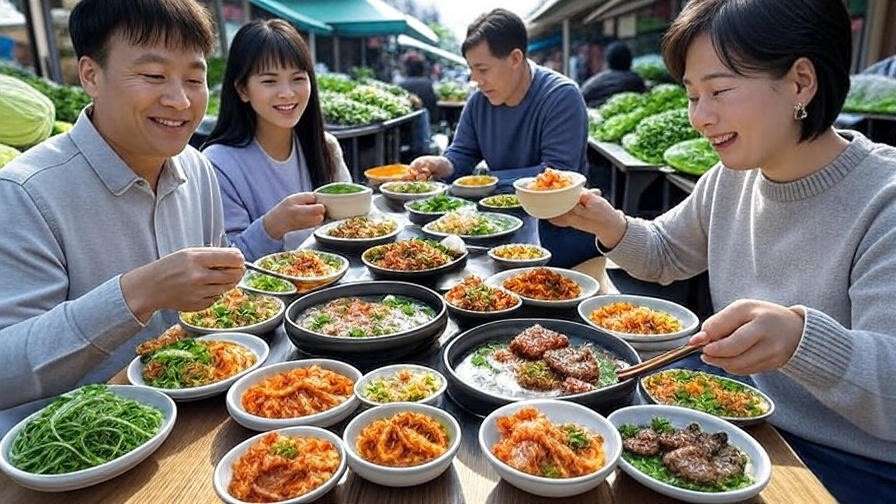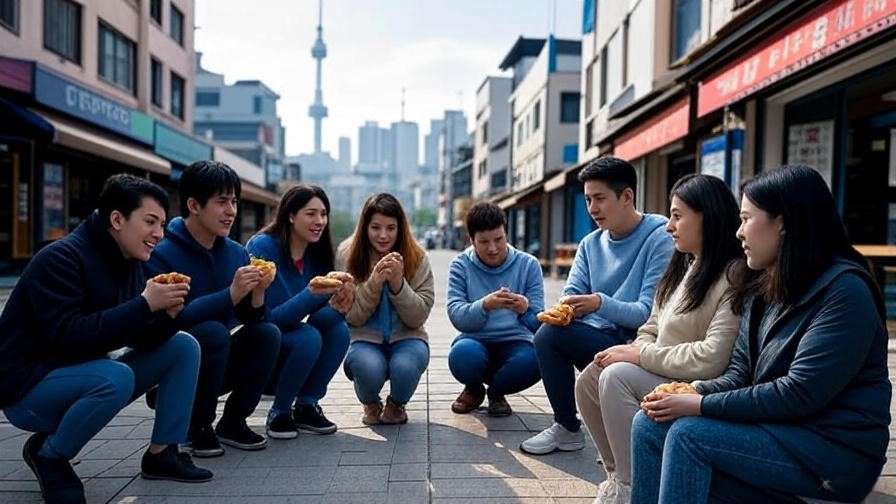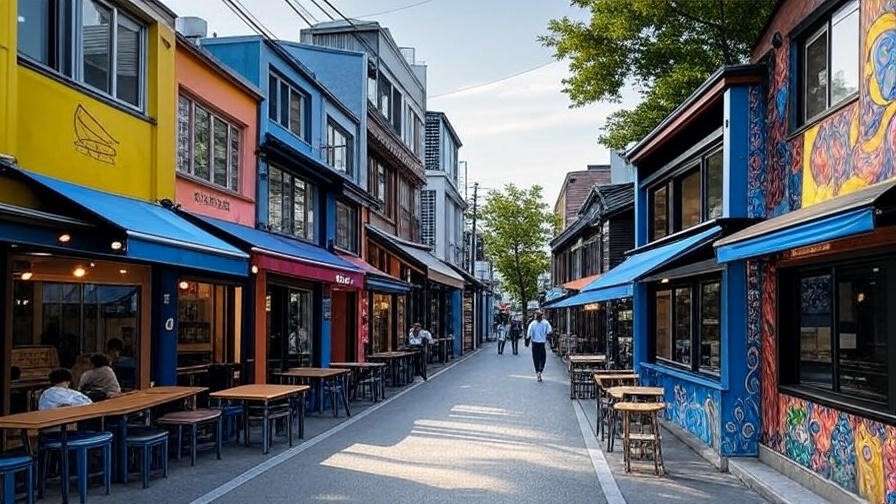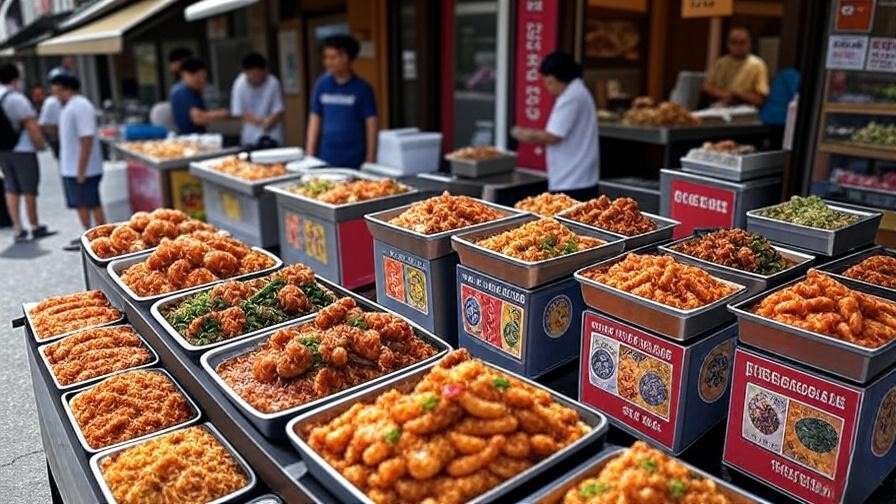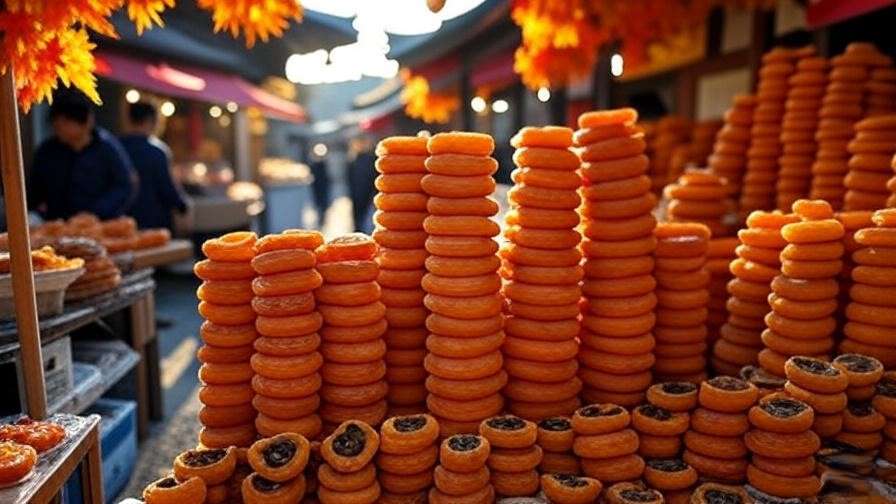

Imagine stepping into the heart of Busan, where the salty breeze from the sea mingles with the irresistible aroma of sizzling street food. Vendors call out, offering skewers of golden eomuk (fish cakes), while nearby restaurants serve steaming bowls of dwaeji gukbap, Busan’s soul-warming pork soup. For food lovers and travelers seeking authentic Korean cuisine, Busan food is a vibrant tapestry of coastal flavors, bold spices, and cultural heritage. This ultimate guide to Busan food unveils the city’s must-try dishes, iconic markets, and hidden gems, ensuring you experience the culinary soul of South Korea’s seaside gem. Drawing from extensive research, local chef insights, and personal explorations of Busan’s bustling food scene, this article offers practical tips and curated recommendations to make your food journey unforgettable.
Why Busan Food Stands Out in Korean Cuisine
A Melting Pot of Coastal and Cultural Influences
Busan, South Korea’s largest port city, is a culinary crossroads where the bounty of the sea meets Korea’s bold, spicy flavors. Its coastal location ensures an abundance of fresh seafood, from plump shrimp to succulent crab, shaping dishes like haemul pajeon (seafood pancakes) and raw fish platters enjoyed at Jagalchi Market. Historically, Busan’s role as a trading hub brought influences from Japan and beyond, evident in dishes like milmyeon, a chilled noodle dish with a unique wheat-based texture. According to Dr. Kim Soo-jin, a Korean food historian, “Busan’s cuisine reflects its openness to the world, blending local ingredients with global inspirations while staying true to Korean zest.”
The Role of Busan in Korean Food Culture
Busan isn’t just a city—it’s a culinary powerhouse that has shaped South Korea’s food landscape. Its fish cake industry, centered around eomuk, supplies much of the nation, while dishes like dwaeji gukbap have become beloved comfort foods nationwide. Busan’s vibrant food markets and innovative chefs continue to set trends, making it a pilgrimage site for foodies. Whether you’re savoring a bowl of spicy milmyeon or biting into a crispy ssiat hotteok, Busan’s cuisine offers a window into Korea’s soul.
Must-Try Busan Dishes and Where to Find Them
Milmyeon – Busan’s Iconic Cold Noodle Dish
Milmyeon, a refreshing dish of wheat noodles served in a chilled broth, is a Busan specialty perfect for hot summer days. Available in spicy (bibim milmyeon) or mild broth-based versions, it’s both cooling and flavorful, often topped with cucumber, egg, and beef. For an authentic experience, visit Gaya Milmyeon in Haeundae, where locals flock for its perfectly balanced broth. Alternatively, Nampo-dong’s Milmyeon House offers a cozy setting and customizable spice levels. Pro Tip: Ask for “maeun-ke” if you want an extra kick of spice, or “shiwon-han” for a milder flavor.
Dwaeji Gukbap – Hearty Pork Soup
Dwaeji gukbap, a rich pork broth with sliced pork and rice, is Busan’s ultimate comfort food, historically a staple for dock workers. Its cloudy, savory broth is served with side dishes like kimchi and green onions for layering flavors. Head to Songjeong Gukbap in Seomyeon for a classic rendition, or try Jeonpo Gukbap Alley for a variety of family-run spots. Each bowl tells a story of Busan’s working-class roots, making it a must-try for cultural immersion.
Ssiat Hotteok – Sweet Stuffed Pancakes
Unlike the standard hotteok found elsewhere in Korea, Busan’s ssiat hotteok is stuffed with a mix of seeds, nuts, and brown sugar, creating a crunchy, sweet treat. You’ll find vendors flipping these golden pancakes at Gukje Market, especially near the food stalls by the main entrance. Bite into one fresh off the griddle for a burst of caramelized sweetness. Local Insight: Chef Park Ji-hoon, a Busan native, notes, “Ssiat hotteok is a taste of childhood for many locals, blending nostalgia with bold flavors.”
Eomuk – Busan’s Famous Fish Cakes
Eomuk, or fish cakes, are a Busan staple, crafted from ground fish and served on skewers, in soups, or alongside tteokbokki (spicy rice cakes). Busan’s eomuk is renowned for its quality, with brands like Samjin Eomuk supplying stores nationwide. Visit Samjin Eomuk’s flagship store in Yeongdo for a museum-like experience and fresh samples, or grab a skewer at Bupyeong Night Market. Pair with a cup of warm eomuk broth for a quick, satisfying snack.
Exploring Busan’s Food Markets and Street Food Scene
Jagalchi Fish Market – A Seafood Lover’s Paradise
 Jagalchi Fish Market, Korea’s largest seafood market, is a sensory overload of glistening fish, lively vendors, and ocean aromas. Here, you can select your catch—think crab, octopus, or mackerel—and have it prepared sashimi-style or grilled at onsite restaurants. For a memorable meal, try Haeundae Sashimi Center upstairs, where you can customize your platter. Pro Tip: Visit in the morning for the freshest selection, and don’t hesitate to ask vendors about seasonal specialties like raw sea urchin in spring.
Gukje Market and Bupyeong Night Market
 For street food enthusiasts, Gukje Market and Bupyeong Night Market are unmissable. Gukje’s narrow alleys brim with stalls serving tteokbokki, mandu (dumplings), and ssiat hotteok, while Bupyeong comes alive at night with neon lights and sizzling grills. Plan a food crawl starting at Gukje for lunch, then head to Bupyeong for dinner. Must-tries include spicy odeng (another term for eomuk) and japchae (stir-fried glass noodles). Checklist: Bring cash, wear comfortable shoes, and arrive hungry to sample widely.
Practical Tips for Enjoying Street Food
Navigating Busan’s markets is thrilling but can be overwhelming. Most vendors accept cash, though some now take mobile payments like KakaoPay. Practice basic etiquette: avoid touching food unless purchasing, and thank vendors with a polite “gamsahamnida.” For hygiene, stick to busy stalls where food turnover is high. Download a translation app like Papago to decipher menus or ask questions. Downloadable Resource: A market food crawl checklist is available on our website, listing top stalls and phrases for ordering.
Hidden Gems: Off-the-Beaten-Path Eateries in Busan
Local Favorites Loved by Busan Residents
Beyond the tourist hotspots, Busan’s neighborhoods hide culinary treasures. Haeundae Haemul Pajeon House, tucked away in a quiet alley, serves crispy seafood pancakes bursting with shrimp and squid, paired with makgeolli (rice wine). In Seomyeon, Grandma’s Gukbap offers a homey dwaeji gukbap made from a decades-old family recipe. These spots, often overlooked by guidebooks, offer authentic flavors and warm hospitality, perfect for travelers seeking a local experience.
Unique Dining Experiences
 For something special, try Seaside BBQ at Gwangan Beach, where you grill fresh shellfish under the stars with the iconic Gwangan Bridge as your backdrop. Alternatively, Hanok Village Eatery in Gamcheon serves traditional Korean meals in a historic setting, complete with hanbok-clad staff. A traveler shared, “Dining at Hanok Village felt like stepping into a K-drama, with every dish telling a story.” These experiences blend food with Busan’s cultural charm.
Expert Insight
Local food blogger Min-ji Lee recommends Sujeong Sikdang in Yeongdo for its spicy octopus stew, a dish rarely found on tourist menus. “It’s where locals go for bold, authentic flavors,” she says. Pair it with soju for a true Busan night.
Pairing Busan Food with Korean Culture
Food in Korean Dramas Set in Busan
Busan’s vibrant food scene often steals the spotlight in Korean dramas, captivating audiences worldwide. In Hometown Cha-Cha-Cha, set in the fictional seaside town of Gongjin, characters bond over steaming bowls of haemul jjim (spicy seafood stew) and grilled fish, showcasing Busan’s coastal cuisine. Fans can recreate these moments at Haeundae Pocha, a seaside eatery offering similar dishes with ocean views. Another drama, Reply 1994, features Busan’s dwaeji gukbap as a symbol of home, with scenes of characters slurping hearty broth. Visit Songjeong Gukbap to taste the same comforting flavors. These connections make Busan food a gateway to K-drama culture, blending culinary and emotional experiences.
Festivals and Events Celebrating Busan Food
 Busan’s culinary calendar is packed with events that celebrate its food heritage. The Busan Sea Festival, held annually in August, features seafood tastings, cooking competitions, and beachside barbecues at Haeundae Beach. In October, the Jagalchi Cultural Tourism Festival transforms Jagalchi Market into a vibrant hub with fish auctions, street food stalls, and live cooking demos. For 2026, mark your calendar for October 10–12, when the festival is expected to draw thousands for its sashimi-cutting shows and eomuk tastings. These events offer a festive way to dive into Busan’s culinary soul.
Tip: Combine a festival visit with a trip to Gamcheon Culture Village, where colorful alleys and cafes serving ssiat hotteok create a perfect cultural-foodie day. Check the Korea Tourism Organization’s website for updated event schedules.
Practical Guide to Dining in Busan
Navigating Menus and Language Barriers
 Dining in Busan is a delight, but language barriers can pose challenges for non-Korean speakers. Many restaurants, especially in tourist areas like Haeundae, offer English or picture menus, but smaller eateries may not. Learn key phrases like “Igeo mwoyeyo?” (What is this?) or “Maepji anke haejuseyo” (Please make it less spicy). Apps like Naver Papago can translate menus in real-time by scanning photos. For a seamless experience, download our Busan Dining Phrasebook, available on our website, with 20 essential Korean phrases for foodies.
Budget-Friendly vs. High-End Dining
Busan caters to all budgets, from affordable street food to upscale dining. A day of street food at Gukje or Bupyeong markets can cost as little as $10–$20, with dishes like eomuk skewers ($1–$2) and tteokbokki ($3–$5). For a mid-range meal, restaurants like Milmyeon House offer full meals for $8–$15. High-end options, such as Silla Sashimi in Haeundae, serve premium raw fish platters for $50–$100, perfect for special occasions. Sample Budget: A day of mixed dining (street food lunch, mid-range dinner) averages $30–$40 per person, including drinks.
Dietary Considerations
Busan’s cuisine leans heavily on seafood and pork, but options for dietary restrictions are growing. Vegetarians can enjoy dishes like bibimbap (without meat) at Plant Vegan Cafe in Seomyeon or temple cuisine at Balwoo Gongyang Busan, which offers Buddhist-inspired vegan meals. Halal travelers can find certified options at Eid Halal Korean Restaurant in Nampo-dong, serving halal bulgogi and kimchi jjigae. Always confirm ingredients with staff, as some dishes may contain hidden fish sauce or broth. Tip: Call ahead to restaurants for special dietary requests, especially for vegan or halal needs.
How to Plan Your Busan Food Adventure
Creating a Food-Focused Itinerary
To maximize your Busan food experience, plan a 3-day itinerary blending iconic dishes, markets, and cultural sites:
- Day 1: Haeundae and Beachside Bites
- Morning: Savor milmyeon at Gaya Milmyeon and stroll Haeundae Beach.
- Afternoon: Visit Jagalchi Market for sashimi and explore nearby BIFF Square for street food.
- Evening: Enjoy seaside BBQ at Gwangan Beach Grill.
- Day 2: Markets and Street Food
- Morning: Start at Gukje Market for ssiat hotteok and mandu.
- Afternoon: Tour Gamcheon Culture Village, grabbing coffee and snacks at local cafes.
- Evening: Food crawl at Bupyeong Night Market, trying eomuk and tteokbokki.
- Day 3: Cultural and Culinary Immersion
- Morning: Visit Beomeosa Temple for a temple stay with vegan temple cuisine.
- Afternoon: Dine at Songjeong Gukbap for dwaeji gukbap.
- Evening: Join a cooking class at Busan Cooking School to learn milmyeon preparation.
Resource: Download our interactive Busan food map from our website, pinpointing all recommended spots.
Best Times to Visit for Foodies
Busan’s food scene shines year-round, but timing can enhance your experience. Autumn (September–November) brings fresh crab and mackerel, perfect for seafood lovers. Spring (March–May) offers sea urchin and early festivals. Summer is ideal for chilled dishes like milmyeon, while winter warms with hearty gukbap. Avoid peak holiday seasons (e.g., Chuseok in September) for smaller crowds at markets.
Booking Food Tours or Cooking Classes
For deeper immersion, join a guided food tour or cooking class. O’ngo Food Tours offers a 3-hour Jagalchi Market tour with tastings and chef-led demos ($60–$80). Busan Cooking School provides hands-on classes for dishes like haemul pajeon or eomuk soup ($50–$70). These experiences offer insider tips and cultural context, enriching your culinary journey. Book via their websites or platforms like Klook for deals.
FAQs About Busan Food
What are the must-try dishes in Busan?
Must-try dishes include milmyeon (chilled noodles), dwaeji gukbap (pork soup), ssiat hotteok (seed-stuffed pancakes), and eomuk (fish cakes). Each reflects Busan’s coastal and cultural flavors.
Are there vegetarian or vegan options in Busan?
Yes, try Plant Vegan Cafe for vegan bibimbap or Balwoo Gongyang Busan for temple cuisine. Confirm ingredients, as some dishes may include fish-based broths.
How can I find the best street food in Busan?
Head to Gukje or Bupyeong markets, choosing busy stalls for fresh, high-quality food. Look for vendors with long lines and check online reviews for top picks.
Is Busan food spicy?
Some dishes, like bibim milmyeon, are spicy, but many, like dwaeji gukbap, are mild. Request “maeun-ke” for spicy or “shiwon-han” for non-spicy versions.
What’s the best way to experience Busan’s food culture on a budget?
Stick to street food at markets ($1–$5 per dish) and mid-range restaurants ($8–$15). A day of eating can cost $20–$30 with smart choices.
Busan’s food scene is a delicious blend of coastal bounty, bold flavors, and cultural heritage, offering something for every foodie, from sizzling street food to refined seafood platters. This guide has armed you with everything you need—must-try dishes, market tips, hidden gems, and practical advice—to savor Busan’s culinary treasures. Whether you’re slurping milmyeon by the beach or grilling fish at Jagalchi, your food adventure will be a journey into the heart of Korean culture. Share your Busan food experiences with us using #BusanFoodJourney, and explore our related articles on K-dramas and Busan’s cultural landmarks for more inspiration.