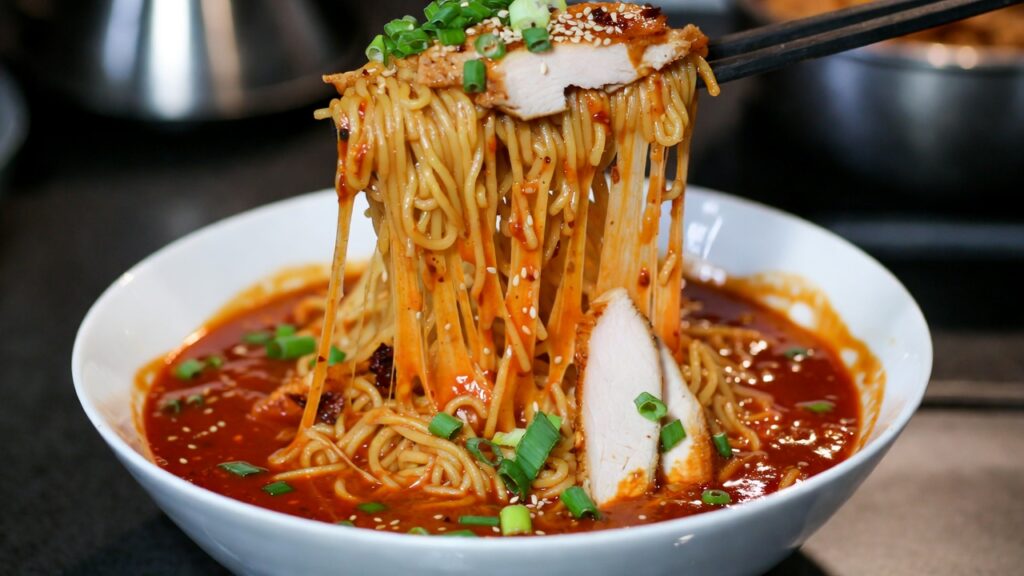
Have you ever watched someone take on the infamous Fire Noodle Challenge on YouTube or TikTok, tears streaming down their face while they power through a bowl of bright red, glossy noodles? That addictive mix of pain and pleasure is exactly what buldak ramen recipe delivers — Korea’s ultimate spicy sensation that’s taken the world by storm.
If you’re searching for the perfect buldak ramen recipe, you’re in the right place. Whether you’re a spice novice terrified of the heat or a seasoned chili-head craving more intensity, this comprehensive guide will help you master Korea’s fiery hot chicken noodles (buldak bokkeum myeon) at home. We’ll cover the authentic packet method, genius hacks to control (or amplify) the burn, popular variations like cheese and carbonara, and even a from-scratch homemade version using traditional Korean ingredients for deeper, more authentic flavor.
As someone deeply immersed in Korean culture — from the streets of Seoul to the latest K-drama food scenes — I’ve tested countless bowls and spoken with locals who grew up on this iconic dish. Let’s turn that intimidating red packet into your new favorite comfort food. 🔥🍜
Here are some stunning examples of perfectly prepared buldak ramen to inspire you:


What Is Buldak Ramen? A Quick Cultural Deep Dive
Buldak, literally translating to “fire chicken” in Korean (bul = fire, dak = chicken), originated as a real street-food dish in the early 2000s. During economic challenges, Koreans turned to intensely spicy foods for an endorphin rush — a phenomenon called maepbusim (spicy refreshment). Spicy grilled chicken pieces marinated in gochujang (fermented chili paste), gochugaru (Korean chili flakes), soy sauce, garlic, and sweeteners became a popular anju (drinking snack) and late-night bite.
In 2012, Samyang Foods revolutionized this by launching Buldak Bokkeum Myeon (Hot Chicken Flavor Stir-Fried Noodles), inspired by a sales team member’s lunch observation of fiery chicken. Unlike soupy instant ramyeon (Korean for ramen), buldak is a dry, stir-fried style — noodles boiled, drained, then tossed in a thick, glossy sauce for maximum cling and intensity.
The original clocks in at around 4,404 Scoville Heat Units (SHU) — hotter than a jalapeño (2,500–8,000 SHU) — sparking the viral Fire Noodle Challenge. Today, Samyang has sold billions of packs worldwide, with flavors expanding to cheese, carbonara, 2x/3x spicy, and more. It’s a cornerstone of Hallyu (Korean Wave), appearing in K-dramas, mukbangs, and even boosting Samyang’s global exports dramatically.
This isn’t just instant noodles — it’s a cultural emblem of Korea’s bold, fearless approach to flavor.
Here’s a look at the classic Samyang buldak ramen packet that started it all:

Ingredients You’ll Need (With Authentic Korean Substitutes)
For the classic packet-based version, start with one pack of Samyang Buldak (original, 2x spicy, cheese, etc.). Most come with noodles, sauce packet(s), and sometimes a topping like flakes or cheese powder.
Pantry Staples for Enhancement (to make it more authentic and flavorful):
| Ingredient | Purpose | Authentic Korean Substitute/Alternative | Notes |
|---|---|---|---|
| Gochujang | Deep, fermented umami heat | Use more if packet sauce is mild | Core of real buldak flavor |
| Gochugaru | Smoky, bright chili kick | Fine vs. coarse flakes | Adjust for extra spice |
| Mozzarella or American cheese | Creamy cooling contrast | Shredded mozzarella (melts best) | Iconic hack in Korea |
| Egg (yolk or whole) | Richness, creaminess | Fresh farm egg | For carbonara-style |
| Milk or heavy cream | Cuts capsaicin burn | Soy milk for dairy-free | Essential for beginners |
| Green onions, sesame seeds | Freshness, aroma | Chopped daepa (Korean leek) | Traditional topping |
| Honey or sugar | Balances heat | Korean rice syrup (jocheong) | Mimics original sauce sweetness |
| Garlic, soy sauce | Extra umami | Fresh minced garlic | For homemade upgrades |
Comparison Table: Packet vs. Upgraded Authentic
- Basic Packet: Quick, consistent, ultra-spicy (artificial chicken flavor).
- Upgraded Authentic: Deeper gochujang/gochugaru taste, customizable heat, less processed.
Step-by-Step: The Perfect Classic Buldak Ramen (Authentic Packet Method)
Koreans prefer bokkeum (stir-fried) over soupy for that signature glossy, chewy texture.
- Boil the noodles: Bring 600ml water to a rolling boil. Add noodles and cook for 5–6 minutes (al dente — don’t overcook!).
- Reserve water: Scoop out 3–4 tablespoons of starchy water before draining.
- Drain & stir-fry: Drain noodles well. In a hot pan or wok, add sauce packet(s). Toss noodles in over medium heat for 30–60 seconds until coated and glossy.
- Add toppings: Sprinkle flakes, sesame, green onions. Serve immediately!
Expert Tip: Stir-frying builds flavor — the sauce caramelizes slightly for authentic depth.
Here are step-by-step visuals of the cooking process:

Common Mistakes to Avoid:
- Over-boiling (mushy texture).
- Dumping all water — it dilutes sauce.
- Not stir-frying — sauce won’t cling properly.
Spice Control Hacks: How to Make Buldak Less (or More) Intense
The biggest barrier for many first-timers? That legendary burn. The original Buldak’s capsaicin level hits hard and fast, but the good news is you can customize the heat without sacrificing the signature sweet-spicy-umami profile that makes it addictive.
Quick Fixes for Beginners
- Use only half (or even a third) of the sauce packet — This is the simplest way to dial down intensity while keeping the flavor intact. Save the rest for next time or mix in gradually.
- Add dairy magic — Capsaicin is fat-soluble, so dairy neutralizes it beautifully. Stir in 2–3 tablespoons of milk, heavy cream, or soy milk while tossing the noodles. The result? Creamier texture and significantly reduced burn.
- Cheese is king — Melting mozzarella or processed cheese directly into the hot noodles creates the famous “cheese pull” effect Koreans love. It cools the palate instantly.
Here are some mouthwatering examples of cheese-enhanced Buldak with that irresistible pull:
Korean-Inspired Balance Techniques
- Sweet relief — Add ½–1 teaspoon of honey, sugar, or Korean rice syrup (jocheong) to the sauce. Sweetness confuses heat receptors, making the spice feel less aggressive.
- Acid counter — A squeeze of lemon, lime, or a dash of rice vinegar brightens the dish and cuts through the heat.
- Protein & veggies — Toss in scrambled egg, tofu, shredded cabbage, or carrots. They dilute the sauce concentration per bite.
For Spice Lovers: Amp It Up
- Double the gochugaru (Korean chili flakes) — Start with ½ teaspoon extra for smoky depth.
- Mix in a pinch of ghost pepper powder or fresh Thai chilies if you’re chasing the next level.
- Try the 2x or 3x Spicy variants straight — they’re designed for true heat seekers.
With these hacks, anyone can enjoy Buldak comfortably.
Popular Variations & Upgrades
Once you’ve mastered the classic, it’s time to explore the creative world of Buldak upgrades that have become sensations in Korea and beyond.
Cheese Buldak – The Ultimate Korean Comfort Hack
This variation exploded in popularity thanks to mukbangs and K-pop idols.
- Prepare classic Buldak as above.
- In the last 30 seconds of stir-frying, add ½–¾ cup shredded mozzarella.
- Cover briefly to melt, then stir for gooey perfection.
Here’s that glorious cheese pull in action:

Creamy Carbonara Buldak
A fan-favorite fusion that tones down heat with richness.
- Use the Carbonara packet if available, or hack the original:
- Add 1 egg yolk + 2 tbsp heavy cream + grated parmesan/pecorino.
- Stir off-heat to create silky sauce.
- Top with crispy bacon bits or Korean sausage.
Indulgent and creamy perfection:
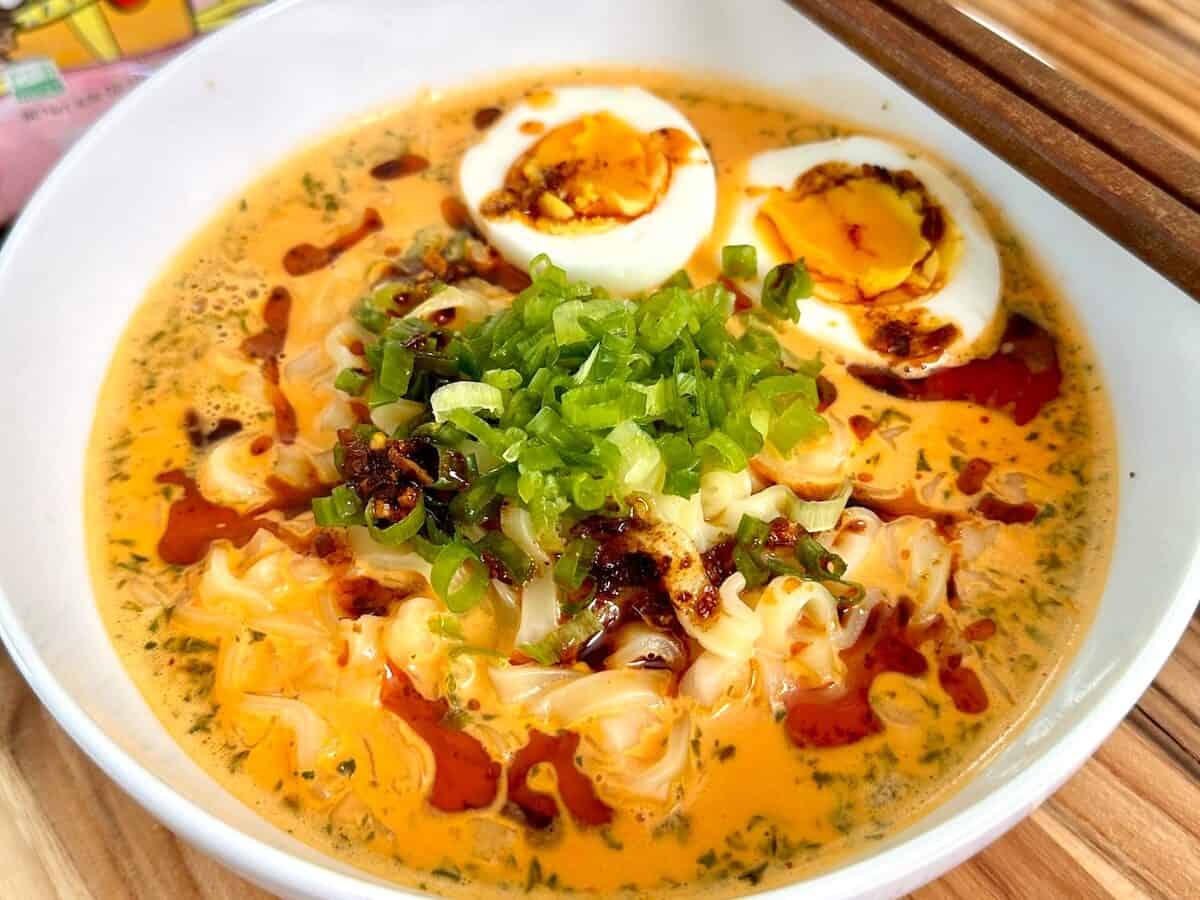

Rose Buldak (Creamy Tomato-Spicy)
A trendy modern Korean twist: Mix in tomato paste or passata + cream for a rosy hue and milder heat.
Homemade Authentic Buldak from Scratch (The Skyscraper Upgrade)
Skip the packet for full control and deeper flavor. This version uses real Korean ingredients for an authentic buldak dakgalbi-inspired taste.
Ingredients (serves 2)
- 200g fresh or dried ramen noodles
- 2 tbsp gochujang
- 1–2 tbsp gochugaru (adjust for heat)
- 2 tbsp soy sauce
- 1 tbsp oyster sauce
- 1 tbsp honey or sugar
- 3 garlic cloves, minced
- 1 tsp sesame oil
- ½ cup chicken stock or water
- Optional: 150g sliced chicken breast, stir-fried first
- Toppings: mozzarella, egg, green onions
Steps
- Make sauce: Mix gochujang, gochugaru, soy, oyster, honey, garlic, sesame oil.
- Cook chicken (if using) in a wok, then add sauce + stock. Simmer until thick.
- Boil noodles separately, drain, toss into sauce.
- Finish with cheese/egg.
This homemade version tastes fresher, less artificial, and lets you fine-tune every element.
Here are beautiful examples of from-scratch Buldak:
Best Toppings & Pairings for the Full Korean Experience
Toppings are where Buldak truly becomes a personalized Korean comfort dish. In Korea, people often treat instant noodles like a canvas — adding fresh, crunchy, creamy, or tangy elements to balance the fire.
Traditional & Authentic Toppings
- Soft-boiled or jammy egg — The classic ramen companion. The runny yolk mixes into the sauce, creating silky richness that tempers the spice beautifully.
- Chopped green onions (pa) — Adds freshness and a mild onion bite. Koreans often use daepa (large green onions) for extra crunch.
- Toasted sesame seeds — A sprinkle right at the end brings nutty aroma and subtle texture.
- Roasted seaweed (gim) — Crumble a sheet on top for umami and a slight salty contrast.
Modern & Viral Favorites
- Extra cheese pull — Beyond just melting mozzarella, try a mix of mozzarella and cheddar for stretchier results.
- Kimchi — Finely chopped, slightly fermented kimchi adds tangy acidity and probiotic goodness — a very Korean way to cut through richness.
- Crispy fried onions or shallots — For texture contrast, popular in newer Korean home-cooking trends.
- Pickled radish (danmuji) — The bright yellow slices are a staple side with spicy Korean foods; they cleanse the palate between fiery bites.
Perfect Pairings & Sides
- Cold milk — The undisputed Korean antidote to spice. Many people keep a tall glass nearby and take sips between bites.
- Steamed rice — Mix leftover sauce into a small bowl of hot rice for “sauce-jjim” (sauce-soaked rice) — a beloved Korean hack.
- Pickled sides — Danmuji, kkakdugi (cubed radish kimchi), or even simple cucumber pickles.
- Drinks — Sikhye (sweet rice punch) for cooling sweetness, or makgeolli (rice wine) for a traditional anju pairing.
Here are some beautifully topped bowls that show the full Korean Buldak experience:
Expert Insights & Pro Tips from Korean Food Culture
- The science of maepbusim — Koreans believe spicy food triggers endorphin release, creating a refreshing, almost euphoric feeling after the initial burn. That’s why Buldak is so addictive — it’s spicy therapy!
- How K-dramas & idols made it explode — Scenes of characters eating spicy noodles late at night (often with cheese or egg) in dramas like Crash Landing on You and Itaewon Class turned Buldak into a cultural icon.
- Storage & reheating — Cooked Buldak is best eaten fresh. If you have leftovers, reheat gently in a pan with a splash of water — never microwave, as it makes noodles soggy.
- Nutritional perspective — One pack provides quick carbs and energy (great for late-night studying or gaming), but it’s high in sodium. Balance with veggies and protein when possible.
- Pro timing tip — Always have all toppings and sides ready before you start cooking. The dish cools quickly, and the sauce thickens fast.
Frequently Asked Questions (FAQ)
Is Buldak ramen too spicy for beginners? Yes, the original can be intense, but start with half the sauce packet, add lots of cheese/milk, and build up gradually. Most people find it manageable after 2–3 tries.
What’s the difference between the flavors?
- Original: Pure fire chicken heat
- 2x Spicy: Noticeably hotter
- Cheese: Milder, creamier
- Carbonara: Rich, eggy, less aggressive
- 3x Spicy / Quattro Cheese / Light: For extreme heat seekers or those wanting lower calories
Can I make it less spicy without losing flavor? Absolutely — use less sauce, add dairy, honey, or extra umami ingredients like gochujang/soy sauce. The homemade version gives you the most control.
Is there a good homemade version without packets? Yes! The from-scratch recipe above uses real gochujang and gochugaru for deeper, more authentic flavor with adjustable heat.
How do Koreans usually eat Buldak? Stir-fried (not soupy), with cheese/egg, and always with cold milk or rice on the side. It’s often a solo late-night snack or shared challenge with friends.
Conclusion
Mastering the authentic buldak ramen recipe is more than just cooking instant noodles — it’s stepping into a vibrant piece of modern Korean food culture. From the viral Fire Noodle Challenge to the comforting ritual of balancing fire with cheese, egg, and cold milk, Buldak represents Korea’s fearless love of bold flavors and communal joy around food.
Whether you stick to the packet method with smart hacks, go full cheese-pull indulgence, or create your own from-scratch version, you now have all the tools to make it perfectly suited to your taste.
So grab a pack (or ingredients for homemade), turn up your favorite K-drama or playlist, and dive in. Your first perfect bowl of Korea’s fiery hot chicken noodles awaits.
How spicy do you like your Buldak? Drop your favorite variation in the comments — I’d love to hear! 🔥🍜
And if you enjoyed this deep dive into Korean food culture, subscribe for more authentic recipes, Hallyu-inspired dishes, and cultural insights straight from the heart of Korea.