
Picture yourself wandering through Jeju Island’s volcanic trails, the air fragrant with cherry blossoms, as you uncover the island’s rich Korean heritage—from the fearless Haenyeo divers to ancient shamanic rituals. But when is the best time to visit Jeju Island to experience this cultural paradise at its finest? As a UNESCO World Heritage site and a beloved backdrop for K-dramas like Crash Landing on You, Jeju offers a unique blend of natural beauty and cultural depth. This guide, crafted with insights from local experts and extensive travel experience, will help you pinpoint the perfect season for your Jeju adventure. Whether you’re drawn to vibrant festivals, serene hikes, or authentic cuisine, we’ll explore every angle to ensure your trip is unforgettable.
Why Jeju Island Is a Must-Visit for Korean Culture Lovers
A Cultural Treasure Trove
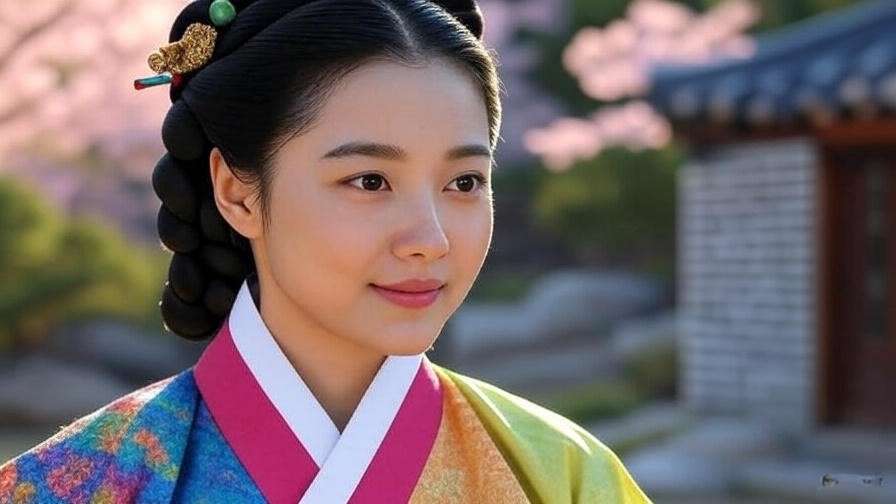
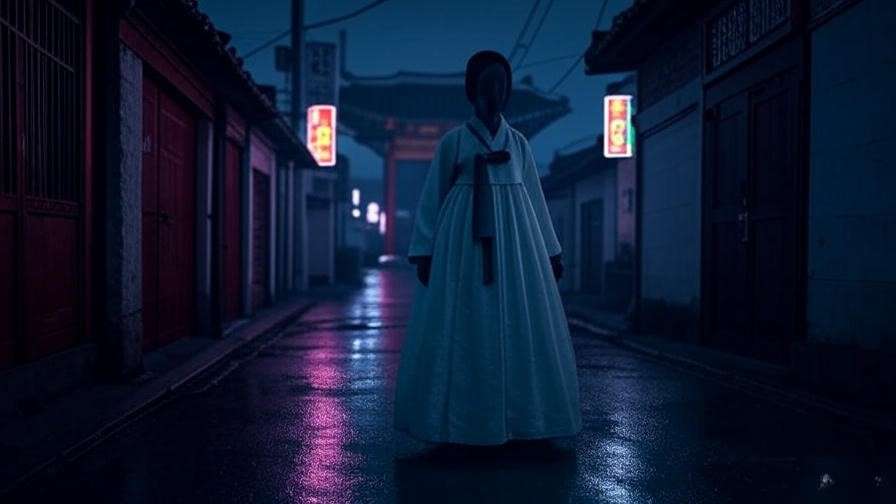
Jeju Island is more than a scenic getaway; it’s a living museum of Korean traditions. The Haenyeo, women divers who harvest seafood without oxygen tanks, embody Jeju’s resilient spirit, a practice recognized by UNESCO as Intangible Cultural Heritage. Their demonstrations, often held at places like Seongsan Ilchulbong, offer a glimpse into a vanishing way of life. Add to that the island’s shamanic rituals, like the Chilmeori Festival, and you’ll find a cultural depth that resonates with Korea’s ancient roots. According to Dr. Kim Hye-jin, a Jeju-based cultural historian, “Jeju’s traditions are most vibrant during specific seasons, making timing key to a meaningful visit.”
K-Drama and Pop Culture Connection
For Hallyu fans, Jeju is a pilgrimage site. Iconic K-dramas such as Crash Landing on You and Welcome to Samdal-ri were filmed at spots like Seopjikoji and Udo Island, where rolling hills meet turquoise seas. Visiting these locations feels like stepping into a K-drama set, especially during quieter seasons when you can soak in the atmosphere without crowds. The island’s pop culture appeal also extends to music videos and variety shows, making it a hotspot for fans seeking to connect with Korea’s modern cultural wave.
UNESCO Recognition
Jeju’s volcanic landscapes, including the Manjanggul Lava Tubes and Mount Hallasan, earned it UNESCO World Heritage status in 2007. These natural wonders intertwine with cultural sites like the Jeju Stone Park, which celebrates the island’s mythology through sculptures and exhibits. The unique blend of nature and heritage makes Jeju a global destination, but the experience varies by season, as we’ll explore below.
Understanding Jeju’s Seasons: A Breakdown for Travelers
Jeju’s climate is subtropical, offering distinct experiences across its four seasons. Here’s a detailed look to help you choose the ideal time for your cultural journey.
Spring (March-May)

- Weather: Mild temperatures (10-20°C), occasional showers, and blooming cherry blossoms.
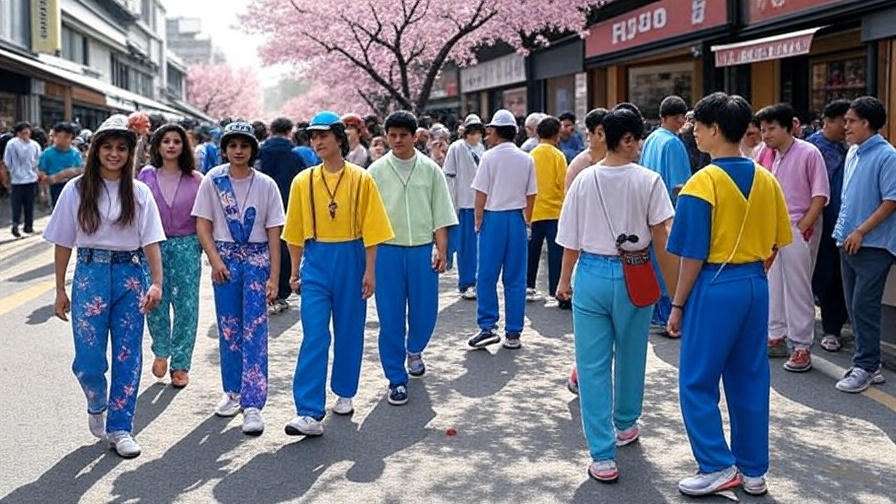
- Cultural Highlights: The Jeju Cherry Blossom Festival in April draws visitors to Jeju City’s streets, where pink petals create a dreamy backdrop. Traditional tea ceremonies at O’sulloc Tea Museum are also a springtime favorite.
- Pros: Vibrant scenery, moderate crowds, and perfect hiking conditions for Seongsan Ilchulbong or Hallasan.
- Cons: Rain can disrupt outdoor plans, and accommodations spike during peak bloom (early April).
- LSI Keywords: Cherry blossom season, Jeju spring festivals, hiking in Jeju.
Summer (June-August)
- Weather: Warm and humid (20-30°C), with occasional typhoons in late summer.
- Cultural Highlights: The Jeju Water Festival celebrates the island’s maritime heritage, while Haenyeo diving demonstrations are in full swing at coastal villages.
- Pros: Lush greenery, vibrant nightlife, and beach activities at Hyeopjae or Jungmun.
- Cons: Crowds swell, prices rise, and typhoons can disrupt travel in August.
- LSI Keywords: Jeju summer activities, Haenyeo culture, beach destinations.
Autumn (September-November)

- Weather: Cool and crisp (15-25°C), with stunning fall foliage across Hallasan and the Olle Trails.
- Cultural Highlights: The Jeju Olle Walking Festival in October offers guided walks through cultural sites, while harvest festivals showcase local produce like tangerines.
- Pros: Ideal for hiking, fewer tourists, and vibrant autumn colors.
- Cons: Shorter days and cooler evenings require layered clothing.
- LSI Keywords: Jeju autumn festivals, fall foliage, cultural hiking trails.
Winter (December-February)

- Weather: Cold but mild (0-10°C), with occasional snow on Hallasan.
- Cultural Highlights: The Jeju Fire Festival in March (technically early spring) celebrates agricultural traditions, while winter brings Seollal (Lunar New Year) festivities.
- Pros: Fewer crowds, lower accommodation costs, and unique winter landscapes.
- Cons: Limited outdoor activities and colder weather may deter some travelers.
- LSI Keywords: Jeju winter travel, Seollal celebrations, budget travel.
| Season | Weather | Key Events | Crowd Levels | Best For |
|---|---|---|---|---|
| Spring | 10-20°C, rainy | Cherry Blossom Festival | Moderate | Hiking, festivals |
| Summer | 20-30°C, humid | Water Festival, Haenyeo demos | High | Beaches, nightlife |
| Autumn | 15-25°C, crisp | Olle Walking Festival | Low-Moderate | Hiking, cultural immersion |
| Winter | 0-10°C, snowy | Fire Festival, Seollal | Low | Budget travel, unique landscapes |
The Best Time to Visit Jeju Island for Cultural Experiences
Spring for Cherry Blossoms and Festivals
Spring is a top contender for the best time to visit Jeju Island, especially for culture lovers. The Cherry Blossom Festival transforms Jeju City into a pink wonderland, perfect for photography and cultural immersion. Visit the O’sulloc Tea Museum for tea-making workshops, or explore hanok villages like Seongeup Folk Village to see traditional architecture in bloom. According to Park Soo-min, a local guide, “Spring’s mild weather makes it ideal for cultural tours, as you can comfortably explore outdoor sites without summer’s humidity.”
- Must-Do: Attend a traditional tea ceremony or hike Seongsan Ilchulbong at sunrise for breathtaking views.
Autumn for Cultural Immersion
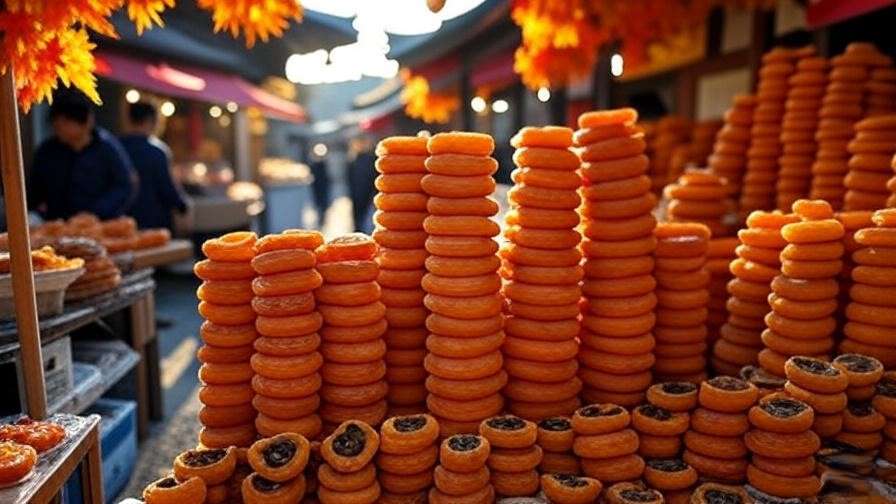
Autumn rivals spring as the best time to visit, offering crisp weather and fewer crowds. The Jeju Olle Walking Festival invites travelers to trek scenic trails dotted with cultural landmarks, from stone walls to historic shrines. Harvest season brings local markets to life, where you can sample Jeju’s famous black pork and tangerines. “Autumn is when Jeju’s rural charm shines,” says Lee Ji-young, a Haenyeo diver. “The cooler weather and vibrant colors make every cultural experience feel authentic.”
- Must-Do: Join an Olle Trail walk or visit Dongmun Market for seasonal delicacies.
Why Summer and Winter Might Not Be Ideal
Summer’s crowds and humidity can overwhelm cultural explorers, though it’s great for beachgoers and nightlife enthusiasts. Winter, while budget-friendly, limits outdoor activities due to cold weather, but it’s perfect for those seeking solitude or Seollal celebrations. If you’re prioritizing cultural depth, spring and autumn offer the best balance of weather, events, and accessibility.
Planning Your Trip Around Jeju’s Cultural Events
Major Cultural Festivals
Jeju’s festival calendar is packed with cultural gems:
- Jeju Cherry Blossom Festival (April): A celebration of spring with street performances and local food stalls.
- Jeready Haenyeo Festival (September): Honors the female divers with demonstrations and cultural exhibits.
- Jeju Fire Festival (March): Features fire-lighting ceremonies tied to agricultural traditions.
- Jeju Olle Walking Festival (October): Combines scenic hikes with cultural storytelling.
Booking tickets or guided tours in advance ensures you experience these events without the hassle of crowds.
K-Drama Filming Locations
Jeju’s cinematic landscapes are a draw for K-drama fans. Visit Seopjikoji, where Crash Landing on You was filmed, or Udo Island, featured in Welcome to Samdal-ri. Spring or autumn visits mean fewer tourists, allowing you to enjoy these spots at a leisurely pace.
Local Markets and Cuisine
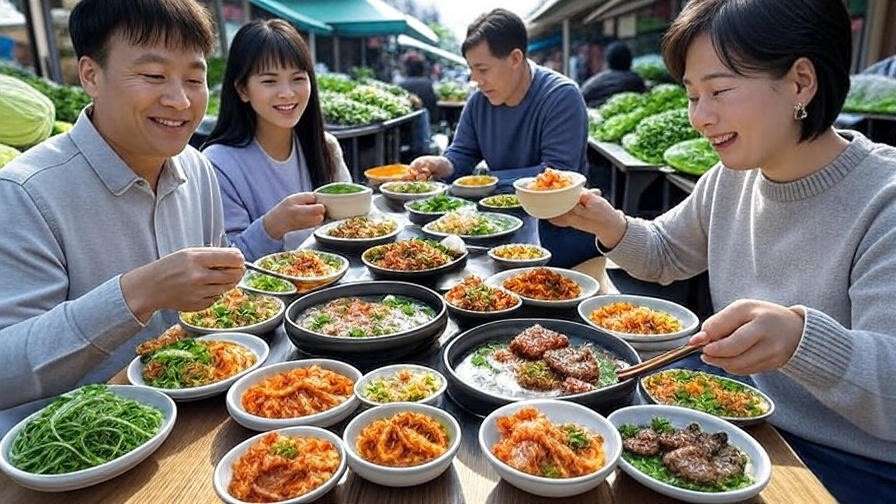
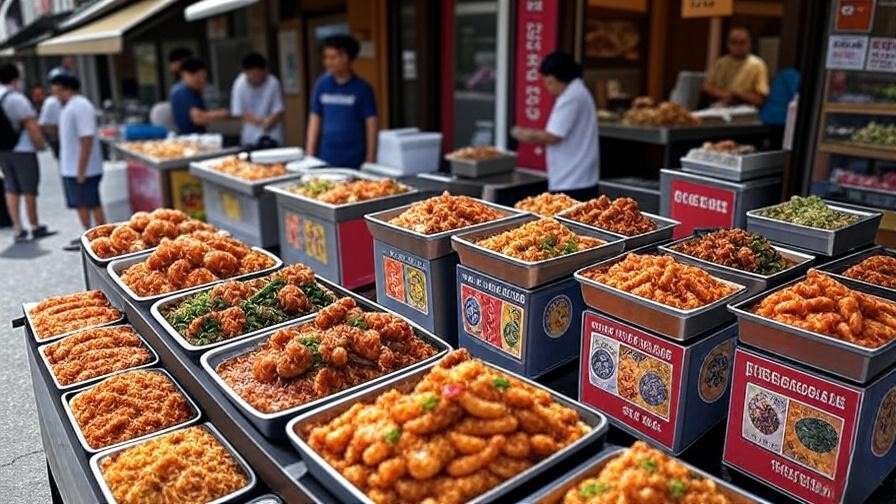
Jeju’s cuisine is a cultural highlight. In autumn, try fresh tangerines and black pork at Dongmun Market. Summer offers abundant seafood, while winter brings hearty stews. Visiting markets like Seogwipo Maeil Olle Market connects you to local life and flavors.
- Tip: Reserve a spot for a black pork BBQ dinner at a traditional restaurant for an authentic taste of Jeju.
Practical Tips for Visiting Jeju Island
 Getting There and Around
Jeju International Airport is the main gateway, with frequent flights from Seoul (1 hour) and Busan. Ferries from Mokpo or Busan are scenic but slower (4-5 hours). On the island, rent a car for flexibility or use the reliable bus system to reach cultural sites.
Where to Stay
For cultural immersion, book a hanok stay in Seongeup Folk Village or a boutique hotel near Jeju City. Budget travelers can find guesthouses in Seogwipo, while luxury seekers might prefer resorts near Jungmun Beach.
Packing for the Season
- Spring/Summer: Pack light clothing, a rain jacket, and comfortable shoes for hiking.
- Autumn: Bring layers for cooler evenings and sturdy boots for Olle Trails.
- Winter: Include a warm coat and scarf, especially for Hallasan hikes.
Budgeting for Your Trip
Spring and summer are pricier due to demand, with hotel rates 20-30% higher. Autumn and winter offer savings, especially on accommodations and flights. Dining at local markets keeps food costs low, with meals averaging $5-10.
- Checklist: Book flights early, reserve festival tickets, and plan hikes with a licensed guide for safety.
Common Mistakes to Avoid When Visiting Jeju
Overlooking Weather Impacts
Summer typhoons can cancel ferries or outdoor tours, so check forecasts and have backup plans. Spring showers require waterproof gear to avoid dampened spirits.
Missing Cultural Etiquette
Respect sacred sites like shamanic shrines by avoiding loud behavior or photography without permission. During festivals, follow local guides’ instructions to honor traditions.
Overcrowded Peak Seasons
Avoid July-August for cultural trips, as crowds at popular sites like Manjanggul Cave can detract from the experience. Opt for shoulder seasons (spring/autumn) for a more authentic visit.
- Expert Tip: “Plan weekday visits to cultural sites to avoid weekend crowds,” advises Kim Min-soo, a Jeju tour operator.
FAQs About Visiting Jeju Island
When is the cheapest time to visit Jeju Island?
Winter (December-February) offers the lowest prices on flights and accommodations, with fewer tourists.
What’s the best season for hiking Hallasan?
Autumn (September-November) provides cool weather and stunning foliage, ideal for Hallasan’s trails.
Are there family-friendly cultural activities in Jeju?
Yes, try the Jeju Folk Village for interactive exhibits or the Teddy Bear Museum for kids.
How many days should I spend in Jeju to experience its culture?
A 4-5 day trip allows time for festivals, markets, and key sites like Seongsan Ilchulbong.
Is Jeju Island worth visiting in winter?
Absolutely, for budget travelers and those interested in Seollal or the Fire Festival, though outdoor activities are limited.
For Korean culture lovers, the best time to visit Jeju Island is spring (March-May) or autumn (September-November), when mild weather, vibrant festivals, and fewer crowds create the perfect backdrop for cultural immersion. From cherry blossoms to Haenyeo demonstrations, Jeju offers a unique blend of tradition and natural beauty. Use this guide to plan your trip around your interests—whether it’s hiking Hallasan, exploring K-drama locations, or savoring black pork at local markets. Share your Jeju experiences in the comments, or ask us for personalized tips to make your trip unforgettable!