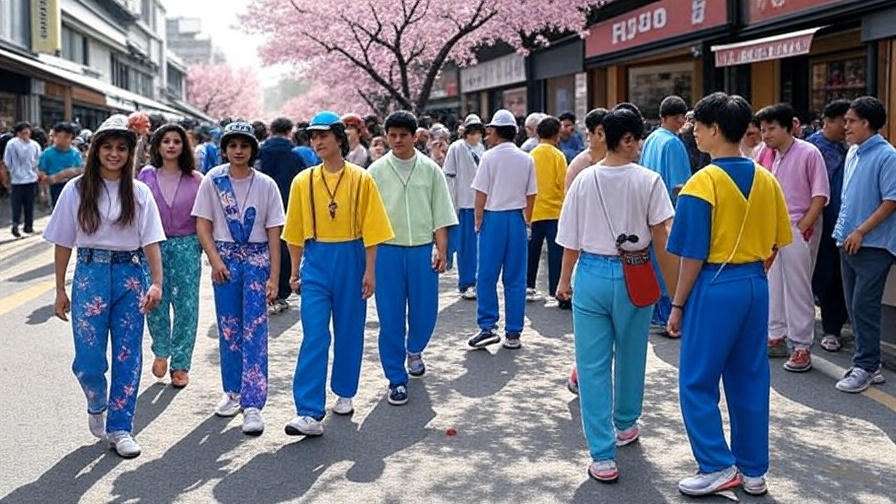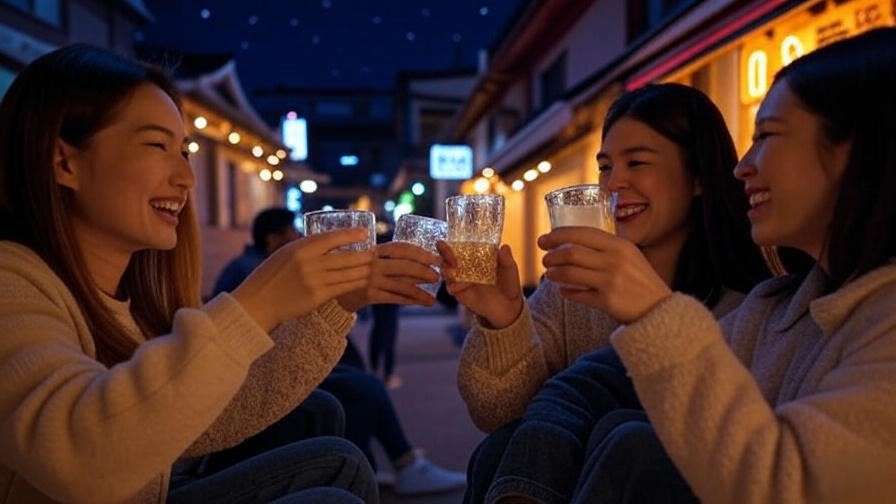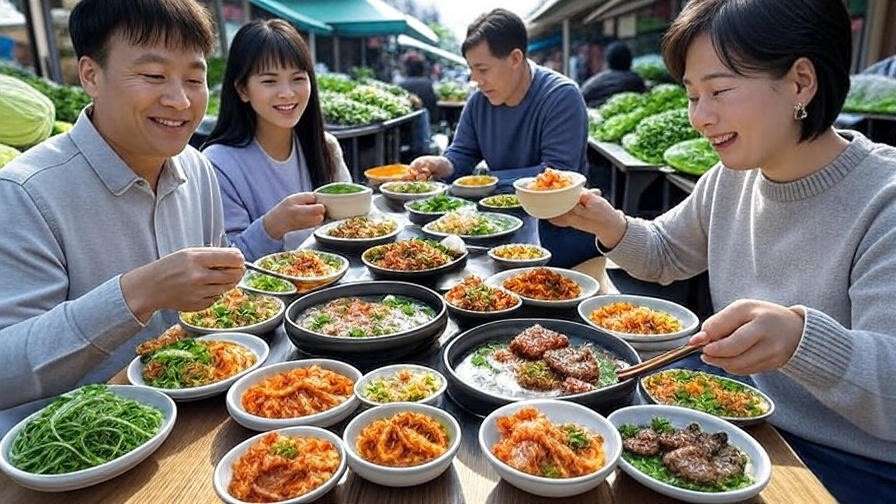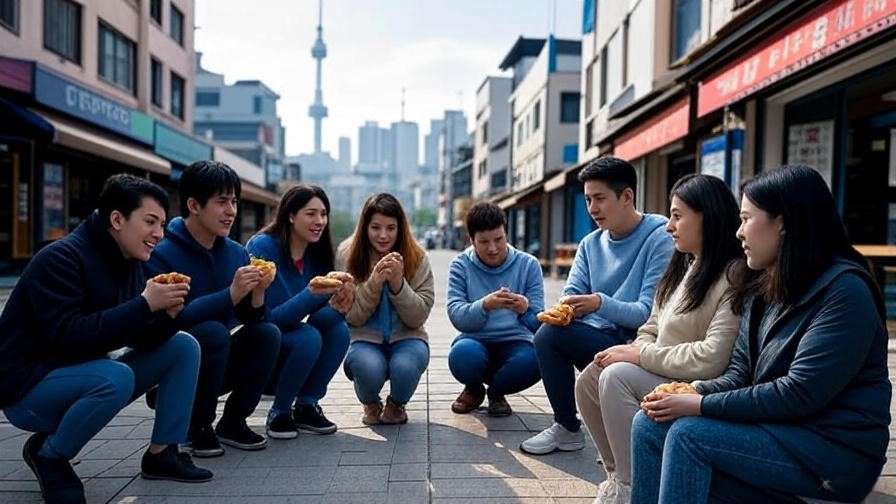

Imagine standing amid vibrant cherry blossoms, capturing the intricate beauty of a 600-year-old palace, or framing a neon-lit Seoul skyline that pulses with K-drama energy. South Korea in 2024 is a photographer’s dream, where every corner—from ancient temples to modern cityscapes—offers a frame-worthy moment. If you’re planning the best pictures tour Korea 2024, this guide is your ultimate resource for capturing stunning shots that blend culture, nature, and cinematic allure. Whether you’re a professional photographer or an Instagram enthusiast, Korea’s landscapes and cultural landmarks, popularized by K-pop and K-dramas like Crash Landing on You, provide endless inspiration. As someone who’s spent years exploring Korean culture and collaborating with local photographers, I’ve curated the top spots, tips, and insights to help you create unforgettable images.
This article delivers a comprehensive itinerary, practical photography advice, and cultural know-how to ensure your photos stand out. From Seoul’s historic palaces to Jeju’s volcanic vistas, let’s dive into the ultimate guide for your 2024 Korea photography adventure.
Why Korea is a Top Photography Destination in 2024
The Influence of Korean Culture on Global Photography Trends
South Korea’s global cultural influence, driven by the Hallyu wave, has made it a magnet for photographers. K-dramas like Goblin and Itaewon Class showcase breathtaking locations, from quaint hanok villages to sleek urban rooftops, inspiring travelers to capture these scenes themselves. K-pop music videos, like BTS’s Dynamite or BLACKPINK’s How You Like That, highlight vibrant streets and coastal backdrops, fueling Instagram and TikTok trends. In 2024, Korea’s blend of tradition and modernity—think ancient temples juxtaposed with futuristic skyscrapers—creates a unique canvas for photographers seeking diverse aesthetics.
Seasonal Highlights for Photography in 2024
Korea’s four distinct seasons offer varied photographic opportunities. Spring (March–May) brings cherry blossoms and azaleas, perfect for soft, colorful shots. Summer (June–August) offers lush greenery and vibrant festivals like the Boryeong Mud Festival. Autumn (September–November) stuns with fiery red and orange foliage, especially in national parks. Winter (December–February) delivers snowy landscapes and festive lights, ideal for moody, dramatic photos. In 2024, expect special events like the Seoul Lantern Festival (November) and Jeju Fire Festival (March), which provide dynamic subjects for event photography.
Expert Insight: “Korea’s seasonal diversity is unmatched,” says Min-ji Park, a Seoul-based travel photographer. “Each season transforms the same location into a new visual story, making it a year-round destination for photographers.”
Planning Your Best Pictures Tour in Korea 2024
Best Time to Visit for Photography
Timing your trip is crucial for capturing Korea’s beauty. April is ideal for cherry blossom shots at Jinhae or Yeouido, where soft pink petals create dreamy backdrops. October offers crisp weather and vibrant autumn leaves in places like Naejangsan National Park. For urban night photography, visit Seoul in December for festive lights and clear skies. Check weather apps like AccuWeather for optimal lighting conditions, as Korea’s weather can be unpredictable. Avoid the rainy season (late June–July) for outdoor shoots to ensure clear shots.
Essential Gear for Stunning Korea Photos
Your gear depends on your photography style, but versatility is key. A DSLR or mirrorless camera (e.g., Sony A7 III) with a 24-70mm lens is ideal for landscapes and portraits. Wide-angle lenses (16-35mm) excel for palaces and cityscapes, while a 50mm prime lens is perfect for street photography. Bring a sturdy tripod for long-exposure shots of waterfalls or city lights. For mobile photographers, devices like the iPhone 14 Pro or Samsung Galaxy S23 offer excellent dynamic range. Don’t forget extra batteries, memory cards, and a portable charger for long shooting days.
Tip: Use a polarizing filter to reduce glare on water or glass, especially for coastal shots in Busan or Jeju.
Cultural Etiquette for Photographers
Respecting Korean culture ensures better interactions and access to authentic moments. Always ask permission before photographing people, especially at sacred sites like temples. At Gyeongbokgung, avoid stepping on restricted areas when shooting. Dress modestly at cultural sites, and be mindful of signage prohibiting photography (e.g., inside Seokguram Grotto). Learn basic Korean phrases like “사진 찍어도 괜찮아요?” (“Is it okay to take a photo?”) to build rapport with locals.
Top Must-Visit Photography Spots in South Korea
Seoul – Urban and Cultural Gems
Gyeongbokgung Palace
This iconic palace, built in 1395, is a must for capturing Korea’s heritage. Photograph the changing of the guard ceremony at 10 AM or 2 PM for vibrant action shots. Rent a hanbok for portraits against the palace’s wooden architecture and tiled roofs. Early mornings offer soft light and fewer crowds. Use a wide-angle lens to capture the grandeur of Gwanghwamun Gate.
Bukchon Hanok Village
Bukchon’s traditional hanok houses, with their curved roofs and wooden frames, are perfect for cultural photography. Shoot from uphill angles to frame houses against modern Seoul’s skyline. Visit at sunrise to avoid crowds and capture golden-hour light. Be respectful—many homes are private residences.
N Seoul Tower
 For panoramic cityscapes, head to N Seoul Tower atop Namsan Mountain. Night shots of Seoul’s twinkling lights are stunning with a tripod and long exposure (f/8, 10-30 seconds). Daytime shots highlight the city’s mix of modern and traditional elements. Cable cars provide easy access.
Busan – Coastal and Modern Vibes
Haeundae Beach
Busan’s famous beach is ideal for sunrise and sunset shots. Capture the golden glow reflecting off the water with a slow shutter speed (1/10 second). Frame the Gwangan Bridge in the background for dynamic compositions. Summer evenings offer lively street photography opportunities.
Gamcheon Culture Village
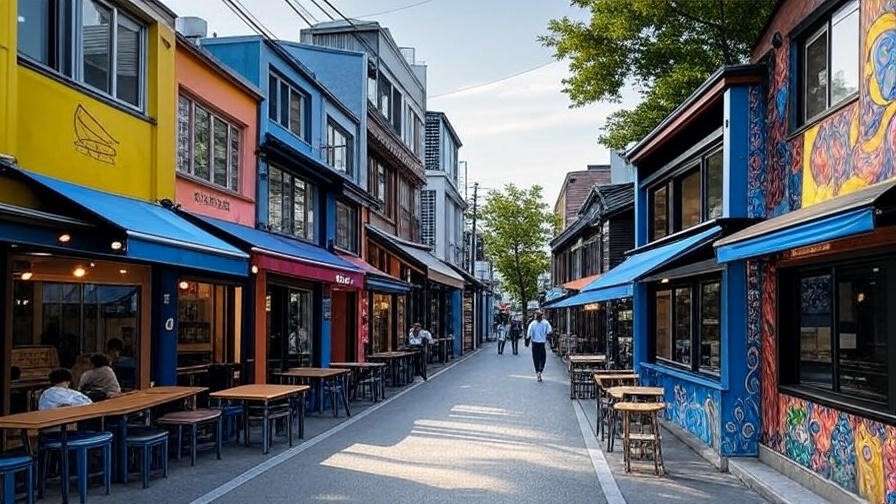
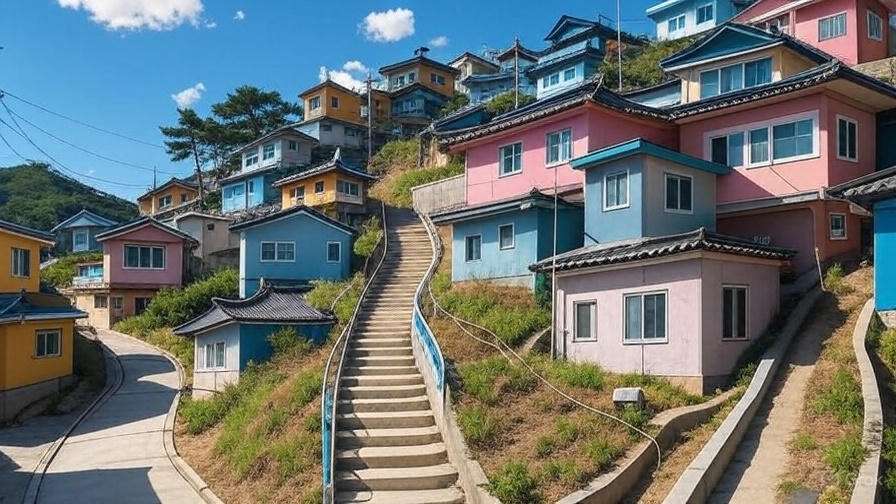 Known as “Korea’s Santorini,” Gamcheon’s colorful houses create vibrant photo opportunities. Use a telephoto lens to isolate details like murals or staircases. Shoot during late afternoon for warm, even lighting. Explore side alleys for unique perspectives.
Jeju Island – Nature’s Masterpiece
Seongsan Ilchulbong (Sunrise Peak)
 This UNESCO World Heritage Site is a volcanic tuff cone with dramatic cliffs. Hike to the top at dawn for sunrise shots over the crater and ocean. Use a wide-angle lens to capture the expansive landscape. Tripods are essential for steady shots in windy conditions.
Udo Island
Udo’s serene beaches and peanut fields offer tranquil photo ops. Capture the iconic Seobin Baeksa Beach with its white coral sand. Use a drone (with permits) for aerial shots of the island’s unique coastline. Visit in spring for canola flower fields.
Gyeongju – Historical and Timeless Beauty
Bulguksa Temple
 This UNESCO site features intricate Buddhist architecture. Photograph the Dabotap Pagoda against a sunset sky for warm tones. Use a shallow depth of field (f/2.8) to highlight details like stone carvings. Respect temple rules—no flash photography inside.
Seokguram Grotto
A sacred Buddhist site, this grotto houses a stunning Buddha statue. Low-light photography is key—use a high ISO (1600-3200) and a tripod. Shoot from outside the grotto, as interior photography is restricted. Early mornings offer soft light and fewer visitors.
Hidden Gems for Unique Shots
For off-the-beaten-path photos, visit Suncheon Bay Wetland Reserve for serene nature shots of reeds and migratory birds. Suwon’s Hwaseong Fortress offers historical charm with fewer crowds than Seoul. Create a 7-day itinerary: Days 1-3 in Seoul, Day 4 in Busan, Days 5-6 in Jeju, and Day 7 in Gyeongju or Suncheon.
Itinerary Tip: Use the KTX high-speed train to travel efficiently between cities, saving time for more shooting.
Photography Tips for Iconic Korean Shots
 Mastering Composition in Korea’s Diverse Landscapes
Korea’s mix of urban and natural settings demands versatile composition. Use the rule of thirds to place temples or mountains off-center for balanced shots. Leading lines, like palace corridors or Jeju’s coastal paths, draw viewers’ eyes. For cityscapes, incorporate symmetry (e.g., Seoul’s Lotte World Tower) for striking visuals.
Capturing the Essence of Korean Culture
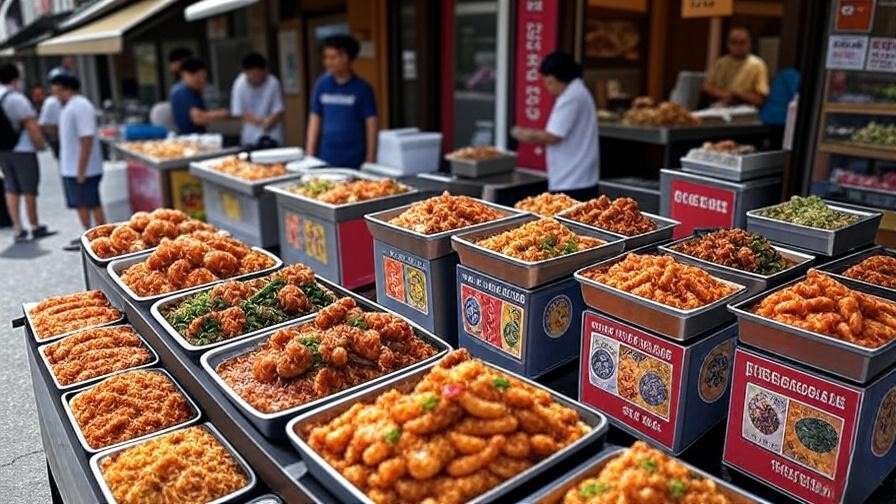
Photograph street markets like Seoul’s Gwangjang Market for vibrant food stalls and candid moments. Use a 50mm lens for natural portraits of vendors (with permission). During festivals, like the Andong Mask Dance Festival, capture motion with a fast shutter speed (1/250). Hanbok portraits shine with soft, diffused lighting.
Editing Tips for Instagram-Worthy Photos
Enhance Korea’s vibrant colors with apps like Lightroom or VSCO. Adjust vibrance (+10-20) to emphasize cherry blossoms or autumn leaves without oversaturation. Use presets inspired by K-drama aesthetics for a cinematic look. Preserve cultural authenticity by avoiding heavy filters that distort traditional elements.
Checklist: Scout locations via Google Maps, check sunrise/sunset times, and pack a portable reflector for portrait lighting.
K-Drama and K-Pop Inspired Photography Locations
Iconic K-Drama Filming Locations

South Korea’s K-dramas have turned many locations into must-visit spots for fans and photographers alike. For your best pictures tour Korea 2024, consider Petite France in Gyeonggi-do, featured in My Love from the Star and Secret Garden. Its colorful French-style buildings are perfect for whimsical, romantic shots. Use a 35mm lens to capture the village’s charm without distortion. Another gem is Nami Island, seen in Winter Sonata, where tree-lined pathways create serene, nostalgic compositions. Shoot in autumn for vibrant foliage or winter for snowy romance. To recreate cinematic shots, use a shallow depth of field (f/2.8) to blur backgrounds, mimicking K-drama aesthetics. Be mindful of crowds—visit early to avoid photobombers.
For urban drama vibes, head to Itaewon’s Gyeongnidan-gil, featured in Itaewon Class. Capture trendy cafes and street art with a 50mm lens for authentic street photography. Check filming location guides like Visit Korea’s website for updated 2024 drama spots, as new series may highlight fresh locations.
K-Pop Music Video Hotspots
K-pop’s vibrant visuals inspire dynamic photography. In 2024, locations from BTS’s Butter video, like Seoul’s Dongdaemun Design Plaza (DDP), offer futuristic backdrops with sleek curves and metallic surfaces. Use a wide-angle lens (16-35mm) to capture DDP’s architecture, especially at night with neon lighting. Gangnam’s COEX area, often featured in music videos by groups like BLACKPINK, provides energetic urban shots. Photograph the iconic Gangnam Style statue or bustling streets during golden hour for warm, lively tones.
For coastal K-pop vibes, Busan’s Songdo Cloud Trails, seen in various music videos, offer dramatic ocean views. Use a polarizing filter to enhance water reflections. Experiment with bold angles and vibrant editing to match K-pop’s high-energy aesthetic, but avoid over-editing to maintain authenticity.
Case Study: Travel photographer Ji-hoon Lee went viral on Instagram after shooting at Nami Island, using natural light and minimal editing to capture its Winter Sonata charm. His tip: “Study the drama’s cinematography to frame shots that resonate with fans.”
Practical Tips for a Successful Photography Tour
Navigating Korea as a Photographer
Efficient travel maximizes shooting time. The KTX high-speed train connects Seoul to Busan in 2.5 hours and Gyeongju in 2 hours, ideal for multi-city itineraries. For remote spots like Jeju’s Udo Island, book domestic flights early through airlines like Jeju Air. Renting a car is useful for rural areas like Suncheon, but ensure you have an International Driving Permit. Use apps like Naver Maps for precise navigation, as Google Maps is less reliable in Korea. Budget-friendly accommodations, like guesthouses in Seoul’s Hongdae or Busan’s Haeundae, keep you close to photo spots. Book through platforms like Booking.com for deals.
Safety and Legal Considerations
Photography in Korea is generally safe, but follow regulations. Drone use requires permits from the Korea Civil Aviation Authority, especially near airports or cultural sites like Gyeongbokgung. Check signs for photography restrictions—some temples prohibit indoor shots. For commercial photography, secure permits through local tourism offices. Carry a portable charger and secure your gear in crowded markets to prevent theft. Back up photos daily to cloud services like Google Drive to avoid data loss.
Connecting with Local Photography Communities
Joining local photography groups enhances your experience. Platforms like Meetup host Seoul-based photography workshops, often led by professionals. Follow hashtags like #KoreaPhotography or #SeoulSnaps on Instagram to connect with locals and share tips. The Korea Photography Association offers events like the 2024 Seoul Photo Festival, where you can network and learn. For guided tours, companies like Trazy offer photography-focused trips to Jeju or Gyeongju, blending expert guidance with cultural immersion.
Tip: Engage with locals by sharing your photos on KakaoTalk groups dedicated to photography. It’s a great way to get feedback and discover hidden gems.
FAQs About Photography Tours in Korea
What’s the Best Season for Photography in Korea?
Each season offers unique opportunities. Spring (April) is ideal for cherry blossoms, autumn (October) for foliage, winter (December) for snowy landscapes, and summer (July) for festivals. Choose based on your aesthetic—pastels for spring or vibrant hues for fall.
Do I Need a Professional Camera to Take Great Photos in Korea?
No, modern smartphones like the Samsung Galaxy S23 or iPhone 14 Pro capture stunning images with proper techniques. For professional shots, a mirrorless camera with a versatile lens (24-70mm) is recommended. Practice composition and lighting to elevate mobile photography.
Are There Photography Restrictions at Cultural Sites?
Yes, some sites like Seokguram Grotto ban indoor photography, and flash is often prohibited in temples. Always check signs and ask staff. Respect private residences in places like Bukchon Hanok Village to avoid complaints.
How Can I Find K-Drama Filming Locations?
Use resources like the Korea Tourism Organization’s website or apps like K-Drama Locations. Fan communities on X often share updated lists of 2024 drama spots. Cross-reference with Google Maps for precise directions.
What Are Some Budget Tips for a Photography Tour?
Save by staying in guesthouses (₩30,000–50,000/night), using public transport like KTX, and eating at local markets (meals under ₩10,000). Rent gear locally through services like LensKorea to avoid travel costs.
South Korea in 2024 is a photographer’s paradise, blending ancient temples, vibrant cityscapes, and K-drama-inspired locales into a visual feast. From the majestic Gyeongbokgung Palace to the serene shores of Jeju, this best pictures tour Korea 2024 guide equips you with the top spots, expert tips, and cultural insights to capture unforgettable images. Whether you’re chasing Instagram-worthy shots or timeless cultural portraits, Korea’s diverse landscapes and rich heritage deliver endless inspiration. Plan your trip with our itinerary, pack your gear, and immerse yourself in Korea’s beauty. Share your photos with #KoreaPhotoTour2024 and join a global community of creatives. As someone who’s explored Korea’s cultural depths and worked with local photographers, I invite you to embark on this journey and create memories that last a lifetime.