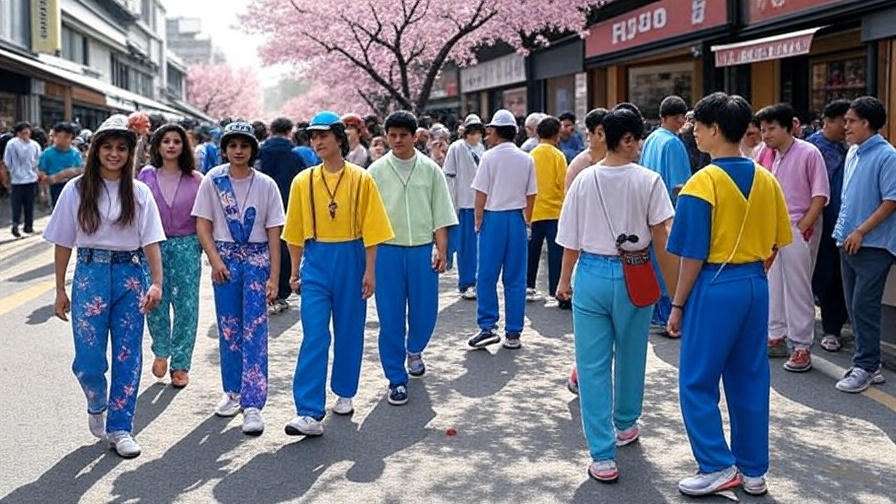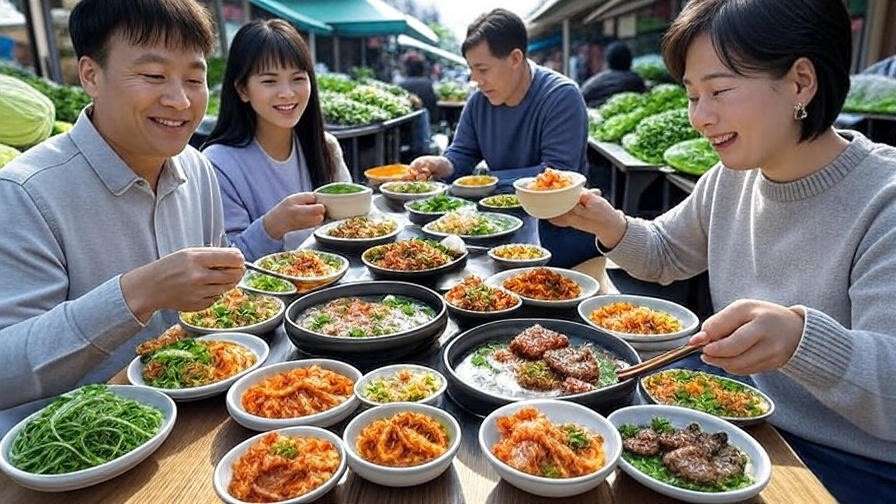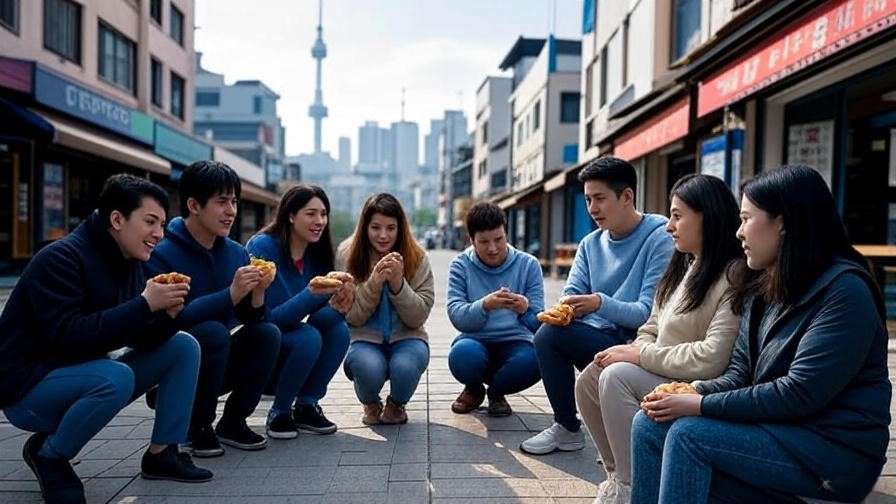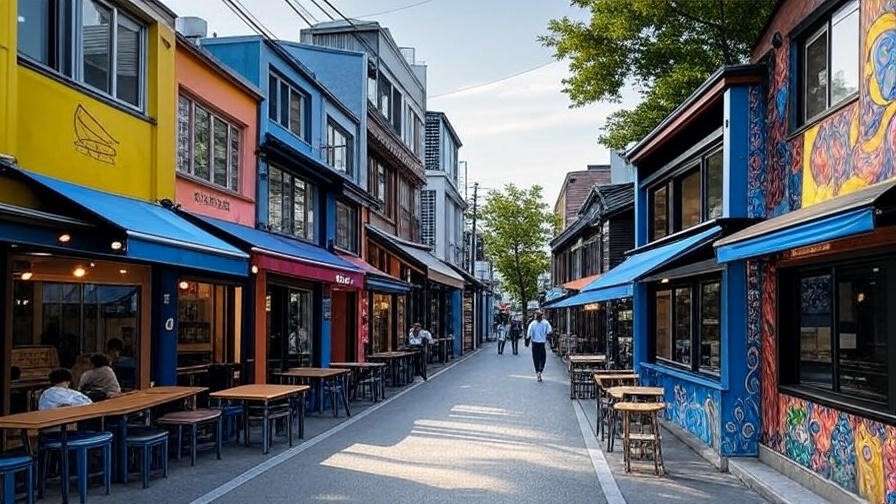

Picture yourself strolling along Haeundae Beach at sunset, the golden hues reflecting off the waves, just like a scene from Hometown Cha-Cha-Cha. Or perhaps you’re wandering the colorful alleys of Gamcheon Culture Village, imagining the vibrant energy of Fight for My Way. Busan, South Korea’s coastal gem, is a haven for K-Drama fans and culture enthusiasts seeking the best area to stay in Busan to immerse themselves in its cinematic and cultural allure. Choosing the right neighborhood is key to unlocking an authentic experience, whether you’re chasing iconic filming locations, savoring local cuisine, or exploring historic markets. This guide dives deep into Busan’s top neighborhoods, offering expert insights, practical tips, and tailored recommendations to ensure your stay is unforgettable. From beachfront luxury to artsy hideaways, we’ll help you find the perfect spot to live out your K-Drama dreams.
Why Busan is a Must-Visit for K-Drama and Culture Enthusiasts
Busan’s Role in Korean Pop Culture
Busan’s cinematic appeal is undeniable. The city’s stunning beaches, bustling markets, and vibrant neighborhoods have made it a backdrop for beloved K-Dramas like Hometown Cha-Cha-Cha, Reply 1994, and films such as Train to Busan. Haeundae Beach, with its sweeping coastline, and Gwangan Bridge, glowing under a starry sky, are more than just scenic—they’re cultural touchstones that resonate with fans worldwide. According to the Korea Tourism Organization, Busan welcomed over 7 million international visitors in 2024, many drawn by its pop culture fame. Iconic spots like Dalmaji Hill and Jagalchi Market offer a glimpse into the settings that bring K-Dramas to life, blending modern vibrancy with traditional charm.
The Importance of Choosing the Right Area
Busan’s neighborhoods are as diverse as its attractions, each offering a unique vibe. Whether you’re a beach lover, a history buff, or a K-Drama enthusiast, where you stay shapes your experience. Staying near filming locations like Gwangalli Beach or cultural hubs like Nampo-dong can make your trip seamless and immersive. Choosing the best area to stay in Busan means balancing proximity to attractions, budget, and the atmosphere you crave—be it the lively energy of Seomyeon or the artistic soul of Gamcheon. This guide breaks down each neighborhood to help you align your stay with your passions.
Factors to Consider When Choosing Where to Stay in Busan
Budget and Accommodation Types
Busan caters to every budget, from luxury hotels to cozy hanok guesthouses. High-end travelers might opt for five-star hotels like Paradise Hotel Busan in Haeundae, where rooms average $200–$400 per night. Budget-conscious visitors can find hostels in Seomyeon for as low as $20–$50 per night. Boutique guesthouses in Gamcheon or Nampo-dong offer a cultural twist, often priced between $50–$150. Understanding the price ranges across neighborhoods helps you plan a stay that fits your financial comfort while maximizing your experience.
Proximity to K-Drama Locations and Cultural Sites
For K-Drama fans, proximity to filming locations is a game-changer. Haeundae and Gwangalli are home to beaches featured in dramas, while Gamcheon’s colorful alleys have starred in multiple shows. Staying near these spots means less travel time and more opportunities to relive your favorite scenes. Cultural enthusiasts will appreciate neighborhoods like Nampo-dong, close to historic markets and Yongdusan Park, offering a deep dive into Busan’s heritage. Choosing a strategically located base enhances your ability to explore both cinematic and cultural gems.
Accessibility and Transportation
Busan’s efficient public transportation system, including its subway and buses, makes getting around a breeze. However, accessibility varies by neighborhood. Seomyeon, a transport hub, offers easy subway connections to most attractions. Haeundae and Gwangalli are well-served by buses and taxis, while Gamcheon requires a short bus ride from central areas. The Visit Busan Pass, priced at around $30 for 24 hours, provides unlimited travel and discounts at major sites, making it a smart choice for exploring multiple neighborhoods.
Vibe and Atmosphere
Each Busan neighborhood has a distinct personality. Haeundae buzzes with beachfront energy and upscale dining, perfect for a glamorous getaway. Seomyeon thrives with youthful nightlife and urban convenience, ideal for budget travelers. Gamcheon’s artistic charm suits those seeking Instagram-worthy moments, while Nampo-dong blends history with modern flair. Gwangalli offers a laid-back, romantic vibe with stunning bridge views. Matching your travel style to a neighborhood’s atmosphere ensures a stay that feels just right.
Top Neighborhoods in Busan for K-Drama Fans and Culture Lovers
Haeundae – Beachside Glamour and K-Drama Hotspots
 Haeundae is Busan’s crown jewel, famous for its golden beach and K-Drama fame. Scenes from Hometown Cha-Cha-Cha were filmed here, capturing the area’s coastal allure. Visitors can stroll Dalmaji Hill, a romantic spot featured in multiple dramas, or explore the Busan Aquarium, a family-friendly attraction. Luxury hotels like Signiel Busan offer oceanfront elegance ($250–$500/night), while mid-range options like Shilla Stay Haeundae ($100–$200/night) provide comfort and convenience. Haeundae Market, a short walk away, serves authentic street food like tteokbokki and fresh seafood, immersing you in local culture.
- Best For: Beach lovers, luxury travelers, K-Drama fans.
- Pros: Stunning views, vibrant nightlife, easy access to filming locations.
- Cons: Crowded in summer, pricier accommodations.
- Expert Tip: Visit Haeundae Beach at sunrise to avoid crowds and capture K-Drama-worthy photos.
Seomyeon – The Urban Hub for Nightlife and Convenience
Seomyeon is Busan’s beating heart, a bustling downtown with endless dining, shopping, and nightlife. Known as the “Gangnam of Busan,” it’s perfect for travelers seeking urban energy without breaking the bank. Seomyeon Food Alley is a foodie’s paradise, offering everything from Korean BBQ to trendy dessert cafes featured in K-Dramas. Budget hostels like Guesthouse 710 ($20–$40/night) and mid-range hotels like Lotte Hotel Busan ($80–$150/night) make it affordable. Its central subway station connects you to Haeundae, Nampo-dong, and beyond, making it a practical base.
- Best For: Budget travelers, nightlife enthusiasts, city lovers.
- Pros: Affordable stays, diverse dining, excellent transport links.
- Cons: Less scenic, farther from beaches.
- Expert Tip: Check out Seomyeon’s underground shopping for K-Pop and K-Drama merchandise.
Gamcheon Culture Village – Artsy and Instagram-Worthy
 Gamcheon Culture Village is a kaleidoscope of colorful houses and artistic charm, often compared to Santorini. Its winding alleys, adorned with murals and sculptures, have appeared in K-Dramas like Fight for My Way. Visitors can explore quirky cafes, art galleries, and photo spots that make every corner Instagram-worthy. Boutique guesthouses ($50–$100/night) offer a cultural immersion, while nearby Nampo-dong provides more hotel options. Though hilly, Gamcheon’s unique vibe is perfect for travelers seeking creativity and culture.
- Best For: Culture seekers, photographers, K-Drama fans.
- Pros: Artistic atmosphere, budget-friendly, photogenic.
- Cons: Hilly terrain, limited nightlife.
- Expert Tip: Join a guided tour to uncover Gamcheon’s history and hidden K-Drama spots.
Nampo-dong – History, Markets, and Coastal Charm
Nampo-dong is Busan’s cultural heartbeat, blending historic markets with modern energy. Home to Jagalchi Fish Market, where vendors sell fresh seafood straight from the ocean, and Gukje Market, a bustling maze of shops, this area is a foodie’s and history buff’s dream. Yongdusan Park, with its iconic Busan Tower, offers panoramic views and has appeared in various K-Dramas. Accommodations range from mid-range hotels like Toyoko Inn ($60–$120/night) to budget guesthouses near BIFF Square ($40–$80/night). Nampo-dong’s proximity to the port and cultural landmarks makes it a versatile base for exploring Busan’s heritage.
- Best For: Foodies, history enthusiasts, travelers seeking a mix of old and new.
- Pros: Rich cultural experiences, affordable dining, central location.
- Cons: Can be crowded, fewer luxury options.
- Expert Tip: Visit BIFF Square at night for K-Drama-inspired street food and a vibrant film festival atmosphere.
Gwangalli – Scenic Views and Laid-Back Vibes
 Gwangalli Beach offers a more relaxed alternative to Haeundae, with stunning views of the Gwangan Bridge, a K-Drama staple seen in shows like The King: Eternal Monarch. The beachfront is lined with trendy cafes and restaurants, perfect for a romantic evening or a leisurely stroll. Accommodations include boutique hotels like Kent Hotel Gwangalli ($80–$150/night) and Airbnbs with sea views ($60–$120/night). The area’s laid-back vibe and proximity to cultural events, like the Gwangan Bridge drone show, make it a favorite for couples and relaxed travelers.
- Best For: Couples, relaxed travelers, K-Drama fans seeking scenic beauty.
- Pros: Romantic atmosphere, great dining, less crowded than Haeundae.
- Cons: Fewer cultural landmarks, moderate pricing.
- Expert Tip: Catch the Gwangan Bridge light show or drone display for a memorable K-Drama-inspired evening.
Comparing Busan’s Neighborhoods: Which One Suits You Best?
To help you choose the best area to stay in Busan, here’s a comparison of the top neighborhoods based on key factors:
| Neighborhood | Budget | Vibe | Key Attractions | Accessibility | Best For |
|---|---|---|---|---|---|
| Haeundae | High-end ($100–$500) | Beachfront, glamorous | Haeundae Beach, Dalmaji Hill, Busan Aquarium | Good (buses, taxis) | Luxury travelers, K-Drama fans |
| Seomyeon | Budget-friendly ($20–$150) | Urban, lively | Seomyeon Food Alley, Lotte Department Store | Excellent (subway hub) | Budget travelers, nightlife lovers |
| Gamcheon Culture Village | Budget to mid-range ($50–$100) | Artistic, cultural | Murals, art galleries, quirky cafes | Moderate (bus from Nampo) | Culture seekers, photographers |
| Nampo-dong | Budget to mid-range ($40–$120) | Historic, vibrant | Jagalchi Market, Gukje Market, Yongdusan Park | Good (subway, buses) | Foodies, history buffs |
| Gwangalli | Mid-range ($60–$150) | Relaxed, scenic | Gwangalli Beach, Gwangan Bridge | Good (buses, taxis) | Couples, relaxed travelers |
Decision-Making Guide:
- K-Drama Fans: Prioritize Haeundae or Gwangalli for iconic filming locations.
- Budget Travelers: Choose Seomyeon or Nampo-dong for affordable stays and dining.
- Culture Seekers: Opt for Gamcheon or Nampo-dong for immersive cultural experiences.
- Romantic Getaways: Gwangalli’s scenic beauty is ideal for couples.
- Luxury Seekers: Haeundae offers upscale accommodations and dining.
Each neighborhood has unique strengths, so your choice depends on what you value most—cinematic connections, cultural depth, or budget-friendly convenience.
Practical Tips for Planning Your Stay in Busan
Booking Accommodations
Finding the perfect stay in Busan is easy with platforms like Booking.com, Airbnb, and Agoda. For K-Drama-inspired stays, look for listings that highlight proximity to filming locations or cultural themes, such as hanok guesthouses in Gamcheon or beachfront Airbnbs in Gwangalli. Book 2–3 months in advance for peak seasons (summer, October’s Busan International Film Festival) to secure deals. Compare prices across platforms and check for free cancellation options to stay flexible.
Getting Around Busan
Busan’s public transportation is efficient and affordable. The subway system connects major areas like Seomyeon, Haeundae, and Nampo-dong, with fares starting at $1.20. Buses are ideal for reaching Gamcheon or Gwangalli, with routes clearly marked at stops. Taxis are convenient but pricier ($5–$15 for short trips). The Visit Busan Pass ($30 for 24 hours) offers unlimited rides and discounts at attractions like the Busan Aquarium. Download the Naver Map app for real-time navigation in English.
Cultural Etiquette and Tips
Respecting local customs enhances your Busan experience. In traditional areas like Nampo-dong or Gamcheon, greet locals with a polite nod and avoid loud behavior in quiet settings. When visiting K-Drama filming locations, stay mindful of private property—stick to public areas for photos. At markets, haggling is acceptable but done respectfully. Learning basic Korean phrases like “annyeonghaseyo” (hello) and “gamsahamnida” (thank you) goes a long way in building rapport with locals.
Seasonal Considerations
 Busan shines year-round, but timing matters. Spring (March–May) brings cherry blossoms, ideal for romantic visits to Dalmaji Hill or Gwangalli. Summer (June–August) is peak beach season, with Haeundae bustling but crowded. Autumn (September–November) offers mild weather and festivals like BIFF, perfect for Nampo-dong stays. Winter (December–February) is quieter, with fewer crowds and lower hotel rates, especially in Seomyeon. Check local event calendars to align your trip with cultural highlights.
Expert Insights: Enhancing Your Busan Experience
 Travel blogger and K-Drama enthusiast Min-ji Park shares, “Busan’s magic lies in its ability to feel both modern and timeless. Walking through Gamcheon feels like stepping into a K-Drama set, while Haeundae’s energy is pure cinematic glamour.” For an authentic experience, recreate iconic K-Drama moments—like sipping coffee at a Gwangalli cafe with Gwangan Bridge in view or exploring Haeundae’s Dalmaji Hill at sunset. Visit themed cafes in Seomyeon, like Cafe Rooftop, inspired by What’s Wrong with Secretary Kim. Guided tours, such as those offered by the Busan Tourism Organization, provide insider knowledge on filming locations and cultural history, adding depth to your trip.
FAQs About Staying in Busan
What is the best area to stay in Busan for first-time visitors?
Haeundae or Seomyeon are ideal for first-timers due to their accessibility, range of accommodations, and proximity to major attractions.
Which Busan neighborhood is closest to K-Drama filming locations?
Haeundae and Gwangalli are top choices, with beaches and landmarks featured in dramas like Hometown Cha-Cha-Cha and The King: Eternal Monarch.
Are there budget-friendly accommodations in Busan’s cultural areas?
Yes, Gamcheon and Nampo-dong offer guesthouses and hostels starting at $40–$80 per night, blending affordability with cultural immersion.
How do I get to Gamcheon Culture Village from Haeundae?
Take Bus 2 or 2-2 from Haeundae Station (30–40 minutes, $1.20) or a taxi ($10–$15). Check Naver Map for real-time routes.
What’s the best time of year to visit Busan for K-Drama fans?
Spring and autumn offer mild weather and scenic beauty, perfect for exploring filming locations and cultural sites.
Are Busan’s neighborhoods safe for solo travelers?
Yes, Busan is generally safe, with well-lit areas and low crime rates. Stick to populated areas at night and keep valuables secure.
Busan’s neighborhoods offer a tapestry of experiences for K-Drama fans and culture lovers. Whether you’re drawn to Haeundae’s beachfront glamour, Seomyeon’s urban pulse, Gamcheon’s artistic charm, Nampo-dong’s historic markets, or Gwangalli’s romantic views, the best area to stay in Busan depends on your travel dreams. Use this guide to choose a neighborhood that aligns with your passions, budget, and style. Share your Busan travel plans in the comments, and explore our other articles on Korean culture and K-Drama destinations for more inspiration. Your unforgettable Busan adventure awaits—make it a story worthy of the K-Drama screen!