Imagine binge-watching a Korean drama that captures your heart with its raw, unfiltered portrayal of human struggles—then discovering it was inspired by a book that’s changing lives worldwide. This is the magic of Baek Se Hee, a South Korean author whose groundbreaking memoir, I Want to Die but I Want to Eat Tteokbokki, has become a cultural phenomenon. Her candid exploration of mental health resonates deeply, not only with Korean readers but also with global audiences, influencing the emotional depth of modern K-dramas. In this article, we’ll unravel how Baek Se Hee’s work bridges literature and visual media, shaping Korean cultural narratives and redefining storytelling in the Hallyu wave. Whether you’re a K-drama fan or curious about Korean culture, this journey will reveal why her voice matters.
As an enthusiast of Korean culture with years of studying Hallyu trends, I’ve seen how literature and media intertwine to reflect societal shifts. Baek Se Hee’s work stands out as a catalyst for authentic storytelling, making this article a must-read for anyone seeking to understand the soul of modern Korean dramas.
Who Is Baek Se Hee?
 Background and Rise to Prominence
Baek Se Hee emerged as a literary sensation with her debut book, I Want to Die but I Want to Eat Tteokbokki, published in 2018. A South Korean author in her 30s, she initially wrote the book as a personal project, blending her therapy session transcripts with reflective essays. The result was a raw, relatable exploration of her struggles with dysthymia, a form of chronic depression, and her quest for self-acceptance. The book’s unconventional format—part memoir, part self-help—struck a chord in South Korea, where mental health discussions remain stigmatized. It quickly became a bestseller, translated into over 20 languages, cementing Baek Se Hee’s status as a cultural influencer.
Her rise reflects a broader shift in Korean society, where younger generations are challenging traditional norms. As Dr. Hye-Jin Kim, a cultural studies professor at Seoul National University, notes, “Baek Se Hee’s work is a turning point, giving voice to a generation grappling with societal pressures in a rapidly modernizing Korea.”
Literary Style and Appeal
Baek Se Hee’s writing is disarmingly honest, weaving humor, vulnerability, and introspection. Her conversational style feels like a heart-to-heart with a friend, making complex emotions accessible. For example, she writes, “I want to die, but I still want to eat tteokbokki—what kind of contradiction is that?” This blend of despair and everyday relatability resonates with readers, especially young women navigating societal expectations.
Her appeal lies in her authenticity. Unlike traditional self-help books, her work doesn’t offer quick fixes but invites readers to reflect on their own struggles. This mirrors the emotional depth found in K-dramas, where characters grapple with inner conflicts, making her a natural influence on the genre.
Baek Se Hee’s Influence on Korean Cultural Narratives
 Breaking the Stigma Around Mental Health
In South Korea, mental health has long been a taboo subject, shaped by Confucian values that prioritize collective harmony over individual struggles. High suicide rates and intense societal pressures—such as academic competition and workplace stress—have historically silenced open discussions. Baek Se Hee’s book challenges this by laying bare her therapy sessions, offering a rare glimpse into the therapeutic process.
Her work has sparked conversations, particularly among millennials and Gen Z, who face mounting pressures in urban Korea. According to a 2024 study by the Korea Institute for Health and Social Affairs, 1 in 4 South Koreans aged 20–39 report experiencing mental health challenges, yet only 10% seek professional help. Baek Se Hee’s openness encourages readers to confront their own struggles, fostering a cultural shift toward acceptance.
Representation of Modern Korean Identity
Baek Se Hee’s narratives reflect the lived experiences of modern Koreans—urbanites caught between tradition and individuality. Her book explores themes of loneliness, self-doubt, and the pressure to “succeed” in a hyper-competitive society. These resonate with the same audiences drawn to K-dramas, which often portray characters seeking meaning amidst societal expectations.
For instance, her reflections on feeling “not enough” echo the struggles of characters in My Liberation Notes, a K-drama that captures the quiet discontent of ordinary lives. This synergy highlights how Baek Se Hee’s work articulates a modern Korean identity, blending vulnerability with resilience—a hallmark of the Hallyu wave.
Baek Se Hee’s Impact on Modern Korean Dramas
 Inspiring Authentic Storytelling in K-Dramas
The Hallyu wave, fueled by K-dramas, has evolved from melodramatic romances to nuanced stories tackling real-world issues. Baek Se Hee’s influence is evident in this shift toward authenticity. Her focus on emotional honesty has inspired K-drama writers to craft stories that resonate on a deeper level. Dramas like It’s Okay to Not Be Okay (2020) and My Liberation Notes (2022) reflect her themes of mental health and self-discovery, moving away from idealized narratives.
For example, It’s Okay to Not Be Okay features a protagonist with a personality disorder, navigating trauma with raw vulnerability—a narrative that echoes Baek Se Hee’s candid approach. Fans can explore specific episodes, like Episode 4, where the characters confront their pasts, to see these parallels.
Influence on Character Development
Baek Se Hee’s nuanced portrayal of her own flaws has influenced K-drama character development. Modern protagonists are no longer perfect heroes but complex individuals with internal struggles. In My Liberation Notes, Mi-jeong, a quiet office worker, mirrors Baek Se Hee’s introspective tone, grappling with feelings of emptiness. Her journal entries, much like Baek Se Hee’s essays, reveal a yearning for connection and purpose.
This shift is deliberate. As K-drama writer Kim Eun-sook shared in a 2023 interview with Hankook Ilbo, “Today’s audiences crave characters who feel real, whose pain and growth mirror their own.” Baek Se Hee’s work provides a blueprint for such authenticity.
The Role of Mental Health in K-Drama Narratives
Mental health is now a recurring theme in K-dramas, reflecting Baek Se Hee’s impact. Shows like Hospital Playlist and Queen of Tears weave psychological struggles into their narratives, normalizing therapy and self-reflection. For instance, Queen of Tears (2024) explores grief and emotional resilience, aligning with Baek Se Hee’s focus on navigating personal pain.
This trend aligns with broader cultural shifts. A 2025 report by the Korean Broadcasting System noted a 30% increase in K-dramas addressing mental health since 2020, signaling a growing acceptance of these themes in mainstream media.
The Global Reach of Baek Se Hee’s Work
Resonance with International Audiences
Baek Se Hee’s I Want to Die but I Want to Eat Tteokbokki has transcended South Korea, finding a global audience through translations in over 20 languages, including English, Spanish, and Japanese. Its universal themes—struggling with self-worth, navigating mental health, and finding joy in small moments—resonate with readers worldwide. On platforms like Goodreads, international fans praise her relatability, with one reader noting, “Her words feel like they’re speaking directly to my soul, no matter where I’m from.”
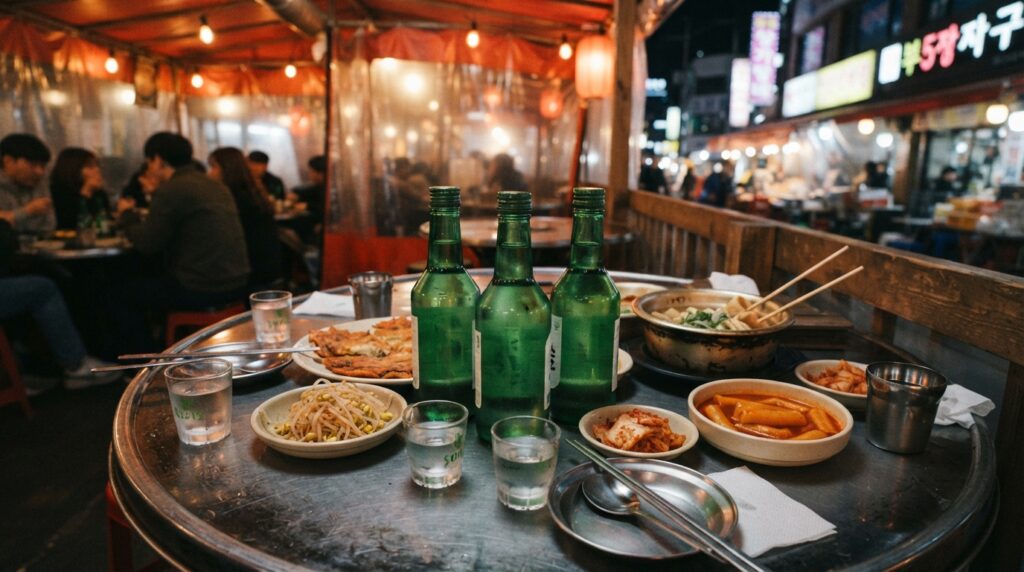
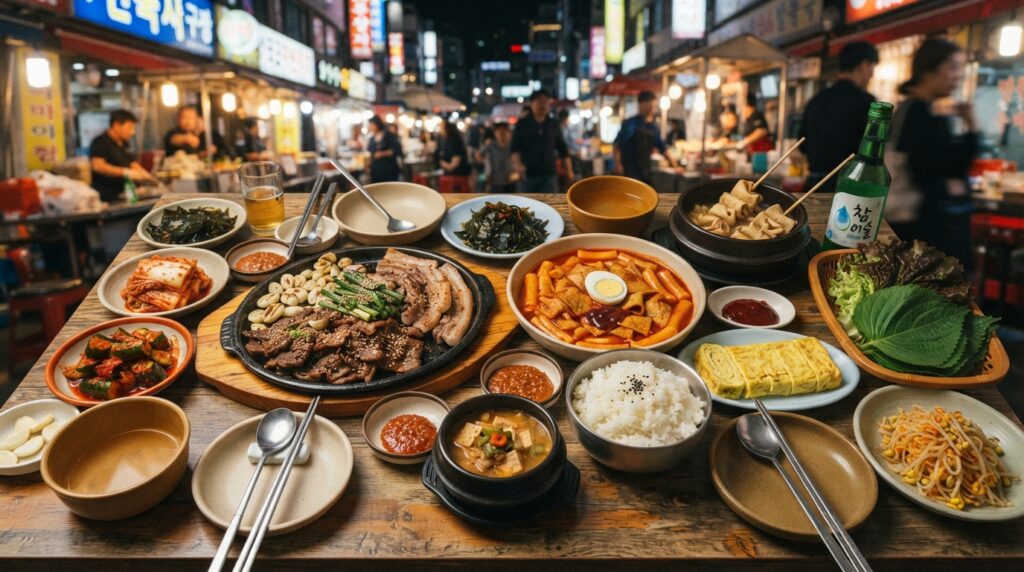
This global appeal mirrors the Hallyu wave, where K-dramas and K-pop have captivated audiences by blending cultural specificity with universal emotions. Baek Se Hee’s work amplifies this, offering a literary lens into the emotional depth that draws fans to Korean media. For instance, her reflections on finding comfort in tteokbokki parallel the way K-dramas use everyday settings—like a cozy ramen shop in Reply 1988—to ground emotional narratives.
Influence on Global Perceptions of Korean Culture
Baek Se Hee’s work complements K-dramas in showcasing Korea’s cultural depth beyond flashy visuals or romantic tropes. Her focus on mental health and personal growth highlights a side of Korea often overshadowed by its economic success or K-pop glamour. Streaming platforms like Netflix have amplified this by promoting K-dramas that echo her themes, such as It’s Okay to Not Be Okay and Crash Landing on You, which blend emotional storytelling with cultural nuance.
For international fans, pairing her book with these dramas offers a richer understanding of Korean culture. Try watching Crash Landing on You alongside reading her memoir to see how love, loss, and personal struggles intertwine in Korean storytelling. This synergy has helped redefine global perceptions of Korea as a nation of emotional and cultural complexity.
Why Baek Se Hee’s Work Matters for K-Drama Fans
A New Lens for Understanding K-Dramas
Baek Se Hee’s work provides K-drama fans with a deeper context for the emotional narratives they love. Her exploration of loneliness and self-discovery mirrors the themes in dramas like Reply 1988, where characters navigate personal growth amidst familial and societal pressures. By reading her book, fans can better appreciate the cultural underpinnings of these stories, such as the Korean concept of han—a collective sense of unresolved sorrow.
For example, in Reply 1988, Deok-sun’s quiet moments of self-doubt reflect the same introspective tone as Baek Se Hee’s essays. Understanding her work helps fans see why K-dramas resonate so deeply, offering a window into the Korean psyche.
Bridging Literature and Visual Media
Baek Se Hee’s influence lies in her ability to bridge literature and visual media. Her raw, confessional style has inspired K-drama writers to prioritize authenticity over idealized narratives. This is evident in the growing trend of slice-of-life dramas, like My Liberation Notes, which focus on ordinary lives with extraordinary emotional depth. Her work serves as a literary counterpart to these stories, encouraging creators to tackle sensitive topics like mental health and identity.
This bridge also empowers fans to engage with both mediums. Reading her book alongside watching It’s Okay to Not Be Okay can deepen one’s appreciation for how Korean storytellers weave vulnerability into their craft.
Empowering Audiences to Engage with Mental Health
Baek Se Hee’s work doesn’t just entertain—it inspires action. Her book encourages readers to reflect on their own mental health, a practice that K-drama fans can extend to their viewing habits. Try journaling after watching a drama like My Liberation Notes with prompts inspired by her essays, such as: “What small moment brought me joy today?” or “How do I navigate feelings of not being enough?” These exercises foster self-awareness, aligning with her mission to normalize mental health discussions.
For fans, this approach transforms passive viewing into an active exploration of emotions, making her work a powerful tool for personal growth.
The Future of Baek Se Hee’s Influence in Korean Culture
 Potential for K-Drama Adaptations
Given the trend of adapting webtoons and novels into K-dramas, Baek Se Hee’s book is ripe for adaptation. Its unique format—therapy sessions interspersed with personal reflections—could translate into a compelling slice-of-life drama. Imagine a series where each episode alternates between a character’s therapy sessions and their daily life, exploring themes of self-acceptance and resilience. Such a show could resonate with audiences, much like It’s Okay to Not Be Okay did with its psychological depth.
While no adaptation has been announced as of September 2025, the success of similar K-dramas suggests strong potential. Fans can look to My Mister as an example of how introspective storytelling captivates viewers.
Shaping the Next Generation of Storytellers
Baek Se Hee’s influence extends to aspiring writers and creators in South Korea. Her success has shown that raw, honest storytelling can break cultural barriers, inspiring young authors to explore taboo topics. Writing workshops in Seoul, such as those hosted by the Korea Literature Translation Institute, now cite her work as a model for crafting authentic narratives.
Her impact is also shaping emerging K-drama subgenres, like psychological dramas. Shows like Mouse and Beyond Evil hint at this trend, diving into complex emotional landscapes—a direct legacy of her influence.
Expanding the Hallyu Narrative
Baek Se Hee’s work is expanding the Hallyu narrative by blending literature with visual media. As Dr. Soo-Young Lee, a Hallyu researcher at Yonsei University, observes, “Her book adds a literary dimension to the Hallyu wave, showing that Korea’s cultural exports go beyond K-pop and K-dramas.” This fusion enriches the global understanding of Korean culture, positioning her as a key figure in its evolution.
Her work also encourages cross-media exploration, where fans engage with books, dramas, and even K-pop songs that tackle similar themes, creating a holistic cultural experience.
Practical Takeaways for Fans and Creators
For K-Drama Fans
To deepen your K-drama experience, start with Baek Se Hee’s I Want to Die but I Want to Eat Tteokbokki. Pair it with dramas like My Liberation Notes or It’s Okay to Not Be Okay to see how her themes of vulnerability and growth play out on screen. For a broader perspective, explore books like Matt Haig’s The Midnight Library, which complements her focus on mental health and self-discovery.
For Aspiring Writers and Creators
Baek Se Hee’s work offers lessons in crafting authentic narratives. Try this writing exercise: Create a character with an internal struggle, like self-doubt, and write a scene where they confront it through a mundane activity, like eating tteokbokki. This mirrors her ability to find profundity in the everyday, a skill K-drama writers increasingly employ.
For Mental Health Advocates
Use Baek Se Hee’s book and related K-dramas to spark conversations about mental health. Host a book or K-drama watch club to discuss themes like resilience and self-acceptance. Share resources like the Korea Mental Health Foundation’s website to guide participants toward professional support.
FAQs
Who is Baek Se Hee, and why is she important to Korean culture?
Baek Se Hee is a South Korean author whose memoir, I Want to Die but I Want to Eat Tteokbokki, has sparked conversations about mental health, challenging cultural taboos and influencing modern Korean narratives.
How does Baek Se Hee’s work connect to K-dramas?
Her themes of vulnerability and self-discovery inspire K-dramas like It’s Okay to Not Be Okay and My Liberation Notes, which prioritize authentic emotional storytelling.
Which K-dramas reflect themes similar to Baek Se Hee’s work?
Dramas like My Liberation Notes, It’s Okay to Not Be Okay, and Reply 1988 echo her focus on personal struggles and emotional growth.
How can I learn more about mental health through Korean media?
Read Baek Se Hee’s book and watch K-dramas like My Liberation Notes. Explore resources like the Korea Mental Health Foundation for further insights.
Is Baek Se Hee’s book available in other languages?
Yes, it’s translated into over 20 languages, available at major retailers like Amazon and Book Depository.
Baek Se Hee’s I Want to Die but I Want to Eat Tteokbokki is more than a memoir—it’s a cultural touchstone that has reshaped Korean storytelling. By breaking the silence around mental health, her work has inspired K-dramas to embrace authenticity, influencing narratives like My Liberation Notes and It’s Okay to Not Be Okay. For fans, her book offers a deeper lens into the emotional depth of Korean culture, while creators find a model for honest storytelling. Dive into her book and these dramas to explore the heart of modern Hallyu. Share your favorite K-drama moments or mental health insights in the comments below to keep the conversation going.