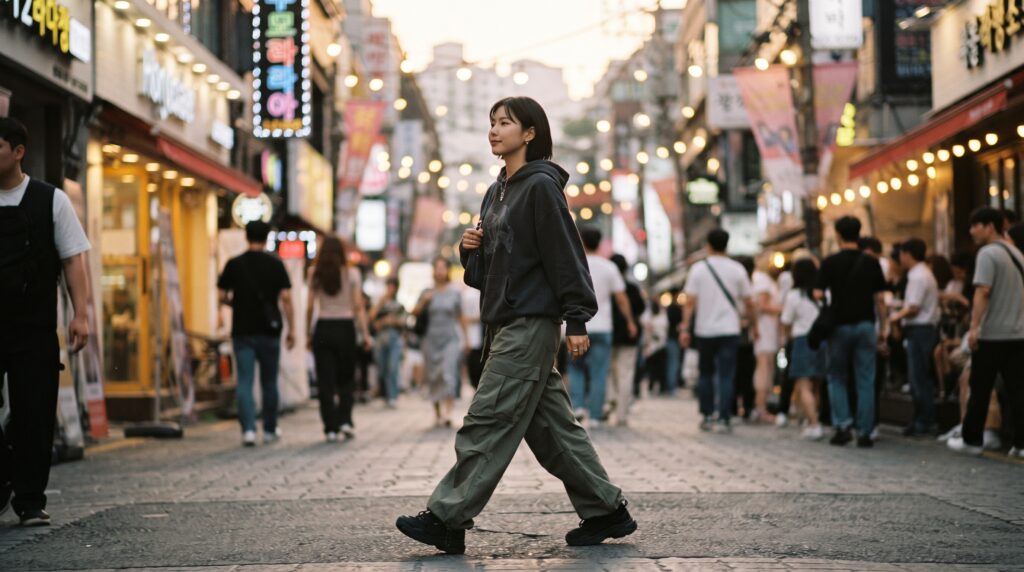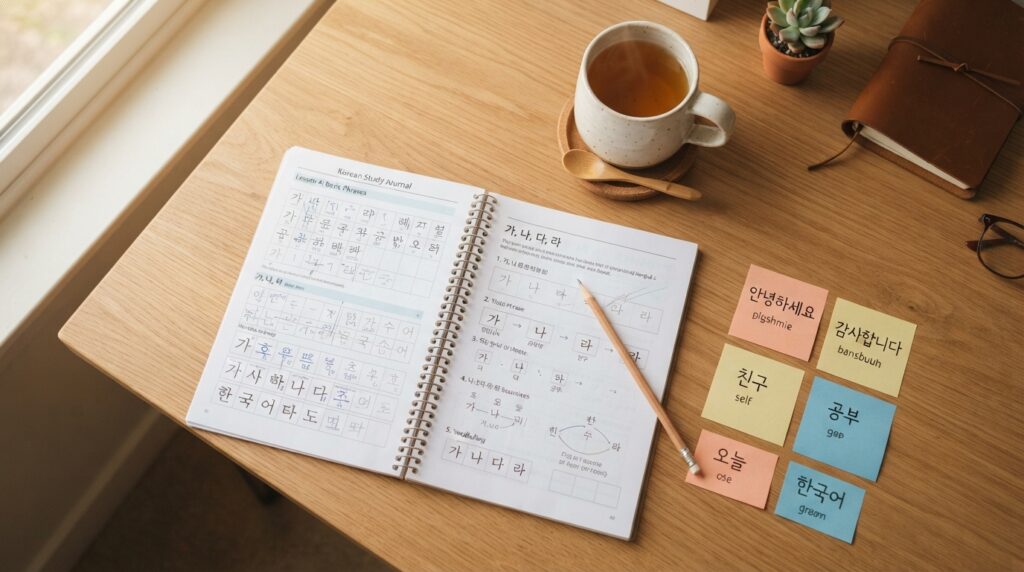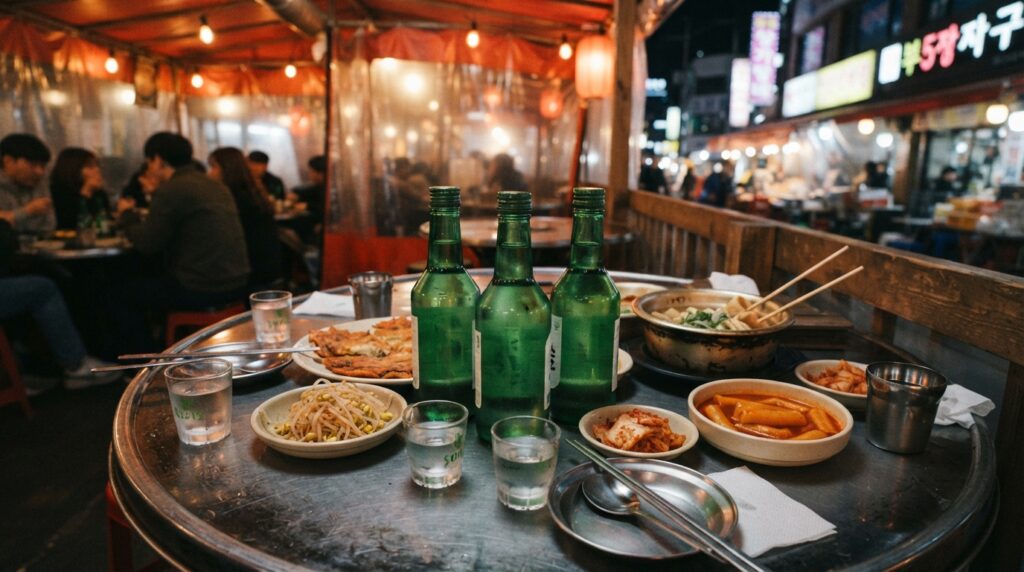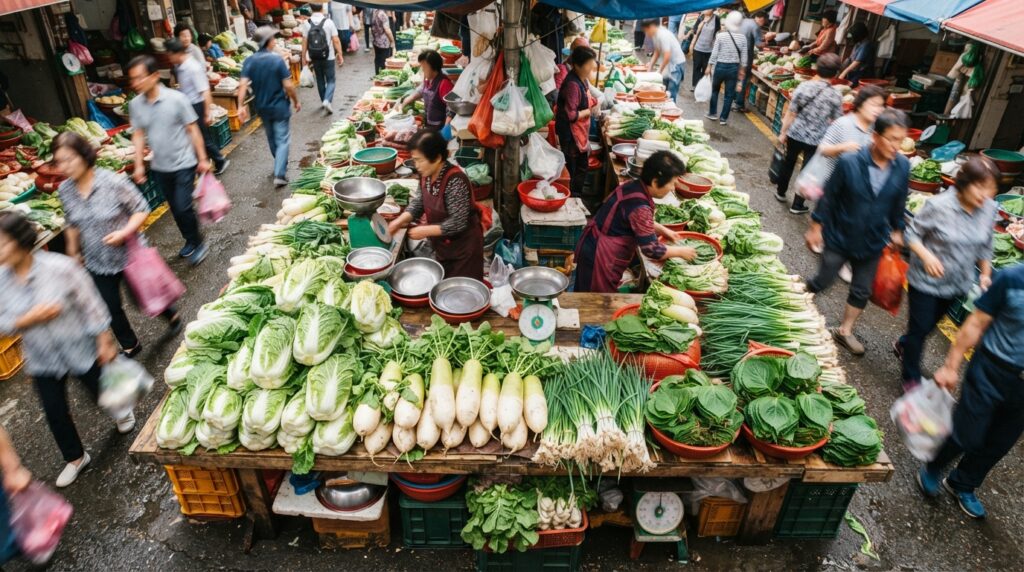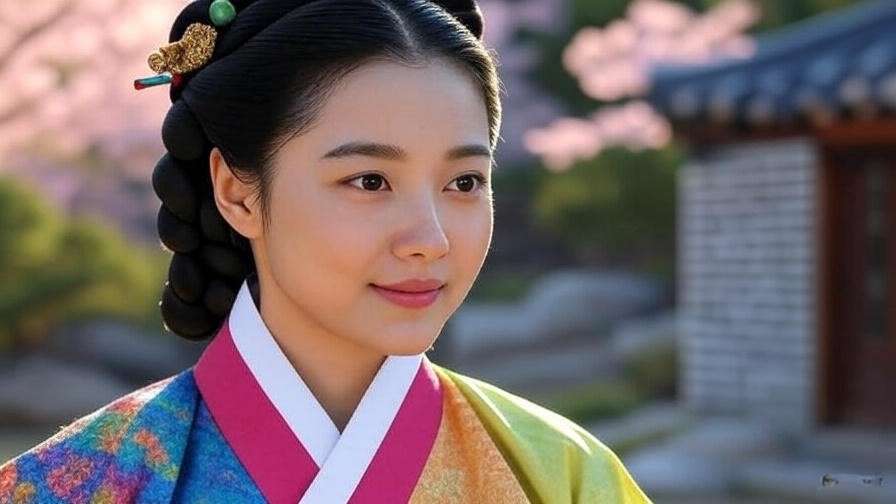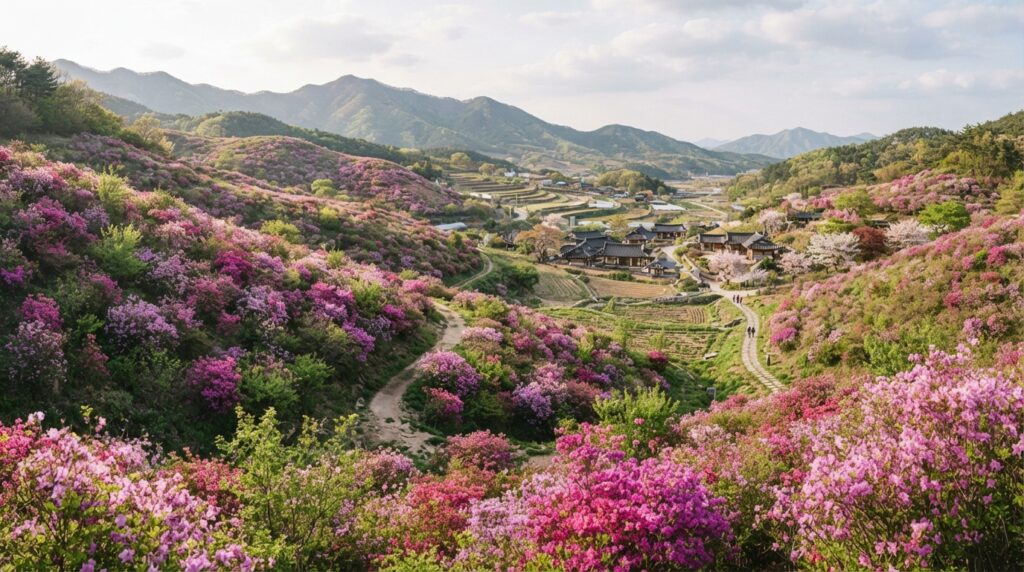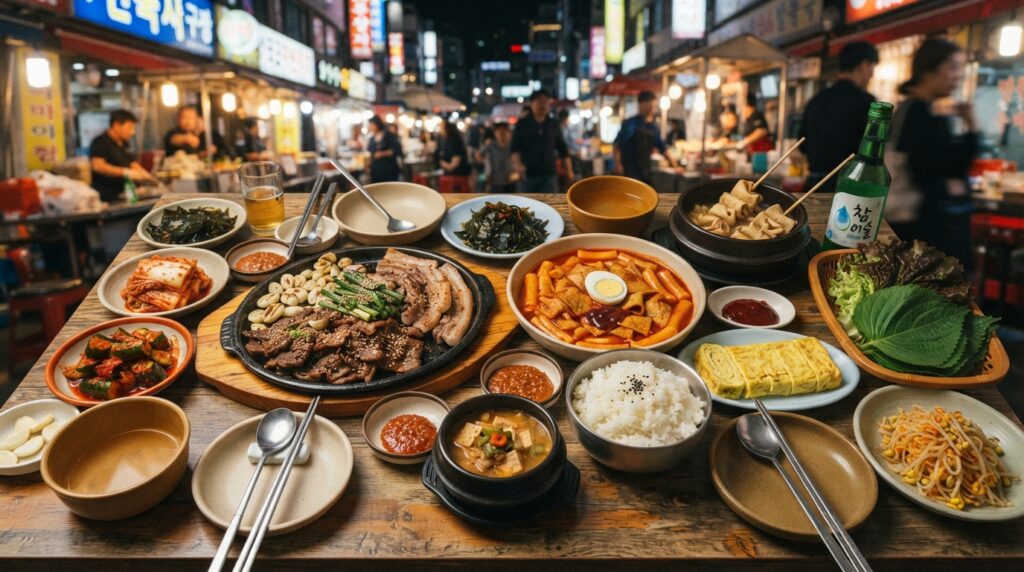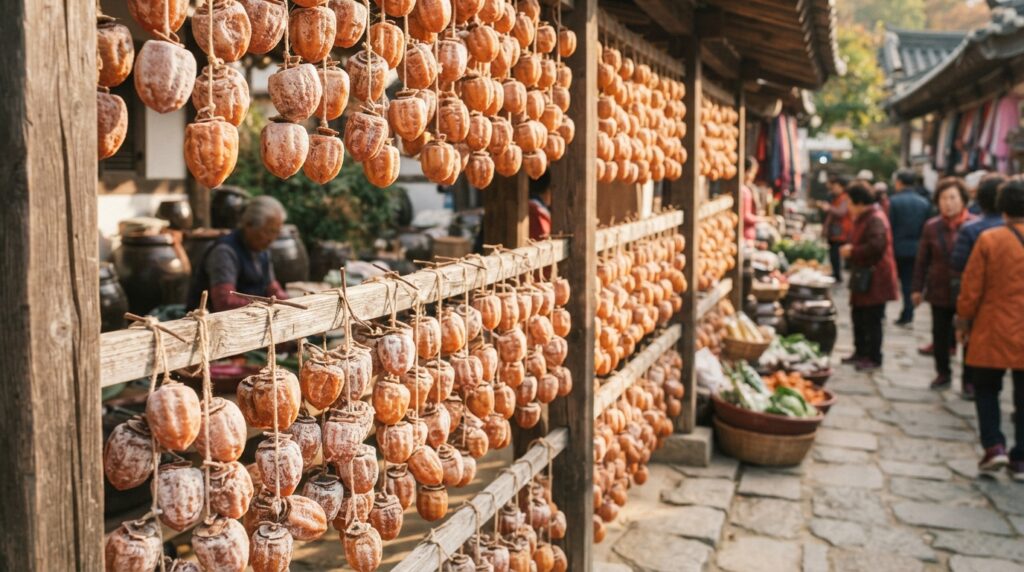
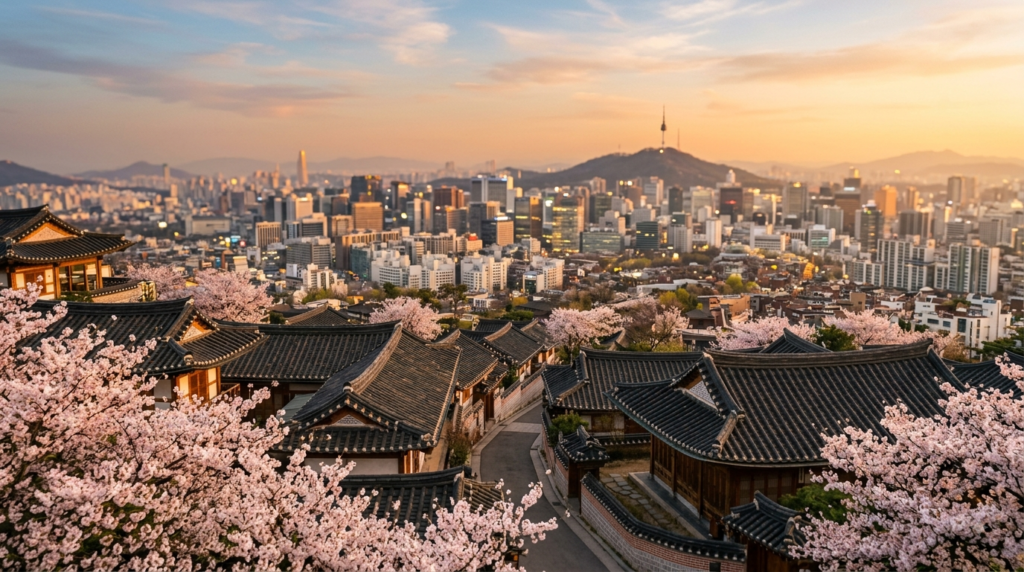
Imagine strolling through Seoul’s vibrant streets, where the aroma of sizzling street food blends with the serenity of ancient hanok villages. South Korea’s cultural tapestry, woven with K-dramas, K-pop, and timeless traditions, captivates millions worldwide. Yet, amid this dynamic allure, many seek to create wellness in South Korea by embracing its holistic practices. Modern life often brings stress and burnout, leaving us yearning for balance. This article unveils actionable ways to integrate Korean wellness traditions—rooted in nature, mindfulness, and community—into your life, whether you’re a K-culture fan, traveler, or expat. As a Korean culture enthusiast who has studied its traditions for years, I’ve drawn on insights from wellness experts and cultural scholars to craft a guide that’s both authentic and practical.
Understanding Wellness Through Korean Culture
The Korean Philosophy of Balance
Korean wellness is deeply rooted in the cultural concepts of heung (joyful energy) and han (emotional depth). These philosophies, influenced by Confucianism and Buddhism, emphasize harmony between body, mind, and community. In K-dramas like Crash Landing on You, characters often find solace in nature or family, reflecting this balance. According to Dr. Min-soo Kim, a Seoul-based cultural historian, “Korean wellness is about aligning personal energy with the rhythms of nature and society.” This holistic approach offers a blueprint for a balanced life, making it highly relevant for those seeking to reduce stress and enhance well-being.
Why Korean Wellness Resonates Globally
The global fascination with Korean culture—from K-beauty’s $13.9 billion market (Statista, 2024) to K-pop’s universal appeal—extends to its wellness practices. Fans of BTS or Squid Game are drawn to Korea’s emphasis on self-care and resilience, which resonate with universal desires for mental and physical health. Whether it’s the meditative calm of a temple stay or the vibrant energy of a K-pop dance class, Korean wellness offers accessible, culturally rich solutions. This article taps into that appeal, providing K-culture enthusiasts with practical ways to integrate these practices into their daily lives.
Traditional Korean Wellness Practices
Hanbang (Traditional Korean Medicine)
Hanbang, Korea’s traditional medicine, uses herbal remedies, acupuncture, and dietary balance to promote health. Rooted in centuries-old practices, it focuses on restoring the body’s qi (energy). For example, ginseng tea, a hanbang staple, boosts energy and immunity. Dr. Hye-jin Park, a hanbang practitioner, notes, “Herbs like ginseng and jujube harmonize the body’s yin and yang, reducing stress.” To incorporate hanbang at home, try brewing ginseng tea (available at most Asian markets) or adding red bean porridge to your diet for its anti-inflammatory benefits. These small steps align with Korea’s philosophy of incremental, sustainable wellness.
Korean Bathhouse Culture (Jjimjilbang)
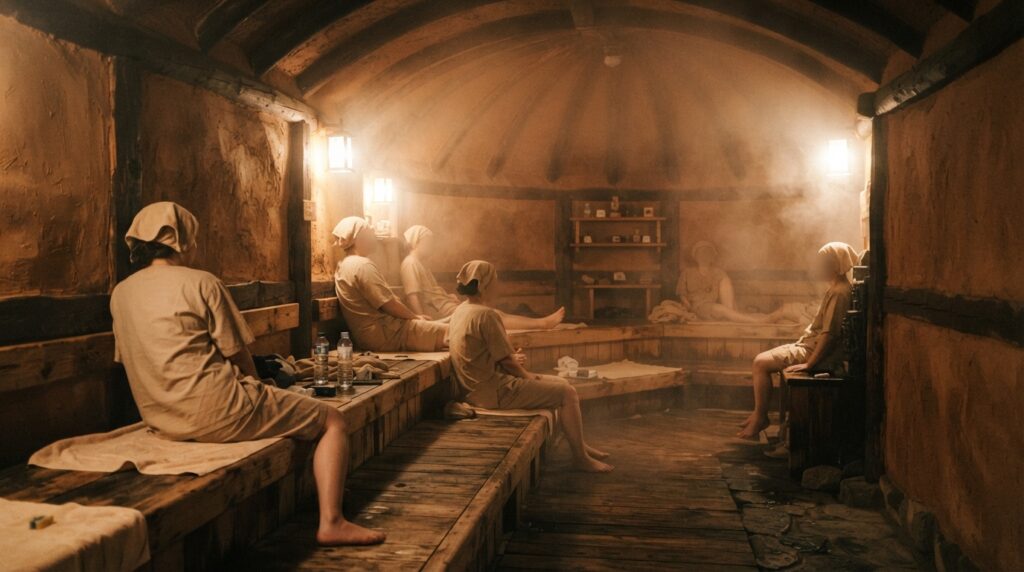
The jjimjilbang, Korea’s communal bathhouses, are sanctuaries of relaxation. These 24-hour wellness hubs offer saunas, hot tubs, and sleeping rooms, fostering physical and mental rejuvenation. A 2023 study in Journal of Thermal Biology found that sauna therapy reduces stress hormones by 30%. To recreate this at home, set up a warm bath with Epsom salts, dim the lights, and play soothing Korean instrumental music. Designate a “no-phone” hour to mimic the jjimjilbang’s unplugging ethos. This practice not only cleanses the body but also fosters mindfulness, a cornerstone of Korean wellness.
Nature and Mindfulness in Korean Tradition
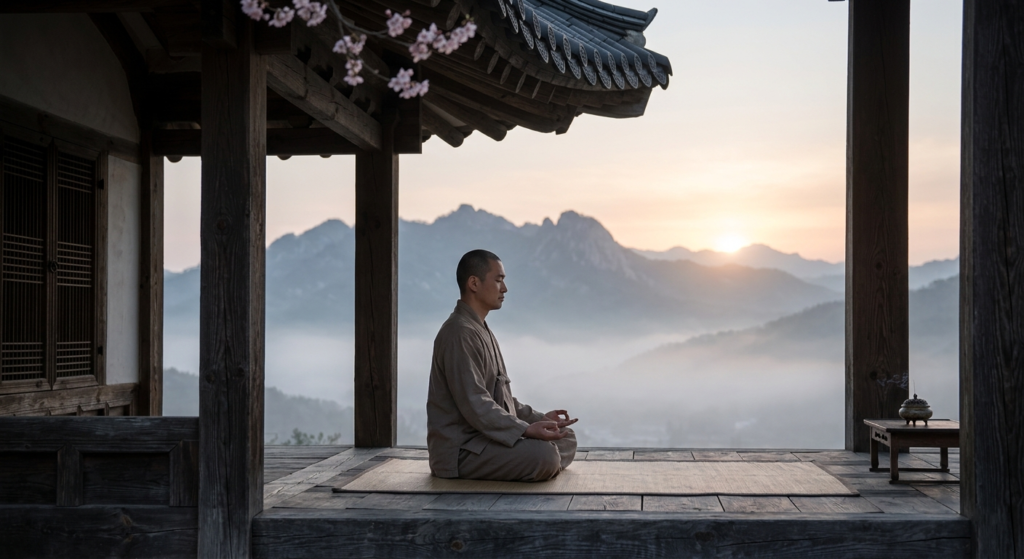
Korea’s love for nature is evident in its 22 national parks and temple stay programs. Hiking in places like Seoraksan or participating in a temple stay at Haeinsa offers a chance to reconnect with oneself. Seon (Zen) meditation, practiced by Korean monks, emphasizes mindfulness through focused breathing. To try it, sit cross-legged, close your eyes, and focus on your breath for 10 minutes, imagining a serene Korean mountain. This practice, as Buddhist monk Venerable Hyangjeok explains, “clears the mind, fostering inner peace.” Beginners can access guided seon meditations on apps like Insight Timer, blending tradition with modern accessibility.
Modern Korean Wellness Trends
K-Beauty and Self-Care Rituals
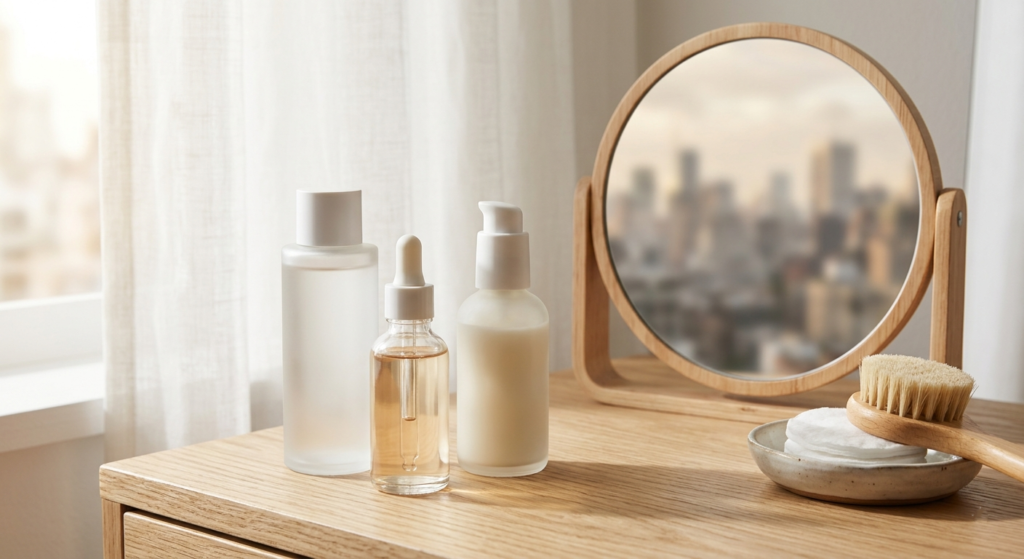
K-beauty’s 10-step skincare routine is more than a trend—it’s a philosophy of self-care as self-love. Dermatologist Dr. Soo-jin Lee explains, “K-beauty encourages mindfulness through intentional rituals.” For beginners, a simplified 5-step routine—cleanser, toner, essence, moisturizer, and sunscreen—takes just 10 minutes. Use products with natural ingredients like green tea or centella asiatica, widely available online. This routine not only enhances skin health but also boosts mental well-being by creating a moment of calm. Debunking myths, it’s neither time-consuming nor expensive when tailored to your needs.
K-Pop and K-Drama Inspired Fitness
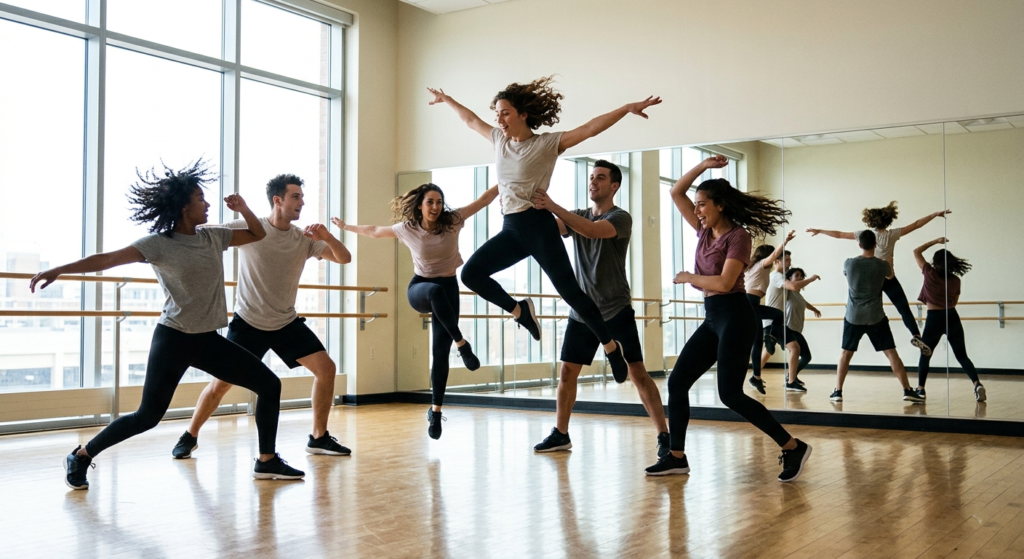
K-pop’s high-energy choreography, like BTS’s Dynamite or BLACKPINK’s How You Like That, doubles as a fun fitness trend. A 2024 study in Frontiers in Psychology found that dance workouts improve mood by 25%. Platforms like YouTube offer free K-pop dance tutorials, such as those by 1MILLION Dance Studio, suitable for all levels. Similarly, K-dramas like Start-Up inspire resilience and goal-setting, which can motivate mental wellness. Try a 20-minute K-pop dance session three times a week to blend physical activity with the joy of Korean culture.
Korean Food for Wellness
Korean cuisine, with dishes like bibimbap and kimchi, is a cornerstone of wellness. Kimchi’s probiotics support gut health, linked to better mood regulation (per a 2023 Nutrients study). Samgyetang (ginseng chicken soup) boosts immunity with its nutrient-dense ingredients. Here’s a simple vegan bibimbap recipe:
- Ingredients: Brown rice, spinach, carrots, zucchini, shiitake mushrooms, gochujang sauce, sesame oil.
- Steps: Cook rice, sauté vegetables separately, arrange in a bowl, and top with gochujang.
This dish, rich in fiber and antioxidants, is both nourishing and culturally immersive.
Integrating Korean Wellness into Your Daily Life
Creating a Korean-Inspired Morning Routine
Starting your day with intention can transform your well-being, and Korean culture offers a blueprint for a mindful morning. Inspired by the disciplined routines often depicted in K-dramas like Hospital Playlist, where characters prioritize balance, you can craft a routine that sets a positive tone. Begin with a cup of barley tea (boricha), known for its calming properties and hydration benefits. Follow with five minutes of light stretching, drawing from taekwondo warm-up moves like arm circles or leg swings to awaken your body. End with journaling, reflecting on a K-drama-inspired question like, “What brings me heung (joy) today?” This 15-minute routine fosters mindfulness and energy, aligning with Korea’s emphasis on harmony.
Practical Tip: Keep a small notebook by your bedside for quick journaling. Apps like Day One can digitize this habit for convenience.
Building a Home Wellness Space
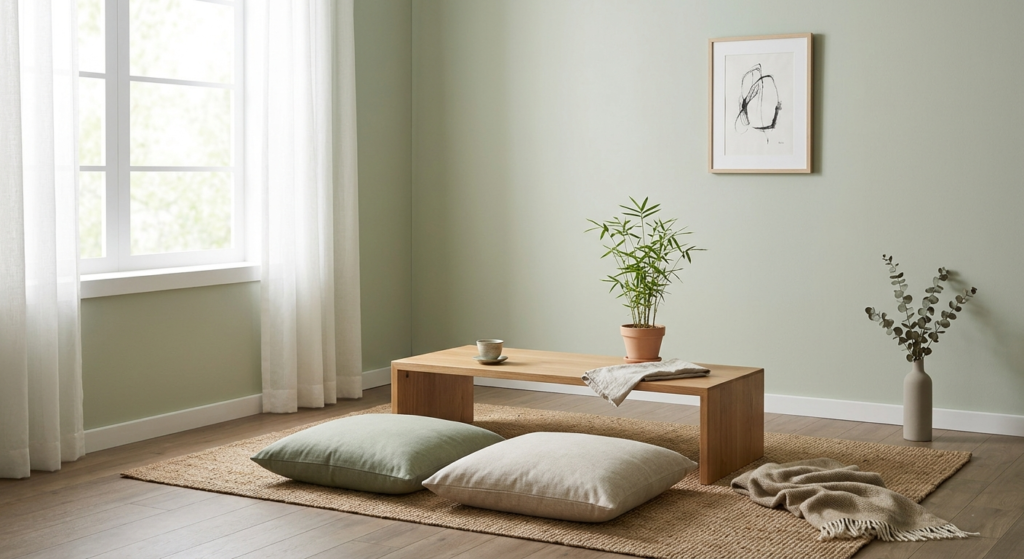
Korean homes often embody minimalist beauty, inspired by hanok architecture, which promotes tranquility. To create a wellness space, choose a quiet corner of your home and add floor cushions (bangseok) or a low table for a Korean aesthetic. Use neutral colors like beige or sage green, reflecting Korea’s natural palette. Incorporate feng shui-inspired principles, such as placing plants like bamboo for growth and serenity. According to interior designer Ji-young Park, “A clutter-free space mirrors a clutter-free mind.” Affordable decor options include IKEA’s minimalist cushions or DIY paper lanterns inspired by Korean designs.
Actionable Advice: Dedicate this space for meditation or reading K-literature, like The Vegetarian by Han Kang, to deepen your cultural connection.
Community and Connection, Korean-Style
Korean culture places immense value on community, evident in shared meals or group activities like noraebang (karaoke). This sense of togetherness boosts mental health, as a 2024 Journal of Social Psychology study found that social bonding reduces stress by 20%. Host a K-drama watch party with friends, watching hits like Vincenzo while enjoying homemade tteokbokki. Alternatively, join online K-culture communities on platforms like Reddit’s r/kdrama to share wellness tips. These activities foster a sense of belonging, a key pillar of Korean wellness.
Practical Tip: Organize a monthly K-culture night with friends, rotating themes like K-pop dance-offs or Korean cooking challenges.
Wellness Travel: Experiencing South Korea’s Healing Culture
Top Wellness Destinations in South Korea

South Korea’s diverse landscapes and cultural sites make it a haven for wellness tourism. Jeju Island, with its volcanic trails and serene beaches, is ideal for nature-based healing. Busan’s Haeundae hot springs offer thermal relaxation, while Seoul’s Bongeunsa Temple provides temple stay programs for mindfulness. According to the Korea Tourism Organization, wellness tourism grew by 15% in 2024, reflecting global interest. Plan your visit in spring or autumn for mild weather, and book temple stays through sites like templestay.com for an authentic experience.
Travel Tip: Pack comfortable hiking shoes for Jeju’s Hallasan or Seoraksan trails, and check temple stay schedules in advance.
Cultural Immersion for Wellness
Immersing yourself in Korean culture amplifies wellness benefits. Attend a traditional tea ceremony in Seoul’s Bukchon Hanok Village to practice mindfulness through deliberate movements. Join a K-pop dance class at studios like Seoul’s 1MILLION for a fun, energizing workout. Traveler Sarah Kim, who visited in 2023, shares, “Learning a BTS choreography in Seoul felt like connecting with Korea’s vibrant spirit.” These activities blend physical activity with cultural appreciation, making wellness both meaningful and enjoyable.
Actionable Advice: Search for virtual Korean tea ceremony tutorials on YouTube or enroll in online K-pop dance classes if travel isn’t feasible.
Overcoming Challenges in Adopting Korean Wellness
Common Barriers and Solutions
Adopting Korean wellness practices can feel daunting due to time constraints or limited access to ingredients. For instance, sourcing hanbang herbs like jujube may be challenging outside Asia. Solution: Shop at global retailers like H Mart or Amazon for Korean teas and spices. Time-crunched readers can streamline practices, such as doing a three-step K-beauty routine (cleanser, moisturizer, sunscreen) instead of 10. Cultural unfamiliarity can also be a hurdle; start with accessible entry points like watching a K-drama with wellness themes, such as It’s Okay to Not Be Okay.
Practical Tip: Use apps like Paprika to organize Korean recipes, ensuring you have ingredients ready for quick meals.
Staying Authentic While Adapting
Expert Insight: Engage with Korean cultural blogs or books like The Birth of Korean Cool by Euny Hong for deeper understanding.
FAQs
What is the easiest Korean wellness practice to start with?
Begin with mindfulness exercises, like a five-minute seon meditation, or add kimchi to your meals for gut health benefits. Both are accessible and impactful.
Can I practice Korean wellness without visiting South Korea?
Absolutely. Online resources (e.g., K-beauty products on YesStyle, K-pop tutorials on YouTube) and cultural media like K-dramas make it possible anywhere.
How does K-beauty contribute to mental wellness?
K-beauty’s intentional rituals foster self-care, boosting confidence and reducing stress through mindful routines.
Are there affordable ways to experience Korean wellness?
Yes, try DIY skincare with affordable brands like The Ordinary, or cook simple Korean dishes using pantry staples like rice and vegetables.
How do K-dramas inspire wellness?
Shows like Reply 1988 highlight community and resilience, encouraging viewers to prioritize relationships and mental strength.
Creating wellness in South Korea is more than adopting practices—it’s about embracing a cultural mindset of balance, joy, and connection. From hanbang remedies to K-pop workouts, these traditions offer practical, enriching ways to enhance your life. Start small: try a bibimbap recipe, meditate for five minutes, or dance to your favorite K-pop song. Share your journey in the comments below, and explore our site for more K-drama-inspired tips to deepen your cultural wellness adventure. Let Korea’s vibrant spirit guide you toward a more balanced, joyful life.