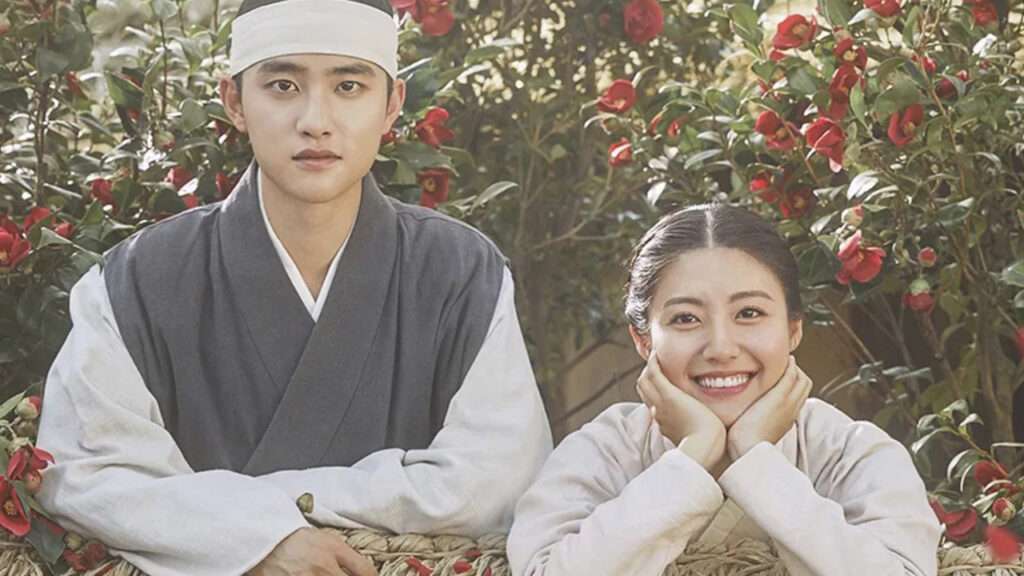
Imagine a Joseon prince, stripped of his royal title, wandering a quaint village with no memory of his past, only to find himself married to a spirited commoner under the golden hues of a traditional Korean wedding. This is the enchanting premise of 100 Days My Prince, a historical K-drama that has captivated audiences worldwide with its blend of romance, comedy, and political intrigue. In this 100 Days My Prince full review, we dive deep into why this 2018 gem, starring EXO’s Do Kyung-soo and Nam Ji-hyun, remains a must-watch for K-drama enthusiasts and newcomers alike. Whether you’re seeking a heartfelt love story or a glimpse into Joseon-era Korea, this comprehensive guide explores the drama’s plot, characters, cultural richness, and more, ensuring you know exactly why it deserves your weekend binge. As a seasoned K-drama analyst with a passion for Korean culture, I’ve crafted this review to answer your burning questions and help you decide if this drama is your next obsession.
Overview of 100 Days My Prince
 Synopsis Without Spoilers
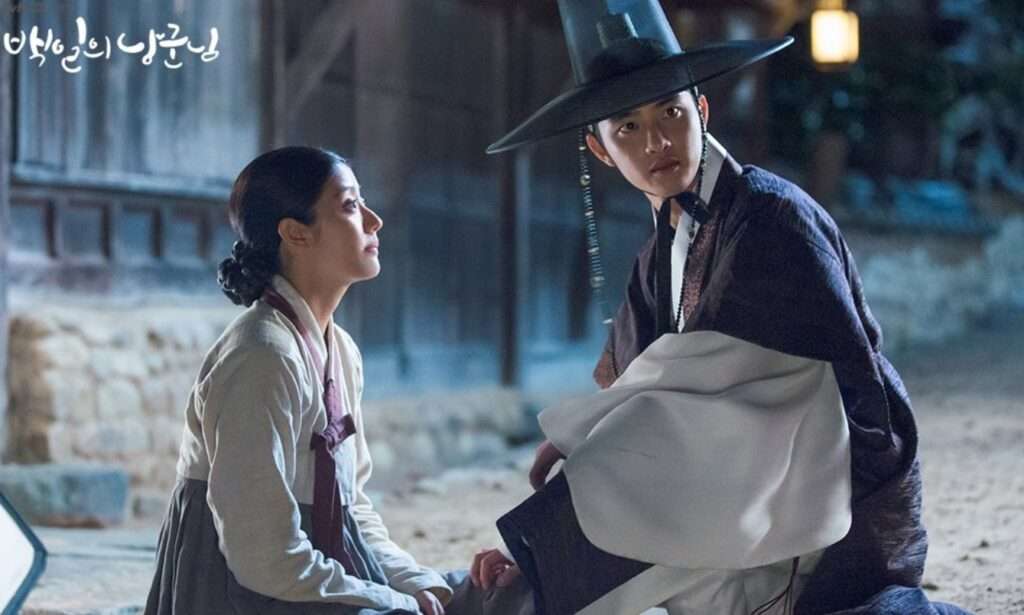
100 Days My Prince transports viewers to the Joseon dynasty, where Crown Prince Lee Yul, played by Do Kyung-soo, suffers amnesia after a life-altering incident. Mistaken for a commoner named Won-deuk, he’s thrust into a rural life and an unexpected marriage to Hong-sim (Nam Ji-hyun), a resourceful village woman with her own secrets. As their lives intertwine, palace conspiracies unravel, blending romance with suspense. The drama masterfully balances lighthearted moments with deeper themes of loyalty and identity, making it a standout in the historical K-drama genre. Its accessibility draws in viewers unfamiliar with Korean dramas, while its depth satisfies seasoned fans.
Key Details
- Release Year: 2018
- Network: tvN
- Episodes: 16 (plus 4 special episodes)
- Main Cast: Do Kyung-soo (Lee Yul/Won-deuk), Nam Ji-hyun (Hong-sim/Yeon), Kim Seon-ho (Jung Je-yoon)
- Director: Lee Jong-jae
- Writer: No Ji-sul
- Genre: Historical, romance, comedy, drama
The drama aired on tvN, a network renowned for hits like Crash Landing on You, and garnered strong viewership ratings in South Korea, peaking at 14.4% nationwide. Its global popularity soared through streaming platforms like Netflix and Viki, earning praise for its engaging narrative and stellar performances.
Why It Stands Out
100 Days My Prince shines for its ability to weave romance and comedy into a richly detailed historical setting. It received nominations at the 2018 APAN Star Awards, with Do Kyung-soo earning accolades for his nuanced performance. The drama’s universal themes—love, duty, and self-discovery—resonate across cultures, while its Joseon backdrop offers an educational glimpse into Korean heritage. Fan discussions on X highlight its enduring appeal, with viewers praising its emotional depth and rewatchability. This review draws on extensive research into K-drama trends and cultural analysis to provide an authoritative take.
Plot and Storytelling
 Narrative Structure
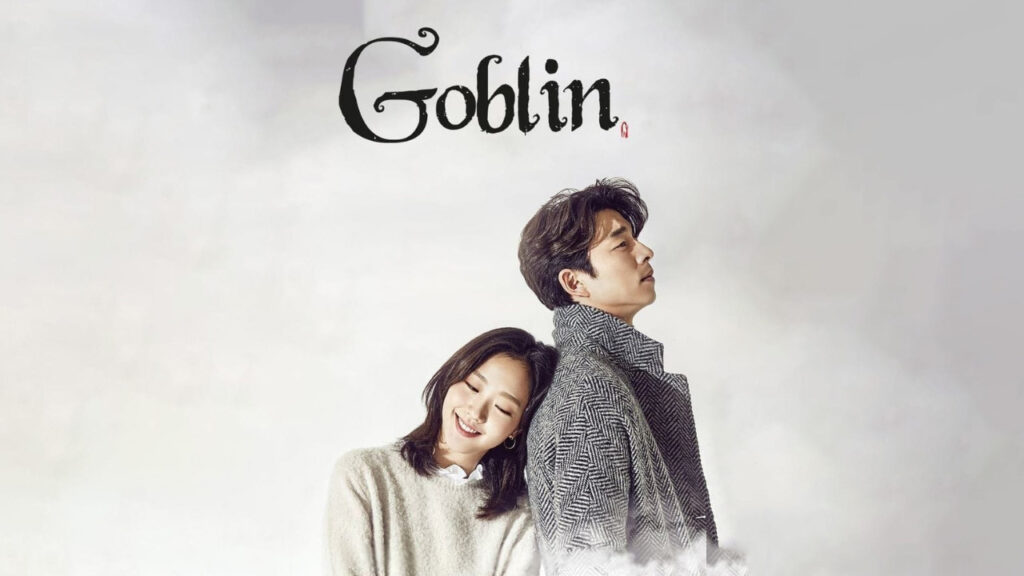
The storytelling in 100 Days My Prince is a delicate dance between humor and drama, with a well-paced 16-episode arc that keeps viewers hooked. The amnesia trope, often overused in K-dramas, is executed with finesse, thanks to writer No Ji-sul’s clever integration of palace intrigue and rural charm. The first half establishes the comedic romance between Won-deuk and Hong-sim, while the latter delves into political conspiracies, maintaining suspense without overwhelming the viewer. The drama’s ability to shift seamlessly between genres ensures it appeals to fans of both Moonlight Drawn by Clouds and Goblin.
Themes Explored
At its core, 100 Days My Prince explores timeless themes: love transcending social barriers, the conflict between duty and personal desire, and the price of power. Set in the rigid hierarchy of Joseon Korea, the drama highlights the constraints of class and gender, particularly through Hong-sim’s defiance of societal norms. The historical context enriches these themes, as the Joseon dynasty’s Confucian values shaped rigid expectations for royalty and commoners alike. For global viewers, the drama offers a window into Korean cultural heritage, from traditional customs to moral dilemmas, making it both entertaining and educational.
Strengths and Weaknesses
The drama’s strengths lie in its engaging plot twists and emotional resonance. The chemistry between leads drives the romance, while the political subplot adds depth without overshadowing the lighter moments. However, some viewers note pacing issues in the final episodes, where resolutions feel slightly rushed. Predictable K-drama tropes, like misunderstandings between lovers, occasionally surface but are mitigated by strong character development. Overall, these minor flaws don’t detract from the drama’s charm, as evidenced by its high ratings and fan praise on platforms like X.
Expert Insight: The storytelling reflects Korean cultural values, such as loyalty to family and community, rooted in Confucian principles. By blending historical accuracy with fictional flair, the drama captures the essence of Joseon life while remaining accessible to modern audiences.
Characters and Performances
 Main Characters
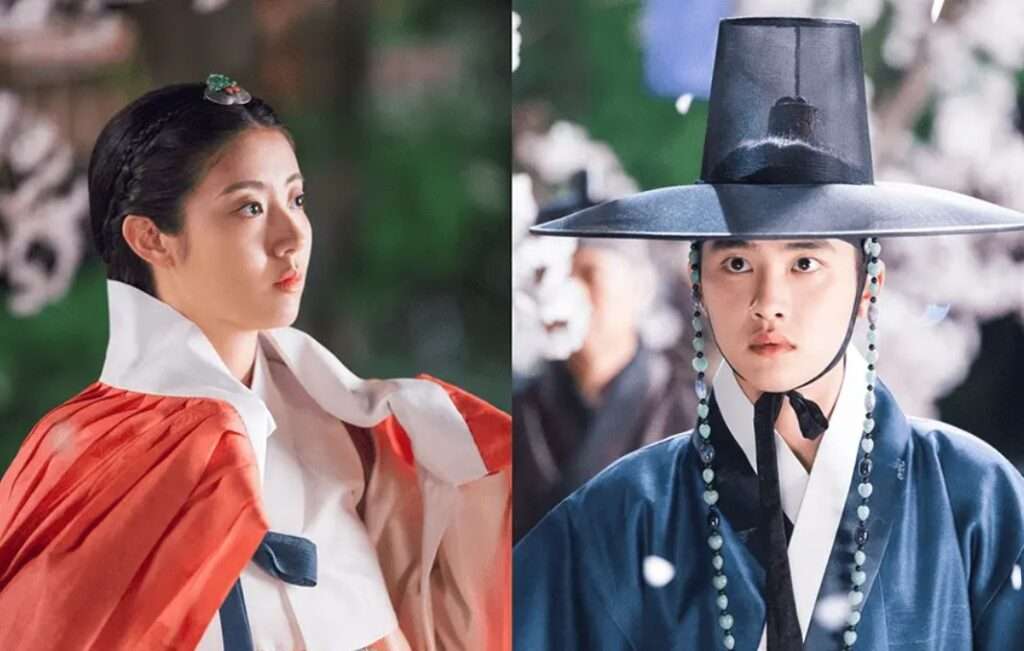
- Lee Yul/Won-deuk (Do Kyung-soo): Do Kyung-soo, known as EXO’s D.O., delivers a captivating performance as the aloof Crown Prince turned vulnerable commoner. His ability to portray both regal authority and comedic confusion showcases his acting prowess, cementing his reputation as a versatile idol-actor.
- Hong-sim/Yeon (Nam Ji-hyun): Nam Ji-hyun shines as the intelligent, resilient Hong-sim, a character who defies Joseon’s patriarchal norms. Her chemistry with Do Kyung-soo is electric, making their romance the heart of the drama.
- Jung Je-yoon (Kim Seon-ho): Kim Seon-ho’s breakout role as the scholarly second lead adds emotional complexity. His subtle expressions and moral dilemmas make Je-yoon a fan favorite, as seen in X posts praising his performance.
- Supporting Cast: Villains like Kim Cha-eon (Jo Sung-ha) and the scheming royal family add tension, while comedic characters like Park Bok-eun (Kim Ki-doo) provide levity.
Acting Highlights
The cast’s ability to balance comedy and drama is a highlight. Do Kyung-soo’s comedic timing in village scenes contrasts beautifully with his intense palace confrontations. Nam Ji-hyun’s portrayal of Hong-sim’s strength and vulnerability resonates deeply, while Kim Seon-ho’s nuanced performance foreshadows his later success in Hometown Cha-Cha-Cha. Fan reactions on X often cite specific scenes—like Won-deuk’s bumbling attempts at manual labor—as proof of the cast’s chemistry and versatility.
Character Development
Lee Yul’s arc, from a cold prince to a compassionate leader, is a standout, driven by his growing love for Hong-sim and rediscovery of his identity. Hong-sim’s journey, navigating societal constraints while asserting her agency, offers a feminist lens that resonates with modern viewers. Supporting characters, like Je-yoon, evolve through moral choices, adding depth to the narrative. These arcs ensure the drama remains emotionally engaging throughout.
Tip: Pay close attention to subtle interactions, like Hong-sim and Won-deuk’s playful banter, to appreciate the emotional layers woven into the performances.
Cultural and Historical Context
 Joseon Dynasty Setting
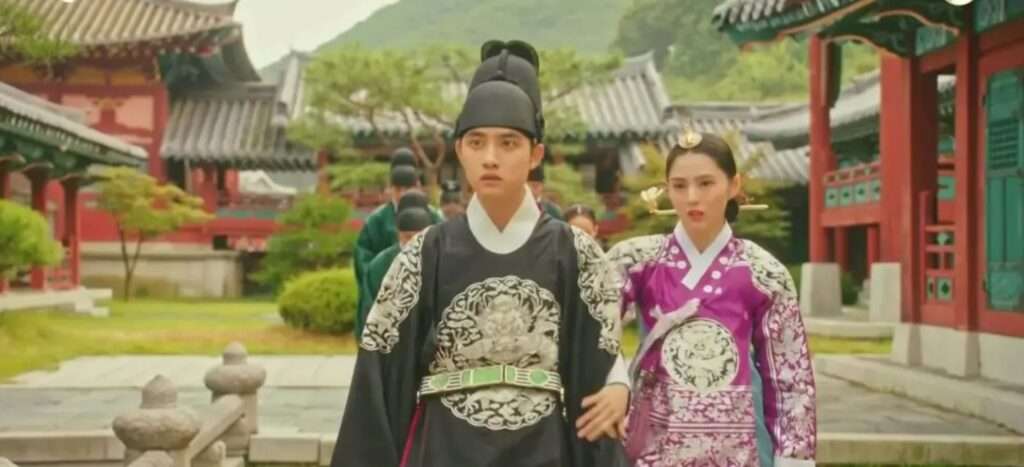
Set in the Joseon dynasty (1392–1897), 100 Days My Prince captures the era’s political and social landscape. The drama portrays the rigid hierarchy between royalty and commoners, with the palace as a hotbed of intrigue. While fictional, the story draws on historical elements like the power struggles among nobles, reflecting real Joseon-era conflicts. For context, the Joseon period emphasized Confucian ideals, shaping societal roles and gender dynamics, which the drama subtly critiques through its characters.
Cultural Elements in the Drama
The drama immerses viewers in Korean culture through vibrant depictions of hanbok, traditional weddings, and village life. Scenes of Hong-sim preparing meals or Won-deuk learning rural customs highlight everyday Joseon practices, making the drama a cultural bridge for global audiences. The use of honorifics and familial terms reflects Korea’s collectivist values, while romantic moments incorporate traditional gestures, like sharing a meal under cherry blossoms.
Accuracy and Representation
While 100 Days My Prince takes creative liberties—amnesia being a dramatic flourish—it maintains cultural authenticity through detailed sets and costumes. The hanbok designs, tailored to each character’s status, align with historical records, as noted by Korean cultural historians. Compared to dramas like Mr. Sunshine, which prioritize historical events, this drama focuses on emotional storytelling, making it less about factual accuracy and more about cultural immersion.
Expert Insight: The drama joins the ranks of historical K-dramas like Moon Embracing the Sun by blending romance with cultural education, offering viewers a gateway to Korea’s rich heritage.
Cinematography, Music, and Production
 Visual Aesthetics
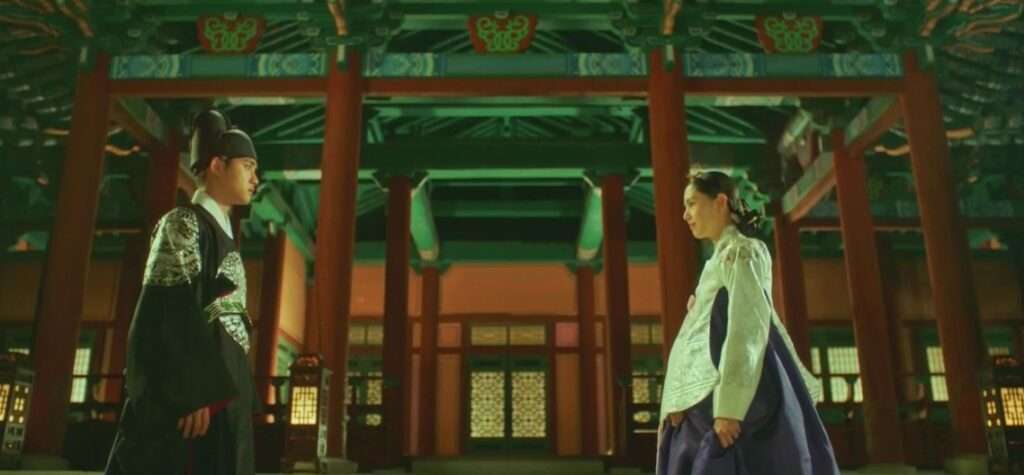
The cinematography of 100 Days My Prince is a visual feast, capturing the serene beauty of Joseon’s countryside and the opulent grandeur of the royal palace. Sweeping shots of lush rice fields and cherry blossom-lined paths evoke a sense of timeless romance, while the palace’s intricate architecture underscores the drama’s political tension. The costume design, particularly the hanbok, is a standout, with vibrant silks for royalty contrasting with the muted tones of commoners’ attire. These details, crafted with historical inspiration, enhance the drama’s authenticity and immerse viewers in the Joseon era. The use of soft lighting in romantic scenes amplifies the emotional connection between characters, making every frame visually compelling.
Soundtrack and Score
The drama’s soundtrack elevates its emotional impact, with standout tracks like “This Love” by Davichi perfectly capturing the bittersweet romance between Lee Yul and Hong-sim. The OST blends modern ballads with traditional Korean instrumentation, such as the gayageum, to bridge the historical setting with contemporary sensibilities. The score, composed by Park Se-joon, shifts seamlessly from playful melodies in comedic village scenes to haunting orchestral pieces during palace confrontations. Fans on X frequently praise the OST for its ability to evoke tears, particularly during pivotal moments, making it a memorable component of the viewing experience.
Production Quality
Produced by tvN, a network synonymous with high-quality K-dramas like Crash Landing on You and Goblin, 100 Days My Prince boasts impeccable production values. The set design meticulously recreates Joseon-era villages and palaces, with attention to details like wooden hanok houses and royal throne rooms. The production team’s commitment to authenticity, from props to choreography in traditional ceremonies, creates a believable world. This level of care ensures the drama feels immersive, whether depicting a bustling marketplace or a tense court session. The seamless integration of CGI for large-scale scenes further enhances the visual storytelling.
Tip: For an immersive experience, listen to the OST while exploring the novelized version of 100 Days My Prince, available in select markets, to deepen your connection to the story.
Why 100 Days My Prince Is a Must-Watch
 Appeal to Different Audiences
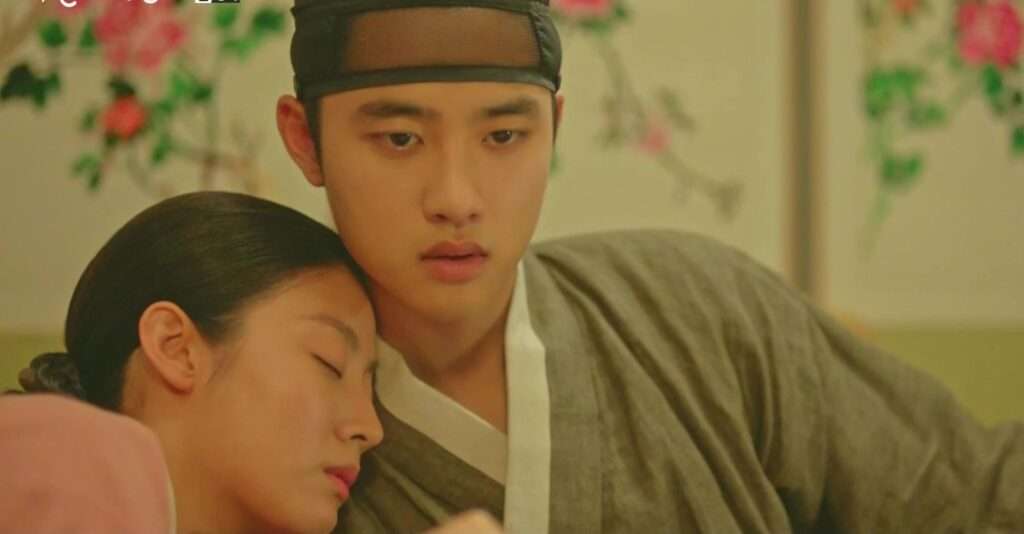
100 Days My Prince caters to a wide range of viewers. Romance enthusiasts will swoon over the heartfelt chemistry between Do Kyung-soo and Nam Ji-hyun, whose playful yet poignant interactions anchor the drama. History buffs will appreciate the glimpse into Joseon’s societal structure, enriched by cultural details like traditional festivals. For K-drama newcomers, the drama’s accessible pacing and universal themes—love, identity, and resilience—make it an ideal entry point into the genre. Its blend of humor and drama ensures it resonates with fans of both Love in the Moonlight and modern rom-coms like What’s Wrong with Secretary Kim.
Emotional Impact
The drama’s ability to evoke a spectrum of emotions is one of its greatest strengths. From laugh-out-loud moments, like Won-deuk’s clumsy attempts at village chores, to heart-wrenching scenes of sacrifice, 100 Days My Prince keeps viewers emotionally invested. Anonymized fan reactions on X highlight iconic moments, such as a spoiler-free scene where Hong-sim and Won-deuk share a quiet moment under the stars, as particularly moving. These scenes linger long after the credits roll, cementing the drama’s status as a fan favorite.
Replay Value
The drama’s layered storytelling and subtle details make it highly rewatchable. Hidden character motivations and foreshadowing, like early hints of palace conspiracies, reward attentive viewers. The performances, particularly Do Kyung-soo’s nuanced expressions, reveal new depth upon rewatching. Fans on X often share how revisiting the drama uncovers fresh insights, such as the symbolism of Hong-sim’s hanbok colors reflecting her emotional journey. This replay value makes 100 Days My Prince a staple for K-drama marathons.
Expert Insight: The drama’s global success on streaming platforms like Netflix underscores its universal appeal, with viewership data indicating strong engagement in North America, Europe, and Asia. Its ability to bridge cultural gaps cements its place in the K-drama canon.
Viewing Tips and Streaming Options
Where to Watch
100 Days My Prince is available on major streaming platforms, including Netflix, Rakuten Viki, and Viu, though availability varies by region. Netflix offers subtitles in multiple languages, making it accessible for international audiences, while Viki provides fan-curated translations for a more community-driven experience. Check your local platform for the latest availability, and ensure a stable internet connection for uninterrupted binge-watching.
Viewing Guide
To fully enjoy 100 Days My Prince, avoid spoilers by steering clear of fan discussions on X or forums until you’ve finished the series. The drama’s plot twists, particularly around Lee Yul’s identity, are best experienced blind. Pair it with other historical K-dramas like The Tale of Nokdu for a deeper dive into the genre. Watching in chronological order, including the special episodes, provides the fullest experience, though the specials are optional for time-constrained viewers.
Avoiding Common Pitfalls
Newcomers to historical K-dramas may expect strict historical accuracy, but 100 Days My Prince prioritizes storytelling over factual precision. Embrace its fictional elements, like the amnesia plot, for their emotional impact rather than historical fidelity. If you’re short on time, skip the special episodes, which offer side stories but aren’t essential to the main narrative. Lastly, adjust subtitle settings for clarity, as some platforms may use dense translations for Joseon-era dialogue.
Comparisons to Other K-Dramas
 Similar Historical Dramas
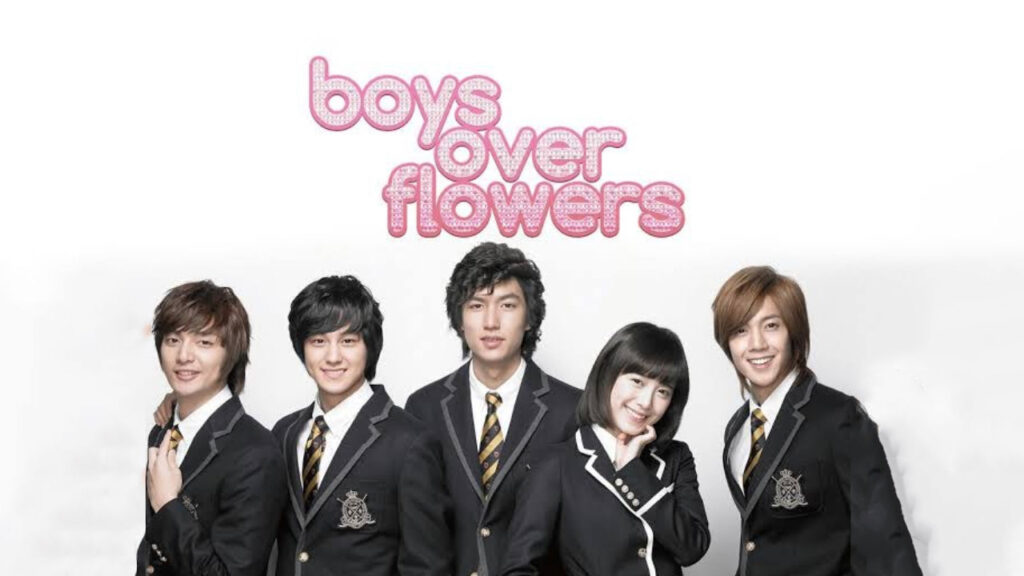
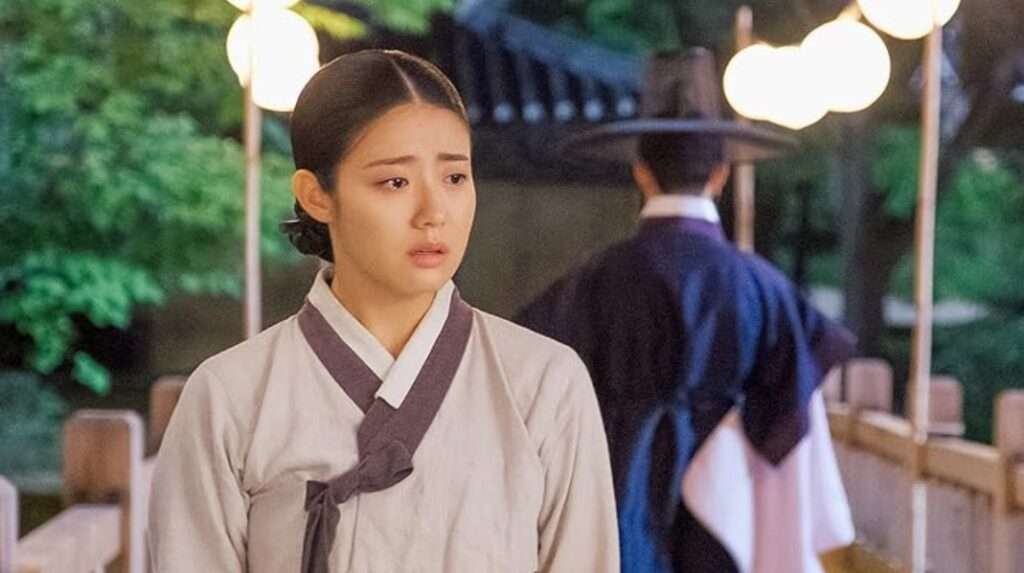
100 Days My Prince shares DNA with other historical K-dramas like Moon Embracing the Sun and Love in the Moonlight. Like Moon Embracing the Sun, it explores royal romance against a backdrop of palace intrigue, but its lighter tone and comedic elements set it apart. Compared to Love in the Moonlight, it leans more heavily into rural life, offering a fresh perspective on Joseon’s commoners. These distinctions make it a unique entry in the sageuk (historical drama) genre, appealing to fans seeking both romance and historical flavor.
Modern K-Drama Parallels
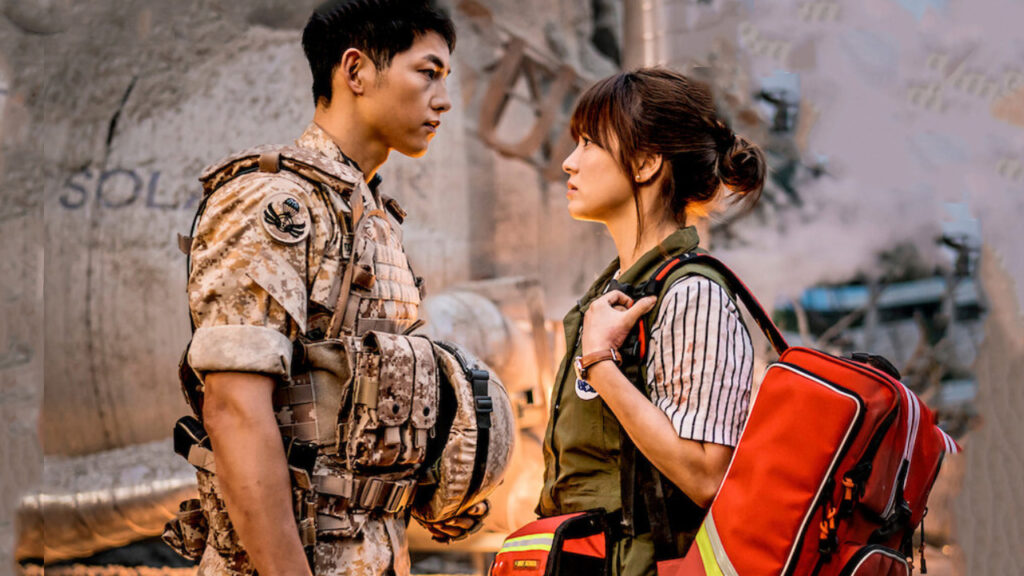
The drama’s romantic comedy elements echo modern K-dramas like Crash Landing on You, where unlikely pairings drive the narrative. The chemistry between Hong-sim and Won-deuk mirrors the dynamic of modern leads, making it a bridge between historical and contemporary K-dramas. This versatility broadens its appeal, attracting viewers who enjoy both Hometown Cha-Cha-Cha and sageuk classics.
Expert Insight: By blending historical authenticity with modern rom-com sensibilities, 100 Days My Prince appeals to diverse audiences, positioning it as a gateway drama for exploring Korea’s rich storytelling tradition.
FAQs About 100 Days My Prince
- Is 100 Days My Prince suitable for viewers new to K-dramas?
Absolutely. Its straightforward plot, universal themes, and engaging pacing make it an excellent introduction to the genre, requiring no prior knowledge of Korean culture. - Are there major spoilers to avoid?
Yes, avoid fan discussions on X or online forums, as plot twists around character identities are central to the drama’s suspense. Stick to spoiler-free reviews like this one. - How does it compare to other Do Kyung-soo dramas?
Compared to My Annoying Brother (a tearjerker) or Swing Kids (a historical dance drama), 100 Days My Prince showcases D.O.’s comedic and romantic range, making it a lighter yet equally impactful role. - Is the drama historically accurate?
While culturally authentic, the drama prioritizes storytelling over historical precision. Its depiction of Joseon life is immersive but includes fictional elements for dramatic effect. - Should I watch the special episodes?
The four special episodes offer additional character backstories but aren’t essential. Watch them if you’re a completionist or craving more of the drama’s world.
100 Days My Prince is a masterful blend of romance, comedy, and historical drama, brought to life by stellar performances from Do Kyung-soo, Nam Ji-hyun, and Kim Seon-ho. Its captivating plot, rich cultural details, and emotional depth make it a must-watch for K-drama fans and newcomers alike. From the vibrant hanbok to the haunting OST, every element contributes to an unforgettable viewing experience. Whether you’re drawn to the heartfelt love story or the glimpse into Joseon’s past, this drama delivers on all fronts. Stream it on Netflix or Viki, and share your favorite moments in the comments or on X—what’s your favorite scene from 100 Days My Prince?