
Imagine binge-watching a Korean drama that not only captivates you with its heartfelt story but also challenges you to rethink society’s obsession with beauty. My ID is Gangnam Beauty, a global sensation, does exactly that, sparking conversations about the Gangnam Beauty meaning and its profound cultural implications. As K-dramas soar in popularity worldwide, understanding this term offers a window into South Korea’s complex beauty culture and the universal quest for self-acceptance. In this article, we’ll explore the origins of “Gangnam Beauty,” its portrayal in the drama, and how it inspires viewers to embrace self-love over societal pressures. Drawing on cultural insights, expert perspectives, and fan reactions, this comprehensive guide unpacks why My ID is Gangnam Beauty resonates so deeply and what it teaches us about redefining beauty.
What Is the Gangnam Beauty Meaning?
 Defining “Gangnam Beauty”
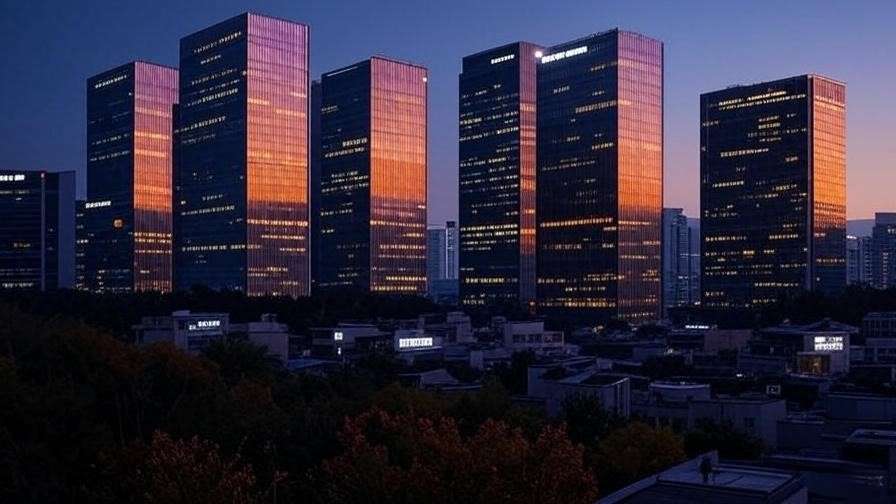
The term “Gangnam Beauty” refers to a cultural phenomenon in South Korea, describing individuals—often women—who undergo extensive cosmetic surgery to achieve a polished, idealized appearance associated with Seoul’s affluent Gangnam district. Gangnam, a glitzy neighborhood known for its wealth and trendsetting culture, has become synonymous with a specific aesthetic: flawless skin, symmetrical features, and a “perfect” look often crafted through procedures like double-eyelid surgery or jawline contouring. The term, however, carries a dual connotation—admiration for the polished result and subtle critique of the societal pressures driving such transformations.
My ID is Gangnam Beauty, a 2018 K-drama based on a popular webtoon, brought this term to global audiences. The drama follows Kang Mi-rae, a young woman who undergoes plastic surgery to escape bullying, only to face new challenges in navigating societal judgment and self-worth. By using “Gangnam Beauty” as its title, the drama critiques the superficial standards tied to this term while championing inner beauty.
Origins of the Term
The “Gangnam Beauty” phenomenon is deeply rooted in South Korea’s booming cosmetic surgery industry. South Korea performs more plastic surgeries per capita than any other country, with over 1 million procedures annually, according to a 2023 report by the International Society of Aesthetic Plastic Surgery. Gangnam, with its high-end clinics and luxury lifestyle, is the epicenter of this trend. The term emerged in the early 2000s as cosmetic surgery became mainstream, fueled by media portrayals of idealized beauty and societal expectations for appearance, particularly in competitive settings like job interviews or dating.
Dr. Kim Soo-jung, a Seoul-based sociologist, explains, “The ‘Gangnam Beauty’ label reflects both aspiration and critique. It captures the desire for social mobility through appearance but also highlights the pressure to conform to rigid standards.” This duality makes the term a powerful lens for understanding South Korea’s beauty culture.
The Role of My ID is Gangnam Beauty in Korean Drama
Plot Overview and Themes
My ID is Gangnam Beauty centers on Kang Mi-rae, a college freshman who transforms her appearance through plastic surgery to escape a past marked by bullying and insecurity. Despite her new look, Mi-rae struggles with self-doubt and societal scrutiny, learning that true confidence comes from within. The drama, starring Im Soo-hyang and Cha Eun-woo, weaves romance, friendship, and personal growth into a narrative that challenges viewers to question beauty standards.
Key themes include:
- Self-Esteem: Mi-rae’s journey highlights the internal struggle to find self-worth beyond appearance.
- Societal Judgment: The drama exposes how society often values external beauty over character.
- Inner Beauty: Through Mi-rae’s growth, the story emphasizes authenticity and self-acceptance.
These themes resonate universally, making the drama a cultural touchstone for fans worldwide.
Cultural Impact of the Drama
Since its release, My ID is Gangnam Beauty has garnered millions of streams on platforms like Netflix and Rakuten Viki, with viewership peaking in Asia, North America, and Europe. The drama sparked global discussions about beauty standards, evident in fan reactions on X, where users praised its relatable portrayal of insecurity and growth. One X post read, “Watching Gangnam Beauty made me realize how much pressure we put on looks—it’s so inspiring to see Mi-rae find herself.”
The drama’s impact extends beyond entertainment. It prompted South Korean media to explore cosmetic surgery trends, with outlets like The Korea Herald publishing articles on the societal pressures depicted in the show. Its influence underscores the power of K-dramas to shape cultural conversations.
Beauty Standards in South Korean Culture
 Historical Context of Beauty Ideals
South Korea’s beauty standards have evolved dramatically over time. Traditionally, pale skin, natural features, and understated elegance defined beauty, reflecting Confucian ideals of modesty. By the late 20th century, globalization and the rise of K-pop and K-dramas introduced new ideals: slim figures, large eyes, and V-shaped jawlines. Media, including dramas like Boys Over Flowers and Descendants of the Sun, amplified these standards, creating a feedback loop between entertainment and societal expectations.
Today, K-pop idols and actors often set the benchmark for beauty, with fans worldwide emulating their looks. This shift has made South Korea a global trendsetter in beauty culture, but it also intensifies pressure to conform.
The Pressure to Conform
In South Korea, appearance can significantly impact social and professional opportunities. A 2022 survey by the Korean Women’s Development Institute found that 68% of young women felt pressure to meet beauty standards during job applications. Workplace expectations often prioritize polished looks, particularly in industries like hospitality or entertainment. Dating culture also emphasizes appearance, with apps and social settings favoring those who fit the “Gangnam Beauty” aesthetic.
This pressure takes a psychological toll. Studies, such as one published in Frontiers in Psychology (2021), link South Korea’s beauty standards to increased anxiety and body dysmorphia, particularly among young women. For example, Ji-yeon, a 24-year-old Seoul resident, shared in an interview, “I felt I had to get surgery to be taken seriously at work. But even after, I questioned if it was worth it.” Her story reflects the real-world stakes of beauty culture.
How My ID is Gangnam Beauty Redefines Beauty
 Promoting Self-Love and Acceptance
My ID is Gangnam Beauty shines in its portrayal of self-love. In one pivotal scene, Mi-rae confronts her insecurities, realizing that surgery didn’t erase her self-doubt—it only shifted the source. Her journey, supported by friends and her love interest Do Kyung-seok, emphasizes that true beauty lies in authenticity and resilience. The drama’s writer, Choi Soo-young, stated in a 2018 interview, “We wanted Mi-rae’s story to show that self-worth isn’t tied to how you look—it’s about who you are.”
This message resonates with viewers, encouraging them to challenge societal norms. The drama’s focus on inner growth sets it apart from other K-dramas that often glorify external beauty.
Lessons for a Global Audience
The universal appeal of My ID is Gangnam Beauty lies in its relatable themes. Insecurity and societal pressure transcend borders, making Mi-rae’s story a mirror for audiences worldwide. On X, international fans share how the drama inspired them to embrace their flaws. One user posted, “Mi-rae’s courage to love herself hit me hard. It’s a reminder that we’re enough as we are.”
3 Tips for Practicing Self-Love Inspired by the Drama:
- Reflect on Your Strengths: Keep a journal to note three things you love about yourself daily, focusing on non-physical qualities.
- Challenge Negative Thoughts: When self-doubt creeps in, ask, “Would I say this to a friend?” Reframe critical thoughts with kindness.
- Surround Yourself with Positivity: Seek supportive friends who value you for your character, like Mi-rae’s allies in the drama.
The Broader Cultural Implications
 Gangnam Beauty and Global Beauty Trends
South Korea’s beauty culture, amplified by K-dramas, influences global trends. While the West embraces body positivity, South Korea’s focus on cosmetic enhancement highlights a different approach to self-improvement. My ID is Gangnam Beauty bridges these perspectives, advocating for self-acceptance while acknowledging the allure of transformation. Dr. Lee Min-jung, a cultural critic, notes, “K-dramas like this export not just entertainment but a dialogue about beauty that resonates globally.”
The drama’s influence is evident in global beauty trends, with “K-beauty” products and routines gaining popularity. Yet, it also prompts reflection on the cost of chasing perfection.
The Role of K-Dramas in Social Change
K-dramas are more than entertainment—they’re platforms for social commentary. Shows like True Beauty and The Glory tackle similar issues, addressing beauty standards, bullying, and mental health. My ID is Gangnam Beauty stands out for its nuanced approach, blending romance with social critique. By portraying Mi-rae’s struggles authentically, it encourages viewers to question societal norms and advocate for change.
This potential for social impact is why K-dramas resonate globally. They offer a lens into South Korea’s culture while addressing universal human experiences, making them powerful tools for cultural dialogue.
Practical Takeaways for Fans and Readers
 Applying Gangnam Beauty Lessons in Daily Life
My ID is Gangnam Beauty offers more than an emotional narrative—it provides actionable lessons for navigating beauty standards and building self-confidence. Here are five practical tips inspired by Mi-rae’s journey to help readers foster self-love and resist societal pressures:
- Practice Daily Affirmations: Start each day by affirming your worth beyond physical appearance. Write down three qualities you admire about yourself, such as kindness, creativity, or resilience. Mi-rae’s growth in the drama shows how focusing on inner strengths can shift your perspective.
- Set Boundaries with Media: Limit exposure to media that promotes unrealistic beauty ideals, such as heavily filtered social media accounts. Curate your feed to include body-positive voices, reflecting the drama’s message of authenticity.
- Seek Supportive Communities: Surround yourself with people who uplift you, like Mi-rae’s friends who value her for her character. Join online or local groups that celebrate individuality, such as K-drama fan communities or self-love workshops.
- Engage in Self-Reflection: Use journaling to explore your feelings about beauty and self-worth. Try prompts like, “What makes me feel confident?” or “How can I define beauty on my terms?” This mirrors Mi-rae’s introspective moments in the drama.
- Prioritize Mental Health: If beauty standards cause anxiety, seek professional support, such as therapy or counseling. South Korean studies, like one from Seoul National University (2022), highlight the importance of mental health resources in combating body image issues.
These steps empower readers to apply the drama’s lessons, fostering resilience against external pressures.
Engaging with Korean Culture Mindfully
Exploring Korean culture through dramas like My ID is Gangnam Beauty is a gateway to understanding its rich traditions and modern dynamics. To engage mindfully, consider these suggestions:
- Learn Beyond Dramas: Dive into Korean history, cuisine, or language through resources like The Korean Mind by Boyé Lafayette De Mente or documentaries such as K-Pop: Korea’s Secret Weapon (BBC, 2018).
- Explore Social Movements: Research South Korea’s growing body positivity movement, led by figures like influencer Hye-jin Cho, who advocates for diverse beauty standards.
- Connect with Fans: Join online communities on platforms like X or Reddit to discuss K-dramas and their cultural impact. Share your thoughts on how My ID is Gangnam Beauty shaped your views on beauty.
Call-to-Action: Reflect on how Korean culture influences your perspective. Share your insights in the comments or on social media with hashtags like #GangnamBeauty or #KDramas to join the global conversation.
FAQs About Gangnam Beauty Meaning
What Does “Gangnam Beauty” Mean in Korean Culture?
“Gangnam Beauty” describes individuals who undergo extensive cosmetic surgery to achieve an idealized look associated with Seoul’s affluent Gangnam district. It reflects both the aspiration for a polished appearance and the societal critique of beauty pressures, as explored in My ID is Gangnam Beauty.
Is My ID is Gangnam Beauty Based on a True Story?
While not based on a specific true story, the drama draws from the webtoon Nae ID-neun Gangnammiin by Gi Maeng-gi, which reflects real societal issues like bullying and beauty standards. Its realistic portrayal resonates with many viewers’ experiences.
How Does My ID is Gangnam Beauty Differ from Other K-Dramas About Beauty?
Unlike dramas like True Beauty, which blends comedy with beauty themes, My ID is Gangnam Beauty focuses deeply on self-acceptance and societal critique. Its grounded narrative and emphasis on inner growth set it apart.
Why Is Gangnam Associated with Beauty in South Korea?
Gangnam, a wealthy Seoul district, is home to luxury clinics and trendsetting culture, making it a hub for cosmetic surgery and beauty ideals. Its association with status and perfection birthed the “Gangnam Beauty” term.
How Can I Watch My ID is Gangnam Beauty?
The drama is available on streaming platforms like Netflix, Rakuten Viki, and Viu, depending on your region. Check availability and consider subtitles for an immersive experience.
My ID is Gangnam Beauty is more than a K-drama—it’s a cultural phenomenon that unravels the Gangnam Beauty meaning and challenges us to rethink beauty standards. From its origins in South Korea’s cosmetic surgery culture to its global impact, the drama highlights the universal struggle for self-love and authenticity. By exploring Mi-rae’s journey, we learn to prioritize inner worth over societal expectations, a lesson that resonates across cultures. As a fan of Korean culture, I find this drama deeply moving for its honesty and hope, inspiring me to embrace my unique qualities.