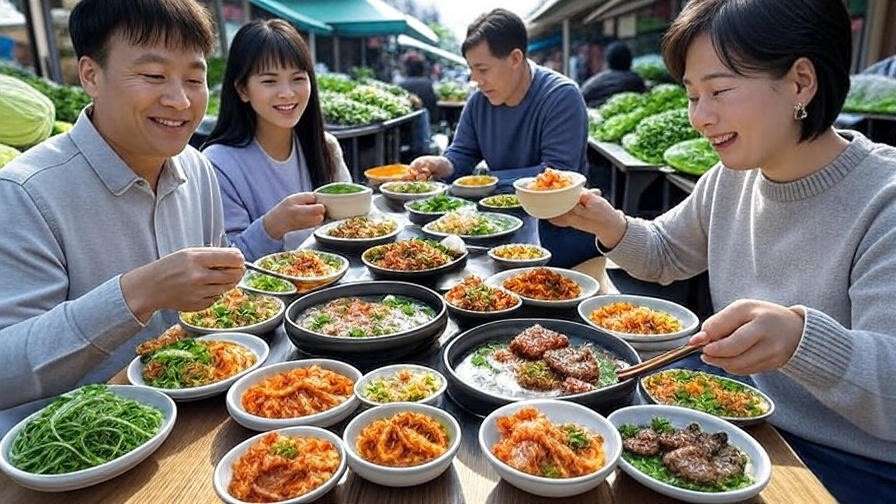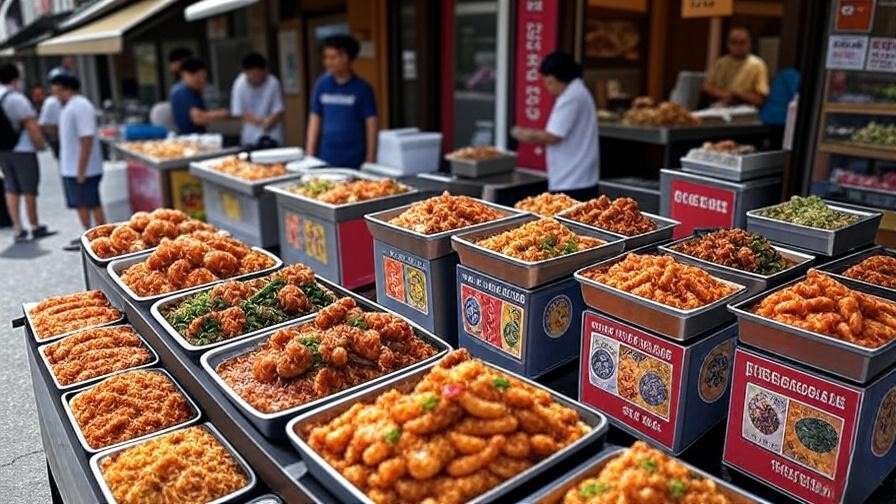
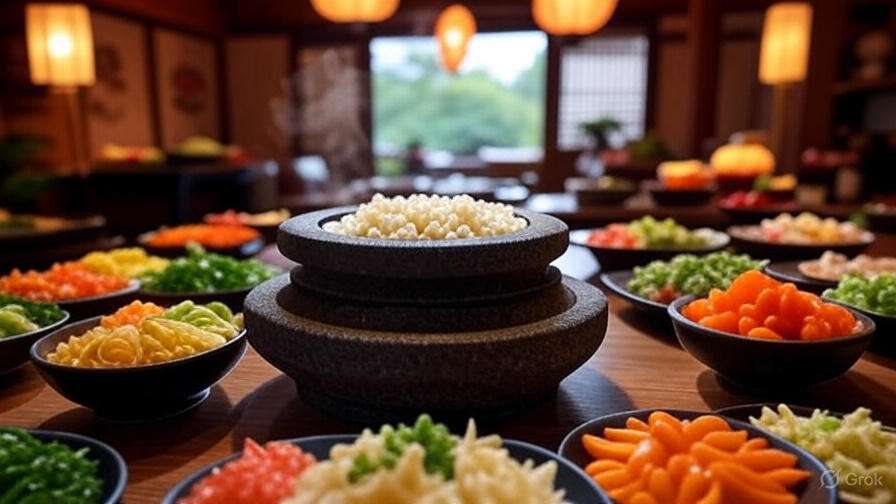
Imagine sitting at a low wooden table in a Korean hanok, the air filled with the nutty, earthy aroma of 5 grain rice steaming in a traditional stone pot. This vibrant blend of grains, a cornerstone of Korean cuisine, isn’t just a meal—it’s a celebration of health, heritage, and harmony. For centuries, 5 grain rice has nourished Korean families, symbolizing balance and prosperity. Whether you’re a K-drama fan enchanted by scenes of heartfelt family meals or a health-conscious foodie seeking nutrient-rich dishes, this superfood offers something for everyone. In this comprehensive guide, we’ll explore the cultural significance, nutritional benefits, and practical ways to incorporate 5 grain rice into your life, drawing on insights from Korean culinary experts, historical texts, and my own experiences savoring this dish in Seoul’s bustling markets. Get ready to unlock the secrets of this Korean treasure and bring its wholesome goodness to your table.
What is 5 Grain Rice?
Defining 5 Grain Rice
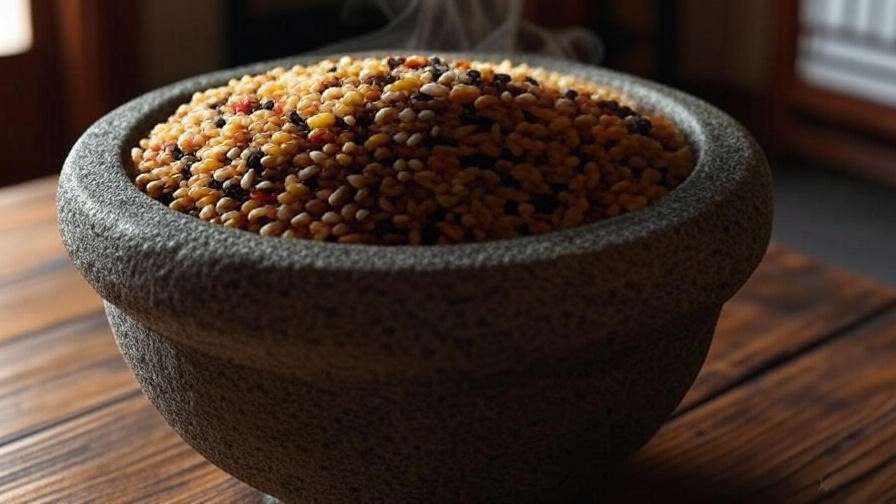 At its core, 5 grain rice, or ogokbap in Korean, is a wholesome blend of five distinct grains, typically including brown rice, black rice, glutinous rice, millet, and barley or beans. The exact combination varies by region and household, reflecting Korea’s diverse agricultural heritage. Some recipes swap barley for sorghum or add red beans for extra depth. This mix creates a colorful, textured dish with a nutty flavor profile that contrasts with the simplicity of white rice. Unlike single-grain rice, 5 grain rice embodies the Korean philosophy of balance, combining different textures and nutrients to create a harmonious whole.
Historical Roots in Korean Cuisine
The origins of 5 grain rice trace back to ancient Korea, where it was a staple during the Three Kingdoms period (57 BCE–668 CE). Historical texts, like the Samguk Sagi, mention multi-grain dishes as offerings during agricultural festivals, symbolizing gratitude for bountiful harvests. During the Joseon Dynasty (1392–1897), 5 grain rice became a household staple, especially among farmers who valued its affordability and nutritional density. According to Dr. Kim Soo-jin, a culinary historian at Seoul National University, “5 grain rice was more than sustenance—it was a reflection of Korea’s agrarian roots and reverence for nature’s diversity.”
Cultural Significance
In Korean culture, 5 grain rice carries deep symbolic meaning. The number five resonates with the principles of yin-yang and the five elements (wood, fire, earth, metal, water), representing balance and prosperity. It’s a common dish during Chuseok (Korean Thanksgiving) and ancestral rites, where families prepare it to honor their heritage. The vibrant colors of the grains—black, brown, red, yellow, and white—symbolize the harmony of nature. As Chef Park Min-ji, a renowned Korean restaurateur, explains, “Serving 5 grain rice is an act of love, connecting us to our ancestors and the land.”
Why 5 Grain Rice Matters in Korean Culture
A Symbol of Health and Balance
The Korean philosophy of balance permeates its cuisine, and 5 grain rice is a perfect example. Rooted in Hanbang (traditional Korean medicine), it’s believed to nourish the body’s vital energies. Each grain contributes unique properties: black rice supports kidney health, millet aids digestion, and barley promotes circulation. This holistic approach aligns with Korea’s emphasis on wellness through food. As K-drama fans may notice in shows like Hospital Playlist, meals featuring 5 grain rice often signal care and togetherness, reinforcing its role as a cultural touchstone.
Connection to Korean Drama and Media
K-dramas have played a pivotal role in globalizing Korean food culture, and 5 grain rice often appears in heartfelt scenes. In Crash Landing on You, for example, communal meals in North Korea feature rustic bowls of multi-grain rice, emphasizing simplicity and unity. Similarly, Vincenzo showcases 5 grain rice in rural settings, highlighting its ties to traditional life. These depictions resonate with global audiences, sparking curiosity about Korean culinary traditions. Food stylist Lee Hye-rin, who worked on Goblin, notes, “We use 5 grain rice in dramas to evoke nostalgia and authenticity, grounding modern stories in cultural roots.”
Modern Revival in Korean Households
In recent years, 5 grain rice has seen a resurgence in South Korea, driven by growing interest in healthy eating. According to a 2024 report by the Korea Rural Economic Institute, sales of organic grains rose by 18% as urban Koreans embraced traditional diets. Younger generations, inspired by wellness trends and K-drama aesthetics, are incorporating 5 grain rice into their meals. For example, my visit to a Seoul café revealed a trendy 5 grain rice bowl topped with fresh veggies and gochujang, blending tradition with modern flair.
Nutritional Benefits of 5 Grain Rice
A Powerhouse of Nutrients
Unlike white rice, which is stripped of its nutrient-rich bran, 5 grain rice is a nutritional powerhouse. Here’s a breakdown of its key components:
- Brown Rice: High in fiber and magnesium, supports heart health.
- Black Rice: Packed with antioxidants like anthocyanins, linked to anti-aging benefits.
- Glutinous Rice: Provides energy and a chewy texture.
- Millet: Rich in B vitamins, aids metabolism.
- Barley or Beans: Adds protein and fiber for satiety.
A 2023 study in the Journal of Nutrition found that multi-grain diets reduce the risk of chronic diseases by 15% compared to white rice diets. The table below compares 5 grain rice to white rice (per 100g serving):
| Nutrient | 5 Grain Rice | White Rice |
|---|---|---|
| Calories | 150 kcal | 130 kcal |
| Fiber | 3.5g | 0.4g |
| Protein | 4g | 2.7g |
| Antioxidants | High | Low |
Supporting Digestive and Heart Health
The high fiber content in 5 grain rice promotes healthy digestion by preventing constipation and supporting gut microbiota. Its low glycemic index (GI) ensures steady blood sugar levels, making it ideal for diabetics. Additionally, barley and brown rice contain beta-glucans, which lower LDL cholesterol, reducing heart disease risk by up to 20%, per a 2022 study in Nutrients. These benefits make 5 grain rice a smart choice for anyone prioritizing long-term health.
Benefits for Modern Diets
5 grain rice fits seamlessly into modern dietary trends. It’s naturally gluten-free, vegan, and low-GI, appealing to diverse eaters. Its high fiber and protein content promote satiety, aiding weight management. For those inspired by Korean wellness practices, 5 grain rice offers a nutrient-dense alternative to processed carbs, delivering sustained energy for busy lifestyles.
How to Cook 5 Grain Rice Perfectly
Choosing the Right Grains
For authentic 5 grain rice, select high-quality, organic grains. Look for non-GMO certifications and vibrant colors, indicating freshness. Trusted Korean brands like CJ CheilJedang and Ottogi offer pre-mixed 5 grain blends, available at Asian grocery stores or online retailers like H-Mart and Amazon. If sourcing individual grains, ensure they’re free from additives or artificial dyes.
Step-by-Step Cooking Guide
Here’s a foolproof recipe for 4 servings of 5 grain rice using a rice cooker:
- Rinse and Soak: Combine 1 cup each of brown rice, black rice, glutinous rice, millet, and barley. Rinse thoroughly until water runs clear. Soak for 2–4 hours to soften grains.
- Water Ratio: Drain and add 5.5 cups of water (1:1.1 grain-to-water ratio for rice cookers).
- Cook: Use the “mixed rice” setting on your rice cooker or simmer on the stovetop for 40–50 minutes.
- Rest: Let the rice sit for 10 minutes to absorb residual steam.
- Fluff and Serve: Stir gently with a wooden spoon and serve hot.
Tip: Add a teaspoon of sesame oil for a nutty aroma.
Common Mistakes to Avoid
- Overcooking: Excess water or prolonged cooking can make the rice mushy. Stick to recommended ratios.
- Skipping Soaking: Hard grains like barley need soaking to cook evenly.
- Uneven Grain Mix: Use equal portions to balance textures.
If the rice is too chewy, extend soaking time by an hour. For soggy rice, reduce water by 10% in your next batch.
Incorporating 5 Grain Rice into Your Diet
Traditional Korean Dishes with 5 Grain Rice
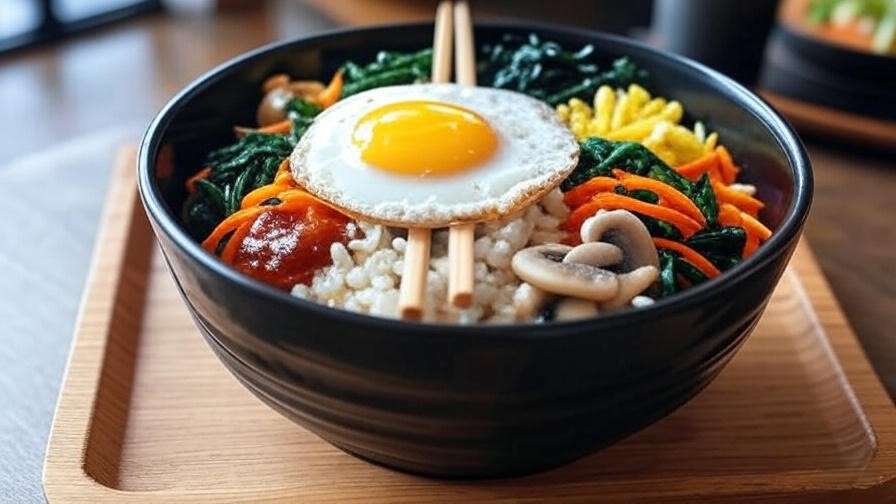 5 grain rice shines in traditional Korean dishes, bringing depth and nutrition to every bite. One of the most iconic uses is in bibimbap, a vibrant rice bowl topped with seasoned vegetables, gochujang (Korean chili paste), and often a fried egg. The chewy, nutty texture of 5 grain rice elevates the dish, balancing the bold flavors of the toppings. Another classic is ssambap, where 5 grain rice is wrapped in lettuce or perilla leaves with grilled meats and sauces, creating a wholesome, hands-on meal. For a simple yet authentic recipe, try this beginner-friendly 5 grain rice bibimbap:
5 Grain Rice Bibimbap Recipe (Serves 2)
- Ingredients:
- 2 cups cooked 5 grain rice
- 1 cup spinach, blanched and seasoned with sesame oil and soy sauce
- 1 cup shredded carrots, lightly sautéed
- 1/2 cup shiitake mushrooms, sliced and stir-fried
- 2 tbsp gochujang
- 1 fried egg (optional)
- 1 tsp sesame seeds for garnish
- Instructions:
- Divide warm 5 grain rice into two bowls.
- Arrange vegetables and egg (if using) on top in a colorful pattern.
- Add a dollop of gochujang in the center.
- Sprinkle with sesame seeds and serve with a spoon for mixing.
This dish, rooted in Korean tradition, is both nutritious and visually stunning, perfect for impressing guests or enjoying a cozy meal at home.
Modern Fusion Recipes
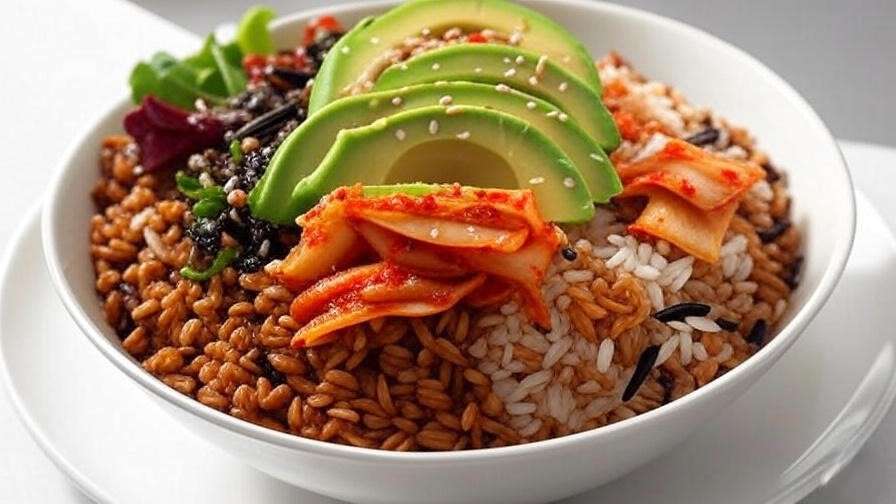 5 grain rice’s versatility makes it a star in modern fusion recipes, appealing to global palates. For a fresh twist, try a 5 grain rice salad with avocado, kimchi, and a tangy sesame-soy dressing. The grains’ hearty texture pairs beautifully with creamy avocado and spicy kimchi, creating a balanced, nutrient-packed meal. Another idea is 5 grain rice sushi rolls, where the grains replace white rice for a healthier, more flavorful bite. Here’s a quick recipe for a fusion-style 5 grain rice bowl:
5 Grain Rice Avocado-Kimchi Bowl (Serves 2)
- Ingredients:
- 2 cups cooked 5 grain rice
- 1 ripe avocado, sliced
- 1/2 cup kimchi
- 1 cup mixed greens (arugula or spinach)
- 2 tbsp soy sauce, 1 tbsp sesame oil, 1 tsp honey (for dressing)
- Instructions:
- Mix soy sauce, sesame oil, and honey to make the dressing.
- Divide 5 grain rice into bowls and top with greens, avocado, and kimchi.
- Drizzle with dressing and serve immediately.
This recipe blends Korean flavors with global influences, making 5 grain rice accessible to diverse diets.
Meal Prep and Storage Tips
For busy lifestyles, 5 grain rice is a meal prep hero. Cook a large batch (e.g., 5 cups of mixed grains) at the start of the week and store it in airtight containers in the fridge for up to 5 days. To freeze, portion the rice into single servings, wrap tightly in plastic wrap, and store for up to 3 months. Reheat in a microwave with a damp paper towel to retain moisture, or steam for 5–7 minutes. Avoid reheating multiple times to preserve texture. For best results, pair prepped 5 grain rice with quick sides like kimchi, pickled radish, or grilled veggies for a balanced meal.
Sample Weekly Meal Plan:
- Monday: 5 grain rice bibimbap with tofu and gochujang.
- Wednesday: 5 grain rice salad with cucumber, seaweed, and miso dressing.
- Friday: 5 grain rice stir-fry with chicken and sesame oil.
This plan maximizes convenience while keeping meals exciting and nutritious.
5 Grain Rice in Korean Pop Culture
 K-Dramas and Food Symbolism
Korean dramas have become a global gateway to Korean culture, and 5 grain rice often plays a supporting role in their storytelling. In Crash Landing on You, scenes of North Korean villagers sharing 5 grain rice highlight community and resilience, contrasting with the polished urban settings of Seoul. Similarly, in Vincenzo, rustic meals featuring 5 grain rice evoke nostalgia for simpler times, grounding the drama’s high-stakes plot. These moments resonate with viewers, as food becomes a universal language of connection. According to food stylist Lee Hye-rin, who worked on Goblin, “5 grain rice in dramas isn’t just food—it’s a symbol of home, family, and cultural pride.”
Influence on Global Food Trends
The global rise of K-pop and K-dramas has fueled interest in Korean cuisine, with 5 grain rice riding the wave. Restaurants in cities like Los Angeles and London now offer 5 grain rice bowls, inspired by K-drama aesthetics. Social media influencers, like @SeoulFoodie on Instagram, showcase creative 5 grain rice recipes, driving its popularity among millennials and Gen Z. A 2024 survey by the Korea Food Promotion Institute found that 62% of international K-drama fans tried Korean dishes after watching shows, with multi-grain rice gaining traction for its health appeal. This cultural crossover has made 5 grain rice a trendy, accessible superfood worldwide.
Expert Insight: Chef Kim Ji-hoon, owner of a Michelin-starred Korean restaurant in New York, notes, “K-dramas have done more than cookbooks to introduce 5 grain rice to global audiences. It’s now a staple in fusion cuisine, from Seoul to San Francisco.”
Where to Find Authentic 5 Grain Rice
 Sourcing in Korea and Abroad
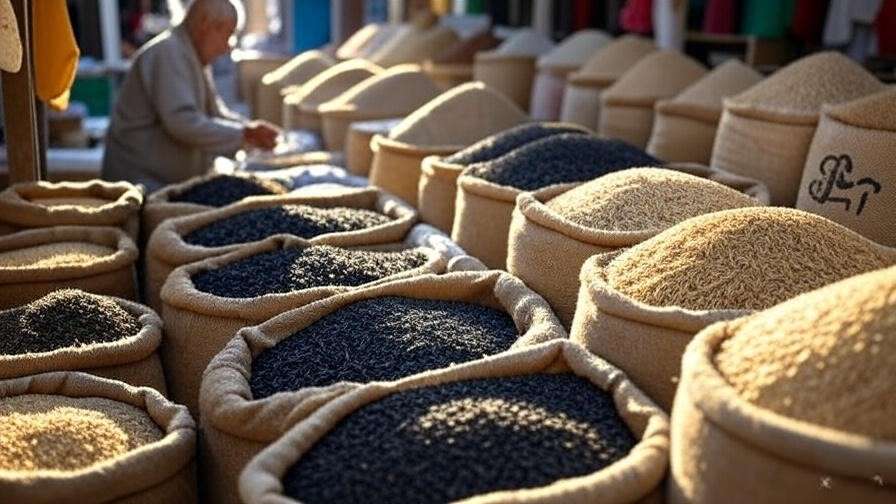
Authentic 5 grain rice is widely available in Korea at markets like Gwangjang or online via Naver’s Smart Store. For readers outside Korea, Asian grocery stores like H-Mart, 99 Ranch, or Mitsuwa stock pre-mixed 5 grain blends from brands like Ottogi and CJ CheilJedang. Online, Amazon and Weee! offer convenient options with reliable shipping. Look for packages labeled “ogokbap” or “mixed grain rice” to ensure authenticity. For those who prefer sourcing individual grains, local health food stores or co-ops often carry organic brown rice, black rice, and millet.
Identifying Quality Products
To ensure quality, check for organic or non-GMO certifications on packaging. Vibrant grain colors—deep black, rich brown, or golden millet—indicate freshness. Avoid blends with artificial additives or overly processed grains, which can dilute flavor and nutrition. Reading reviews on platforms like Amazon can help identify trusted sellers. For example, Ottogi’s 5 Grain Rice Mix has a 4.7-star rating for its balanced texture and authenticity.
Checklist for Buying 5 Grain Rice:
- Organic or non-GMO certification
- No artificial preservatives or dyes
- Clear packaging showing vibrant grain colors
- Reputable brand or seller with positive reviews
FAQs About 5 Grain Rice
Q1: What makes 5 grain rice different from regular rice?
A: 5 grain rice combines multiple grains like brown rice, black rice, millet, barley, and beans, offering richer flavor, texture, and nutrition compared to white rice’s single-grain simplicity. Its high fiber and antioxidant content make it a healthier choice.
Q2: Can I substitute 5 grain rice in any rice dish?
A: Yes, it works in most rice dishes, like bibimbap or fried rice, but requires longer soaking and cooking times. Adjust water ratios and cooking methods as outlined in the cooking section.
Q3: Is 5 grain rice suitable for people with dietary restrictions?
A: It’s naturally gluten-free and vegan, making it ideal for many diets. However, those with bean allergies should avoid blends with beans and opt for barley or sorghum-based mixes.
Q4: How long does it take to cook 5 grain rice?
A: With soaking (2–4 hours), it takes about 40–50 minutes in a rice cooker or stovetop. Without soaking, add 10–15 minutes, but texture may be less consistent.
Q5: Where can I buy authentic 5 grain rice outside Korea?
A: Look for brands like Ottogi or CJ CheilJedang at Asian grocery stores (H-Mart, 99 Ranch) or online (Amazon, Weee!). Check for organic certifications to ensure quality.
5 grain rice is more than a dish—it’s a window into Korean culture, blending history, health, and harmony in every bite. From its roots in ancient agricultural traditions to its modern revival in K-drama-inspired kitchens, this superfood offers endless possibilities for health-conscious foodies and Korean culture enthusiasts alike. Whether you’re savoring a traditional bibimbap or experimenting with a fusion rice bowl, 5 grain rice brings nutrition and authenticity to your table. Try cooking it yourself, explore its cultural significance through K-dramas, or share your own recipes in the comments below. For more insights into Korean cuisine and culture, check out our articles on K-drama food scenes and healthy Korean recipes.