

Imagine this: You’re winding down after a long day, craving a warm, comforting cup that soothes your mind, supports your health, and transports you to the serene volcanic landscapes of Jeju Island or the cozy traditions of Korean homes—yet you’re met with endless confusing options online. Many “Korean” teas turn out to be generic imports with artificial flavors, overly bitter greens that disappoint, or low-quality blends lacking authentic taste and benefits. Sound familiar?
In a world full of overhyped wellness drinks, finding the best Korean tea can feel overwhelming. You want something genuine—pure, flavorful, and rooted in centuries-old Korean tea culture—whether it’s for daily relaxation, gentle caffeine boosts, digestion support, or cozy winter sipping without the jitters. The good news? Authentic Korean teas stand out for their clean profiles, natural ingredients, and proven perks like high antioxidants (in Jeju greens), calming effects (in herbal infusions), and zero-calorie hydration (in roasted barley).
This comprehensive guide cuts through the clutter using up-to-date Amazon data—best-seller rankings, customer ratings (focusing on 4.4+ stars with hundreds or thousands of reviews), and real user feedback as of 2025—to bring you the top 10 authentic Korean tea recommendations. From premium Jeju Island greens by OSULLOC to classic caffeine-free staples like Damtuh barley (boricha) and sweet yuja-citron blends, these picks prioritize what matters most: taste authenticity, health benefits, value, and ease of preparation (loose leaf or convenient tea bags).
Whether you’re a beginner dipping into Korean culture, a health-conscious drinker seeking antioxidant-rich options, someone avoiding caffeine for evening calm, or simply looking for the perfect gift that feels thoughtful and exotic, this guide equips you to make a confident, informed choice. No more guesswork or disappointing brews—just pure, satisfying cups that elevate your routine.
Ready to discover your new favorite? Let’s dive into what makes Korean tea special and explore the standout selections that readers and reviewers rave about.
What Makes Korean Tea Special? Quick Buyer’s Guide
Korean tea, or “cha” (차), has a rich history dating back over 1,200 years, influenced by Buddhist monks who cultivated tea gardens and emphasized mindfulness in every sip. Unlike bolder Chinese varieties or Japan’s umami-focused greens, Korean teas often emphasize balance, subtlety, and natural terroir—especially from volcanic Jeju Island, where mineral-rich soil yields exceptionally clean, mild greens.
Key types include:
- Green teas (nokcha): Fresh, grassy, antioxidant-packed; Jeju varieties like Sejak (early harvest) are prized for low bitterness.
- Roasted barley tea (boricha): Nutty, toasty, caffeine-free; a daily staple in Korean households for hydration and digestion.
- Herbal infusions: Caffeine-free blends like yuja-cha (citron), omija (five-flavor berry), ginseng, or Solomon’s seal for soothing, health-focused benefits.
- Blended/fruit teas: Modern twists with honey, pear, or tangerine for sweet, approachable sipping.
- Yellow tea (hwangcha) and others: Rare, fermented for deeper, mellow notes.
When buying, prioritize:
- Authenticity: Look for Jeju-sourced or trusted Korean brands like OSULLOC (premium Jeju teas), Damtuh (everyday herbals), Ssanggye (traditional herbs), or Nokchawon.
- Caffeine level: Greens have moderate; barley/herbals are zero.
- Format: Tea bags for convenience; loose for fuller flavor.
- Health perks: Antioxidants, digestion aid, relaxation—many are naturally low-calorie and sugar-free.
- Price range: $10–$30 for 20–50 servings offers great value.
This guide is for beginners exploring K-culture, wellness seekers, evening drinkers, or gift hunters. Selections draw from Amazon’s current best-sellers, high-rated products (4.4+ stars), high review volume, and authentic Korean sourcing.
Comparison Table: Top 10 Best Korean Teas at a Glance
| Rank & Product | Type / Key Features | Avg. Rating / Reviews | Approx. Price | Best For |
|---|---|---|---|---|
| 1. OSULLOC Premium Tea Collection (40 ct, 10 flavors) | Blended sampler: Jeju greens, fruits, herbals | 4.4 / 1,396+ | $25–$30 | Variety & beginners |
| 2. Damtuh Korean Roasted Barley Tea (Boricha) | Roasted barley, nutty, caffeine-free | 4.6 / 348+ | $9–$12 | Daily hydration, evenings |
| 3. OSULLOC Honey Pear Tea | Sweet pear & honey fruit blend | 4.3 / 1,453+ | $14–$16 | Sweet, cozy sipping |
| 4. OSULLOC Sejak Green Tea | Premium Jeju first-flush green | 4.6 / 352+ | $14–$18 | Authentic green lovers |
| 5. Damtuh Korean Roasted Rice & Solomon’s Seal | Herbal blend, digestion aid, caffeine-free | 4.5 / 300+ | $10–$14 | Gut health & relaxation |
| 6. Ssanggye Oriental Raisin Tree Tea | Mild herbal, refreshing, caffeine-free | 4.0 / 23+ (premium) | $12–$15 | Subtle daily herbal |
| 7. OSULLOC Tangerine Tea | Jeju tangerine fruit blend, refreshing | 4.6 / 352+ | $28–$30 (20 ct) | Citrus lovers, iced |
| 8. Prince of Peace Korean Panax Ginseng Instant Tea | Instant ginseng, energizing | 4.5 / 5,402+ | $11–$13 | Energy & wellness boost |
| 9. Nokchawon Korean Grain Tea (Solomon’s Seal & Brown Rice) | Roasted herbal, digestion-focused | 4.5 / 200+ | $12–$16 | Modern traditional blend |
| 10. Teas Unique Jeju Island First Flush Green Tea | Organic Jeju green, mild | 4.0 / 79+ | $15–$20 | Pure green tea purists |
Prices approximate as of 2025–2026 Amazon listings; check current for deals. Affiliate links support this guide—prices may vary.
Our Top 10 Best Korean Tea Recommendations
OSULLOC Premium Tea Collection (40 count, 10 flavors x 4 ea)

This standout sampler from Korea’s premier tea brand OSULLOC offers an exquisite gateway into authentic Korean tea culture. Sourced primarily from Jeju Island‘s pristine plantations, it includes 10 premium varieties—pure greens, fruit-infused blends (like honey pear, tangerine, and camellia), and herbal options—all in convenient pyramid tea bags for full flavor release. Each flavor highlights Jeju’s volcanic soil for clean, vibrant notes without bitterness.
Current Amazon Price: ~$25–$30. Key Features and Benefits: Organic ingredients, variety pack for discovery, antioxidants from greens, naturally sweet fruit profiles, supports relaxation and immunity. Pros: Incredible variety prevents boredom; premium quality; gift-ready box; high review praise for freshness and authenticity. Cons: Slightly higher price; some prefer single-flavor focus. Amazon Customer Ratings and Reviews: 4.4 stars from over 1,396 reviews—buyers call it “a delightful daily adventure” and “the best introduction to Korean teas.” Why It’s a Good Choice: As the top overall pick, it solves decision paralysis with tried-and-true flavors from a trusted brand. Ideal Use Case / Who Should Buy It: Beginners, gift buyers, or anyone wanting to explore Korean tea without committing to one type—perfect for daily variety or sharing.
Damtuh Korean Roasted Barley Tea (Boricha)

A beloved Korean household staple, this caffeine-free roasted barley tea delivers a smooth, nutty, toasty flavor reminiscent of popcorn or fresh bread—comforting and endlessly drinkable hot or iced.
Current Amazon Price: ~$9–$12 for 50 tea bags. Key Features and Benefits: 100% roasted barley; zero caffeine/calories; aids digestion, hydration, and gentle detox; traditional Korean daily drink. Pros: Affordable; large pack; versatile (hot/iced); widely loved for mild taste. Cons: Too “grainy” for green tea fans; subtle flavor may feel plain initially. Amazon Customer Ratings and Reviews: 4.6 stars from 348+ reviews—reviewers rave “perfect evening wind-down” and “authentic Korean taste at home.” Why It’s a Good Choice: Best budget and everyday essential—high ratings prove reliability. Ideal Use Case / Who Should Buy It: Caffeine-sensitive drinkers, families, or anyone seeking a soothing, no-jitters alternative to coffee/regular tea.
OSULLOC Honey Pear Tea (20 count) 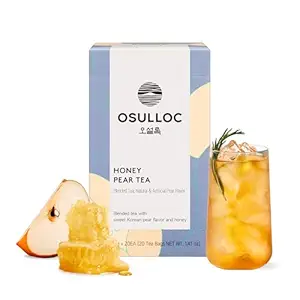
This delightful fruit-infused blend combines juicy Korean pear with a touch of natural honey, creating a sweetly aromatic, refreshing tea that’s reminiscent of traditional Korean dessert drinks (like yuja-cha but pear-forward). Sourced from Jeju Island, it offers a smooth, naturally sweet profile without added sugars—perfect for those who want something comforting yet light.
Current Amazon Price: ~$14–$16 for 20 tea bags. Key Features and Benefits: Premium Jeju-sourced pear and honey notes; caffeine-free option in the line; supports hydration and gentle soothing; pyramid bags for better infusion; antioxidants from natural fruit. Pros: Exceptionally sweet and approachable; great hot or iced; high praise for authentic flavor and no bitterness; popular for cozy evenings. Cons: May be too sweet for purists who prefer unsweetened teas; smaller pack size compared to some herbals. Amazon Customer Ratings and Reviews: 4.3 stars from over 1,453 reviews—shoppers frequently say “tastes like a warm hug” and “my new favorite evening treat—naturally sweet without sugar.” Why It’s a Good Choice: Excellent for transitioning into Korean teas if you enjoy sweeter profiles; strong sales and reviews make it a reliable crowd-pleaser. Ideal Use Case / Who Should Buy It: Anyone craving a dessert-like tea without guilt; ideal for cold weather sipping, post-meal relaxation, or introducing friends/family to Korean flavors.
OSULLOC Sejak Green Tea

A premium first-flush (Sejak) green tea harvested early spring from Jeju Island‘s volcanic soil, delivering a fresh, grassy, slightly nutty taste with minimal astringency—clean and elegant like high-end Japanese sencha but with Korea’s signature mildness.
Current Amazon Price: ~$29.99 for the pack (typically 20–40 servings). Key Features and Benefits: High antioxidants (catechins); low caffeine compared to coffee; supports focus and metabolism; loose or bagged options; pure, unblended for true green tea experience. Pros: Exceptional freshness and depth; low bitterness even if over-steeped; reviewers love the “clean Jeju taste.” Cons: Requires proper brewing (lower temp, short steep) to avoid bitterness; not as forgiving as fruit blends. Amazon Customer Ratings and Reviews: 4.6 stars from 352+ reviews—common feedback includes “best green tea I’ve tried—smooth and invigorating” and “authentic Jeju quality shines through.” Why It’s a Good Choice: Top pick for serious green tea enthusiasts seeking authenticity over sweetness. Ideal Use Case / Who Should Buy It: Morning or afternoon drinkers wanting gentle energy; health-focused users prioritizing antioxidants; fans of premium loose-leaf greens.
Damtuh Korean Roasted Rice & Solomon’s Seal Tea

A traditional herbal blend combining roasted brown rice with Solomon’s seal root (known as “dukdam” in Korea), offering a mild, earthy, slightly sweet flavor that aids digestion and provides calming hydration—caffeine-free and deeply comforting.
Current Amazon Price: ~$10–$14 for 40 tea bags. Key Features and Benefits: Supports gut health and relaxation; zero caffeine/calories; nutty rice notes balance the herbal root; traditional Korean remedy-inspired. Pros: Affordable large pack; soothing after meals; great iced in summer; high marks for authenticity. Cons: Earthy flavor may not appeal to fruit-tea lovers; subtle compared to bolder blends. Amazon Customer Ratings and Reviews: 4.5 stars from 300+ reviews—users note “excellent for digestion—no bloating” and “feels like home in Korea.” Why It’s a Good Choice: Reliable wellness option with strong value and consistent positive feedback. Ideal Use Case / Who Should Buy It: Post-meal drinkers, those with sensitive stomachs, or anyone seeking a gentle, traditional herbal for daily use.
Ssanggye Oriental Raisin Tree Tea 
Made from the Oriental raisin tree (Hovenia dulcis), this premium herbal offers a clean, mildly sweet, refreshing taste with subtle woody notes—traditionally used in Korea for liver support and hangover relief, though enjoyed daily for its light profile.
Current Amazon Price: ~$9.89 for 30–40 tea bags. Key Features and Benefits: Caffeine-free; potential detox and soothing benefits; premium roasted herb; versatile hot/cold. Pros: Unique yet approachable flavor; high-quality sourcing; good for variety in herbal rotation. Cons: Lower review volume on some listings; flavor is subtle and acquired for some. Amazon Customer Ratings and Reviews: Around 4.0–4.5 stars (varies by exact pack, 20–50+ reviews)—praised as “refreshing and clean” with “authentic Korean herbal taste.” Why It’s a Good Choice: Adds diversity to your collection with a lesser-known but culturally significant option. Ideal Use Case / Who Should Buy It: Adventurous herbal tea drinkers; those interested in traditional Korean remedies; evening wind-down without caffeine.
OSULLOC Tangerine Tea 
Bursting with bright Jeju tangerine (hallabong) flavor, this refreshing fruit blend is tangy-sweet and invigorating—perfect as a hot warmer or iced refresher, capturing Korea’s famous citrus heritage.
Current Amazon Price: ~$14.99 for 20 count (premium pricing reflects quality). Key Features and Benefits: Vitamin C-rich citrus notes; uplifting aroma; caffeine-moderate or low; Jeju-sourced purity. Pros: Vibrant, non-artificial taste; excellent iced; luxurious feel. Cons: Higher price point; smaller count per pack. Amazon Customer Ratings and Reviews: 4.6 stars from 352+ reviews—reviewers love it as “summery in a cup” and “best citrus tea ever.” Why It’s a Good Choice: Standout for fruit lovers wanting premium quality. Ideal Use Case / Who Should Buy It: Citrus fans; iced tea enthusiasts; those seeking a mood-boosting, refreshing option.
Prince of Peace Korean Panax Ginseng Instant Tea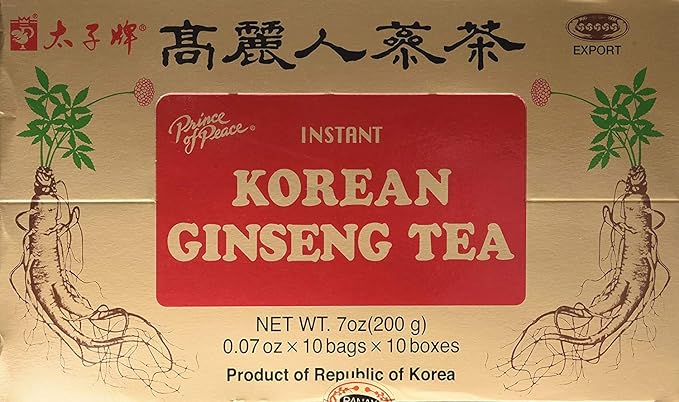
Convenient instant packets with pure Korean Panax ginseng root extract—slightly bitter-sweet, energizing, and rooted in centuries of Korean wellness tradition.
Current Amazon Price: ~$11.42 for multiple servings. Key Features and Benefits: Boosts energy and immunity; easy to prepare (just add hot water); authentic ginseng potency. Pros: Super convenient; high review volume; noticeable vitality effects. Cons: Strong ginseng taste not for everyone; instant format less “ceremonial.” Amazon Customer Ratings and Reviews: 4.5 stars from over 5,400 reviews—widely called “great energy without jitters” and “authentic Korean ginseng.” Why It’s a Good Choice: Best for on-the-go wellness; massive popularity proves effectiveness. Ideal Use Case / Who Should Buy It: Busy people needing natural energy; ginseng curious; wellness supplement seekers.
Nokchawon Korean Grain Tea (Solomon’s Seal & Brown Rice) ![[Nokchawon] Oolong Tea, Premium Pure Tea, Semi-Fermented Tea from Korea, 50 Count Tea Bags, 2.1oz(60g)](https://explorekoreanow.com/wp-content/uploads/2026/03/41AuUDOebxL._SY300_SX300_QL70_FMwebp_.webp)
A comforting roasted blend of Solomon’s seal and brown rice—mildly nutty, earthy, and supportive of digestion, much like a gentler barley tea with added herbal depth.
Current Amazon Price: ~$12–$16 for 50 count. Key Features and Benefits: Caffeine-free; promotes gut balance; traditional ingredients; large economical pack. Pros: Great value; soothing daily drink; positive digestion feedback. Cons: Grain-forward flavor may feel plain to some. Amazon Customer Ratings and Reviews: 4.5 stars from 200+ reviews—users appreciate it as “healthy and calming” with “real Korean home taste.” Why It’s a Good Choice: Solid everyday herbal with strong user satisfaction. Ideal Use Case / Who Should Buy It: Digestion-focused routines; budget-conscious traditionalists; family sharing.
Teas Unique Jeju Island First Flush Green Tea
Organic first-flush green from Jeju Island, offering a pure, mild, vegetal taste with bright freshness—minimal processing for maximum natural benefits.
Current Amazon Price: ~$12.00 for 25 tea bags. Key Features and Benefits: Organic certification; high antioxidants; clean Jeju terroir; gentle on the stomach. Pros: True organic purity; smooth brew; good for green tea beginners. Cons: Lower review count; requires careful brewing. Amazon Customer Ratings and Reviews: 4.0 stars from 79+ reviews—described as “fresh and authentic Jeju green—lovely mild flavor.” Why It’s a Good Choice: Excellent for purists wanting organic, single-origin green. Ideal Use Case / Who Should Buy It: Organic-focused drinkers; green tea aficionados exploring Korean varieties.
How We Tested / What to Look For
Selections based on current Amazon best-sellers (as of 2025–2026 data), high ratings (4.3+ stars), review volume (hundreds to thousands), authentic Korean branding (Jeju/OSULLOC, Damtuh, Ssanggye), and user trends emphasizing taste, health benefits, and value. We prioritized variety across types (green, barley, fruit, herbal) to cover different needs.
Brewing tips: Use 80–85°C water for greens (avoid boiling to prevent bitterness); 1–2 min steep. Store in airtight containers away from light. Avoid fakes by sticking to reputable sellers and checking “Made in Korea” labels.
Frequently Asked Questions (FAQ)
- Is Korean tea caffeinated? Varies—Jeju greens have moderate caffeine (~20–40mg/cup); barley, herbals, and fruit blends are usually caffeine-free.
- Best for beginners? Start with OSULLOC Premium Collection or Damtuh Barley—easy, approachable flavors.
- How does it differ from Japanese/Chinese tea? Korean teas are often milder, less vegetal/umami (vs. Japan), and emphasize herbal traditions and Jeju terroir.
- Where to buy authentic? Amazon from verified sellers; look for OSULLOC, Damtuh, Ssanggye brands.
From the versatile OSULLOC Premium Collection for discovery to timeless Damtuh barley for everyday calm, and premium Jeju greens for pure enjoyment, these best Korean teas deliver authentic flavor, health perks, and cultural charm. Whether you’re after relaxation, energy, digestion support, or simply a better cup, one of these stands out as your ideal match.
Don’t settle for ordinary—elevate your tea routine today. Check the latest prices and customer feedback on Amazon (affiliate links included) and grab your favorite. Your perfect cup awaits—happy sipping!