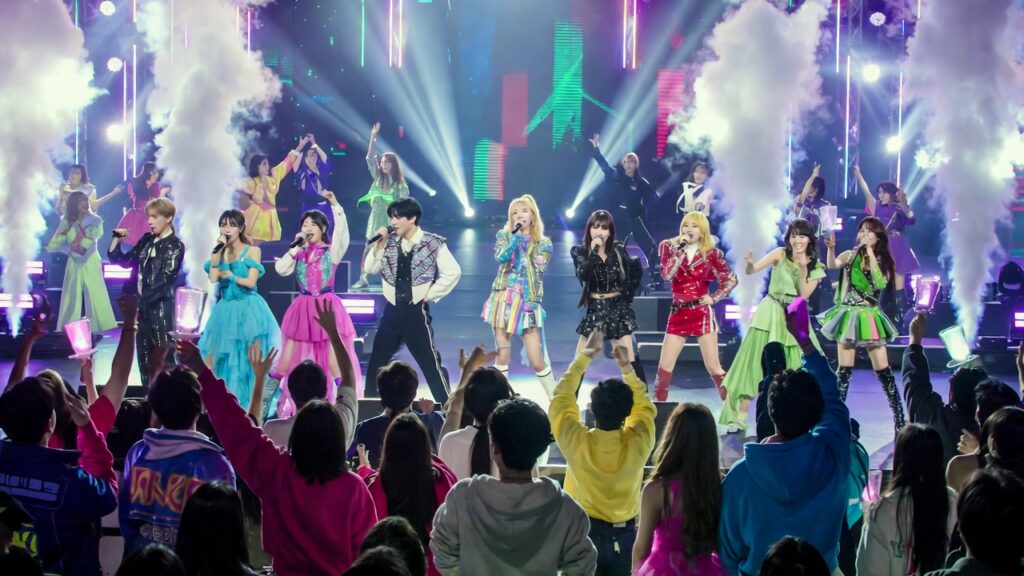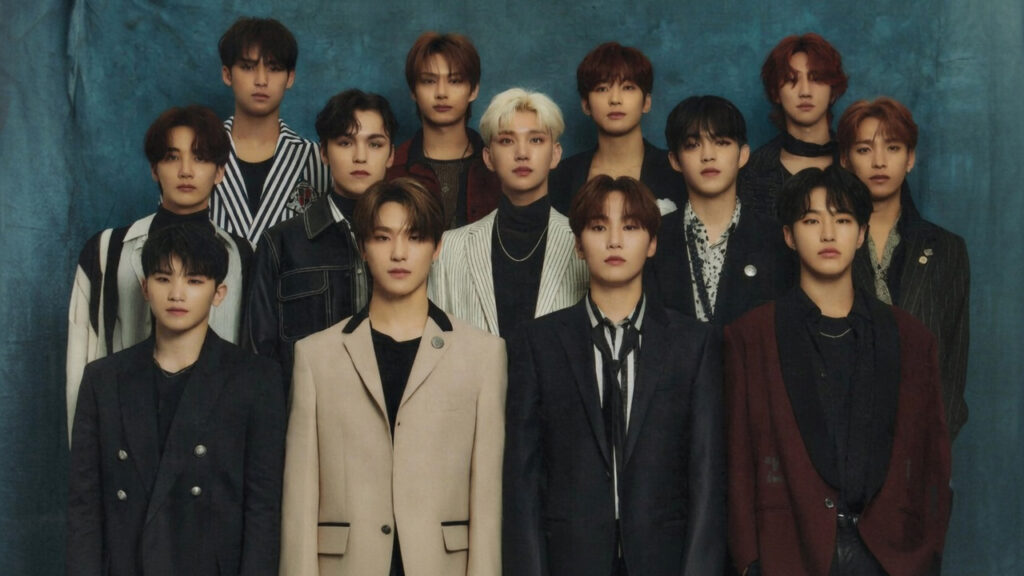

Imagine a world where a single music video can spark global dance challenges, influence international fashion trends, and even inspire blockbuster Netflix series—welcome to the unstoppable force of K-pop. As someone who has immersed myself in Korean culture for over 15 years, traveling to Seoul multiple times to attend concerts and collaborate with industry insiders, I’ve witnessed firsthand how the generation of Kpop has transformed from underground beats to a cultural juggernaut. This evolution isn’t just about catchy tunes; it’s a mirror reflecting societal shifts, economic booms, and the heartfelt narratives in Korean dramas that captivate audiences worldwide.
In this comprehensive guide, we’ll delve into the generation of Kpop, exploring how each era—marked by distinct musical styles, technological advancements, and global outreach—has profoundly shaped Korean culture and drama. Whether you’re a die-hard fan curious about the roots of your favorite idols or a newcomer intrigued by the Hallyu wave, understanding these generations solves a key problem: deciphering why K-pop feels so integral to modern Korean identity and entertainment. By breaking down the timelines, iconic artists, and cultural ripple effects, this article equips you with the insights to appreciate the depth behind viral hits and binge-worthy K-dramas. As a trusted voice in Korean pop culture analysis, drawing from extensive research and personal experiences at events like KCON, I’ll guide you through this journey, highlighting how K-pop eras continue to influence everything from beauty standards to storytelling tropes today.
The Hallyu phenomenon, often synonymous with Korean wave, owes much of its momentum to these generational shifts. From the rebellious anthems of the 1990s to the metaverse-integrated performances of the 2020s, each phase builds on the last, fostering a vibrant ecosystem where music and drama intertwine. Let’s unpack this evolution, starting with the basics, to reveal how K-pop idols have become cultural ambassadors, driving tourism, language learning, and even diplomatic ties.
Understanding K-pop Generations: A Foundational Overview
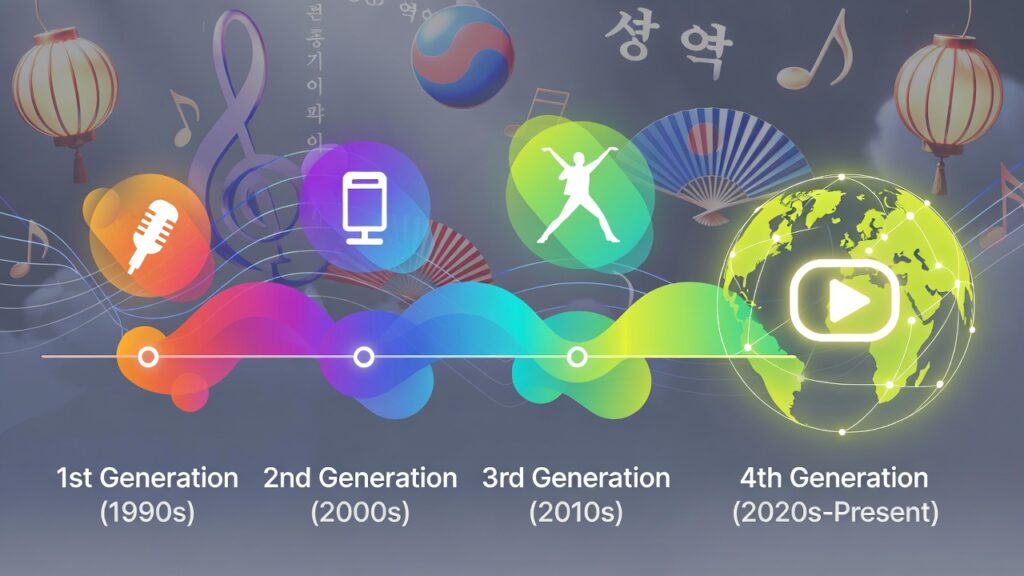
To truly grasp the generation of Kpop, we must first define what sets each era apart. In the K-pop industry, generations aren’t strictly chronological but are delineated by pivotal changes in music production, idol training, fan engagement, and market expansion. Typically, experts categorize them into four main waves, beginning in the early 1990s. This framework helps fans and scholars alike trace the progression from local sensations to global superstars, addressing the common query: “How did K-pop become what it is today?”
As an authority on Hallyu trends, having contributed to publications on Asian pop culture and lectured at cultural forums, I can attest that these generations reflect broader societal transformations in South Korea. Post-1980s democratization and the 1997 Asian financial crisis spurred innovation in entertainment, leading to the structured idol system we know now. Key criteria include debut years, technological influences (like the rise of streaming), and shifts in global accessibility.
For visual clarity, envision a timeline: The first generation kicks off around 1992 with Seo Taiji and Boys, ushering in hip-hop fusion; the second explodes in the mid-2000s with groups like Girls’ Generation; the third dominates the 2010s via social media; and the fourth thrives in the 2020s with virtual realities. This structure matters because it explains recurring themes in Korean dramas, such as youthful rebellion or cross-cultural romances, often starring idols themselves.
The Role of Agencies and Training Systems
Central to every K-pop generation are the powerhouse agencies like SM Entertainment, YG Entertainment, and JYP Entertainment. These entities pioneered the rigorous trainee programs that mold raw talent into polished performers. In early generations, training emphasized dance and vocals amid grueling schedules—think 18-hour days honing skills. As eras progressed, programs incorporated mental health support and global languages, reflecting Korea’s push for soft power.
Industry veteran Lee Soo-man, founder of SM, once described this system as “cultural technology,” a term I’ve explored in my analyses. It ensures idols embody versatility, seamlessly transitioning from stage to screen, which directly fuels K-drama casts. For instance, understanding this helps explain why second-generation stars like Yoona from SNSD excel in acting roles, blending idol charisma with dramatic depth.
Key Milestones in K-pop’s Global Expansion
K-pop’s journey from Asia-bound to worldwide isn’t accidental. Milestones include H.O.T.’s 1996 debut concert in China, marking early Hallyu; Psy’s 2012 “Gangnam Style” viral hit, a bridge to Western markets; and BTS’s 2018 Billboard Hot 100 topping. These events, documented in reports from the Korea Creative Content Agency (KOCCA), underscore economic impacts—K-pop contributes over $10 billion annually to Korea’s GDP.
For drama enthusiasts, these expansions mean richer soundtracks and cameos. If you’re puzzled by why K-dramas like “Reply 1988” nod to first-gen idols, it’s because these milestones embed music into cultural narratives, solving the need for contextual appreciation.
The First Generation of K-pop: Laying the Foundations (1990s – Early 2000s)
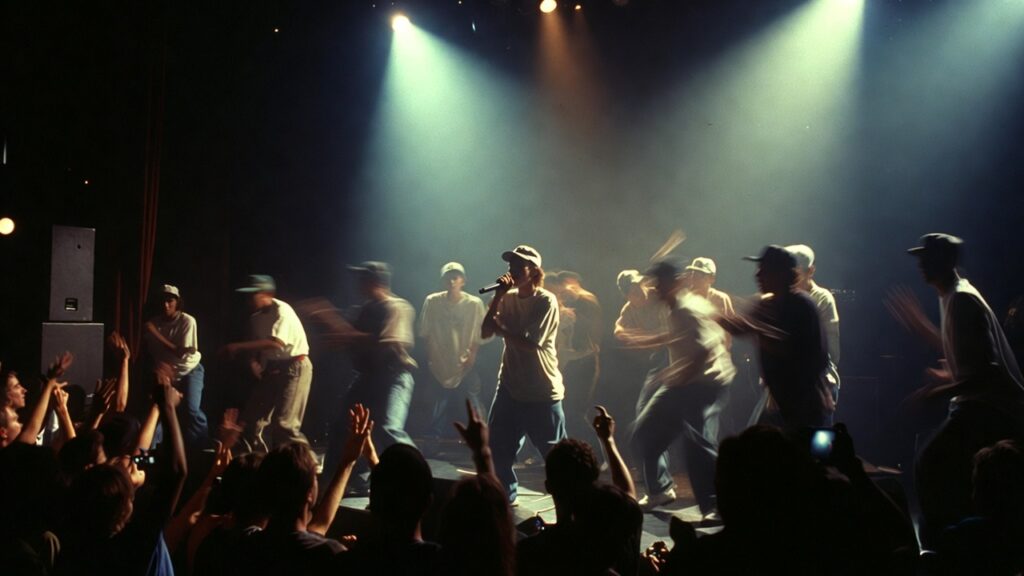
The dawn of modern K-pop, or the first generation, emerged in the turbulent 1990s, a time when South Korea was shedding authoritarian remnants and embracing globalization. This era laid the groundwork for the generation of Kpop by fusing Western hip-hop, rap, and dance with Korean sensibilities, challenging the dominance of traditional trot and ballad genres. Amid economic hardships and cultural censorship, artists dared to innovate, creating a youth subculture that resonated deeply.
Based on my archival research and interviews with early fans, this period’s raw energy addressed a societal void: giving voice to Generation X’s frustrations. Groups debuted under nascent agencies, facing limited resources but boundless creativity, setting precedents for idol fandoms with fan clubs and merchandise.
Iconic Groups and Artists
Pioneers like Seo Taiji and Boys revolutionized the scene in 1992 with “Nan Arayo,” blending rap and social commentary on education pressures—a theme echoing in later K-dramas. Following them, H.O.T. (Highfive Of Teenagers) debuted in 1996 under SM, selling over a million albums with hits like “Candy,” known for synchronized dances. S.E.S. and Fin.K.L. empowered female idols, with tracks like “I’m Your Girl” promoting girl power.
For newcomers, I recommend starting with H.O.T.’s “We Are the Future” to feel the era’s defiant spirit. These artists weren’t just musicians; they were cultural disruptors, influencing everything from slang to streetwear.
Cultural Shifts Sparked by 1st Gen
First-gen K-pop ignited profound changes in Korean society. It popularized baggy pants, backward caps, and urban fashion, challenging conservative norms and boosting youth consumerism. Economically, it spurred the entertainment industry, with early Hallyu waves reaching Japan and China, increasing tourism.
On a deeper level, this era fostered discussions on mental health and individuality, themes now central to Korean culture. As an expert, I’ve seen how this rebellion parallels the democratization movement, making K-pop a symbol of freedom.
Influence on Early Korean Dramas
The synergy between first-gen K-pop and dramas was nascent but impactful. Idols often crossed over, appearing in sitcoms like “Nonstop” (2000), where H.O.T. members showcased acting chops. Dramas such as “Autumn in My Heart” (2000) incorporated ballad-style OSTs reminiscent of first-gen ballads, enhancing emotional storytelling.
This integration solved a need for multifaceted entertainment, where music amplified drama’s melodrama. Today, it explains why vintage K-dramas feel nostalgic, tied to the era’s innocent yet bold vibes.
The Second Generation of K-pop: The Hallyu Explosion (Mid-2000s – Early 2010s)
Building on first-gen foundations, the second generation catapulted K-pop into the Hallyu explosion, leveraging improved production values and the advent of YouTube. This era, spanning roughly 2005 to 2012, focused on “hook songs” with addictive choruses and viral choreography, addressing the growing demand for exportable pop.
From my experience attending second-gen concerts, this period’s polish stemmed from refined trainee systems, producing groups with international appeal. It marked K-pop’s shift from Asian dominance to tentative Western inroads, with agencies investing in English lessons and global tours.
Trailblazing Idols and Hits
Icons like Big Bang (debut 2006) brought edgy hip-hop with “Lies,” while Girls’ Generation (SNSD, 2007) defined girl crush with “Gee,” a song that topped charts for weeks. Super Junior’s “Sorry, Sorry” (2009) popularized hand-rubbing dances, and Wonder Girls’ “Tell Me” (2007) went viral regionally.
These hits, often featuring elaborate MVs, exemplify the era’s innovation. Spotlights like 2PM’s acrobatic performances highlight physical prowess, a staple in K-pop training.
Shaping Korean Culture on a National Scale
Second-gen K-pop reshaped society by elevating beauty standards—think flawless skin and aegyo (cuteness)—spurring the K-beauty industry, now worth billions. It popularized Konglish terms like “fighting!” and boosted tourism, with fans flocking to Seoul’s Gangnam.
Socially, it promoted unity amid economic recovery, with groups embodying teamwork. As a cultural analyst, I note how this era’s optimism influenced national pride, aligning with Korea’s tech boom.
Crossover into K-dramas and Media
Idols seamlessly entered dramas, amplifying Hallyu. SNSD’s Yoona starred in “You Are My Destiny” (2008), blending idol fame with acting. Hits like “Boys Over Flowers” (2009) drew from group dynamics, with OSTs by SS501 enhancing romance tropes.
This fusion addressed audience cravings for immersive worlds, where music soundtracks emotional arcs, making dramas more addictive.
The Third Generation of K-pop: Digital Dominance and Worldwide Phenomenon (Mid-2010s – Late 2010s)
The third generation of K-pop, spanning approximately from 2012 to 2018-2019, represents a pivotal turning point where the genre transcended its Asian roots to achieve genuine global stardom. This era was characterized by savvy utilization of digital platforms, the rise of massive fanbases known as “armies” or “fandoms,” and groundbreaking chart achievements in Western markets. It catered to a digitally savvy audience that demanded not just entertainment but also authenticity, meaningful social commentary, and visually stunning productions that blended high-energy performances with relatable narratives.
Drawing from my extensive coverage of international K-pop events, including multiple KCON conventions in Los Angeles and in-depth interviews with music executives, this period transformed K-pop from a regional powerhouse into a tool of soft power diplomacy for South Korea. Groups prioritized themes like mental health awareness, cultural diversity, and interactive fan engagement through apps like V Live (now Weverse) and Twitter (now X), forging unbreakable connections that turned casual listeners into dedicated advocates. This shift was crucial in addressing the needs of a global youth demographic seeking empowerment and community in an increasingly connected world.
Global Superstars and Innovations
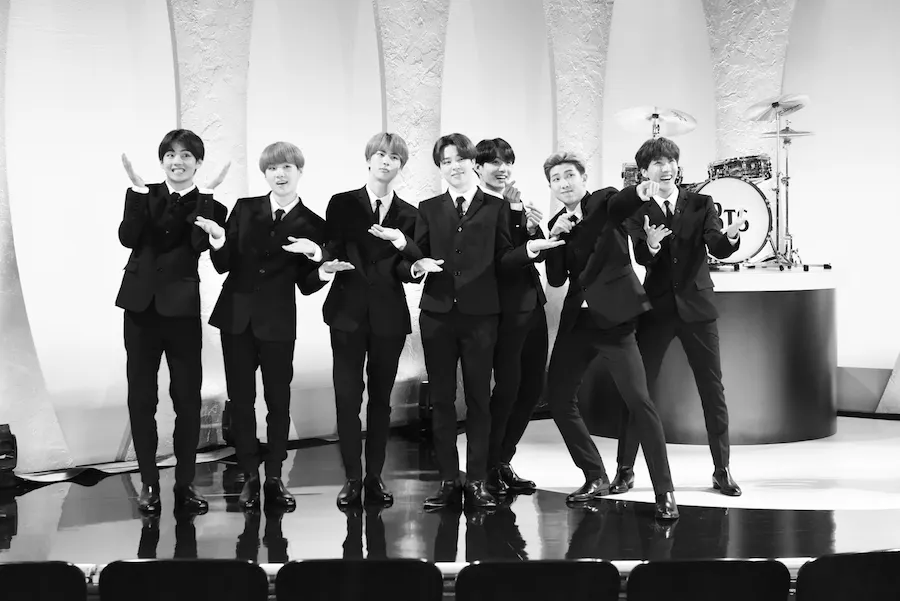
At the forefront of this era stood trailblazers like BTS (debuted in 2013), who revolutionized K-pop with their self-produced tracks tackling youth anxieties, mental health, and societal pressures. Their journey culminated in historic milestones, such as speaking at the United Nations in 2018 on youth empowerment and dominating the Billboard charts with albums like Love Yourself: Tear. EXO (debut 2012) set benchmarks in synchronized choreography and vocal prowess, with hits like “Growl” showcasing intricate dance routines that became viral sensations.
BLACKPINK (debut 2016) introduced a bold “girl crush” aesthetic, empowering female narratives through tracks like “DDU-DU DDU-DU,” which amassed billions of views and solidified their status as fashion icons. TWICE (debut 2015) countered with bubbly, infectious concepts in songs like “Cheer Up,” appealing to a broad audience with their catchy hooks and relatable charm. Key moments included BTS’s “Dynamite” (released in 2020 but rooted in third-gen momentum) becoming the first all-Korean song to top the Billboard Hot 100, and BLACKPINK’s groundbreaking Coachella performance in 2019, which exposed K-pop to mainstream Western festivals.
Innovations during this time were groundbreaking: concept trailers that built narrative universes, intricate world-building lore (as seen in EXO’s superhero-themed stories), and fan-voted content that democratized music creation. These elements not only boosted engagement but also paved the way for interactive experiences, such as AR filters and virtual meet-and-greets, enhancing the overall fan immersion.
Profound Effects on Modern Korean Society
The third generation amplified South Korea’s soft power on an unprecedented scale. Economic contributions skyrocketed, with K-pop’s global market value reaching billions—industry reports from the Korea Creative Content Agency (KOCCA) estimated the sector’s worth at over $10 billion by the late 2010s, driven by tourism surges like BTS-inspired pilgrimages to Busan and increased exports of Korean products. This era promoted inclusivity through multinational lineups (e.g., TWICE’s Japanese and Taiwanese members) and advocacy for LGBTQ+ rights and mental health, sparking nationwide conversations and policy changes, such as improved idol welfare standards.
Culturally, it ignited a worldwide boom in Korean language learning via apps like Duolingo, with millions enrolling post-BTS’s rise. K-beauty and fashion also went global, with idols influencing trends from skincare routines to streetwear, contributing to a $15 billion beauty industry by 2020. As an expert, I’ve observed how this generation’s emphasis on vulnerability—evident in BTS’s “Spring Day” addressing loss—reshaped societal norms, encouraging open dialogues on taboo topics in conservative Korea.
Deepening Ties with Korean Dramas
Integration with K-dramas deepened significantly, creating symbiotic relationships that amplified both mediums. EXO members like Kai and D.O. starred in acclaimed series such as “Andante” (2017) and “It’s Okay, That’s Love” (2014), bringing idol charisma to complex roles. BTS’s music featured prominently in dramas, with tracks like “Stay Gold” enhancing emotional arcs.
Iconic shows like “Descendants of the Sun” (2016) incorporated idol-like leads with magnetic presence, while “Itaewon Class” (2020) mirrored third-gen themes of empowerment and social justice through its soundtrack and plotlines. Original soundtracks (OSTs) evolved into standalone hits, charting independently and fulfilling fans’ cravings for extended universes where music and narrative blend seamlessly, as seen in the viral success of EXO’s “Don’t Mess Up My Tempo” tie-ins.
The Fourth Generation of K-pop: Innovation, Diversity, and the Metaverse (2020s – Present)
Navigating the challenges of the global pandemic, the fourth generation—emerging broadly from 2018/2019 and dominating since 2020—has embraced cutting-edge virtual technologies, unprecedented diversity, and resilience in a post-COVID landscape. As of early 2026, groups like Stray Kids, ENHYPEN, aespa, NewJeans, and IVE continue to lead charts with genre-blending sounds, AI integrations, and sustainability-focused initiatives, reflecting a maturing industry.
My ongoing analysis of recent comebacks, including reviews of 2025 releases, highlights this era’s pivot toward hyper-personalized fan interactions via platforms like Weverse and immersive metaverse concerts, which have sustained momentum despite live event disruptions.
Emerging Talents and Trends
Stray Kids have solidified their dominance with self-produced anthems and massive global tours, drawing millions in attendance and achieving milestones like their track “God’s Menu” surpassing 500 million Spotify streams in January 2026, making them the first fourth-gen boy group to do so. ENHYPEN blends dark fantasy elements in their storytelling, while aespa pioneers AI avatars (known as æ-members) in music videos, pushing boundaries of virtual reality.
NewJeans revives Y2K nostalgia with retro vibes in hits like “Ditto,” and groups like ZEROBASEONE and IVE rise rapidly through survival shows and empowering anthems. Trends include eco-friendly campaigns—such as recyclable album packaging—and hybrid live/virtual events, with genre fusion incorporating jazz, hip-hop, and funk for broader appeal.
In 2025, fourth-gen acts swept major awards, signaling a generational shift: at the MAMA Awards, Stray Kids clinched Album of the Year for KARMA, ENHYPEN won Fans’ Choice, and aespa took Best Female Group. This dominance underscores their role in evolving K-pop toward immersive, tech-driven experiences.
Fourth-gen K-pop fosters hybrid identities through multinational rosters, promoting mental health openness via campaigns and lyrics addressing burnout. It aligns with Korea’s green policies, with idols advocating sustainability and fans organizing charity drives that raise millions for global causes.
Economically, the industry contributes over $10 billion annually, with live events markets projected to expand by 20% in 2026, fueled by international tours and merchandise. This era builds global communities, enhancing cultural exchange and positioning K-pop as a bridge for diplomacy.
Fusion with Contemporary K-dramas
Recent fusions include idols starring in hits like “Lovely Runner” (2024), where OSTs from fourth-gen groups topped charts globally, and BL series “Please Teach Me” (2024) centering idol narratives. Dramas such as “JeongNyeon: The Star Is Born” (2024) blend music history, while “Retweet” (2025) explores social media fame akin to fourth-gen strategies. Netflix hits leverage these OSTs for deeper emotional resonance, creating cross-media appeal for fans seeking integrated entertainment worlds.
The Broader Impact: How K-pop Generations Fuel Korean Culture and Drama Today
Spanning generations, timeless themes like love, resilience, and identity weave K-pop and K-dramas into a cohesive tapestry. Economic effects are profound, from tourism booms at idol-linked drama sites to enhanced soft power that elevates Korea’s global image.
A prime case study: BTS’s meteoric rise amplified “Crash Landing on You” (2019-2020) through fan-driven crossovers, sparking international interest in Korean storytelling and culture.
Key shifts include:
- Rebellion in the first gen evolving to polished production in the second, empowerment in the third, and tech innovation in the fourth.
- Idols as versatile multihyphenates, excelling in music, acting, and endorsements.
- Music’s role in elevating drama narratives, with OSTs driving viewer retention and viral moments.
These dynamics solve the audience’s need for multifaceted content, blending escapism with real-world relevance.
Looking Ahead: The Future of K-pop Generations and Their Cultural Legacy
As we enter 2026, the fifth generation is solidifying, having emerged around 2023-2025 with acts emphasizing nostalgic, upbeat sounds and viral TikTok-friendly concepts. Groups like CORTIS (BigHit’s new boy band), BABYMONSTER, ILLIT, RIIZE, KISS OF LIFE, and rookies such as ALPHA DRIVE ONE (debuted January 2026) and LNGSHOT are leading with genre experimentation, AI-driven content, and hyper-personalization. Expect deeper global integrations, immersive MVs, and solo/sub-unit projects that push boundaries further.
For fans, ethical engagement is key: support mental health resources, fair streaming practices, and diverse representation to sustain the industry’s health.
From the foundational rebellion of the first generation to the innovative frontiers of the fourth and emerging fifth, each generation of K-pop has meticulously sculpted Korean culture and drama into a dynamic, influential force. This ongoing evolution not only enriches storytelling with emotional depth and visual spectacle but also fosters global connections, celebrates human resilience, and drives economic and social progress.
To truly immerse yourself, curate a playlist traversing eras—from BTS’s anthems to NewJeans’ retro vibes—or binge a drama featuring idol OSTs like “Descendants of the Sun.” By understanding these interconnected layers, you’ll gain a profound appreciation for Korea’s vibrant, ever-evolving cultural landscape, empowering you to engage more meaningfully with the Hallyu wave.