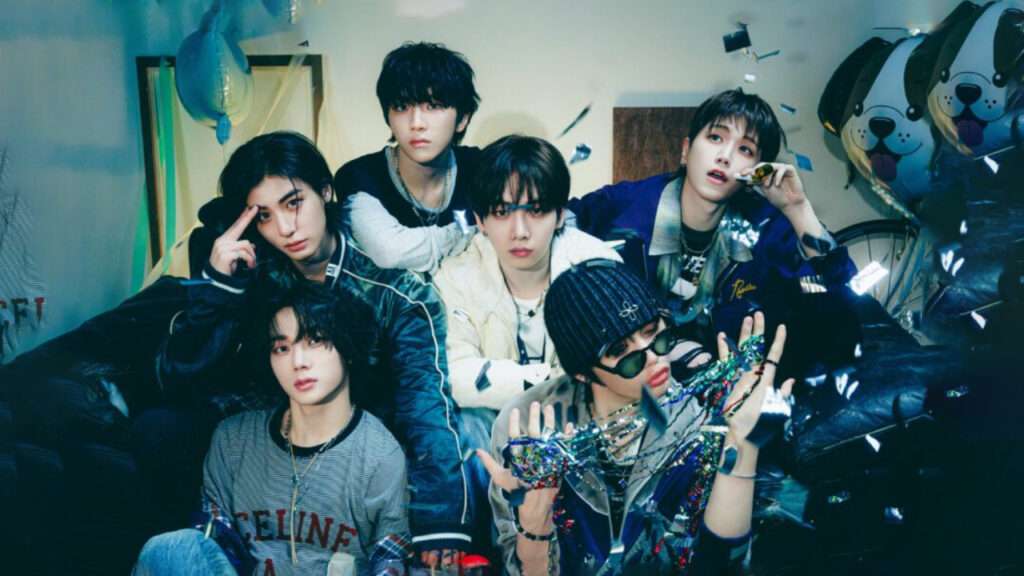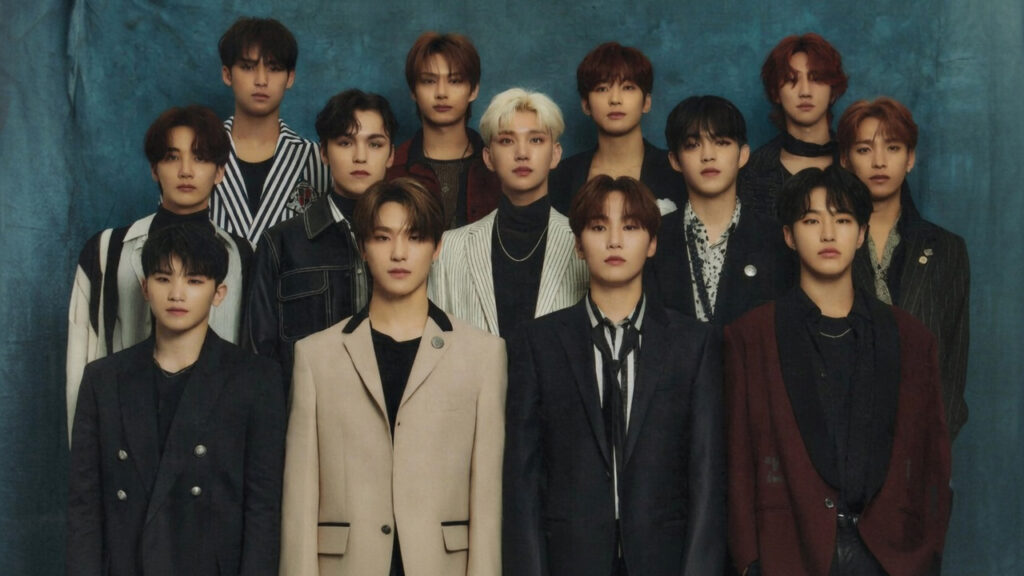
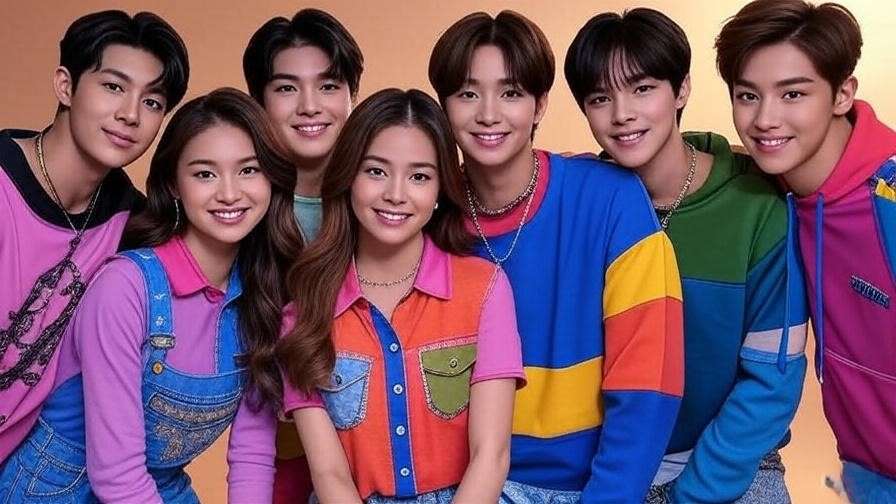
Imagine a stage where East meets Southeast, where Filipino K-pop idols shine as brightly as their Korean counterparts, captivating millions with their talent and resilience. The global K-pop phenomenon has welcomed a new wave of stars, and Filipino Kpop idols are at the forefront, weaving their unique stories into the vibrant tapestry of Korean pop culture. As K-pop continues its meteoric rise, these artists are not just performers but cultural bridges, bringing Filipino pride to international stages. In this comprehensive guide, we dive into the journeys of seven rising Filipino K-pop idols in 2025, exploring their struggles, triumphs, and why they’re must-watch talents. Backed by insights from industry sources like Koreaboo and Kpopmap, this article celebrates their impact and offers fans actionable ways to support their ascent.
Why Filipino Kpop Idols Are Capturing Global Attention
The Global K-pop Phenomenon and Filipino Representation
 K-pop’s global dominance is undeniable, with groups like BTS and BLACKPINK setting benchmarks for music and cultural influence. The Philippines ranks as the fifth-largest K-pop market globally, with fans streaming millions of songs daily and packing arenas for concerts. This fervor has caught the eye of K-pop agencies, who now actively scout Filipino talent through auditions like SBTown Universe. The success of P-pop groups like SB19 has further spotlighted the Philippines as a talent hub, paving the way for Filipino idols to debut in K-pop groups. Their rise reflects a broader trend of Southeast Asian representation, diversifying K-pop’s narrative and appealing to global audiences.
Unique Qualities of Filipino Idols
Filipino K-pop idols bring a distinct flavor to the industry, blending vocal prowess, dynamic dance skills, and an infectious charisma shaped by their cultural roots. Many, like Chanty of LAPILLUS, draw from the Philippines’ rich performance traditions—think kundiman melodies and pageant poise. Geong Seong Han, CEO of SBTown, notes, “Filipino trainees excel in adaptability and emotional delivery, making them stand out in rigorous training systems.” Their multicultural backgrounds, often paired with fluency in English, allow them to connect with international fans, making them invaluable assets in K-pop’s global expansion.
Meet the 7 Rising Filipino Kpop Idols of 2025
Chanty Videla (LAPILLUS)
Background: Chantal Dela Cruz, known as Chanty, is a Filipina-Argentinian gem born in Manila. Before K-pop, she was a rising star under Sparkle GMA Artist Center, appearing in dramas and modeling for brands. Her journey to K-pop began with MLD Entertainment’s global auditions, drawn by her love for BLACKPINK.
Struggles: Chanty faced significant hurdles, including a 2024 diagnosis of chronic fatigue syndrome, which tested her resilience. Balancing health with K-pop’s demanding schedules was no small feat, yet she persevered through intense vocal and dance training, mastering Korean to integrate with LAPILLUS.
Success: Debuting in 2022 with LAPILLUS, Chanty shone in hits like “Hit Ya!” and “Gratata,” earning praise for her soulful vocals. Her group’s 2024 comeback, Burn With Love, topped charts in Southeast Asia, cementing her status as a rising star.
Why They Matter: Chanty’s multicultural heritage resonates with fans globally, particularly in Latin America and the Philippines. Her journey inspires aspiring idols to embrace their unique identities. Follow her on Instagram (@chantyvidela) to catch her latest updates.
Elisia Parmisano (UNIS)
Background: At just 14, Elisia Parmisano was a standout in the Philippines, training under Star Magic and starring in the teleserye Nang Ngumiti Ang Langit. Her K-pop journey began when she auditioned for Universe Ticket, a survival show by F&F Entertainment.
Struggles: Competing against seasoned trainees on Universe Ticket was daunting. Elisia faced intense pressure to prove her vocal and performance skills while adapting to South Korea’s fast-paced training environment, far from her family in Cebu.
Success: Securing a spot in UNIS in 2024, Elisia’s powerful vocals and youthful energy shone in their debut single “Superwoman.” Her performances on Music Bank in 2025 garnered millions of YouTube views, making her a Gen Z favorite.
Why They Matter: Elisia represents the dreams of young Filipinos, proving age is no barrier to global stardom. Her relatable charm makes her a role model for aspiring artists. Stream UNIS’s music on Spotify to support her.
Gehlee Dangca (UNIS)
Background: Known as “Princess” in her pageant days, Gehlee Dangca transitioned from Philippine beauty contests to K-pop stardom. Her charisma and stage presence caught F&F Entertainment’s attention during Universe Ticket auditions.
Struggles: Moving from pageants to K-pop required Gehlee to master complex choreography and vocal techniques. She also navigated cultural differences, learning Korean while maintaining her Filipino identity in a competitive industry.
Success: Placing fourth in Universe Ticket, Gehlee debuted with UNIS in 2024. Her standout performance in “Dopamine” showcased her versatility, earning her a dedicated fanbase in Manila and Seoul.
Why They Matter: Gehlee’s journey from pageants to K-pop highlights Filipino resilience, inspiring fans to pursue unconventional paths. Check out her TikTok (@gehleedangca) for behind-the-scenes content.
Sophia Laforteza (KATSEYE)
Background: Born to theater star Carla Guevara Laforteza, Sophia grew up in Manila’s performing arts scene. Her K-pop journey began with HYBE’s The Debut: Dream Academy, where she outshone global competitors to lead KATSEYE.
Struggles: As KATSEYE’s leader, Sophia faced immense pressure to unify a diverse group while mastering Korean and English performances. The survival show’s grueling schedule tested her endurance, but her determination prevailed.
Success: KATSEYE’s 2024 debut single “Touch” became a TikTok sensation, amassing 50 million streams. Sophia’s leadership and vocal range earned her praise as “K-pop’s next global face” by Billboard.
Why They Matter: Sophia bridges Filipino and global audiences, redefining K-pop diversity. Her story of leadership inspires fans to embrace challenges. Follow KATSEYE on X (@katseyeworld) for updates.
Jay Chang (ONE PACT)
Background: Filipino-American Jay Chang’s journey is one of perseverance. Born in the U.S. to Filipino parents, he competed in Under Nineteen, Boys Planet, and Build Up before debuting with ONE PACT and B.D.U.
Struggles: Multiple eliminations in survival shows took a toll on Jay’s confidence. Moving between the U.S. and South Korea, he faced cultural and language barriers, yet his vocal talent kept him in the spotlight.
Success: Debuting with ONE PACT in 2023 and B.D.U. in 2024, Jay’s soulful voice shone in tracks like “Rush Hour.” His 2025 solo fan meeting in Manila sold out, reflecting his growing Filipino fanbase.
Why They Matter: Jay’s comeback story inspires fans to persevere through setbacks. His dual heritage connects Filipino and American audiences. Support him by streaming B.D.U.’s music on Apple Music.
Dongyeon (POW)
Background: Dongyeon’s path to K-pop began with Boys Planet, where he showcased his dance skills. As one of the first Filipino male K-pop idols, he debuted with POW under GRID Entertainment in 2023.
Struggles: Eliminated in Boys Planet’s seventh round, Dongyeon faced doubts about his future. Adapting to K-pop’s intense training while maintaining his Filipino roots was a constant challenge.
Success: POW’s 2023 debut single “Favorite” and 2025 comeback “Valentine” showcased Dongyeon’s dynamic performances, earning him a spot on M Countdown’s top performers list.
Why They Matter: Dongyeon pioneers Filipino male representation in K-pop boy groups, inspiring young men to chase their dreams. Watch POW’s MVs on YouTube to support him.
Kriesha Chu (Soloist)
Background: Born in Makati to Filipino-Chinese parents, Kriesha Chu moved to the U.S. before competing on K-Pop Star 6. Her journey led to a solo debut and later joining cignature in 2019.
Struggles: Relocating to South Korea meant overcoming language barriers and cultural differences. As a soloist, she faced the pressure of building a fanbase without a group’s support.
Success: Her 2017 solo single “Trouble” and cignature’s 2024 hit “Aurora” showcased her versatility. Her 2025 solo comeback is highly anticipated, with teasers trending on X.
Why They Matter: Kriesha’s Chinoy heritage adds diversity to K-pop, inspiring multicultural fans. Support her by following cignature on Instagram (@cignature_jyp).
The Challenges Filipino Kpop Idols Face
Cultural and Language Barriers
 Transitioning to South Korea’s K-pop industry is no small feat for Filipino idols. Learning Korean, adapting to strict training regimens, and navigating cultural nuances pose significant challenges. For instance, Chanty’s move from Philippine showbiz to MLD Entertainment required her to master Korean pronunciation for LAPILLUS’s intricate harmonies. These idols often spend years in training, balancing language classes with dance and vocal practice, all while staying connected to their Filipino roots.
Health and Mental Wellness
The K-pop industry’s demanding schedules take a toll on physical and mental health. Chanty’s 2024 chronic fatigue syndrome diagnosis highlighted the physical strain, while survival shows like Universe Ticket test mental resilience. Dr. Kim Soo-hyun, a Seoul-based psychologist specializing in K-pop trainees, notes, “The pressure to perform perfectly can lead to anxiety and burnout, especially for international idols far from home.” Filipino idols like Elisia and Gehlee have shared their struggles with homesickness, emphasizing the need for mental health support.
Representation and Stereotypes
Despite K-pop’s global reach, Southeast Asian idols, including Filipinos, often face stereotypes about their abilities or marketability. Reddit discussions on r/kpop highlight fans’ frustration with the industry’s initial reluctance to promote non-Korean idols. Filipino stars like Sophia counter this by showcasing their talent and leadership, but the fight for equal representation continues. Their success challenges outdated norms, paving the way for future Southeast Asian idols.
How Filipino Idols Are Shaping the Future of K-pop
Bridging Cultures
Filipino K-pop idols are cultural ambassadors, blending Korean and Filipino elements to create a unique appeal. Elisia’s love for celebrating Christmas in the Philippines, shared in a 2024 Vogue Korea interview, resonates with Pinoy fans, while Sophia’s English fluency connects KATSEYE with Western audiences. This cultural fusion strengthens K-pop’s global footprint, making it more inclusive and relatable.
Inspiring the Next Generation
These idols inspire young Filipinos to pursue K-pop dreams, with auditions like SBTown Universe seeing record applications in 2025. Gehlee’s pageant-to-K-pop journey, for example, motivates fans to embrace unconventional paths. By sharing their stories on platforms like TikTok, these idols encourage aspiring artists to persevere, boosting the Philippines’ reputation as a talent powerhouse.
The Role of Social Media
Social media amplifies Filipino idols’ reach, with platforms like TikTok and X driving their popularity. KATSEYE’s “Touch” became a 2024 TikTok dance trend, garnering 100 million views, thanks to Sophia’s engaging content. Digital strategist Jane Park notes, “Filipino idols leverage social media to connect authentically, turning fans into advocates.” Their online presence fuels global fandoms, from Manila to Miami.
Tips for Supporting Filipino Kpop Idols
Engage with Their Content
Supporting Filipino K-pop idols starts with streaming their music on platforms like Spotify and YouTube. Watching MVs, like UNIS’s “Dopamine,” boosts chart rankings. Follow idols on Instagram and TikTok for updates and engage with their posts to increase visibility. For example, liking Chanty’s LAPILLUS content (@lapillus_official) helps promote their comebacks.
Vote in Survival Shows
Filipino fans have a strong voting culture, as seen in Universe Ticket. Voting for idols like Elisia and Gehlee in survival shows ensures their debut chances. Apps like Mnet Plus make voting accessible—download and participate in 2025’s upcoming shows to support rising stars.
Attend Concerts and Events
 K-pop concerts in Manila, like UNIS’s 2025 Asia tour, are prime opportunities to show support. Tickets for KATSEYE’s Manila stop sold out in hours, reflecting Filipino fans’ enthusiasm. Check TicketNet for 2025 concert schedules and attend to cheer for your favorite idols.
FAQs About Filipino Kpop Idols
Who are the most famous Filipino K-pop idols in 2025?
Chanty (LAPILLUS), Elisia and Gehlee (UNIS), and Sophia (KATSEYE) are among the most prominent, known for their chart-topping hits and global fanbases.
How do Filipino idols get discovered by K-pop agencies?
Many are scouted through global auditions like SBTown Universe or survival shows like Universe Ticket. Agencies value their vocal and performance skills, often discovered via social media or local talent agencies.
What challenges do Filipino idols face in K-pop?
They navigate cultural and language barriers, health challenges, and stereotypes about Southeast Asian representation, requiring resilience and adaptability.
How can fans support Filipino K-pop idols?
Stream their music, vote in survival shows, attend concerts, and engage with their social media content to boost their visibility and success.
The rise of Filipino K-pop idols in 2025 marks a new chapter in K-pop’s global evolution. From Chanty’s soulful vocals to Sophia’s leadership, these seven stars—Chanty, Elisia, Gehlee, Sophia, Jay, Dongyeon, and Kriesha—embody resilience, talent, and cultural pride. Their journeys, fraught with challenges like language barriers and health struggles, highlight their determination to succeed on the world stage. By bridging Filipino and Korean cultures, they inspire fans and reshape K-pop’s narrative. Support them by streaming their music, voting in shows, and attending concerts. Share this article to spread #PinoyPride and follow their journeys on platforms like X and TikTok. For more on K-pop and Filipino talent, explore our related articles on Korean culture trends.
Sources: Koreaboo, Kpopmap, Cosmo.ph, Reddit (r/kpop), Vogue Korea, Billboard