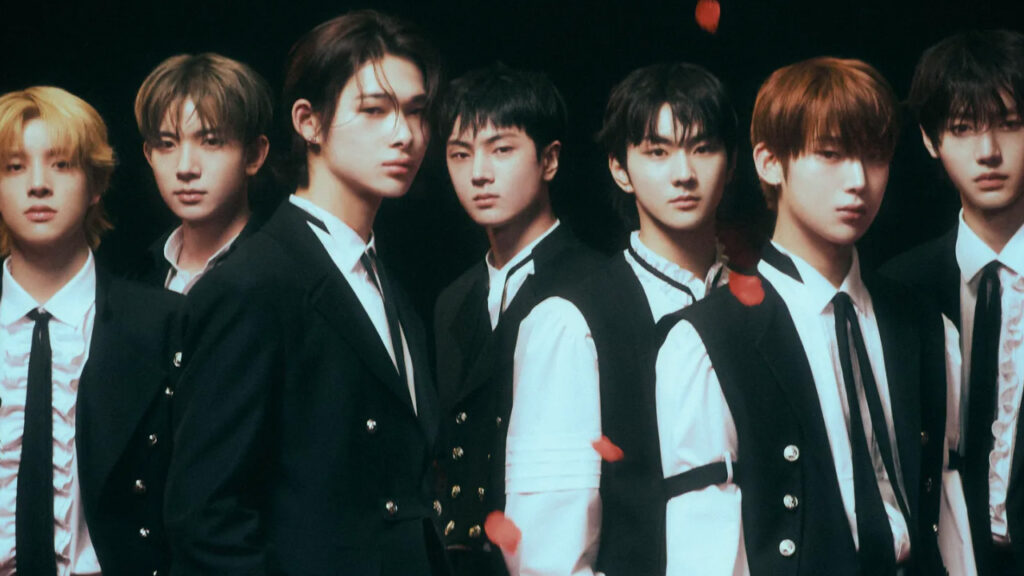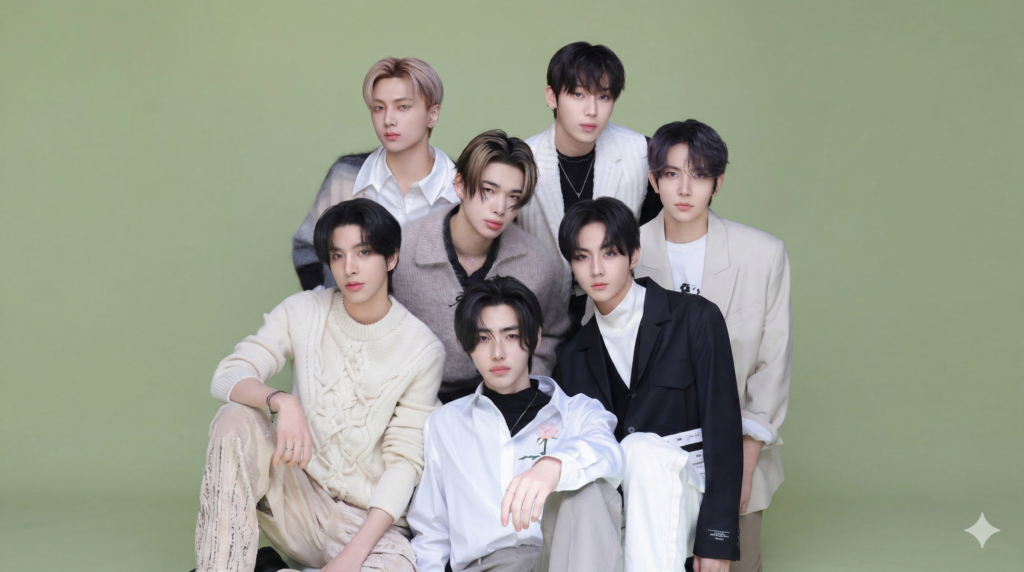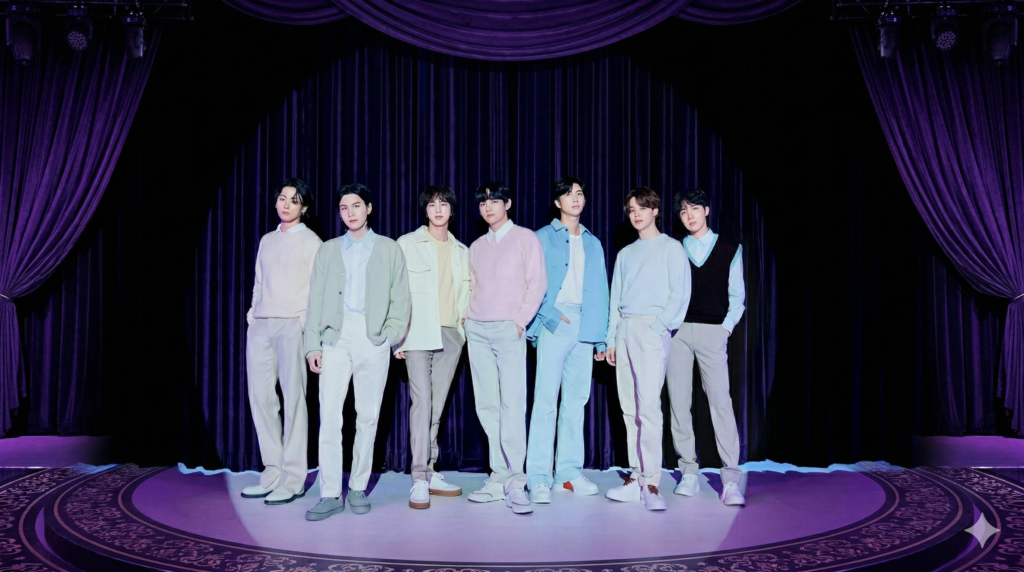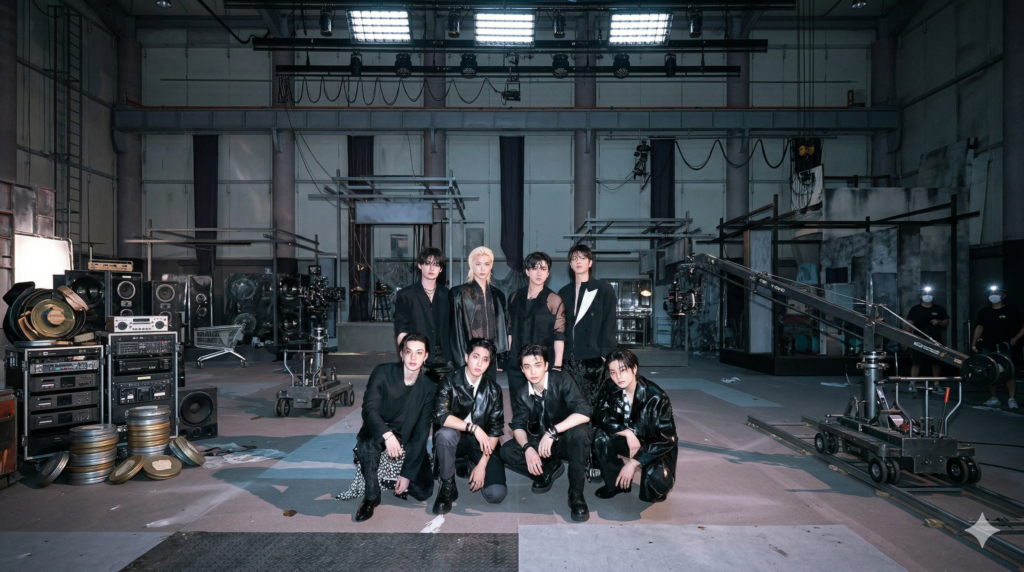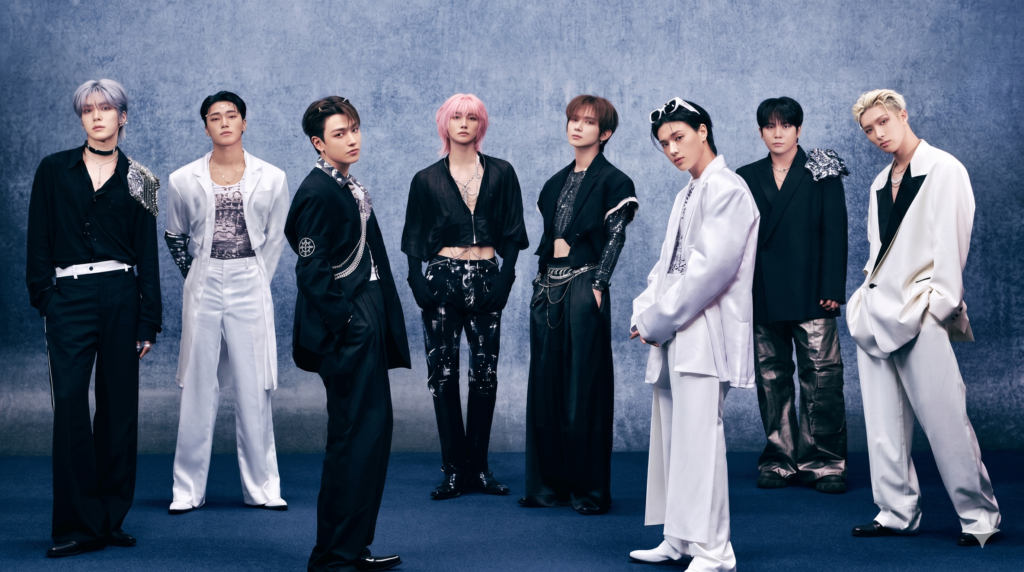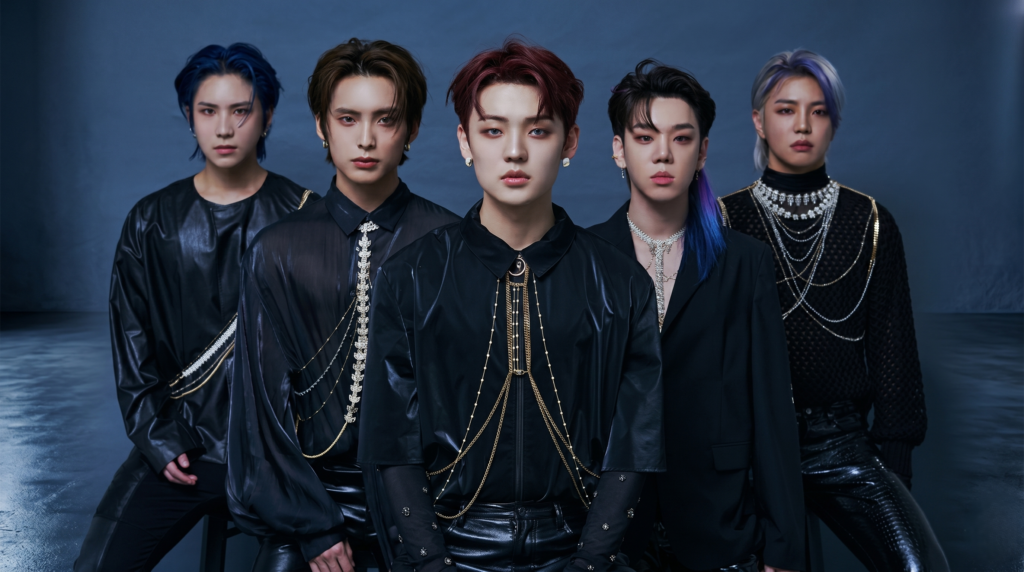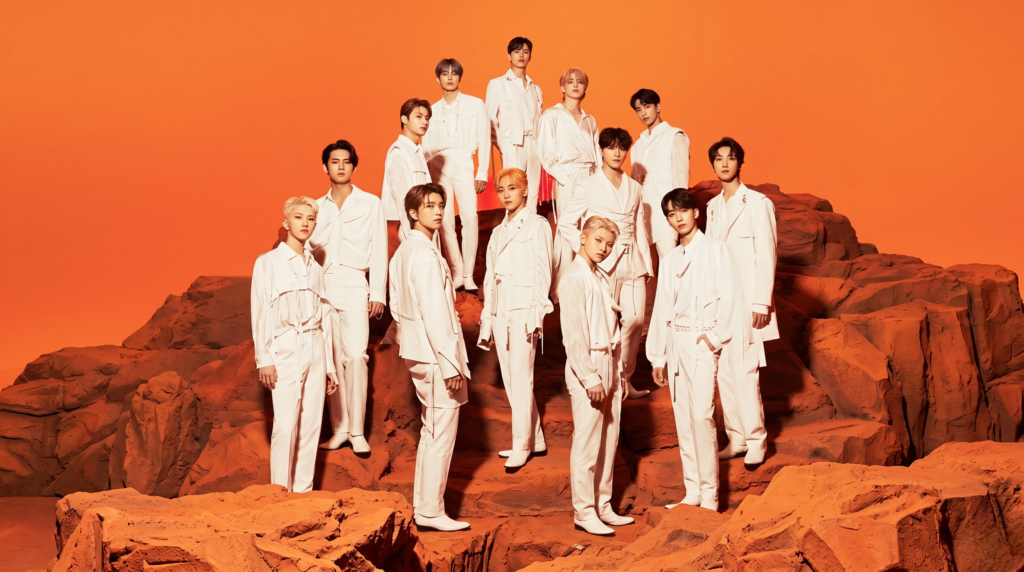

If you have ever felt an unexplainable, almost magnetic pull toward a particular Kpop idol — a sense that they truly understand something deeper about the human experience — there is a real chance that idol carries one of the rarest personality types on the planet. INFJ Kpop idols represent less than 2% of the global population, yet their impact on the Korean music industry is anything but small. They write lyrics that feel like diary entries. They perform with a stillness that somehow commands every eye in the room. And when they speak in interviews, fans lean in — because what they say always seems to mean something more.
MBTI culture has become deeply woven into the fabric of Korean entertainment. From variety show icebreakers to official group profile cards, personality types have become one of the most intimate ways fans feel connected to the idols they love. And within that landscape, no personality type generates quite as much fascination — or devotion — as the INFJ.
In this article, we will explore who the most notable INFJ Kpop idols are, what makes their personalities so compelling on and off stage, and why fans across the world find themselves irresistibly drawn to the quiet power these idols carry with them everywhere they go.
What Does INFJ Mean? A Quick Personality Breakdown
Before diving into the idols themselves, it helps to understand exactly what the INFJ label means — and why it matters in the context of Kpop.
INFJ is one of sixteen personality types identified in the Myers-Briggs Type Indicator (MBTI) framework. It stands for Introverted, Intuitive, Feeling, and Judging — a combination that produces individuals who are simultaneously private and deeply empathetic, idealistic yet purposeful, and quietly intense in everything they do.
The Four Core Traits of an INFJ
Introverted (I): INFJs are energized by solitude and inner reflection rather than social activity. This does not mean they are shy or antisocial — many INFJs are incredibly warm and engaging in one-on-one settings. It simply means that the spotlight drains them, and they need quiet time to recharge.
Intuitive (N): INFJs are big-picture thinkers. They are drawn to meaning, pattern, and possibility rather than surface-level facts. This makes them naturally gifted storytellers and artists who seek depth in everything they create.
Feeling (F): Decision-making for INFJs is guided primarily by values and emotions rather than cold logic. They are deeply empathetic — often sensing the emotional undercurrents in a room before anyone has said a word.
Judging (J): Despite their emotional depth, INFJs are remarkably structured and purposeful. They have a clear sense of mission and tend to pursue their goals with quiet but unwavering determination.
Why Is INFJ Called the “Rarest Personality Type”?
The INFJ is widely recognized as the rarest of all sixteen MBTI types, accounting for an estimated 1–2% of the global population. Known formally as “The Advocate”, the INFJ carries a fascinating paradox at their core: they are deeply private individuals who nonetheless feel called to influence, inspire, and connect with the world around them.
This paradox is precisely what makes INFJ Kpop idols so captivating. The entertainment industry demands visibility, vulnerability, and constant public performance — conditions that would exhaust most introverts. Yet INFJs possess an extraordinary ability to channel their inner world outward through art, creating performances and music that feel almost confessionally personal without ever fully giving themselves away.
Why MBTI Matters So Much in Kpop Culture
To fully appreciate why INFJ Kpop idols generate such intense fan interest, it is important to understand how deeply MBTI culture has rooted itself in the Korean entertainment world.
How Korean Entertainment Embraced MBTI
South Korea’s relationship with the Myers-Briggs framework goes well beyond casual curiosity. Since the early 2020s, MBTI has become a staple of idol culture — appearing in debut profile cards, variety show introductions, fan café posts, and even album concept development. Major groups like BTS, BLACKPINK, Stray Kids, and aespa have all publicly shared their members’ MBTI types, often to thunderous fan reaction.
Korean entertainment agencies recognized early on that MBTI provides fans with a structured, emotionally resonant framework for understanding the idols they love. It transforms the parasocial relationship — the one-sided emotional bond between fan and idol — into something that feels mutual and personal. When a fan discovers their favorite idol shares their MBTI type, the connection suddenly feels less like admiration and more like recognition.
What Fans Look for When Searching INFJ Kpop Idols
Fans who search specifically for INFJ Kpop idols are typically looking for one thing above all else: relatability wrapped in artistry. The INFJ fan community is uniquely self-aware — many are INFJs themselves, or are deeply interested in personality psychology, and they approach idol appreciation with a level of emotional intelligence that sets them apart.
What they want to see is evidence. They want interview moments where an idol pauses thoughtfully before speaking. They want lyrics that feel too specific and too honest to be manufactured. They want the rare, unguarded glimpse behind the performance — and they want to know the idol they love shares their way of experiencing the world.
Key Traits That Make INFJ Kpop Idols Stand Out
Not all introverted idols are INFJs, and not all INFJs present their personality in the same way. But there are specific qualities that INFJ Kpop idols tend to share — qualities that make them deeply distinctive within an industry built on spectacle.
The Quiet Charisma That Captivates Fans
There is a particular kind of stage presence that INFJ idols carry — one that does not announce itself loudly but somehow draws every eye in the room. It is the energy of someone who is entirely present, entirely intentional, and entirely themselves. While some idols command attention through explosive energy or humor, INFJ idols do it through focus. Their gaze during a performance feels personal. Their stillness between movements feels deliberate. Fans often describe watching an INFJ idol perform as an experience that feels strangely intimate, even in a stadium of fifty thousand people.
This is the quiet charisma of the INFJ — a magnetism that comes not from demanding attention, but from being so fully absorbed in what they are doing that the audience cannot look away.
Deep Emotional Expression Through Art
INFJs are natural artists because they experience the world with extraordinary emotional and imaginative depth. When an INFJ idol writes lyrics, they are not simply crafting phrases that sound good — they are excavating something real and interior and placing it carefully into words. This is why songs written or heavily influenced by INFJ idols often carry a quality that fans describe as layered — the kind of lyrics that mean something different the tenth time you hear them than they did the first.
This emotional authenticity is one of the most powerful tools an INFJ idol possesses. In an industry where image and performance are meticulously constructed, genuine emotional depth is rare — and audiences feel the difference immediately.
The Paradox of Being Private Yet Deeply Relatable
One of the most fascinating qualities of INFJ Kpop idols is how they manage to be both deeply private and intensely relatable at the same time. They do not share everything. They maintain clear boundaries between their public persona and their inner life. Yet the pieces of themselves they do share — the carefully chosen words in an interview, the personal lyric tucked inside a B-side track, the unscripted moment caught on a fan cam — land with unusual weight precisely because they are rare.
This is what psychologists sometimes call the scarcity effect applied to emotional vulnerability: when someone shares selectively and thoughtfully, each disclosure feels like a gift. Fans of INFJ idols often describe feeling like they have been trusted with something precious — and that sense of being chosen, even within a fandom of millions, creates an extraordinarily loyal emotional bond.
Notable INFJ Kpop Idols You Should Know
This is the section fans come for — and it deserves to be treated with both depth and care. The idols profiled below have either confirmed their INFJ type through official interviews, variety show appearances, or verified fan interactions. Where MBTI results can shift over time, we have noted the most recently confirmed or widely cited designation.
1. Suga (BTS) — The Visionary Poet

Perhaps no INFJ Kpop idol has made a more indelible mark on the industry than Min Yoongi — known to the world as Suga of BTS, and to music fans as the solo artist Agust D. Suga’s INFJ designation aligns almost perfectly with every dimension of his public and artistic identity.
His introversion is not a performance — it is a foundational part of who he is. In countless BTS interviews and In the SOOP episodes, Suga has spoken openly about his need for solitude, his discomfort with large social settings outside of performance, and his preference for expressing himself through music rather than conversation. He is a man of few words who somehow says everything.
What makes Suga the definitive INFJ idol is his art. His mixtapes — Agust D and D-2 — are among the most lyrically raw and emotionally complex projects ever released by a Korean artist. He writes about depression, ambition, identity, and the cost of success with a precision and honesty that feels almost uncomfortable in its intimacy. These are not manufactured confessions designed for relatability. They are the dispatches of an INFJ who has processed his inner world through decades of introspection and finally found the language to share it.
Fans who connect with Suga do not simply admire him — they feel, often overwhelmingly, that he has articulated something they could never quite put into words themselves. That is the INFJ gift in its purest form.
2. Taeyeon (Girls’ Generation / Solo) — The Empathetic Vocalist
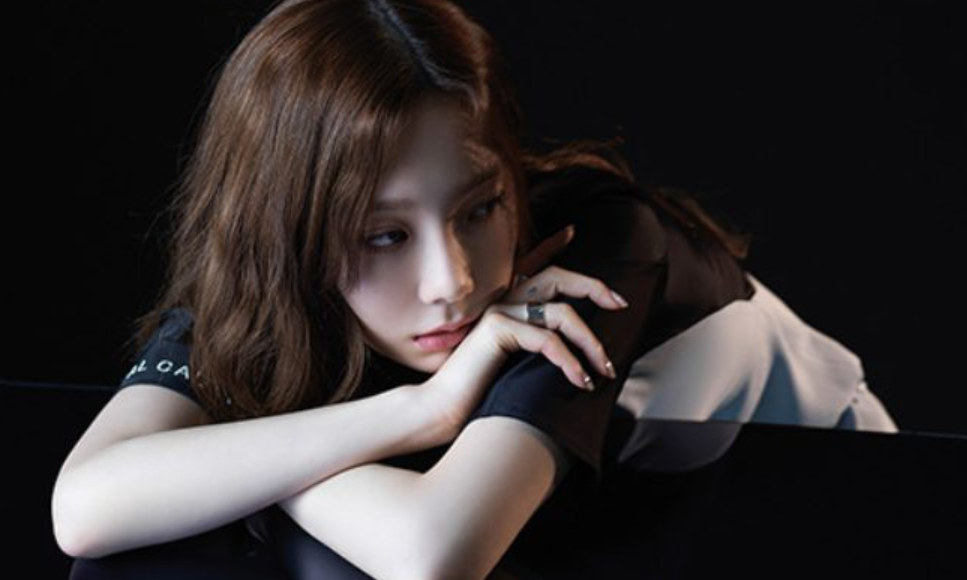
Taeyeon is one of the longest-standing and most respected figures in the entire Kpop industry, and her INFJ personality has been a quiet undercurrent throughout her decades-long career. As the leader of Girls’ Generation during one of Kpop’s most formative eras, and as a deeply successful solo artist, Taeyeon has demonstrated every hallmark of the INFJ in the way she navigates both art and public life.
She is known for being extraordinarily warm in fan interactions — genuinely present, emotionally attentive, and memorable in her sincerity — yet visibly uncomfortable with the overwhelming machinery of large-scale celebrity. Her social media presence is minimal and thoughtful. Her interviews are careful, introspective, and occasionally surprisingly candid about mental health struggles she has faced publicly with rare courage.
Her music tells the rest of the story. Taeyeon’s solo discography — I, My Voice, Purpose, INVU — is a sustained meditation on vulnerability, longing, and self-understanding. Her vocal delivery is not simply technically exceptional; it is emotionally intelligent in a way that transforms each song into an experience. INFJ listeners, in particular, often describe her music as the rare kind that feels like it was written specifically for them.
3. Woozi (SEVENTEEN) — The Quiet Leader Who Writes Everything
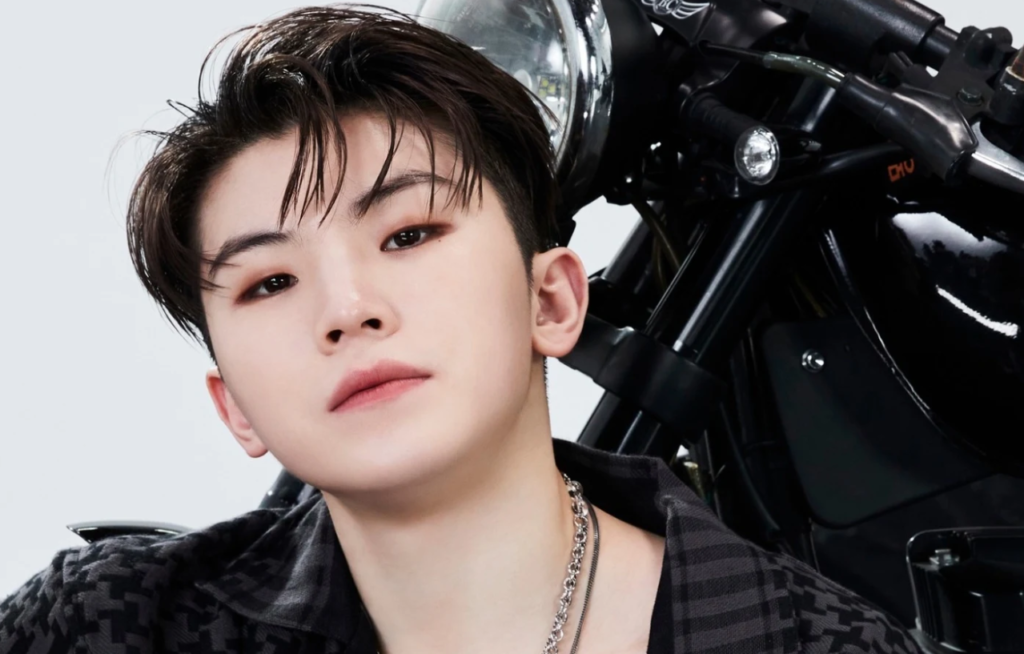
Jihoon Lee, known as Woozi, is the principal songwriter and music producer for SEVENTEEN — one of the most lyrically sophisticated and self-produced groups in contemporary Kpop. His INFJ type has been widely discussed within the CARAT fandom, and the evidence is woven through everything he creates and every way he leads.
Woozi’s leadership style is the textbook INFJ model: he leads through vision, not volume. He does not demand the floor in group settings, and his natural inclination is to listen more than he speaks. Yet his influence on SEVENTEEN’s creative direction is enormous — arguably the single most defining force in what has made the group artistically distinct from their peers.
His songwriting reflects classic INFJ depth: SEVENTEEN’s discography is filled with lyrics about growth, purpose, sincerity, and the complexity of human connection. These are not empty feel-good anthems — they are carefully constructed emotional arguments for why striving, caring, and connecting are worth the pain they sometimes bring.
What fans cherish most about Woozi is the rare interview or Weverse post where his inner world becomes briefly visible. He is not performatively emotional. He does not share for the sake of fan service. When Woozi says something personal, it is because he means it — and in Kpop, that kind of sincerity is immediately recognizable and fiercely treasured.
4. Jennie (BLACKPINK) — The Introspective Icon
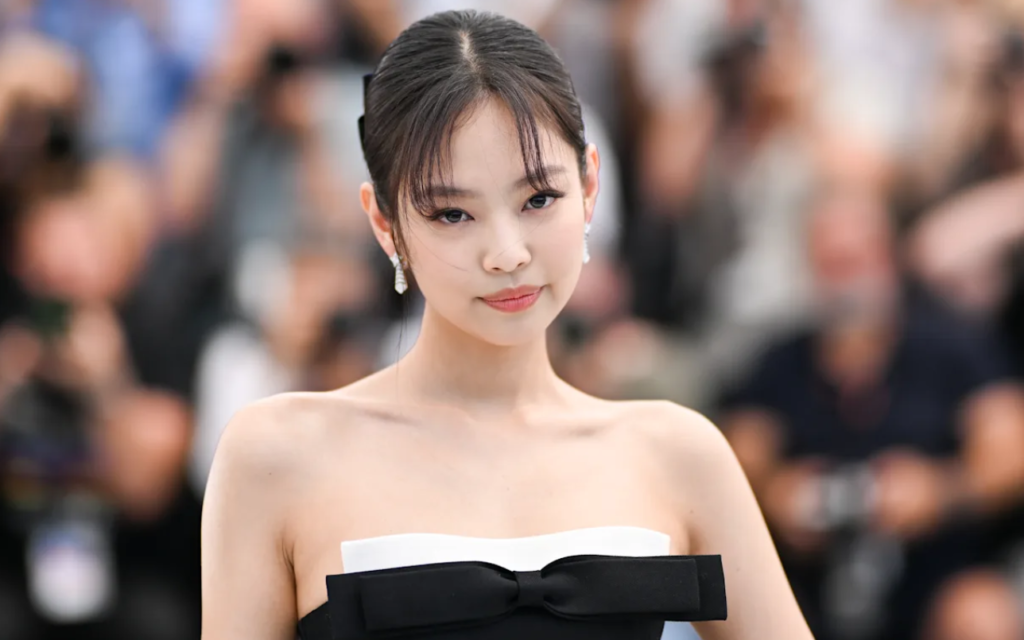
Jennie of BLACKPINK occupies one of the most visible positions in the global Kpop landscape, which makes her INFJ personality particularly fascinating to observe. On stage, she projects effortless confidence and commanding presence. Off stage and in more candid settings, a very different person becomes visible — one who is introspective, selective with her words, and clearly navigating the enormous pressure of global fame through a deeply interior lens.
Jennie has spoken in interviews about feelings of loneliness within the idol life, about the difficulty of maintaining personal identity within a constructed public image, and about the grounding she finds in solitude and creative work. These are quintessentially INFJ concerns — the tension between the inner life and outer demands, and the search for authenticity within a system that incentivizes performance.
Her solo work, including the track SOLO and her later releases, reflects an INFJ’s need to claim her own narrative. Jennie does not follow the Kpop formula passively — she interrogates it, bends it, and inserts herself into it on her own terms. That is exactly what an INFJ does when they find themselves in a system that does not quite fit: they work within it until they find the space to make it theirs.
5. Onew (SHINee) — The Deeply Feeling Performer
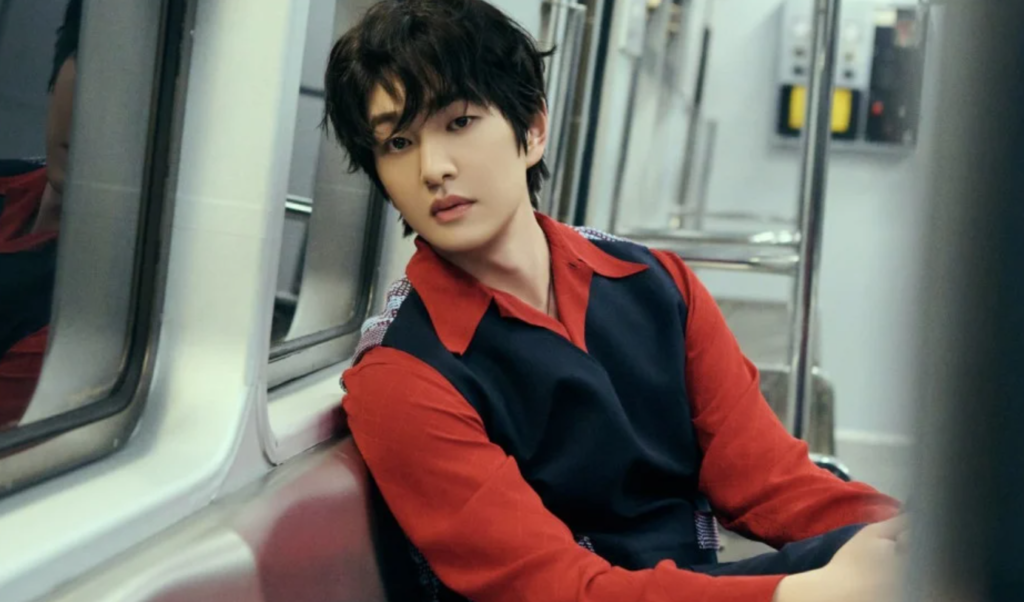
Lee Jinki — Onew — is one of the most beloved figures in Kpop history, and his INFJ personality is perhaps the most gently expressed of any idol on this list. Where some INFJ idols channel their depth into intense artistic output or quiet leadership, Onew expresses his through an almost tender emotional availability that fans find deeply moving.
He is the kind of performer who makes every fan feel genuinely seen. His interactions in fan settings are not perfunctory — they are warm, considered, and personal in a way that larger-than-life idol personas rarely achieve. And his vocal performances carry a quality of emotional honesty that has made him one of the most respected singers in the industry regardless of era or trend.
Onew’s journey through military service, personal struggles, and the devastating loss of SHINee’s Jonghyun has been watched by fans with a particular kind of protective tenderness — because his INFJ sensitivity has always been visible, and because that visibility made his pain feel shared rather than observed from a distance.
6. RM (BTS) — The Philosophical Visionary

Kim Namjoon — RM — is the leader, primary lyricist, and philosophical anchor of BTS, and his INFJ designation may be the most thoroughly documented of any idol in the industry. He has taken multiple MBTI assessments over the years, discussed personality psychology in interviews, and his entire public presence is a sustained expression of INFJ values: deep thinking, humanist idealism, and the conviction that art should mean something.
RM does not write lyrics — he writes arguments. Arguments for self-acceptance, for the value of being lost, for the importance of loving yourself before you can love anyone else. His solo work, particularly the Indigo album, is one of the most intellectually and emotionally ambitious projects in Kpop history — a meditation on identity, impermanence, and what it means to remain human in the machinery of global fame.
As a leader, RM exemplifies the INFJ’s paradox: he is simultaneously one of the most publicly visible members of the world’s biggest Kpop group, and one of the most privately interior people in it. He has spoken candidly about his struggles with loneliness, self-doubt, and the weight of leadership — not as a cry for sympathy, but as an honest accounting of his experience. That honesty is the INFJ’s greatest gift, and RM offers it with extraordinary generosity.
7. Yeji (ITZY) — The Fierce Introvert
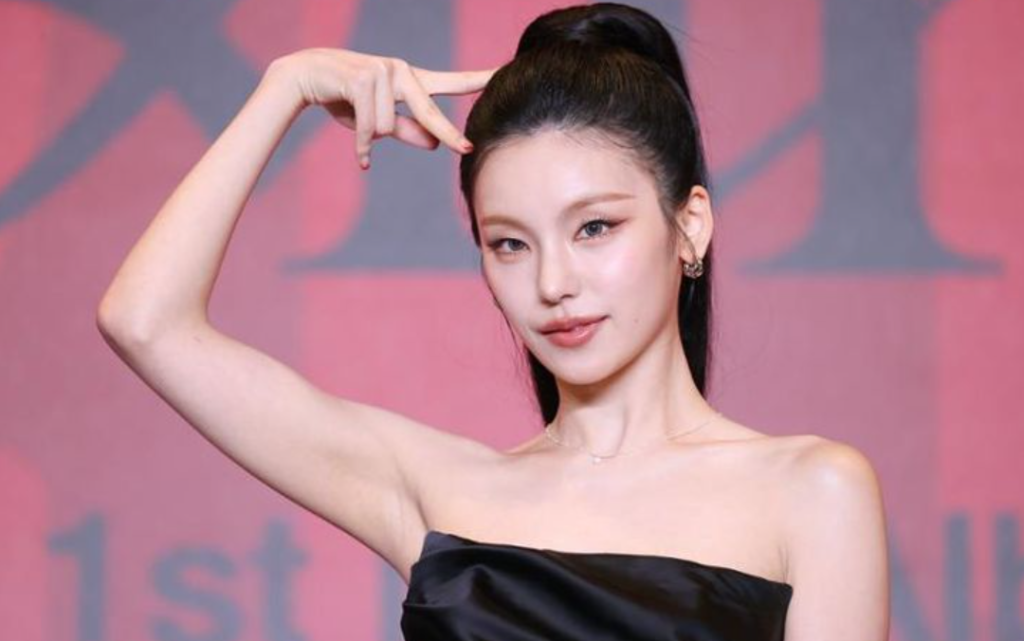
Hwang Yeji of ITZY is a fascinating INFJ case study precisely because her stage persona seems, on the surface, to contradict the introvert label so thoroughly. She is explosive, fiercely physical, and commands the stage with an intensity that feels more warrior than wallflower. But that is the INFJ paradox made visible: the interior depth does not disappear in performance — it powers it.
Off stage, Yeji is quieter, more observant, and notably thoughtful in the way she engages with questions about her artistry and identity. She has spoken about her relationship with perfectionism, her intense work ethic, and the internal standards she holds herself to — all characteristic INFJ traits that reflect a strong inner value system driving external achievement.
Her INFJ nature shows most clearly in the gap between her performance persona and her interview self — and in the fact that fans who pay attention to both feel like they are seeing something real and rare in the difference.
8. Taemin (SHINee / Solo) — The Transcendent Artist
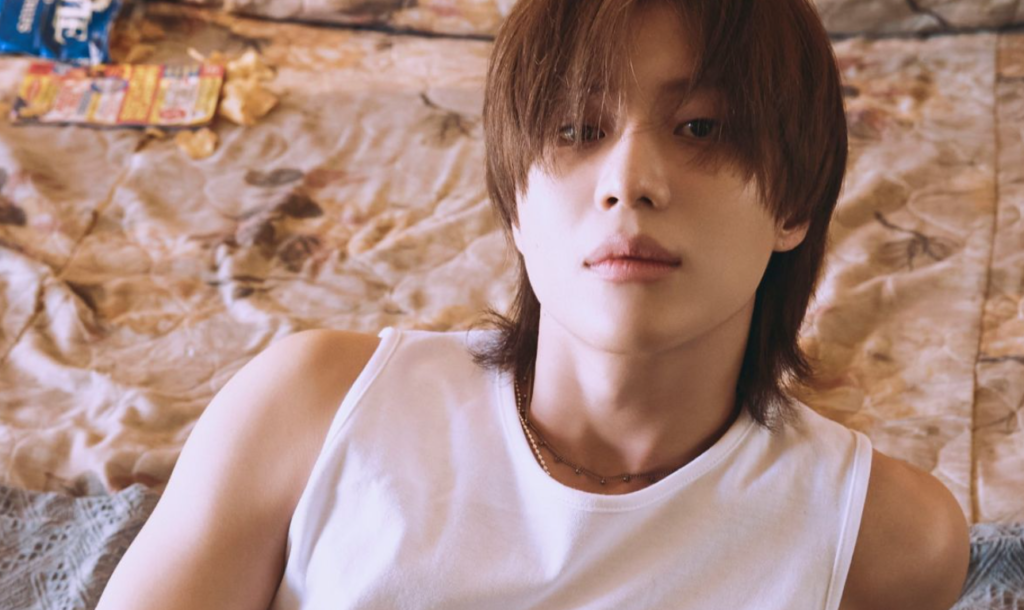
No list of INFJ Kpop idols would be complete without Lee Taemin — a performer so singular in his artistry that even within an industry full of extraordinary talent, he occupies a category of his own. Taemin’s INFJ qualities are expressed most purely through his creative work: music, choreography, and performance that consistently push past entertainment into something that feels genuinely transcendent.
His solo discography — Ace, Press It, Move, Never Gonna Dance Again — traces the artistic journey of an INFJ who has spent a career translating his interior world into physical and sonic form. The choreography he embodies is not simply technically sophisticated — it is emotionally narrated, telling stories through movement that lyrics alone could not contain.
Taemin is famously private in personal interviews, selective in what he shares, and consistently more comfortable communicating through art than through words. This is the INFJ in full expression: a person for whom the creative work is the conversation, and for whom the stage is the most honest version of themselves.
How to Tell If Your Favorite Kpop Idol Might Be an INFJ
Not every idol publicly shares their MBTI type — and results can vary depending on when the test is taken and what life stage the person is in. But there are behavioral patterns that often signal INFJ energy in an idol, and seasoned fans have become remarkably good at reading them.
5 Behavioral Signs of an INFJ Idol
1. They pause before answering interview questions. The INFJ does not reach for a pre-packaged answer. They think first — sometimes visibly — which creates those quiet interview moments that fans screenshot and analyze for days.
2. Their self-written lyrics carry unusual personal depth. INFJ-penned songs tend to be introspective, layered, and emotionally specific in ways that feel too precise to be generic. If a song makes you feel like the artist lived exactly what they are describing, INFJ energy is often behind it.
3. They seem more energized in intimate fan settings than massive events. Pay attention to how an idol behaves in small fan sign events versus stadium concerts. The INFJ often shines more brightly in the former — where real connection is possible — than the latter.
4. They express a clear personal philosophy or sense of mission. INFJs do not simply want to perform — they want their work to mean something. If an idol frequently speaks about the purpose of their art or the message they want to leave with their audience, that is INFJ idealism at work.
5. Fans describe them as “hard to fully know but easy to deeply love.” This is perhaps the most telling signal of all. The INFJ’s combination of privacy and warmth creates exactly this impression — someone who holds something back, but makes you feel everything they do share.
INFJ vs. INFP Kpop Idols — What’s the Difference?
Because these two types share three of four letters, fans sometimes confuse them — but the differences are meaningful, particularly in how each type expresses themselves publicly.
| Trait | INFJ | INFP |
|---|---|---|
| Decision-making | Values + structure | Values + flexibility |
| Leadership style | Visionary, purposeful | Collaborative, open-ended |
| Creative approach | Intentional, mission-driven | Exploratory, emotionally free |
| Public persona | Selective, measured | Openly emotional, idealistic |
| Fan connection | Deep but boundaried | Warm and freely expressive |
INFP idols — like V of BTS, who has identified with this type — tend to express their emotional world more freely and spontaneously. INFJ idols are more deliberate about what they share and when, which gives their disclosures a different quality of weight.
Why Fans Deeply Connect With INFJ Kpop Idols
The devotion that INFJ Kpop idols inspire in their fans is not accidental — it is the natural result of a personality type that, even in the carefully managed world of Korean entertainment, cannot fully suppress its gift for making people feel genuinely understood.
INFJs are natural mirrors. Their extraordinary empathy and intuition mean they are exceptionally good at perceiving and reflecting the emotional truths of other people’s experiences. When an INFJ idol writes a lyric or delivers a performance, they are drawing on a well of human feeling that is broader and deeper than their own individual experience — and audiences feel that breadth, even if they cannot name it.
This creates what might be called the kindred spirit phenomenon in INFJ fandoms: fans — many of whom are INFJs themselves, or who share the INFJ capacity for deep feeling — recognize something of themselves in these idols. The connection is not purely parasocial. It feels, at its best, like mutual recognition across an impossible distance.
INFJ idols also tend to cultivate smaller, extraordinarily devoted fan communities rather than the massive but diffuse popularity that more extroverted idol personas attract. The depth of connection their personality naturally generates is simply not compatible with the shallow broad-reach appeal of a more surface-level public persona. And for those fans who do find their way into the orbit of an INFJ idol’s artistry, the loyalty that results tends to be lifelong.
Expert Insight — What Psychology Tells Us About INFJ Performers
It might seem counterintuitive that a personality type defined partly by introversion would be drawn to one of the most demanding and publicly exposed careers in the world. But psychologists who study creativity and performance have long noted that introverted, intuitive types are often powerfully attracted to artistic careers precisely because those careers offer a structured channel for the inner life they carry so intensely.
For the INFJ specifically, performance and creative work serve a dual function. They provide a legitimate framework for the kind of deep human connection that INFJs crave but find overwhelming in unstructured social settings. And they offer a vehicle for the sense of purpose and mission that drives the INFJ personality at its core — the conviction that their inner world contains something worth sharing, something that might help or move or illuminate something in someone else.
What psychologists describe as the INFJ’s “extroverted feeling” function — their ability to tune into and respond to the emotional climate around them — becomes, in performance contexts, an extraordinary asset. INFJ idols can read an audience with remarkable precision and adjust their emotional output accordingly, creating experiences that feel simultaneously universal and personal.
This is why the most celebrated INFJ Kpop idols are not simply technically proficient performers. They are emotional communicators of the highest order — people for whom the stage is the place where their private interior world and the public world of shared human experience finally, briefly, and powerfully meet.
Frequently Asked Questions About INFJ Kpop Idols
Q1: Who are the most famous INFJ Kpop idols?
Some of the most widely recognized INFJ Kpop idols include Suga and RM of BTS, Taeyeon of Girls’ Generation, Woozi of SEVENTEEN, Jennie of BLACKPINK, and Taemin of SHINee. Each has confirmed or been widely associated with the INFJ type through interviews, official group content, or verified personality discussions.
Q2: Is INFJ the rarest MBTI type in Kpop?
INFJ is considered the rarest personality type in the general population, representing roughly 1–2% of people globally. Within Kpop, the type is relatively uncommon but notably represented among idols who are also principal songwriters or creative directors — reflecting the INFJ’s natural affinity for artistic expression with depth and purpose.
Q3: How do Kpop idols find out their MBTI type?
Most Kpop idols take the official MBTI assessment or one of the widely used online equivalents. Results are frequently shared during variety show segments, fan sign events, or official group profile reveals. Some agencies include MBTI results in debut materials as part of introducing the group to fans.
Q4: Can an idol’s MBTI type change over time?
Yes — and this is actually quite common. The MBTI is not a fixed psychological measurement; it reflects a person’s current tendencies and self-perception, both of which can shift with life experience, growth, and changing circumstances. Several idols have reported different results at different points in their careers, which reflects genuine personal development rather than inconsistency.
Q5: Do INFJ idols make good leaders in Kpop groups?
INFJs can be exceptional leaders in creative environments — not because they seek authority, but because they lead through vision, empathy, and a clear sense of collective purpose. INFJ group leaders tend to inspire rather than direct, and to build loyalty through genuine care rather than hierarchical influence. RM of BTS and Woozi of SEVENTEEN are frequently cited as examples of this leadership style at its most effective.
INFJ Kpop idols are not the loudest voices in the industry. They are not always the most immediately accessible or the easiest to know. But they are, almost without exception, the ones who leave the deepest mark — on the music, on the art form, and on the fans who find their way to them.
What makes these idols so extraordinary is precisely what makes the INFJ personality so rare and so valuable in any field: the combination of deep private feeling and purposeful outward expression, the ability to translate the most interior human experiences into art that resonates across language, culture, and distance.
In an industry built on image, INFJ Kpop idols offer something that no amount of calculated branding can manufacture. They offer authenticity — the quiet, powerful kind that you feel before you can explain it, and that stays with you long after the music stops.
Whether you are an INFJ yourself searching for a kindred spirit, or simply someone drawn to the depth these idols bring to everything they do, one thing is certain: once you find your INFJ idol, the connection you feel is anything but ordinary.
Which INFJ Kpop idol resonates most deeply with you? Share your thoughts in the comments — and if this article spoke to you, pass it along to a fellow fan who would appreciate knowing more about the quietly powerful personalities shaping Kpop from the inside out.