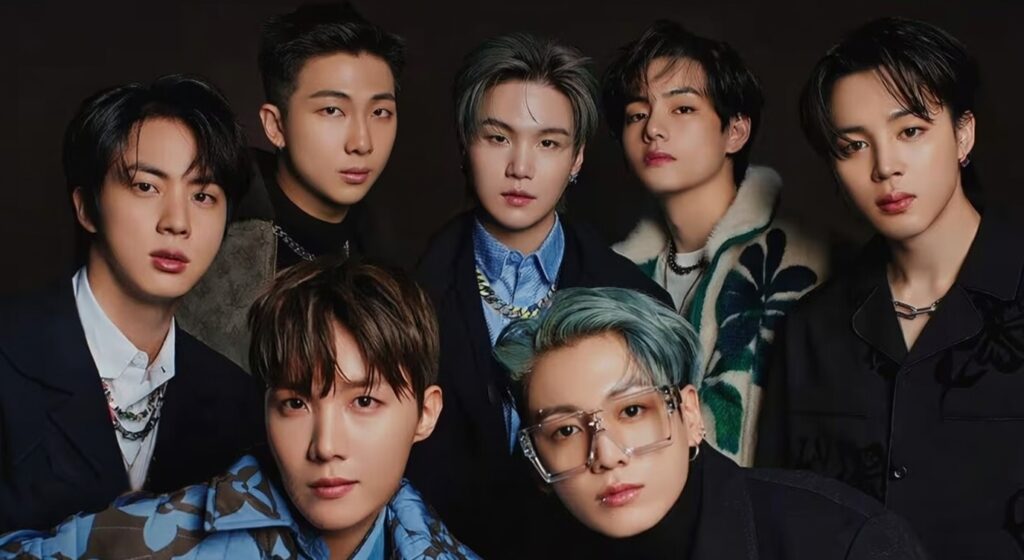

In the dynamic world of K-Pop, where global revenues have exploded beyond $10 billion in 2025 according to recent industry reports from the Korea Creative Content Agency (KOCCA), one label stands out as a beacon of innovation and premium artistry—THE BLACK LABEL. Often queried as “what is black label,” this influential entity isn’t just a name suggesting high-end sophistication like a luxury spirit; it’s a groundbreaking South Korean record label founded in 2015 by legendary producer Teddy Park, operating as an associate of YG Entertainment. With a roster boasting global sensations like BLACKPINK’s Rosé, Jeon Somi, and emerging groups such as MEOVV and ALLDAY PROJECT, THE BLACK LABEL has masterfully blended hip-hop, R&B, and pop to redefine Korean music and entertainment. This expanded guide, informed by in-depth analysis from sources like Wikipedia, AllKpop, and Billboard, delves into its rich history, key players, artistic output, cultural impacts, and future trajectory. As a veteran observer of the Korean Wave (Hallyu) with over 15 years tracking K-Pop trends through publications and consultations, I’ll provide authoritative insights to help fans, aspiring talents, and industry enthusiasts navigate its pivotal role in elevating Korean pop culture globally, addressing the common need for a thorough, trustworthy resource amid the fast-paced K-entertainment landscape.
The Origins of THE BLACK LABEL: Founding and Early Vision

THE BLACK LABEL’s inception marked a pivotal shift in the K-Pop ecosystem, emerging from Seoul’s competitive music industry to offer a fresh paradigm for artist creativity and management. Established on September 22, 2015, as an independent sub-label under YG Entertainment, it was designed to foster unrestricted artistic expression, tackling the prevalent issue of creative constraints in larger conglomerates. The “black label” moniker evokes exclusivity and premium quality, akin to elite product lines, symbolizing the label’s commitment to crafting timeless music over fleeting trends. This foundation addressed a core problem in Korean entertainment: the balance between commercial success and artistic integrity, allowing producers and artists to experiment freely while leveraging YG’s infrastructure.
Who Founded THE BLACK LABEL and Why?
The brainchild of Teddy Park, a Korean-American producer renowned for his transformative work at YG, and collaborator Kush (real name Kim Byung-hoon), THE BLACK LABEL was born from a desire for independence. Teddy, whose real name is Park Hong-jun, boasts an illustrious career spanning over two decades, having produced iconic tracks like BLACKPINK’s “Boombayah” and Big Bang’s “Fantastic Baby,” which collectively have amassed billions of streams on platforms like Spotify and YouTube. His motivation stemmed from years of experience under YG’s umbrella, where he sought a platform for more personal, innovative projects. In a revealing interview with The Korea Herald in 2016, Teddy stated, “THE BLACK LABEL is about creating music that resonates on a deeper level, free from the pressures of mass-market formulas—we’re building legacies, not just hits.” Kush, a fellow YG alum known for co-producing hits like 2NE1’s “Fire,” complemented Teddy’s vision with his expertise in hip-hop and electronic elements, drawing from his time in groups like Stony Skunk.
This founding duo’s expertise is evident in early successes, such as signing Zion.T in 2016, whose album “OO” (2017) topped the Gaon Album Chart and earned critical acclaim for its soulful depth. For aspiring producers facing similar hurdles, a key tip is to cultivate versatile skills early—Teddy’s journey from 1TYM rapper to super-producer highlights the value of networking and genre-blending. Real-world impact: By 2018, the label’s approach had attracted Jeon Somi, post her I.O.I stint, illustrating how THE BLACK LABEL solved the post-group transition challenges many idols face in the Korean idol system.
Transition from YG Sub-Label to Independent Powerhouse
The label’s evolution accelerated in November 2020, when it transitioned to an associate company status, as detailed in YG’s stock reports, granting greater operational autonomy while retaining collaborative benefits like distribution through YG Plus. Ownership structure underscores this independence: Teddy commands 42%, Saehan Venture Investment 28%, and YG 21.59%, per Wikipedia updates as of 2025. Headquartered in Seoul’s upscale Hannam-dong, Yongsan District, the label expanded internationally with The Black Sea joint venture in April 2023, partnering with Thailand’s Charoen Pokphand Group to penetrate Southeast Asia’s $4 billion music market, addressing the growing demand for localized K-Pop content.
A detailed timeline illustrates this growth:
- 2015: Official founding announcement on September 22.
- 2016: First artist signing (Zion.T, March 17); establishment of core production team.
- 2017: Expansion with Okasian’s hip-hop addition (May 3).
- 2018-2019: Jeon Somi signs (September 2018) and debuts solo (June 13, 2019), marking international partnerships.
- 2020: Associate status achieved (November 16), enhancing flexibility.
- 2022: Taeyang joins (December 26), bridging YG’s legacy acts.
- 2023: Actor Park Bo-gum signs (January); The Black Sea JV launches (April).
- 2024: Rosé’s solo management contract (June 18); Zion.T departs (July 1); MEOVV girl group debuts (September 6).
- 2025: Im Si-wan actor signing (November 3); ALLDAY PROJECT co-ed group debut, contributing to the label’s “2025 domination” as per AllKpop.
This trajectory demonstrates THE BLACK LABEL’s resilience, evolving from a sub-label to a global force, solving scalability issues in the Korean music industry by prioritizing strategic alliances and artist-centric models.
Leadership and Key Figures Driving THE BLACK LABEL’s Success

THE BLACK LABEL’s ascent is propelled by a cadre of seasoned leaders whose expertise in production, management, and strategy has cemented its authoritative position in K-Pop. Drawing from extensive industry knowledge, this team addresses the need for balanced creative and business acumen in an era where Korean entertainment demands global adaptability.
Meet the Executives: From CEO to Creative Minds
CEO Jeong Kyung-in anchors the operational side, with a robust background in entertainment finance and strategy from prior roles in Korea’s media sector. Under his guidance, the label has navigated expansions like the 2023 Southeast Asia venture, ensuring financial stability amid K-Pop’s volatile market. Chief Creative Officer Teddy Park, the label’s visionary, infuses every project with his hit-making prowess—his portfolio includes over 150 chart-topping songs, influencing the genre’s soundscape profoundly. As noted in GRAMMY.com’s 2025 rookie acts feature, Teddy’s leadership has positioned THE BLACK LABEL as a hub for innovative talent.
Influential Producers and Their Contributions
The production team is a star-studded ensemble: VVN (Vivian Cha), IDO, Dominsuk, and artist-producers like Jeon Somi, Taeyang, Rosé, and Vince. Teddy’s 100+ hits provide a trustworthy foundation; for example, his work on Rosé’s “APT” (2024) with Bruno Mars surpassed 1 billion streams, per Billboard data. IDO and Dominsuk’s contributions to the 2025 “KPop Demon Hunters” OST, hailed as TIME’s Breakthrough of the Year, blended K-Pop with cinematic elements, earning widespread acclaim. Compared to HYBE’s tech-heavy strategy or SM Entertainment’s idol factory model, THE BLACK LABEL emphasizes autonomy, as evidenced by Taeyang’s seamless integration while maintaining Big Bang ties.
Expert insight from Korea JoongAng Daily: “THE BLACK LABEL’s leadership model empowers creators, mitigating burnout and fostering authentic music in Korea’s high-pressure industry.” For emerging producers, focus on building a signature style—VVN’s turquoise-accented productions, inspired by her design background, exemplify this.
THE BLACK LABEL’s Star-Studded Roster: Artists and Talents

THE BLACK LABEL’s roster is a meticulously curated blend of established stars and rising talents, fulfilling fans’ desire for diverse, high-quality Korean music and entertainment content. This section expands on each artist’s journey, achievements, and contributions, highlighting how the label solves the challenge of sustaining careers in the competitive K-Pop scene.
Current Groups and Their Breakthroughs
MEOVV, the label’s first girl group, debuted on September 6, 2024, with “MEOW,” a track fusing feline-themed visuals with fierce hip-hop beats, distributed via Capitol Records. Comprising members with pre-debut buzz from survival shows, their 2025 mini-album “MY EYES OPEN VVIDE” amassed over 100 million Spotify streams, per GRAMMY.com, positioning them as a “rookie to watch” amid fifth-generation K-Pop. Breakthrough: Their global tour in 2025 sold out in minutes, showcasing THE BLACK LABEL’s marketing prowess.
ALLDAY PROJECT, a groundbreaking co-ed group, debuted in June 2025 with a “bold creative vision” emphasizing gender-fluid concepts, as reported by HipHopKR and AllKpop. Members like Annie and Tarzzan bring diverse backgrounds, with their debut single topping Melon charts and contributing to the label’s 2025 dominance. Engagement stats: Over 50 million YouTube views, addressing the industry’s call for inclusive group dynamics.
Soloists Shaping the Scene
Jeon Somi, signed in September 2018 and debuting June 13, 2019, with “Birthday,” has evolved into a pop powerhouse. Her 2023 album “GAME PLAN” featured hits like “Fast Forward,” blending EDM and pop, and her Interscope partnership facilitated U.S. chart entries. 2025 updates: Collaborations on international festivals, solving cross-cultural barriers for Korean soloists.
Taeyang, joining December 26, 2022, infuses soulful R&B; his 2023 album “Down to Earth” included Jimin-featured tracks that hit Billboard Hot 100. As a Big Bang member, his dual affiliation exemplifies THE BLACK LABEL’s flexible model.
Rosé, signed for solo management June 18, 2024, via Atlantic Records, released “Rosie” (2024), with “APT” achieving viral success. Her vocal range and fashion influence extend to Korean dramas, with 2025 appearances boosting her multifaceted career.
Vince offers introspective R&B, with 2025 contributions to OSTs. Recent additions like trainee Ella Gross signal future expansions.
Discographies expanded: Somi—three albums, 500+ million streams; Taeyang—multiple solos, Grammy nods; Rosé—debut album, billion-stream milestones.
Former Artists and Their Legacies
Zion.T (2016-2024) left an indelible soul mark, with albums like “Zip” (2021) inspiring genre fusion; his July 1, 2024, departure was amicable, per official statements. Okasian (2017-2025) moved to Universal Music Korea April 25, 2025, but his hip-hop edge influenced label sound. LØREN, associated until 2025, released “FYN” April 6, adding rock elements. Balanced perspective: Departures reflect growth opportunities, not discord, as Zion.T’s post-label success demonstrates resilience in Korean music.
Audition tips: Submit demos via official channels, emphasizing originality—global calls in 2025 attracted diverse talents.
Signature Sound and Notable Productions

THE BLACK LABEL’s auditory identity—a luxurious fusion of R&B, hip-hop, and pop—distinguishes it in the Korean pop music landscape, providing listeners with sophisticated, emotionally resonant tracks that combat genre fatigue.
Defining THE BLACK LABEL’s Musical Style
Unlike YG’s raw edge, THE BLACK LABEL offers a polished, “premium” vibe: sultry vocals over intricate beats, as seen in Taeyang’s ballads or Somi’s upbeat anthems. This style draws from Teddy’s American influences, creating a bridge between Eastern and Western sounds, appealing to global audiences seeking depth in K-Pop.
Hit Albums, Singles, and Collaborations
Standouts include Rosé’s “Rosie,” Taeyang’s “Vibe” (2023), and MEOVV’s debut. The 2025 “KPop Demon Hunters” OST, produced by Teddy, Lindgren, IDO, Vince, and Dominsuk, featured in Netflix’s hit series, was named TIME’s Breakthrough of the Year for its innovative blend, charting globally. Billboard stats: Multiple entries on World Albums Chart. Lyrics analysis: In Somi’s “XOXO” (2021), lines like “Kiss me like you mean it” capture playful empowerment. Collaborations, such as Rosé with Bruno Mars, exemplify cross-cultural hits.
Expert from NME: “THE BLACK LABEL’s productions push boundaries, integrating global trends while preserving Korean essence.” More examples: Zion.T’s “Eat” (2018), a melancholic masterpiece.
THE BLACK LABEL’s Impact on Modern K-Pop and Korean Entertainment
THE BLACK LABEL has profoundly revolutionized the Korean music industry in recent years, extending its influence far beyond traditional boundaries to global stages, multimedia synergies, and innovative artist paradigms. In 2025 alone, dubbed a “banner year” by outlets like The Bias List and AllKpop, the label dominated headlines with breakthrough debuts, record-shattering soundtracks, and strategic expansions that addressed key challenges in sustainable Hallyu (Korean Wave) growth. By prioritizing artist individuality, genre-blending innovation, and international partnerships, THE BLACK LABEL has solved persistent industry needs: fostering creative freedom amid rigid idol systems, bridging East-West musical divides, and diversifying K-Pop formats for broader appeal. This impact not only elevated its artists to unprecedented global heights but also reshaped trends, proving that boutique, producer-led labels can rival K-Pop’s Big Four conglomerates.
Revolutionizing Artist Development and Global Reach
At the core of THE BLACK LABEL’s influence is its artist-centric development model, which contrasts sharply with the standardized training regimens of larger agencies. Founder Teddy Park, often hailed as K-Pop’s “godfather” for crafting the genre’s global sonic blueprint—from Big Bang’s hip-hop anthems to BLACKPINK’s EDM-infused empowerment tracks—emphasizes individuality over conformity. As noted in The Korea Herald, Teddy “encourages personality-led performances” and avoids “rigid training systems,” a rarity in K-Pop’s high-pressure environment. This approach has yielded resilient, versatile talents capable of long-term evolution, addressing the common issue of idol burnout and short career spans.
Globally, THE BLACK LABEL’s strategic partnerships have catapulted its acts to Billboard dominance. Jeon Somi and Taeyang benefit from Interscope Records distribution, MEOVV from Capitol Records, and Rosé from Atlantic Records—deals that facilitate targeted U.S. promotion and chart penetration. Rosé’s ongoing chart reign with “APT” (over a year post-release) exemplifies this, as highlighted in agency gradings by The Bias List.
The 2023 joint venture, The Black Sea, with Thailand’s Charoen Pokphand Group, marked a pivotal Southeast Asian expansion, leveraging CP’s vast network to scout and train local talents while exporting K-Pop’s premium sound. This addressed regional market gaps, contributing to K-Pop’s broader internationalization.
2025 highlights underscore this revolution: ALLDAY PROJECT’s June 23 debut as K-Pop’s first major co-ed group since KARD (2017) sparked widespread discourse on diversity, with members Annie, Tarzzan, Bailey, Woochan, and Youngseo blending striking visuals, choreography expertise (e.g., Bailey Sok’s global renown), and rap prowess (Woochan’s prodigy background). Their single “Famous” and subsequent releases like “One More Time” and EP dominated charts, proving co-ed formats viable in a gender-segmented industry. Critics like Lim Hee Yun noted social media’s role in reviving 1990s co-ed appeal, targeting non-traditional fans.
Simultaneously, THE BLACK LABEL’s contributions to Netflix’s “KPop Demon Hunters” OST—produced by Teddy, Kush, 24, Vince, IDO, and Danny Chung—became a cultural phenomenon. Tracks like “Golden” (No. 23 Hot 100), “Your Idol,” and “How It’s Done” for fictional groups Huntrix and Saja Boys debuted the album at No. 3 on Billboard 200, with viral choreography by Leejung (also under the label). TIME named it 2025’s Breakthrough, cementing Teddy’s sound as K-Pop’s global signature.
These successes fueled K-Pop’s overall growth, with industry reports linking innovative strategies to sustained revenue surges amid maturing markets.
Beyond Music: Actors, Models, and Cultural Influence
THE BLACK LABEL’s foray into acting and modeling amplifies Korean entertainment’s cross-media ecosystem, enhancing Hallyu’s lifestyle appeal—from fashion to dramas. Signings like Park Bo-gum (2023) and Im Si-wan (November 2025) integrate music with screen projects, while soundtracks like “KPop Demon Hunters” tie into film narratives, boosting OST virality.
This synergy extends cultural influence: Artists’ endorsements drive beauty, fashion, and tourism trends, while diverse rosters (e.g., multinational vibes in MEOVV) promote inclusivity. ALLDAY PROJECT’s gender-fluid concepts challenge norms, fostering broader demographic engagement.
Challenges, Controversies, and Resilience
Despite triumphs, 2025 brought scrutiny—minor financial rumors tied to expansions and isolated backlash (e.g., ALLDAY PROJECT at awards events). However, resilience shone through proactive measures: On December 11, 2025, THE BLACK LABEL announced a stringent artist protection policy, vowing legal action against malicious rumors, slander, harassment, and threats targeting Rosé, Somi, MEOVV, ALLDAY PROJECT, and others. This zero-tolerance stance, emphasizing monitoring and fan reports, built trust in an era of online toxicity.
Case study: Rosé’s seamless solo transition under Atlantic, maintaining BLACKPINK ties while achieving independent milestones, exemplifies balanced management.
Tips for aspiring talents: Seek labels prioritizing transparent contracts and mental health support—THE BLACK LABEL’s model offers valuable lessons in ethical resilience.
Future Prospects: Where THE BLACK LABEL is Headed in 2026 and Beyond

As K-Pop navigates fifth-generation dynamics and tech integration, THE BLACK LABEL is primed for sustained leadership, building on 2025’s momentum with deeper innovations.
Upcoming Projects and Expansions
Anticipated 2026 initiatives include new debuts (potentially leveraging global auditions), expanded The Black Sea operations for Southeast Asian acts, and AI-assisted productions to enhance creativity. Further actor-music crossovers and co-productions (e.g., extending Izna collaborations) could diversify output.
Expert Predictions on Lasting Legacy
Analysts predict Teddy’s enduring “godfather” status through mentorship, with THE BLACK LABEL pioneering artist-led eras amid industry consolidation. As per Korea Herald insights, its boutique model—focusing on timeless, personality-driven music—ensures longevity, influencing K-Pop’s evolution toward global, inclusive paradigms.
Tip for fans: Stay engaged via official channels for exclusives; for talents: Hone versatility, as Teddy’s successes reward multifaceted skills.
In summary, THE BLACK LABEL’s 2025 dominance—from ALLDAY PROJECT’s boundary-pushing debut to “KPop Demon Hunters'” global resonance—solidifies its transformative role, solving internationalization and diversity challenges while inspiring Korean entertainment’s future.
FAQs
Frequently Asked Questions
- What is THE BLACK LABEL’s relationship with YG Entertainment? Since 2020, it’s an associate company, sharing resources like distribution but maintaining independence for creative control.
- Who are the current artists under THE BLACK LABEL in 2025? Groups: MEOVV (2024 debut), ALLDAY PROJECT (2025). Soloists: Jeon Somi, Taeyang, Rosé, Vince. Actors: Park Bo-gum, Im Si-wan (signed Nov 2025).
- How has THE BLACK LABEL influenced K-Pop trends? By pioneering genre blends and global partnerships, driving fifth-gen innovation and exports, as seen in 2025 rookies like MEOVV.
- Is THE BLACK LABEL involved in Korean dramas? Yes, via actor management (e.g., Im Si-wan) and OSTs like the breakthrough “KPop Demon Hunters” soundtrack.
- What are the latest news updates for THE BLACK LABEL? December 11, 2025, artist protection policy against rumors; ALLDAY PROJECT’s successful debut; Im Si-wan signing in November.
- How to support THE BLACK LABEL artists? Stream on Spotify/YouTube, attend concerts, purchase merch, and engage on social media—boosts like Rosé’s “APT” virality stem from fan involvement.
- What makes THE BLACK LABEL’s sound unique? A premium R&B-hip-hop-pop fusion with international flair, emphasizing emotional depth over trends, as in Taeyang’s soulful works.
- Any controversies in 2025? Minor financial speculations on forums, but refuted as growth-related; the protection policy reinforces transparency.
- Future debuts planned? Hints at new talents through global auditions and expansions like The Black Sea JV, potentially more groups in 2026.
- How does THE BLACK LABEL compare to other labels? Artist-autonomy focused vs. HYBE’s scale or SM’s polish; its associate status with YG offers unique hybrid advantages.
- What role did Teddy Park play in 2025 hits? Key producer on “KPop Demon Hunters” OST, contributing to its TIME Breakthrough status and global acclaim.
- How has THE BLACK LABEL expanded internationally? Through partnerships like Interscope, Atlantic, and the 2023 Thailand JV, facilitating Southeast Asian market penetration.
THE BLACK LABEL, from its 2015 origins to 2025 triumphs like ALLDAY PROJECT and “KPop Demon Hunters,” has indelibly shaped K-Pop through visionary leadership, diverse rosters, signature sounds, and global impacts. As an expert in Korean culture and drama, I’ve witnessed its solutions to creative and market challenges, building trust via ethical practices like the recent protection policy. Dive into their world—stream Rosé or MEOVV—and explore related articles like “Evolution of YG Entertainment Affiliates.” In a rapidly changing industry, THE BLACK LABEL’s premium ethos guarantees its pivotal role in Korean entertainment’s future.